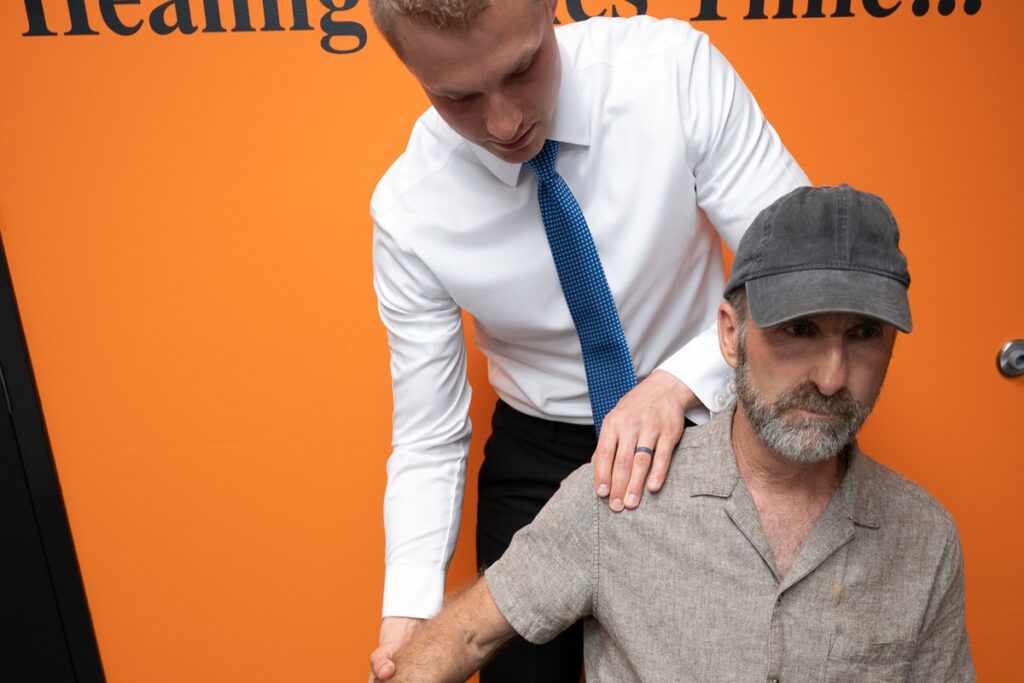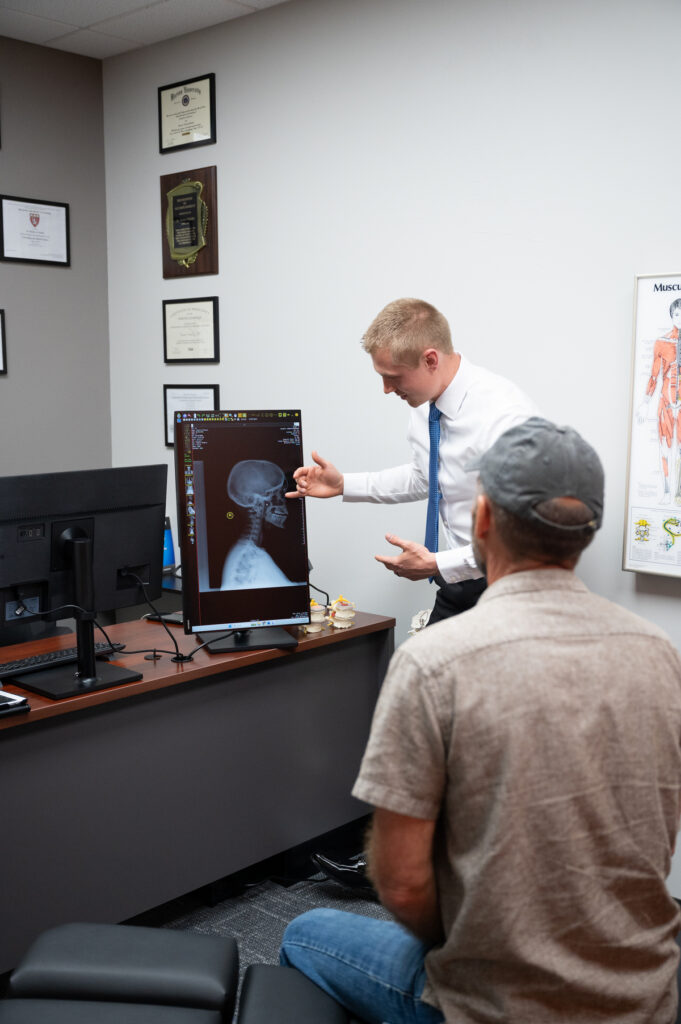

You might be wondering why you should accept generic healthcare when personalized options are available. Tailoring your care to fit your specific needs can greatly enhance your treatment effectiveness and satisfaction. With advanced technology, healthcare providers can now adapt their services to align with your lifestyle and preferences, allowing for a more meaningful relationship with your care team. But what does this mean for your health journey? Exploring the possibilities could reveal insights that transform your experience in ways you hadn't considered.
The Importance of Personalization
Personalization in care isn't just a trend; it's a fundamental shift that enhances the effectiveness of treatment. When you reflect on your health, you realize that a one-size-fits-all approach rarely meets your unique needs. You've got your own medical history, lifestyle, and preferences that shape your experience. Personalization allows healthcare providers to evaluate these variables, ensuring that the care you receive is tailored specifically for you.
Imagine walking into a clinic where the staff knows your history and understands what's important to you. They're not just treating symptoms; they're addressing the root causes of your issues. You deserve a care plan that reflects who you are, not just a generic protocol. By prioritizing personalization, healthcare providers can build stronger relationships with patients like you, fostering trust and open communication.
Moreover, personalization encourages active participation in your own care. You're not merely a passive recipient; you're an integral part of the decision-making process. This collaboration can increase your motivation to adhere to treatment plans and make healthier lifestyle choices. When care is tailored to align with your values and goals, you're more likely to engage and stay committed to your journey toward better health.
In essence, personalization in care is about recognizing the individuality of each patient. It's a powerful approach that not only improves treatment outcomes but also empowers you to take control of your health.
Don't settle for generic care; embrace the importance of personalization and experience the difference it can make.
Benefits of Tailored Care
Tailored care consistently delivers better health outcomes by focusing on your specific needs and circumstances. When your healthcare is personalized, it considers your medical history, lifestyle, and preferences. This approach means you're not just another patient; you're an individual with unique requirements. As a result, you're more likely to engage in your treatment plan, leading to improved adherence and better results.
One significant benefit of tailored care is the enhanced patient-provider relationship. When your healthcare provider understands you as a person, it fosters trust and open communication. You're more likely to share important information about your symptoms and concerns, which helps your provider make informed decisions about your care. This collaboration can lead to faster diagnoses and more effective treatment strategies.
Additionally, tailored care often leads to a reduction in unnecessary tests and procedures. When your provider has a clear understanding of your specific situation, they can focus on what's truly relevant to you. This not only saves you time and money but also minimizes the stress that often comes with medical interventions.
Lastly, tailored care can improve your overall satisfaction with the healthcare experience. When you feel heard and valued, your confidence in the care you receive increases. This holistic approach not only addresses your physical health but also contributes to your emotional well-being.
In short, personalized care empowers you, enhances your health outcomes, and ultimately transforms your healthcare journey into a more effective and fulfilling experience.
Examples of Personalized Services
When it comes to personalized services, tailored health plans and customized treatment options stand out.
You can benefit from plans designed specifically for your needs, ensuring you receive the right care.
Additionally, treatment options can be adjusted based on your unique health conditions and preferences.
Tailored Health Plans
Creating a health plan that truly fits your unique needs can greatly enhance your overall well-being. Tailored health plans consider your specific health goals, lifestyle, and preferences, ensuring you're not just another statistic in a one-size-fits-all solution.
Imagine working closely with a healthcare professional who takes the time to understand your medical history, family background, and daily routines. They'll develop a plan that resonates with you, focusing on preventive care, nutrition, and exercise that suits your lifestyle.
For instance, if you're a busy professional, your plan might prioritize quick, healthy meal options and efficient workout routines.
Additionally, tailored health plans can integrate mental health resources, recognizing that emotional well-being is just as essential as physical health. You might find access to mindfulness programs or therapy sessions that align with your personal challenges.
With regular check-ins, your plan can adapt as your needs evolve, keeping you engaged and motivated. This personalized approach not only fosters accountability but also empowers you to take charge of your health journey, making the path to wellness both enjoyable and sustainable.
Customized Treatment Options
Personalized care goes beyond just developing a health plan; it extends to customized treatment options that cater specifically to your individual needs. You deserve treatments that resonate with your lifestyle, preferences, and health objectives.
Whether it's medication adjustments, specialized therapies, or alternative approaches, the key is ensuring that each option fits seamlessly into your life.
For instance, if you're managing a chronic condition, your healthcare provider might offer a regimen that combines traditional medication with lifestyle coaching. This way, you not only address your symptoms but also empower yourself to make lasting changes.
Similarly, if you're recovering from surgery, a customized physical therapy plan can be tailored to your specific recovery goals and physical abilities, ensuring you regain strength and mobility effectively.
Additionally, integrating technology into your treatment can enhance personalization. Wearable devices can track your health metrics and provide real-time feedback, allowing your healthcare team to make informed adjustments.
With these customized treatment options, you're not just another patient; you're an active participant in your health journey, leading to better outcomes and a more fulfilling healthcare experience.
Embrace the personalized approach—it's your health, your way.
Technology Enhancing Personalization
Technology is transforming how you experience personalized care by providing data-driven insights that cater to your unique needs.
With these insights, you can access tailored health solutions designed just for you.
This shift not only empowers you in your health journey but also enhances the overall effectiveness of your care.
Data-Driven Insights
Data-driven insights are revolutionizing how healthcare providers tailor their services to meet individual patient needs. By harnessing vast amounts of health data, you can uncover patterns and trends that guide personalized treatment plans. This means your healthcare experience becomes more aligned with your unique circumstances, preferences, and medical history.
With advanced analytics and machine learning, providers can identify risk factors and predict potential health issues before they arise. Imagine receiving proactive recommendations based on your specific health data, rather than a one-size-fits-all approach. This level of customization enhances your care, making it more effective and relevant.
Moreover, data-driven insights empower you to take an active role in your health. You'll receive information that helps you understand your conditions better, leading to informed decisions. Additionally, real-time monitoring through wearable devices provides immediate feedback, allowing for timely adjustments to your care plan.
As technology continues to evolve, the integration of data-driven insights in healthcare will only improve. You deserve care that respects your individuality, and these insights are key to achieving that personalized experience.
Embrace the benefits of data-driven approaches and enjoy a more tailored healthcare journey.
Tailored Health Solutions
Harnessing advanced technology can take your healthcare experience to the next level by delivering tailored health solutions.
Imagine using wearable devices that monitor your essential signs in real-time, allowing healthcare providers to adjust your treatment based on your specific needs. These innovations empower you to take charge of your health, providing data that informs personalized strategies.
Telemedicine platforms further enhance your access to tailored care. With virtual consultations, you can connect with specialists who can offer insights based on your unique health profile, regardless of where you are. This flexibility means you receive guidance that's specifically suited to you without the hassle of travel.
Additionally, AI-driven apps can analyze your medical history and lifestyle choices to recommend personalized wellness programs. Whether it's tailored exercise routines or nutrition plans, these solutions cater to your preferences, making it easier for you to stay engaged in your health journey.
Overcoming Barriers to Personalization
Personalization in healthcare can feel like a puzzle with missing pieces, but overcoming barriers to effective personalization is essential for improving patient outcomes. One of the biggest obstacles you might encounter is data silos. When patient information is scattered across various platforms, it limits your ability to create a thorough view of their health needs. Embracing integrated health records can bridge this gap, allowing you to gather and analyze data more effectively.
Another challenge is resistance to change within healthcare systems. Many practitioners may be accustomed to traditional methods and unsure of how to implement personalized care approaches. To tackle this, consider fostering a culture of innovation among your team. Encourage training and workshops that emphasize the benefits of personalization, making it easier for everyone to embrace new strategies.
Additionally, limited resources and budget constraints can hinder your efforts. You might feel overwhelmed by the costs associated with new technologies or staff training. However, prioritizing investments in tools that enhance personalization can pay off in the long run by boosting patient satisfaction and outcomes.
Don't underestimate the power of patient engagement either. Some patients may be hesitant to share personal information, fearing privacy concerns. Building trust through transparent communication can help alleviate these fears, encouraging them to participate actively in their care journey.
Personalization in Healthcare
Transforming healthcare into a more personalized experience can markedly enhance patient satisfaction and outcomes. When you receive care that considers your unique needs, preferences, and lifestyle, you're more likely to engage actively in your treatment.
Personalization means that healthcare providers tailor their approach based on your specific medical history, genetic makeup, and even emotional well-being.
Imagine walking into a clinic where the staff knows your name and understands your health concerns without needing to go through your entire medical file. They ask questions that matter to you and offer solutions that fit your lifestyle. This level of care not only fosters trust but also encourages you to be more open about your symptoms and concerns.
Incorporating technology into personalized healthcare further amplifies this experience. Wearable devices and health apps can track your crucial signs, medication adherence, and lifestyle choices. This data enables your healthcare team to make timely adjustments to your treatment plan, ensuring it remains effective and relevant.
Moreover, personalized care often includes holistic approaches, such as mental and emotional support. When your healthcare provider addresses these aspects, you're more likely to achieve better overall health.
Ultimately, personalization in healthcare isn't just about treating symptoms; it's about understanding the whole person. By prioritizing your individual needs, healthcare systems can empower you to take charge of your health journey, leading to better outcomes and a more fulfilling experience.
Impact on Customer Satisfaction
The shift toward personalized care greatly boosts customer satisfaction in healthcare. When you receive care tailored specifically to your needs, you feel valued and understood. This personal touch transforms a typically impersonal experience into one that fosters trust and loyalty. You're not just another patient; you're an individual with unique circumstances, and healthcare providers who recognize this can greatly enhance your overall experience.
Personalized care guarantees that your preferences and health history are taken into account during treatment. This means that the care you receive aligns more closely with what you actually need, reducing the chances of misdiagnosis or ineffective treatments. When your healthcare provider listens to your concerns and involves you in the decision-making process, you're likely to feel more empowered and satisfied with your care.
Moreover, when you have positive experiences, you're more likely to share those experiences with family and friends. Word-of-mouth recommendations can have a profound impact on a healthcare provider's reputation, driving more patients toward them. Happy patients tend to return for follow-up visits and are more willing to explore additional services offered by the same provider.
In essence, enhancing customer satisfaction through personalized care not only benefits you as a patient but also strengthens the provider-patient relationship. By prioritizing your needs and preferences, healthcare professionals can create a more satisfying experience that stands out in a crowded marketplace.
Your satisfaction becomes a reflection of the quality of care you receive, leading to better health outcomes and overall well-being.
Future of Personalized Experiences
As technology continues to evolve, the future of personalized experiences in healthcare looks promising. You're likely to see advancements in artificial intelligence, data analytics, and wearable technology that will reshape how you interact with your healthcare providers.
Imagine having a healthcare system that understands your unique needs, preferences, and medical history, offering tailored recommendations just for you.
With the integration of AI, healthcare providers can analyze vast amounts of data to predict health risks specific to you. This means you won't just receive generic advice; instead, you'll get personalized health plans that consider your lifestyle, genetic makeup, and even environmental factors.
Your doctor could recommend preventive measures or treatments that are specifically suited to you, enhancing your overall care experience.
Wearable technologies, like smartwatches and health monitors, also play a significant role. These devices can track your health metrics in real time, providing your healthcare team with valuable insights.
This continuous flow of information allows for timely interventions and adjustments to your treatment plan, ensuring that you're always on the right path to health.
Furthermore, as more patients embrace telemedicine, personalized care will become even more accessible. Virtual consultations can offer you tailored advice and support from the comfort of your home.
In this future, healthcare isn't just about treating illnesses; it's about empowering you to take charge of your health journey, making it more engaging and effective than ever before.
Conclusion
In today's healthcare landscape, you shouldn't settle for generic care. Embracing personalized approaches not only addresses your unique health needs but also boosts your treatment outcomes and satisfaction. With technology and data at your fingertips, you can work with your healthcare provider to create a plan tailored just for you. By prioritizing personalization, you empower yourself on your health journey, ensuring every aspect of your care aligns with your goals and well-being.