
Back pain is one of the most common reasons people seek medical care — and one of the most misunderstood. If you’ve been dealing with persistent back pain, chances are someone has mentioned the word “surgery” at some point. That word alone can stir up a lot of anxiety. The good news? The vast majority of people with back pain, even serious back pain, never need surgical intervention. Here in Green Bay, WI, Dr. Hunter Schultz and the team at 920 Chiropractic Health & Injury Care work with patients every day who are looking for answers, relief, and a clear path forward without going under the knife.
What does “surgery as a last resort” actually mean for back pain?
It means that before surgery is considered, all reasonable conservative care options, including chiropractic care, physical therapy, and pain management, should be explored first. Surgery carries real risks, a lengthy recovery process, and is not always guaranteed to resolve the underlying problem. Understanding when surgery is truly necessary, and when it isn’t, can help you make more informed decisions about your own health.
-
Common Back Conditions That Are Often Treated Without Surgery
-
How Chiropractic Care Fits Into the Conservative Care Picture
Why Surgery Is Rarely the First Answer
The spine is a complex, interconnected system of bones, discs, nerves, muscles, and ligaments. Back pain can originate from any one of those structures, or a combination of them. Because of that complexity, pinpointing a surgical “fix” isn’t always as straightforward as it might seem. In fact, imaging studies like MRIs sometimes reveal structural findings, like a bulging disc, mild arthritis, narrowing spaces, in people who have absolutely no pain at all. That tells us that what shows up on a scan doesn’t always tell the whole story about why someone is hurting.
Leading health organizations, including the American College of Physicians (ACP) and the National Institute for Health and Care Excellence (NICE), have consistently recommended conservative, non-surgical care as the first line of treatment for most types of back pain. This includes manual therapy, movement-based rehabilitation, and lifestyle modifications. Surgery is recommended only after these approaches have been genuinely explored and have not provided adequate relief, and only in specific cases where a clear structural problem is causing significant, measurable dysfunction.
This isn’t to say surgery is never appropriate. For certain conditions and certain patients, it can be life-changing. But the path to that decision should be thoughtful, patient, and well-informed. Rushing into surgery without exhausting conservative care options first can sometimes lead to outcomes that don’t match expectations.
Common Back Conditions That Are Often Treated Without Surgery
Many of the most common back conditions, including herniated discs, sciatica, degenerative disc disease, and lumbar muscle strains, respond very well to conservative care. This is something Dr. Hunter Schultz sees regularly at 920 Chiropractic Health & Injury Care in Green Bay. Patients often come in convinced that surgery is inevitable, only to find meaningful relief through a structured chiropractic care plan.
A herniated disc, for example, sounds alarming. The disc material pressing on a nerve can cause significant pain, numbness, or weakness that radiates down the leg. But research suggests that many herniated discs will reabsorb naturally over time, and that conservative treatments, such as spinal manipulation, mobilization, and targeted exercises, can provide significant symptom relief during that process. Surgery becomes a consideration when conservative care has been tried for a reasonable length of time and hasn’t produced meaningful improvement.
Degenerative disc disease is another condition that sounds more frightening than it often is. Some degree of disc degeneration is a natural part of aging. While it can contribute to pain and stiffness, it doesn’t automatically require surgical correction. Many patients in the Green Bay area manage degenerative disc disease effectively through chiropractic adjustments, postural correction, and core strengthening strategies — all without ever needing to see a surgeon.
Spinal stenosis, a narrowing of the spinal canal that can put pressure on the spinal cord or nerve roots, is a condition where the conversation about surgery does come up more frequently, especially in older adults. Even then, many patients benefit significantly from conservative care before exploring surgical options. The key is working with a team that helps you navigate those options honestly.
When Surgery May Actually Be Necessary
It’s important to be balanced here. Surgery is genuinely the right choice for some patients, and knowing when that threshold has been reached matters. Dr. Hunter Schultz and the team at 920 Chiropractic Health & Injury Care believe in being honest with patients — and that includes recognizing when a referral to a spine surgeon is the most appropriate recommendation.
There are certain red flag symptoms that may indicate a surgical condition requiring urgent evaluation. These include loss of bladder or bowel control, rapidly progressing weakness in the legs, or a sudden loss of sensation in the groin or inner thighs, a condition sometimes called “saddle anesthesia.” These symptoms can indicate cauda equina syndrome, a serious medical emergency that requires prompt surgical intervention. If you experience any of these symptoms, seek emergency care immediately.
Beyond emergency situations, surgery may be appropriate when a patient has a clear, confirmed structural problem, such as significant nerve compression causing progressive weakness, that has not responded to at least six to twelve weeks of appropriate conservative care. A structural problem that is causing functional impairment and not improving with non-surgical treatment is a reasonable candidate for a surgical consultation. The key distinction is that surgery should be considered because conservative care has genuinely failed, not because it was skipped.
How Chiropractic Care Fits Into the Conservative Care Picture
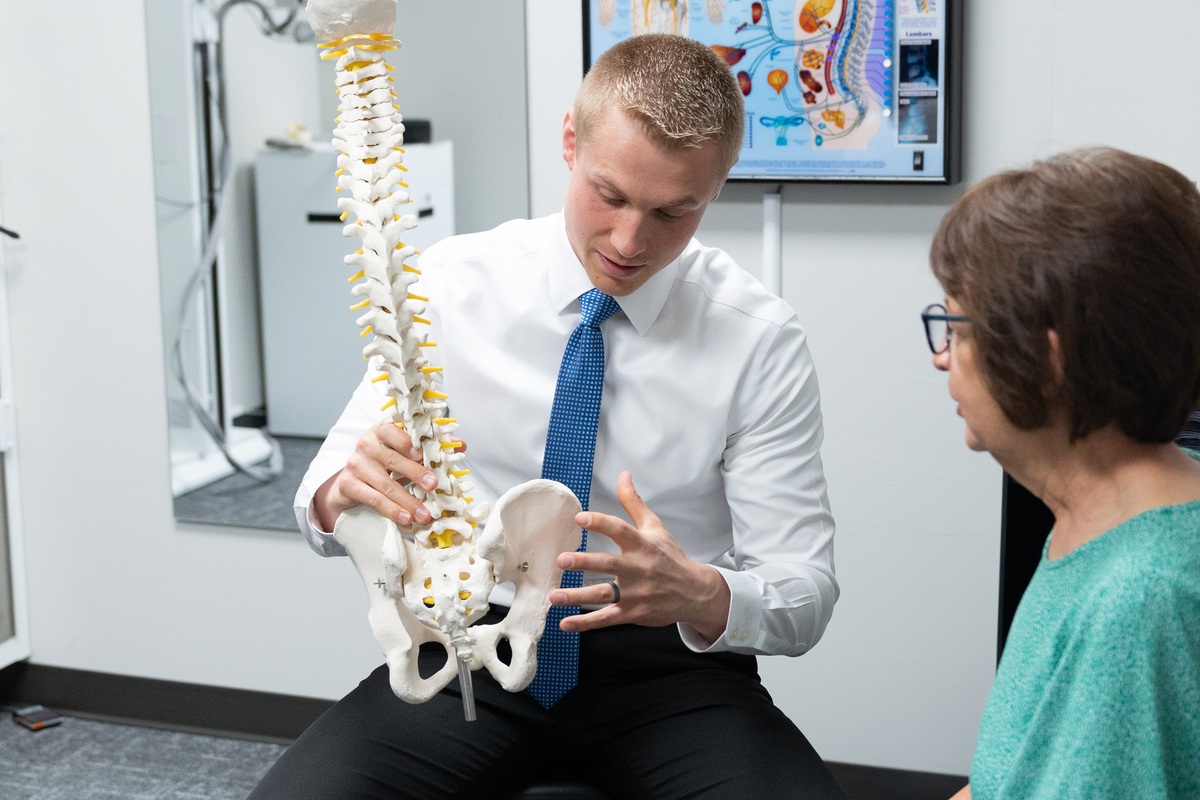
Chiropractic care is one of the most well-studied conservative approaches to back pain management. Evidence from organizations like the Cochrane Library and the National Center for Complementary and Integrative Health (NCCIH) indicates that spinal manipulation can be an effective option for reducing pain and improving function in patients with acute and chronic low back pain. It’s non-invasive, drug-free, and focused on restoring the body’s natural movement and alignment.
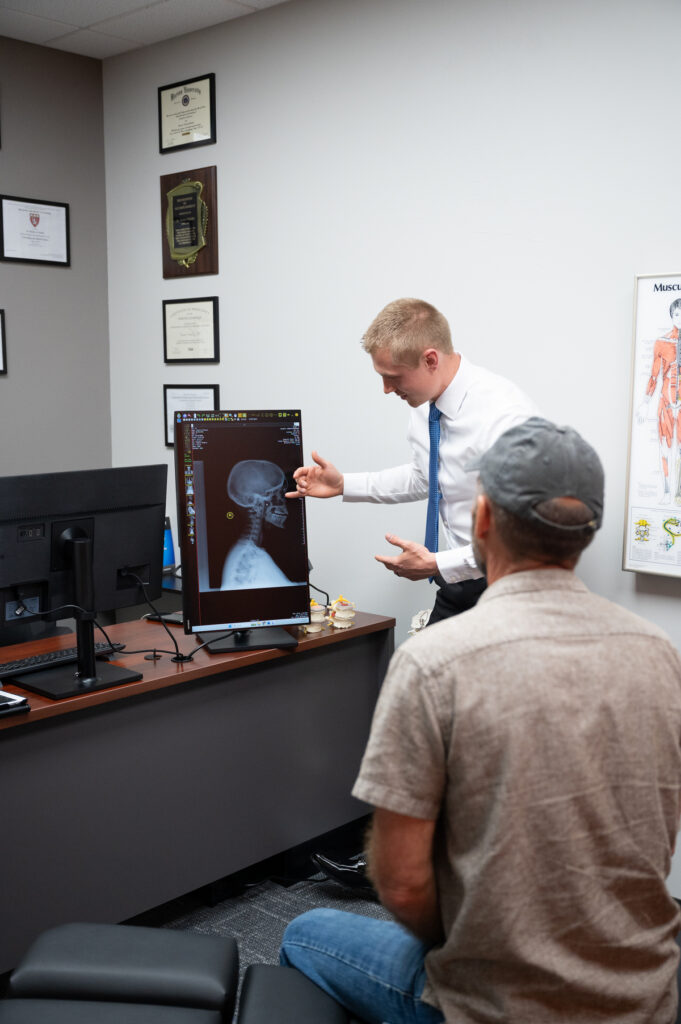
At 920 Chiropractic Health & Injury Care in Green Bay, WI, Dr. Hunter Schultz takes a thorough, individualized approach to every patient. That means a comprehensive evaluation of your spine, posture, movement patterns, and history before any care begins. The goal isn’t just to reduce pain; it’s to understand what’s driving the pain and address it at its source. For many patients, that source has more to do with how they move, how they sit, and how their spine is aligned than with a structural problem that requires surgery.
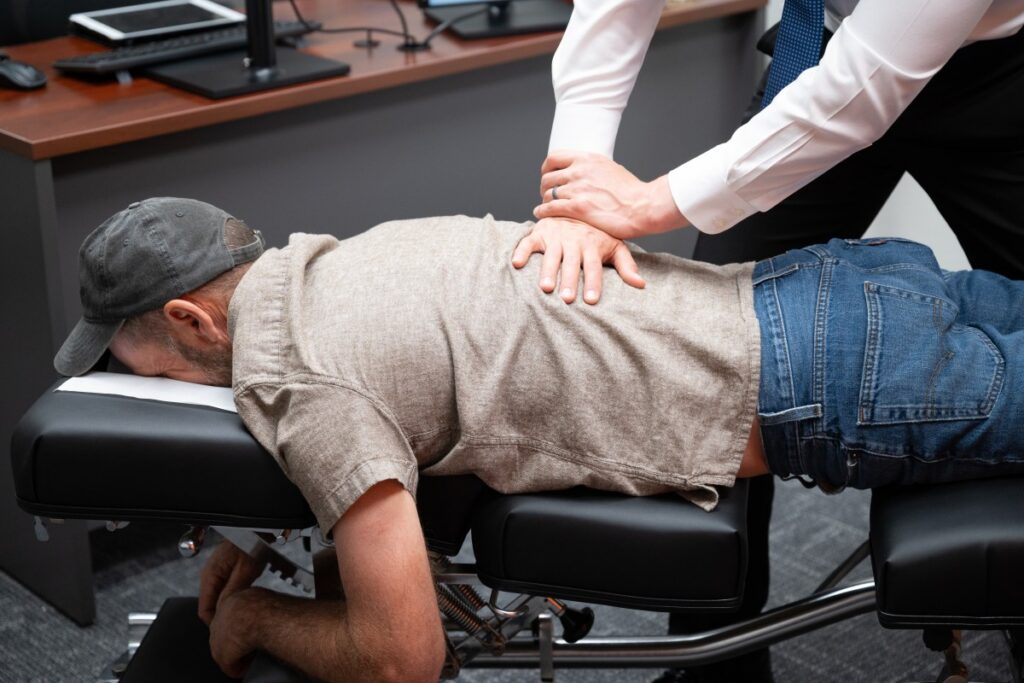
Chiropractic adjustments help restore normal joint mobility, reduce nerve irritation, and improve the communication between the spine and nervous system. This can lead to meaningful improvements in pain levels, range of motion, and overall quality of life. Combined with guidance on posture, ergonomics, and targeted movement strategies, chiropractic care gives the body the best possible chance to heal on its own terms.
Practical Tips for Managing Back Pain Without Surgery
If you’re dealing with back pain right now and wondering what you can do, there are several well-supported, safe strategies that can make a meaningful difference while you’re being evaluated and treated.
First and foremost, stay as active as you reasonably can. Bed rest was once the standard recommendation for back pain, but research has since shown that gentle, appropriate movement, like walking, light stretching, and staying mobile, tends to produce better outcomes than complete rest. Movement encourages blood flow to the spinal discs and helps prevent the muscular deconditioning that can worsen pain over time.
Pay attention to your posture and workstation setup, especially if you work at a desk. Prolonged sitting in a poor position places significant strain on the lumbar spine. Investing in ergonomic support, taking short movement breaks every 30 to 60 minutes, and being mindful of how you lift and carry objects can protect your spine from unnecessary stress.
Sleep position matters more than most people realize. Sleeping on your back with a pillow under your knees, or on your side with a pillow between your knees, can reduce the compressive load on the lumbar spine overnight. Stomach sleeping tends to increase lumbar extension stress and is generally not recommended for those with low back pain.
Managing stress and getting adequate sleep are also underrated components of back pain recovery. The nervous system plays a significant role in how pain is processed and amplified, and chronic stress can heighten pain sensitivity. A well-rounded approach to your overall health supports your spine’s healing process more than most people expect.
When to See a Chiropractor First
If you’ve been dealing with back pain, whether it came on suddenly after an injury or has been slowly building over months, seeing a chiropractor before considering surgery is a smart, evidence-supported first step. The earlier you address back pain with conservative care, the better your outcomes tend to be. Waiting and hoping the pain resolves on its own can sometimes allow underlying issues to become more entrenched.
You should consider scheduling an evaluation at 920 Chiropractic Health & Injury Care if your back pain has lasted more than a few days, is interfering with your daily activities, is accompanied by pain that radiates into the leg or hip, or has returned after a previous episode. Dr. Hunter Schultz can evaluate your condition thoroughly and help determine whether chiropractic care is the right fit — or whether additional imaging or a referral is warranted.
Keep in mind the red flags that require immediate medical attention rather than a chiropractic appointment: loss of bladder or bowel control, fever accompanying back pain, back pain following significant trauma, or progressive neurological symptoms like worsening leg weakness. These should prompt a trip to the emergency room or an urgent care visit first.
Chiropractic Care vs. Surgery: A Conservative Care Comparison
Factor |
Chiropractic Care |
Spinal Surgery |
|---|---|---|
|
Invasiveness |
Non-invasive, hands-on therapy |
Invasive surgical procedure |
|
Recovery Time |
Minimal to none; most resume normal activities quickly |
Can range from weeks to months depending on procedure |
|
Risk Profile |
Very low risk when properly administered |
Carries surgical risks including infection, nerve damage, failed back surgery syndrome |
|
Best Suited For |
Acute and chronic back pain, herniated discs, nerve irritation, postural issues |
Structural emergencies, severe nerve compression with functional loss, failed conservative care |
|
Drug Use |
Drug-free approach |
Requires anesthesia, often post-surgical pain medication |
|
Whole-Body Focus |
Addresses posture, movement, nervous system function |
Focused on specific structural repair |
|
Recommended As |
First-line conservative treatment |
Last resort after conservative care has been exhausted |
Final Thoughts from 920 Chiropractic Health & Injury Care
Back pain can feel overwhelming, especially when you’re not sure what’s causing it or what to do next. Here in Green Bay, WI, our goal at 920 Chiropractic Health & Injury Care is to help you understand your body, your options, and your path forward. Dr. Hunter Schultz and our team are committed to providing honest, thorough, individualized care that puts your long-term well-being at the center of every decision.
Surgery is a real and sometimes necessary option, but for the vast majority of back pain patients, it’s one that should come only after conservative care has been genuinely and fully explored. You deserve to have those options explained clearly and compassionately, without pressure or fear. If you’re living with back pain in the Green Bay area and wondering where to start, we’d be glad to sit down with you, evaluate your situation, and help you build a plan that makes sense for your life.
You don’t have to figure this out alone. The team at 920 Chiropractic Health & Injury Care is here to help — every step of the way.
Frequently Asked Questions
How long should I try conservative care before considering back surgery?
Most clinical guidelines suggest that conservative care should be tried for at least six to twelve weeks before surgery is discussed for non-emergency conditions. This timeframe allows enough time for treatments like chiropractic care, physical therapy, and anti-inflammatory strategies to produce meaningful results. Your chiropractor and primary care provider can help guide that timeline based on your specific condition.
Can chiropractic care help after back surgery?
In many cases, yes. Post-surgical chiropractic care, when cleared by the surgical team, can help restore mobility, address compensatory patterns, and support overall spinal health in the surrounding areas. Every post-surgical case is unique, and Dr. Hunter Schultz would evaluate your specific situation before making any recommendations.
What types of back pain respond best to chiropractic care?
Chiropractic care has the strongest evidence for acute and chronic low back pain, including pain associated with herniated discs, muscle strain, joint dysfunction, and nerve irritation. It can also be effective for certain types of sciatica and pain related to postural or ergonomic issues.
Is back surgery ever truly urgent?
Yes. Cauda equina syndrome, which can cause loss of bladder or bowel control, saddle area numbness, and rapid leg weakness, is a surgical emergency that requires immediate intervention. If you experience these symptoms, go to the emergency room right away rather than waiting for a chiropractic or primary care appointment.
How do I know if my back pain is serious enough to warrant imaging?
Not all back pain requires imaging right away. Your chiropractor will assess your symptoms, history, and physical findings to determine whether an MRI or X-ray is indicated. Red flags, like unintended weight loss, fever, history of cancer, or progressive neurological symptoms, typically warrant earlier imaging.
Does chiropractic care require a doctor’s referral in Wisconsin?
In Wisconsin, patients can generally access chiropractic care directly without a referral, making it an easy and accessible first step when back pain strikes. You can contact 920 Chiropractic Health & Injury Care in Green Bay, WI to schedule an evaluation and get started on a plan that’s right for you.
TL;DR Summary
-
Most back pain — even from herniated discs or degenerative conditions — can be managed effectively without surgery through conservative care like chiropractic treatment, movement, and lifestyle changes.
-
Surgery is most appropriate when a confirmed structural problem causes significant functional loss and has not responded to at least six to twelve weeks of conservative care.
-
Certain red flag symptoms, like loss of bladder or bowel control or rapid leg weakness, are medical emergencies that require immediate surgical evaluation.
-
Dr. Hunter Schultz at 920 Chiropractic Health & Injury Care in Green Bay, WI provides individualized, non-invasive care designed to address back pain at its source before surgery is ever considered.
-
Staying active, maintaining good posture, and seeking early evaluation are some of the most important things you can do to improve your back pain outcomes.