


Shoulder pain has a way of sneaking into every part of your day. Whether it’s the ache you feel when reaching for something on a high shelf, the stiffness that greets you every morning, or the sharp twinge that interrupts a good night’s sleep, shoulder pain is hard to ignore. Here in Green Bay, WI, many of our patients at 920 Chiropractic Health & Injury Care come through the door with shoulder discomfort that has been building for weeks — sometimes months — before they finally decide to seek help. If that sounds familiar, you’re not alone, and more importantly, you don’t have to keep pushing through it.
The good news is that chiropractic care offers a non-invasive, drug-free approach to shoulder pain that focuses on the root cause rather than just masking the discomfort. Dr. Hunter Schultz and the team at 920 Chiropractic Health & Injury Care in Green Bay are committed to helping the community understand what’s driving their shoulder pain and what can realistically be done about it. This article breaks it all down — clearly, honestly, and in plain language.
What is shoulder pain, and why does it happen?
Shoulder pain is discomfort, stiffness, or reduced mobility in or around the shoulder joint. It can stem from muscle imbalances, joint dysfunction, nerve irritation, postural strain, or injury — and chiropractic care is well-positioned to evaluate and address many of these underlying contributors.
Understanding the Anatomy Behind Shoulder Pain
The shoulder is one of the most mobile joints in the human body. That remarkable range of motion — the ability to reach overhead, behind your back, and across your body — comes at a cost. The shoulder sacrifices stability in exchange for flexibility, which means it relies heavily on surrounding muscles, tendons, and ligaments to stay in place and function properly.
At the core of shoulder function is the rotator cuff, a group of four muscles and their tendons that wrap around the ball-and-socket joint of the shoulder. These muscles work together to stabilize the shoulder and control its movement. When any part of this system is strained, compressed, or imbalanced, pain and dysfunction follow.
What many people don’t realize is how closely the shoulder is connected to the neck and upper back. The cervical spine — the seven vertebrae in your neck — houses nerves that travel down into the shoulder, arm, and hand. When these vertebrae become restricted or irritated, the resulting nerve signals can create pain that feels like it originates entirely in the shoulder, even when the source is elsewhere. This is one reason why a chiropractor’s whole-body, spine-centered approach is so valuable when evaluating shoulder pain.
Common Causes of Shoulder Pain
Shoulder pain doesn’t have a single cause, and that’s actually important to understand. Dr. Hunter Schultz at 920 Chiropractic Health & Injury Care frequently reminds patients that identifying the specific driver of their pain is the critical first step toward effective care. Here are some of the most common contributors to shoulder pain seen in chiropractic practice.
Rotator cuff strain or irritation is among the most frequent causes. Repeated overhead movements, lifting, or sleeping on the same side for extended periods can overload the rotator cuff muscles and create micro-tears, inflammation, or chronic tightness that progressively limits motion.
Poor posture and rounded shoulders are increasingly common in today’s desk-heavy, screen-focused lifestyle. When the upper back rounds forward — a position called thoracic kyphosis — the shoulder blades shift out of their optimal position. This creates abnormal stress on the shoulder joint and can lead to a condition called shoulder impingement, where soft tissues get pinched with every arm movement.
Cervical nerve irritation from the neck or upper back can radiate pain down into the shoulder region. Many patients in Green Bay who come in thinking they have a “pure” shoulder problem actually have a neck component that is contributing to or even causing their symptoms. This is why a thorough evaluation is so important.
Injury and trauma — from car accidents, sports, or falls — can cause acute damage to the shoulder’s muscles, tendons, or joint capsule. Even minor injuries that aren’t addressed properly can lead to chronic tightness and compensatory movement patterns over time.
Signs and Symptoms Worth Paying Attention To
Shoulder pain can show up in many different ways, and the specific pattern of your symptoms can offer important clues about what’s going on underneath the surface. At 920 Chiropractic Health & Injury Care, Dr. Hunter Schultz conducts a detailed assessment that looks at the full picture of what a patient is experiencing — not just the location of pain, but its quality, timing, and triggers.
Some of the most telling signs include a dull, persistent ache that worsens with overhead reaching or lifting; sharp pain when moving the arm in certain directions; stiffness in the morning that gradually loosens up throughout the day; pain that disrupts sleep, especially when lying on the affected side; and weakness or a sense of instability when using the arm.
Symptoms that travel down the arm into the elbow, forearm, or hand — particularly if accompanied by tingling or numbness — can suggest nerve involvement and deserve prompt evaluation. These types of symptoms are not something to wait out or hope will resolve on their own.
How Chiropractic Care Fits Into Your Recovery
Chiropractic care is a hands-on, conservative approach to musculoskeletal pain that aims to restore proper joint function, reduce nerve irritation, and support the body’s natural healing process. For shoulder pain specifically, chiropractic care is well-suited to address many of the most common contributing factors.
When you visit 920 Chiropractic Health & Injury Care in Green Bay, Dr. Hunter Schultz begins with a comprehensive evaluation. This includes reviewing your health history, assessing your posture and range of motion, testing the strength and function of the shoulder and surrounding areas, and identifying any spinal components that might be contributing to your symptoms. This thoroughness matters because treating the wrong thing — or treating only part of the problem — leads to incomplete results.
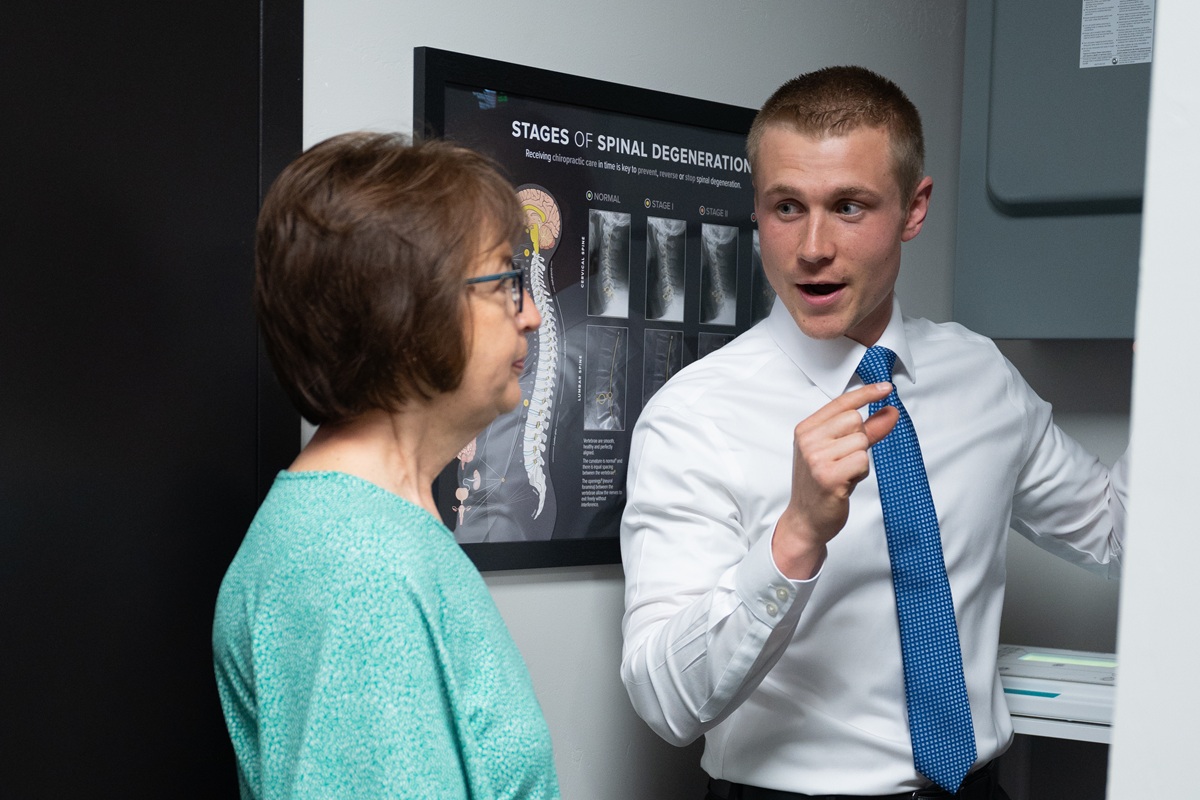
Chiropractic adjustments to the cervical spine and thoracic spine can help restore normal joint movement and reduce pressure on the nerves that supply the shoulder and arm. When the joints of the neck and mid-back are moving freely and symmetrically, the shoulder often responds positively — even when the shoulder joint itself hasn’t been directly treated. This is the interconnected nature of the musculoskeletal system at work.
In addition to spinal adjustments, chiropractic care for shoulder pain may incorporate soft tissue therapies to address muscle tightness and trigger points, targeted rehabilitative exercises to strengthen the rotator cuff and stabilizing muscles, and ergonomic guidance to reduce the daily strain that may be perpetuating the problem. The goal is always to get you moving better and feeling better — without drugs, without surgery, and without unnecessary interventions.
Evidence from organizations like the American Chiropractic Association and research reviewed by the NIH’s National Center for Complementary and Integrative Health suggests that chiropractic care can be a beneficial component of conservative care for musculoskeletal shoulder conditions. While individual results vary, many patients experience meaningful improvement in pain levels and function through chiropractic treatment.
Practical Tips for Managing Shoulder Pain at Home
While professional evaluation and care are important, there are meaningful things you can do between visits — or even before your first appointment — to support your shoulder health. These are general recommendations that align with sound biomechanical and wellness principles.
First, pay attention to your sleeping position. Sleeping on the affected shoulder can compress the joint and its surrounding tissues for hours at a time, significantly slowing recovery. Sleeping on your back with a supportive pillow, or on the opposite side with a pillow between your arms for support, can reduce nighttime strain.
Second, take an honest look at your workstation setup. If you’re spending long hours at a desk, check that your monitor is at eye level, your keyboard allows your arms to rest at a comfortable angle, and your chair supports an upright, non-slouched posture. Forward head posture and rounded shoulders at a desk are among the most consistent contributors to shoulder tension that Dr. Hunter Schultz sees in Green Bay patients.
Third, move your shoulder through gentle, pain-free range of motion each day. Prolonged immobility causes the joint to stiffen further. Gentle circles, pendulum exercises, and slow arm raises — as long as they don’t produce sharp pain — can help maintain mobility while the area heals.
When to See a Chiropractor for Shoulder Pain
One of the most common questions people ask is: when is the right time to seek care? The honest answer is that it’s rarely too early. Many patients at 920 Chiropractic Health & Injury Care tell us they wish they hadn’t waited as long as they did. Early evaluation often means faster resolution and less likelihood of developing compensatory movement patterns that create secondary problems in the neck, elbow, or upper back.
It’s a good idea to seek chiropractic evaluation if your shoulder pain has lasted more than one to two weeks without improvement; if the pain is interfering with sleep, work, or daily activities; if you notice your range of motion decreasing over time; or if you’ve recently experienced a fall, sports injury, or car accident that involved the shoulder or neck.
There are also situations that require prompt medical attention rather than chiropractic care as a first step. If you experience sudden, severe shoulder pain following an injury that may involve a fracture or dislocation, visible deformity of the joint, signs of infection such as fever and warmth over the joint, or chest pain that radiates to the shoulder — particularly on the left side — please seek emergency medical care immediately. A good chiropractor will always refer out when the situation calls for it, and that’s exactly the standard of care you’ll find at 920 Chiropractic Health & Injury Care.
Treatment Approaches: How They Compare
|
Approach |
Invasiveness |
Addresses Root Cause |
Common Use |
Potential Considerations |
|---|---|---|---|---|
|
Chiropractic Care |
Non-invasive |
Yes — focuses on joint function, posture, and nerve interference |
Musculoskeletal shoulder pain, postural strain, neck-related shoulder symptoms |
Multiple visits often needed; best results with patient participation |
|
Pain Medication (OTC/Rx) |
Non-invasive |
No — symptom management only |
Short-term pain relief |
Does not address underlying cause; potential side effects with prolonged use |
|
Physical Therapy |
Non-invasive |
Partially — focuses on strengthening and movement |
Rehabilitation after injury or surgery |
May complement chiropractic care well; typically exercise-focused |
|
Cortisone Injection |
Minimally invasive |
No — reduces inflammation temporarily |
Moderate-to-severe inflammation, bursitis |
Temporary relief; repeated use may have tissue effects |
|
Surgery |
Invasive |
Yes — for structural damage (tears, impingement) |
Significant rotator cuff tears, severe impingement |
Recovery time; reserved for cases where conservative care has not succeeded |
Myths vs. Facts About Chiropractic Care for the Shoulder
Myth: Chiropractors only treat the back and neck — not the shoulder.
Fact: Chiropractors are trained to evaluate and treat the entire musculoskeletal system, including the shoulder joint and the surrounding soft tissues. While spinal adjustments play a central role, chiropractic care for shoulder pain often involves hands-on work with the shoulder itself, combined with addressing any spinal contributions to the problem. Dr. Hunter Schultz takes a full-body approach to every evaluation.
Myth: If your shoulder hurts, you should rest it completely and avoid all movement.
Fact: Complete immobilization of a painful shoulder can actually make things worse over time. Extended rest without movement leads to stiffness and muscle deconditioning. Guided, gentle movement — appropriate to the stage of healing — is generally encouraged in conservative shoulder care. The key is moving within a pain-free or tolerable range rather than pushing through sharp pain.
Myth: Shoulder pain always requires an MRI or imaging before treatment can begin.
Fact: Many cases of shoulder pain can be assessed and managed effectively through a thorough physical and orthopedic examination. Imaging is an important tool in certain situations — particularly when there is significant trauma or when conservative care is not producing results — but it is not always the first step. A skilled clinician can gather a tremendous amount of information through hands-on assessment alone.
Myth: Chiropractic adjustments are dangerous and could injure the shoulder further.
Fact: Chiropractic care is widely recognized as a safe, conservative option for musculoskeletal conditions when performed by a licensed professional following a proper evaluation. Dr. Hunter Schultz adapts every treatment to the individual patient’s condition, avoiding techniques that are contraindicated given the specific presentation. Safety and patient comfort are always the first priority at 920 Chiropractic Health & Injury Care.
Myth: Shoulder pain will eventually just go away on its own.
Fact: While some minor strains do resolve with time and rest, many shoulder conditions become chronic when left unaddressed. Compensation patterns — where you unconsciously shift movement to protect the painful area — can lead to new problems in the neck, opposite shoulder, or upper back. Seeking early evaluation gives you the best chance of a full, lasting recovery.
Final Thoughts from 920 Chiropractic Health & Injury Care
Shoulder pain is common, but it isn’t something you simply have to live with. Here in Green Bay, WI, Dr. Hunter Schultz and the team at 920 Chiropractic Health & Injury Care are here to help you understand what’s driving your discomfort and to build a care plan that makes sense for your body, your lifestyle, and your goals.
Chiropractic care isn’t about quick fixes or temporary patches. It’s about looking at the whole picture — your posture, your spine, your movement patterns, your daily habits — and making real, meaningful improvements that support long-term shoulder health. Whether your pain started last week after a workout or has been lingering for months, it’s worth having a conversation with a professional who can give you real answers.
If you’re searching for shoulder pain relief near you in Green Bay, we’d encourage you to take that first step. The team at 920 Chiropractic Health & Injury Care is ready to listen, evaluate, and help you move forward — without pressure, without judgment, and with your best health in mind.
Frequently Asked Questions
Can a chiropractor actually help with shoulder pain, or should I go straight to an orthopedist?
For many types of shoulder pain — especially those related to posture, muscle imbalance, joint restriction, or nerve irritation — chiropractic care is an appropriate and effective first step. Orthopedic referral is recommended when there is significant structural damage, suspected fracture, or when conservative care has not produced adequate improvement. Chiropractors like Dr. Hunter Schultz are trained to identify when a referral is warranted.
How many chiropractic visits will it take to see improvement in my shoulder?
This varies significantly depending on the nature and duration of the problem. Some patients notice meaningful improvement within a few visits, while more chronic or complex cases may require a longer course of care. Dr. Hunter Schultz will give you a realistic assessment of what to expect based on your specific presentation.
Is shoulder pain from a car accident something a chiropractor can treat?
Yes. Whiplash and car accident injuries often involve the neck, upper back, and shoulders simultaneously. Chiropractic care is commonly used to address the musculoskeletal effects of auto injuries, including shoulder pain resulting from the force of impact or airbag deployment. A thorough post-accident evaluation is strongly recommended, even if symptoms seem mild initially.
What’s the difference between shoulder impingement and a rotator cuff tear?
Shoulder impingement occurs when soft tissues — tendons or bursa — are compressed within the shoulder joint with certain movements, causing pain and irritation. A rotator cuff tear involves an actual structural break in one or more of the rotator cuff tendons. Impingement is often manageable with conservative care, while significant tears may require imaging and sometimes surgical consultation. Proper evaluation is essential to distinguish between the two.
Can poor posture really cause shoulder pain?
Absolutely. Rounded shoulders and forward head posture alter the biomechanics of the entire shoulder girdle, placing abnormal stress on the rotator cuff and surrounding structures. Over time, this postural pattern can contribute to impingement, muscle tightness, and chronic shoulder discomfort. Addressing posture is one of the core components of chiropractic care for shoulder-related complaints.
Does chiropractic care for shoulder pain hurt?
Most patients find chiropractic treatment to be comfortable, and Dr. Hunter Schultz always tailors techniques to each patient’s tolerance and condition. Some mild soreness after an initial visit is not uncommon — similar to how muscles feel after exercise — but sharp or worsening pain following a treatment is not expected and should be communicated immediately.
TL;DR — Key Takeaways
-
Shoulder pain often involves a combination of muscle imbalance, joint dysfunction, and nerve irritation — and chiropractic care is well-equipped to address all three.
-
The shoulder’s connection to the cervical spine and upper back means that neck and mid-back problems frequently contribute to shoulder symptoms, making a whole-body evaluation essential.
-
Dr. Hunter Schultz at 920 Chiropractic Health & Injury Care in Green Bay, WI offers comprehensive, individualized care aimed at finding and treating the root cause of your shoulder pain.
-
Early evaluation leads to better outcomes — waiting too long can allow compensation patterns to develop and make recovery more complicated.
-
Chiropractic care is a safe, non-invasive, drug-free option that works alongside the body’s natural healing ability rather than suppressing symptoms with medication.




