
Neck pain is one of the most common complaints we hear about here in Green Bay, WI — and in many cases, it’s not caused by an injury or accident. It’s caused by the way we sit, work, and move throughout our daily lives. If you’ve noticed a stiff neck after a long day at the desk, or a dull ache that seems to build up by mid-afternoon, there’s a good chance your workspace setup — your ergonomics — is playing a significant role. The good news is that this type of neck pain is highly addressable, and understanding the connection between poor ergonomics and neck discomfort is the first step toward feeling better.
What Is Ergonomic Neck Pain?
Ergonomic neck pain refers to neck discomfort, stiffness, or tension that develops as a result of sustained poor posture, repetitive movements, or poorly designed workstation setups. It’s not a sudden injury — it’s a gradual process where your muscles, joints, and spinal structures are put under low-level but consistent stress over time. Left unaddressed, it can become a chronic problem that affects your quality of life, concentration, and mobility.
What Causes Neck Pain from Poor Ergonomics?
To understand why bad ergonomics hurts your neck, it helps to picture what’s actually happening inside your body. Your head weighs somewhere in the range of 10 to 12 pounds when it’s balanced directly over your spine. But as your head tilts forward — even just a few inches — the effective load your neck muscles have to support increases dramatically. That kind of sustained mechanical stress adds up quickly over the course of a workday.
Here in Green Bay, many of the patients who come to see Dr. Hunter Schultz at 920 Chiropractic Health & Injury Care spend eight or more hours a day at a computer. Whether they’re working from home, in an office, or switching between devices throughout the day, the body pays a price when the workstation isn’t set up correctly. The most common ergonomic issues we see contributing to neck pain include monitors positioned too low or too far to the side, chairs that don’t support proper spinal alignment, and prolonged phone use — especially when the phone is held between the ear and shoulder.
Another major contributing factor is what many people call “tech neck” or “forward head posture.” This happens when you habitually tilt your chin down to look at a phone, tablet, or low screen. Over time, this position reshapes the muscle patterns in your neck and upper back, tightening some muscles while weakening others. The result is a cycle of tension, imbalance, and discomfort that keeps reinforcing itself unless something changes.
Repetitive strain also plays a role. Typing without proper wrist and arm support, reaching across a desk to use a mouse, or turning your head repeatedly in one direction during video calls can all create muscle fatigue and joint irritation in the cervical spine — the seven vertebrae that make up the neck region.
Signs and Symptoms to Watch For
Ergonomic-related neck pain doesn’t always show up as a sharp, sudden pain. More often, it starts subtly and builds over time. One of the most telling signs is that your discomfort is worse at the end of a workday and eases somewhat after rest — though it may return the next morning when you sit back down at your desk.
Common symptoms associated with neck pain from poor ergonomics include a dull, persistent ache in the neck or upper shoulders, stiffness that limits how far you can turn your head, tension headaches that originate at the base of the skull, and a general feeling of fatigue or heaviness in the neck and upper back. Some patients also describe a clicking or grinding sensation when they move their neck, which can be related to joint irritation or muscle tension.
In more advanced cases, poor ergonomics can contribute to nerve irritation. This may cause tingling, numbness, or a radiating discomfort that travels down the shoulder or arm. If you’re experiencing these kinds of symptoms, it’s especially important to have your spine evaluated by a qualified professional. Dr. Hunter Schultz and the team at 920 Chiropractic Health & Injury Care in Green Bay, WI are experienced in identifying the source of these patterns and helping patients understand what’s going on.
It’s also worth noting that the psychological component matters. Chronic neck discomfort can interfere with sleep, increase irritability, and make it harder to focus. Recognizing these symptoms early — before they become severe or constant — gives you the best opportunity to address them effectively.
How Chiropractic Care Can Help
Chiropractic care is a natural, non-invasive approach to musculoskeletal health that focuses on restoring proper alignment, movement, and function to the spine and surrounding structures. For neck pain related to poor ergonomics, chiropractic care can be a highly effective part of a conservative care plan. Evidence from organizations like the American Chiropractic Association and research reviewed by NCCIH suggests that spinal manipulation and chiropractic therapies have been shown to help reduce neck pain and improve function in many patients.
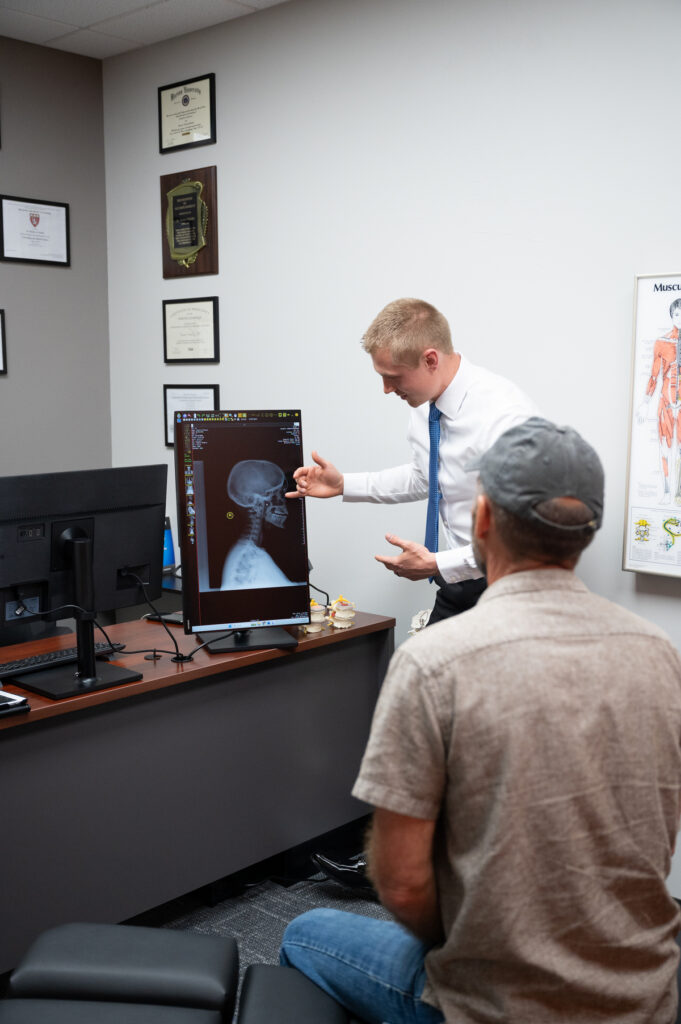
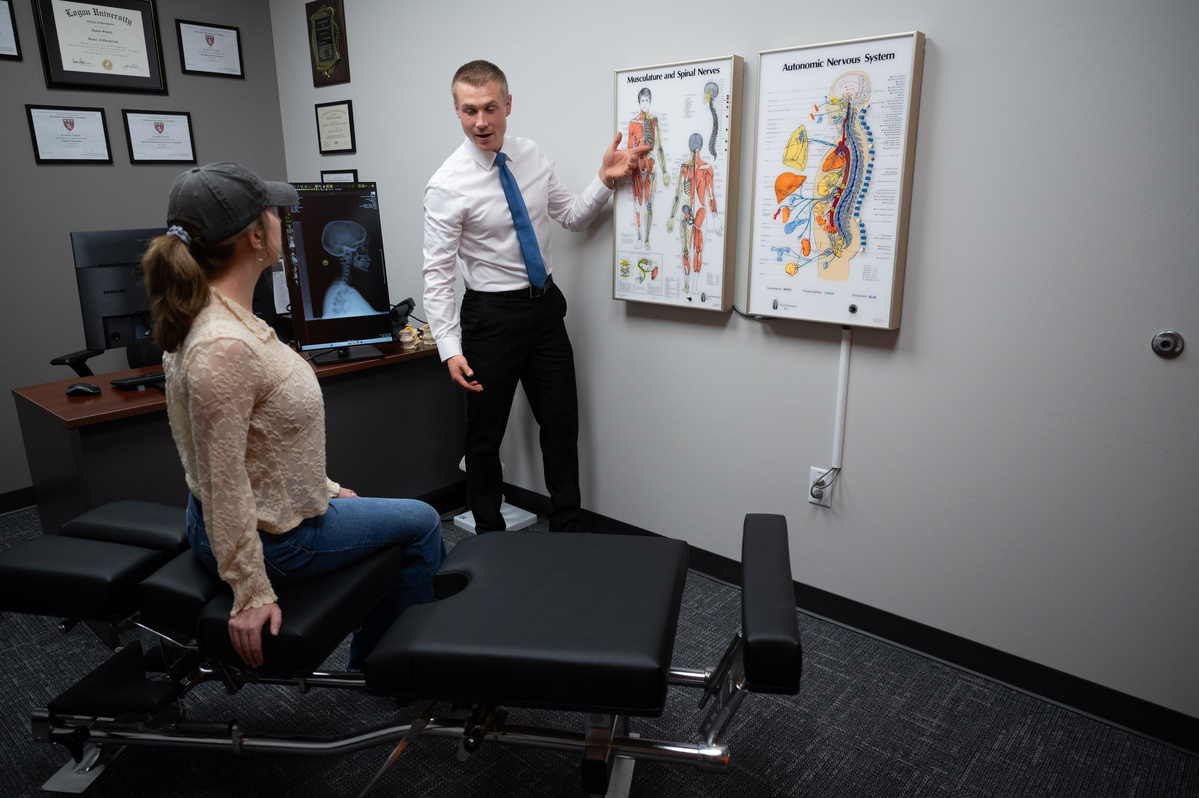
When you visit 920 Chiropractic Health & Injury Care, Dr. Hunter Schultz begins with a thorough evaluation. This includes a detailed health history, a postural assessment, and an examination of the range of motion in your neck and upper spine. The goal is to identify any areas of restriction, misalignment, or muscular imbalance that may be contributing to your pain. From there, a personalized care plan is developed based on your specific needs — not a one-size-fits-all approach.
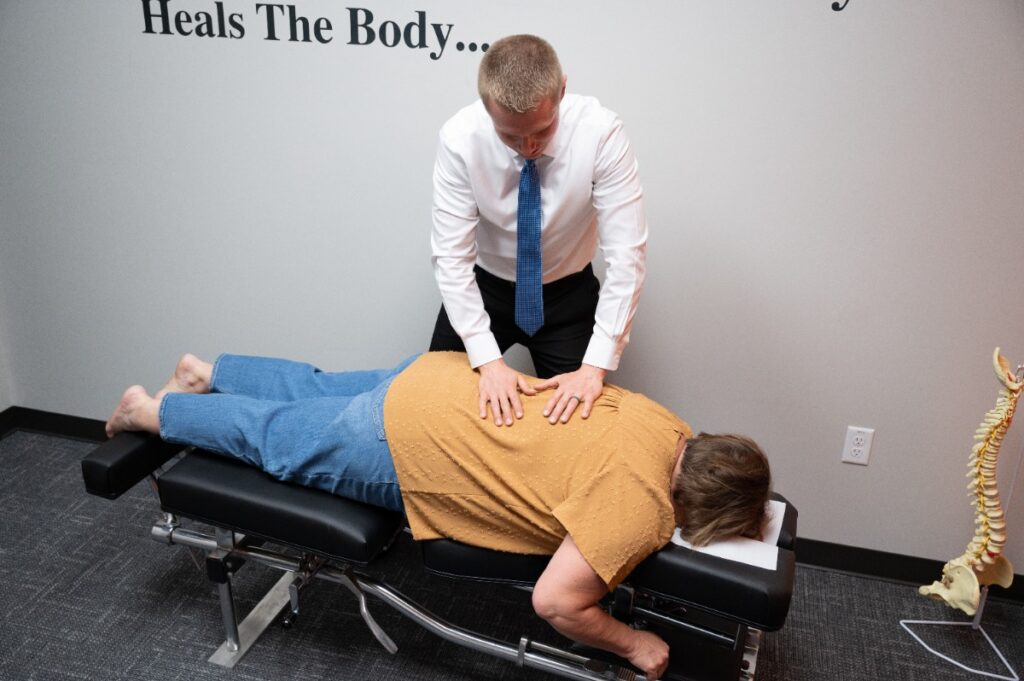
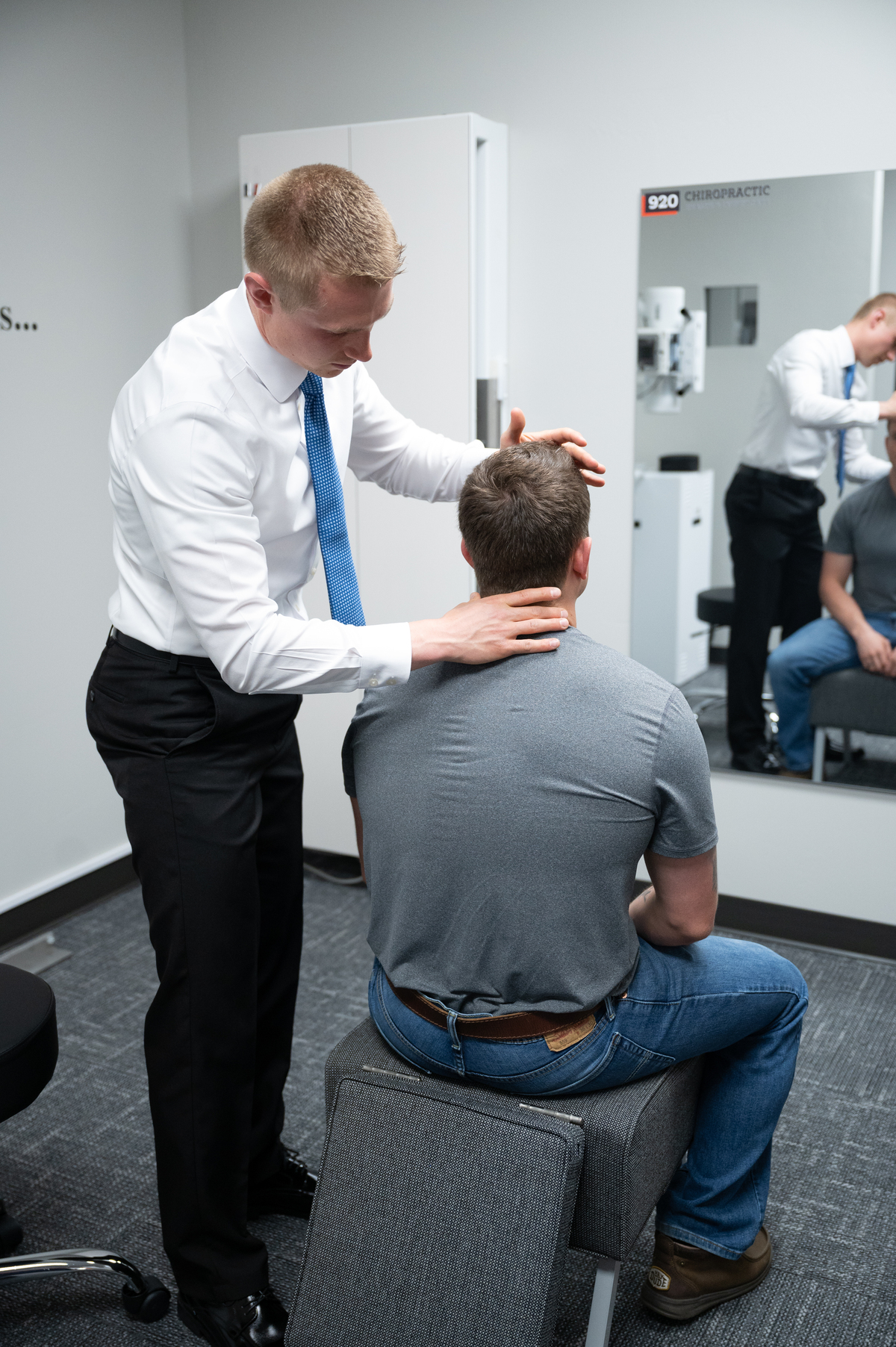
Chiropractic adjustments to the cervical spine can help restore proper joint motion and reduce nerve irritation. When joints in the neck become restricted or move poorly, surrounding muscles often compensate by tightening up, which adds to pain and stiffness. Gentle, targeted adjustments can help break that cycle and restore a more natural range of motion. Many patients notice an improvement in how their neck moves and feels after just a few visits, though the timeline varies depending on how long the problem has been present and the individual’s overall health.
Beyond adjustments, chiropractic care often incorporates intersegmental traction, spinal decompression therapy, and ergonomic counseling. At 920 Chiropractic in Green Bay, the approach is collaborative and educational. Dr. Hunter Schultz doesn’t just treat the symptoms — he works with patients to understand and correct the habits and setups that are driving the problem in the first place. That’s a meaningful difference when the root cause is something you return to every single day at work.
Practical Ergonomic Tips You Can Use Today
Making even small changes to your workspace can have a real impact on how your neck feels over time. One of the simplest adjustments is raising your monitor so the top of the screen is at or just below eye level. This encourages a more neutral head position and reduces the tendency to tilt your chin forward or downward. If you use a laptop as your primary workstation, consider pairing it with an external keyboard and mouse so you can raise the screen without forcing your wrists into an uncomfortable position.
Chair height and back support matter more than most people realize. Your feet should be flat on the floor, your knees at roughly a 90-degree angle, and your lower back supported by the chair’s lumbar region. When the lower spine is poorly supported, it creates a chain reaction that affects the upper back and neck. A small lumbar cushion can make a surprisingly significant difference.
Taking movement breaks is equally important. The body isn’t designed for prolonged static postures. Even a brief two-minute walk or a few gentle neck stretches every 45 to 60 minutes can reduce accumulated muscle tension significantly. Setting a timer as a reminder is a practical strategy many of Dr. Hunter Schultz’s patients in Green Bay have found helpful.
Phone habits deserve attention too. Try to hold your phone at eye level rather than looking down at it. If you’re frequently on calls, use a hands-free headset or earbuds rather than cradling the phone between your ear and shoulder. These small changes, practiced consistently, can make a genuine difference in your daily comfort level.
When to See a Chiropractor
If your neck discomfort has been present for more than a few days, is interfering with your sleep or daily activities, or isn’t responding to basic self-care like movement breaks and posture corrections, it’s a good time to seek a professional evaluation. Chiropractors are trained to assess the musculoskeletal causes of neck pain and to distinguish between conditions that are appropriate for conservative care and those that may require medical referral.
There are also certain symptoms that should prompt you to seek care more urgently. If your neck pain is accompanied by numbness, tingling, or weakness in your arms or hands, severe headaches, dizziness, or difficulty with balance, these warrant prompt evaluation — either with a chiropractor or your primary care physician. These types of symptoms may indicate nerve involvement or other conditions that need careful assessment.
For most people experiencing ergonomic neck pain, the situation is very manageable with the right guidance and care. The team at 920 Chiropractic Health & Injury Care in Green Bay, WI welcomes patients at all stages — whether you’re dealing with a mild nagging stiffness or a more significant, persistent problem. Early evaluation tends to lead to faster and more complete recovery.
Ergonomic Mistakes vs. Corrections
|
Common Ergonomic Mistake |
Recommended Correction |
Why It Matters for Your Neck |
|---|---|---|
|
Monitor positioned too low |
Raise screen so top is at or just below eye level |
Prevents forward head tilt and reduces cervical strain |
|
Looking down at a phone or tablet |
Hold device at eye level; use voice or hands-free options |
Reduces “tech neck” and excessive load on the cervical spine |
|
No lumbar support in chair |
Use lumbar cushion or adjustable chair with back support |
Supports the lower spine which directly influences upper back and neck posture |
|
Cradling phone between ear and shoulder |
Use a headset, earbuds, or speakerphone |
Eliminates lateral neck strain from sustained uneven posture |
|
Sitting for hours without breaks |
Set a timer and move for 2 minutes every 45–60 minutes |
Prevents muscle fatigue and reduces cumulative joint stress |
|
Mouse too far from body |
Keep mouse close to keyboard to avoid reaching |
Reduces shoulder and upper trap tension that can refer into the neck |
Myths vs. Facts About Neck Pain and Ergonomics
Myth: Neck pain from sitting at a desk isn’t serious enough to see a doctor.
Fact: Ergonomic neck pain that’s left unaddressed can become chronic and progressively more limiting. What starts as mild stiffness can develop into persistent pain, reduced range of motion, or even nerve-related symptoms over time. Early evaluation and conservative care is almost always preferable to waiting until the problem worsens.
Myth: Chiropractic adjustments to the neck are dangerous.
Fact: Cervical chiropractic adjustments, when performed by a licensed and trained chiropractor, are considered a safe and effective conservative treatment for many types of neck pain. Serious adverse events are rare. Dr. Hunter Schultz performs a thorough evaluation before any treatment to ensure it’s appropriate for each individual patient.
Myth: If I just strengthen my core, my neck pain will go away.
Fact: Core strength is certainly important for overall spinal health, but it doesn’t directly address restricted cervical joints, muscle imbalances in the neck and upper back, or the ergonomic habits driving the problem. A comprehensive approach — including spinal assessment, targeted exercises, and workplace modifications — tends to produce the best outcomes.
Myth: Neck pain from poor ergonomics will fix itself if I just rest more.
Fact: Rest may provide temporary relief, but if the underlying posture habits and workspace issues aren’t corrected, the pain will return — often in a progressively stronger pattern. Addressing the root cause is essential for lasting improvement.
Myth: Only older adults develop significant neck pain from desk work.
Fact: Ergonomic neck pain affects people of all ages. In fact, younger adults who spend significant time on smartphones and computers are increasingly presenting with postural neck problems. At 920 Chiropractic Health & Injury Care, Dr. Hunter Schultz regularly sees patients ranging from college students to working professionals to retirees — all dealing with variations of this very problem.
Final Thoughts from 920 Chiropractic in Green Bay
Neck pain from poor ergonomics is something that quietly affects a lot of people in our community. It often builds slowly enough that people convince themselves it’s just part of their routine — something to push through rather than something to address. But your neck health matters, and the discomfort you’re feeling is your body’s way of signaling that something needs to change.
At 920 Chiropractic Health & Injury Care in Green Bay, WI, Dr. Hunter Schultz is passionate about helping patients understand the connection between their daily habits and their physical well-being. Whether you’re new to chiropractic care or returning after time away, you’ll be met with a thorough, individualized approach — not a rushed visit and a quick adjustment. The goal is always to help you feel better in the long term, not just today.
If neck pain has been slowing you down, limiting your focus at work, or disrupting your sleep, we encourage you to take the next step. A professional evaluation is the best way to understand what’s actually going on and what can be done about it. You don’t have to just live with it.
Frequently Asked Questions
How long does it take for chiropractic care to help with ergonomic neck pain?
The timeline varies depending on how long the problem has been present, the severity of the dysfunction, and how consistently ergonomic changes are made. Some patients notice meaningful improvement within a few visits, while others with longer-standing issues may need a more extended care plan. Dr. Hunter Schultz will give you a realistic expectation based on your specific evaluation findings.
Is neck pain from desk work different from whiplash or injury-related neck pain?
Yes, in important ways. Ergonomic neck pain typically develops gradually through repetitive strain and postural stress, while injury-related neck pain results from a sudden traumatic force. Both can involve cervical joint dysfunction and muscle imbalance, but the mechanism and presentation differ. Chiropractic care can be appropriate for both, though the treatment approach may vary.
Can chiropractic care help with headaches related to neck tension?
Research suggests that chiropractic care may be beneficial for tension-type headaches and cervicogenic headaches — those that originate from the neck. If your headaches tend to start at the base of the skull and are associated with neck stiffness, there’s a good chance they’re related to cervical dysfunction that a chiropractor can evaluate and address.
Do I need an X-ray before my first chiropractic visit for neck pain?
Not always. Whether imaging is needed depends on your history, symptoms, and examination findings. At 920 Chiropractic Health & Injury Care, Dr. Hunter Schultz will determine during your initial evaluation whether any additional diagnostic information is necessary before beginning care.
Can children or teenagers develop neck pain from poor ergonomics?
Absolutely. With the widespread use of smartphones, tablets, and laptops among younger populations, postural neck problems are becoming increasingly common in teens and young adults. Early intervention and ergonomic education can make a significant positive difference in preventing long-term issues.
What’s the difference between chiropractic care and physical therapy for neck pain?
Both are conservative, non-surgical approaches that can be effective for neck pain. Chiropractic care emphasizes spinal assessment, joint manipulation, and restoring proper biomechanical function. Physical therapy tends to focus more on exercise rehabilitation and neuromuscular re-education. In many cases, the two approaches are complementary, and some chiropractors — including the team at 920 Chiropractic — incorporate rehabilitative exercises as part of their care plans.
TL;DR Summary
-
Neck pain from poor ergonomics develops gradually due to forward head posture, poorly set up workstations, and prolonged static positions — and it’s very common among desk workers in Green Bay and everywhere else.
-
Key symptoms include neck stiffness, upper shoulder tension, tension headaches, and in more advanced cases, radiating discomfort into the arm or hand.
-
Chiropractic care, including spinal adjustments, soft tissue therapy, and ergonomic counseling, offers a non-invasive approach that evidence suggests can meaningfully reduce neck pain and improve mobility.
-
Simple ergonomic corrections — like raising your monitor, using lumbar support, and taking regular movement breaks — can significantly reduce strain on the cervical spine.
-
If your neck pain has persisted for more than a few days or is affecting your daily life, a professional evaluation at 920 Chiropractic Health & Injury Care with Dr. Hunter Schultz in Green Bay, WI is a smart, proactive next step.