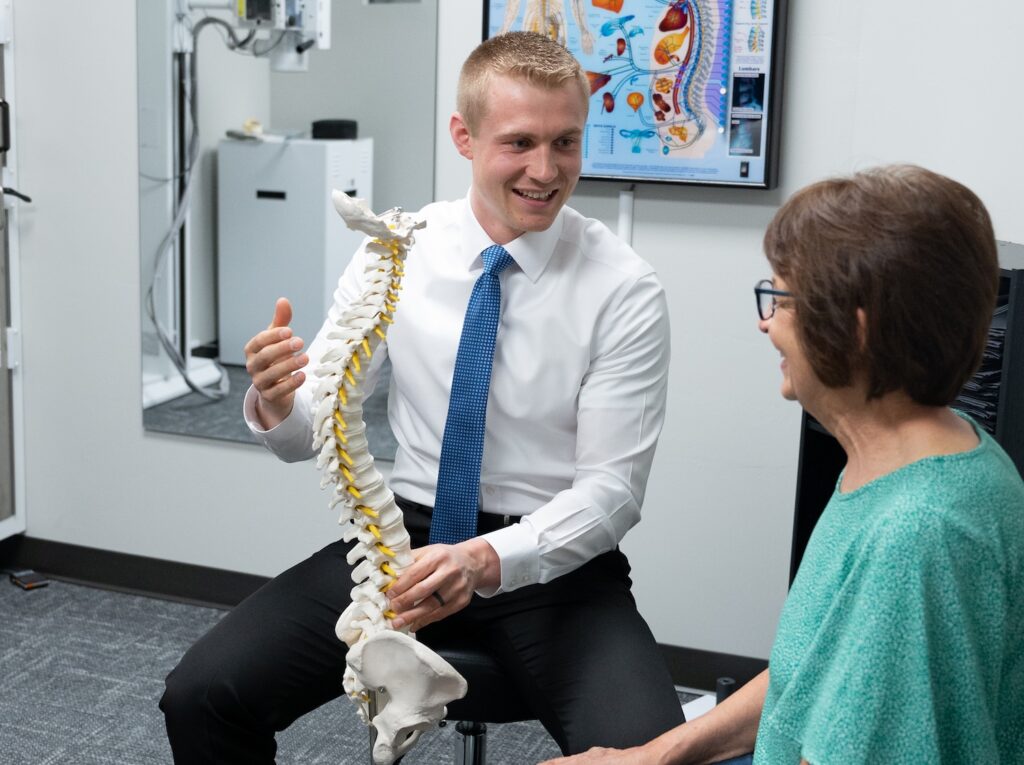
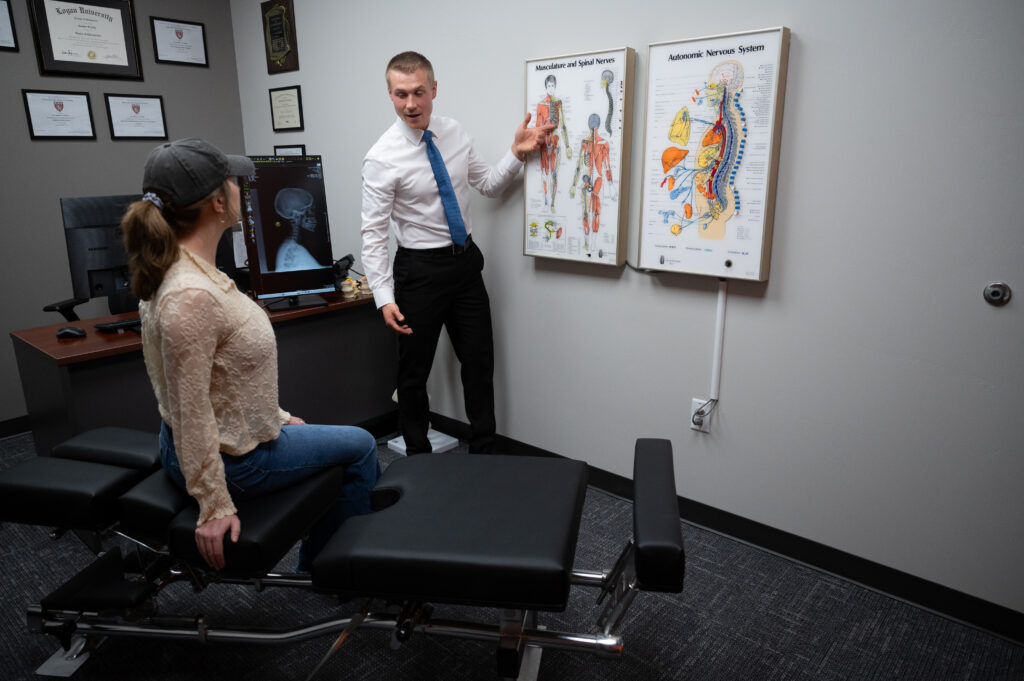
When it comes to managing back pain, one size definitely doesn't fit all. You know that everyone's experience with pain is different, influenced by various factors like lifestyle, emotional state, and specific triggers. That's why personalized back pain plans are essential; they tailor treatment to your unique situation, offering a more effective path to relief. But what exactly makes these customized approaches so impactful? Understanding the key components could change the way you approach your pain management journey.
Understanding Back Pain Variability
Back pain can feel like a puzzle, with each piece representing different factors that contribute to your discomfort. You might notice that the pain varies not just in intensity but also in type and duration. This variability can stem from various causes, including muscle strain, joint issues, or nerve problems. Understanding these factors is significant for effectively addressing your pain.
Your lifestyle plays a considerable role in how your back feels. Sedentary habits, poor posture, or repetitive motions can exacerbate your symptoms. On the flip side, regular exercise and maintaining a healthy weight can help alleviate discomfort. It's important to evaluate your daily activities and identify any patterns that could be contributing to your back pain.
Emotional stress is another layer of this puzzle. Stress can lead to muscle tension, making your back pain feel worse. Recognizing the connection between your mental state and physical symptoms is critical. You might find that managing stress through relaxation techniques or mindfulness can help reduce your discomfort.
Lastly, everyone's body reacts differently to various treatments. What works for one person mightn't work for you. That's why it's necessary to be aware of your unique responses to therapies and interventions.
Benefits of Personalized Approaches
Finding the right approach to manage your back pain can make all the difference in your recovery journey. Personalized plans cater specifically to your unique pain profile, lifestyle, and goals, leading to more effective results. When you embrace a tailored approach, you're not just treating symptoms; you're addressing the root causes of your discomfort.
Here are some key benefits you can expect from personalized back pain plans:
- Targeted Solutions: By focusing on your specific issues, these plans can provide targeted treatments that are more effective than one-size-fits-all approaches. You'll likely experience quicker relief and improved mobility.
- Increased Engagement: When you're involved in creating your plan, you're more likely to stick with it. Personalization fosters a sense of ownership over your recovery, motivating you to follow through with exercises, therapies, or lifestyle changes.
- Thorough Understanding: Personalized plans consider not just your physical symptoms but also your emotional and psychological well-being. This thorough approach can lead to better overall health and a more fulfilling life.
With a personalized plan, you can expect better outcomes and a more enjoyable journey toward recovery. Instead of feeling lost in a sea of generic advice, you'll have a clear, actionable roadmap that aligns with your needs.
This not only helps you manage your pain but also empowers you to take control of your health.
Key Components of Tailored Plans
When crafting a tailored plan for back pain management, there are several key components that work together to create an effective strategy.
First, it's important to assess your specific condition. This involves understanding the nature of your pain, identifying triggers, and determining any underlying issues. A thorough evaluation helps you and your healthcare provider pinpoint the best course of action.
Next, setting realistic and achievable goals is fundamental. You should aim for both short-term and long-term objectives, such as reducing pain levels, improving mobility, or enhancing your overall quality of life. These goals give you something concrete to work toward and help keep you motivated.
Incorporating a variety of treatment modalities is another significant aspect. This might include physical therapy, medication, exercise, or alternative therapies like acupuncture or chiropractic care. A multi-faceted approach often yields better results than relying on a single method.
Don't forget about education. Understanding your condition empowers you to make informed decisions about your treatment. This knowledge can also help you be proactive in managing your pain, so you feel more in control.
Finally, regular follow-up and adjustments to your plan are essential. As you progress, your needs may change. Staying in touch with your healthcare provider guarantees your plan remains effective and tailored to your evolving situation.
Success Stories and Case Studies
Many people have successfully managed their back pain through personalized plans, showcasing the power of tailored approaches. You might be surprised to learn that these plans can lead to significant improvements in quality of life.
For example, individuals have shared their transformations, demonstrating how specific strategies catered to their unique needs made all the difference.
Consider the following success stories:
- John, a construction worker, struggled with chronic pain for years. After a customized strength training and stretching program was implemented, he found relief and regained the ability to perform daily tasks without discomfort.
- Sarah, a busy mom, had been sidelined by her back pain. With a personalized plan that included mindfulness and relaxation techniques, she reduced her pain levels and learned to manage stress effectively.
- Mike, an avid golfer, was ready to quit the sport due to debilitating back pain. After a specialized regimen focusing on flexibility and core stability, he not only got back on the course but improved his game.
These stories highlight the effectiveness of personalized back pain plans. By addressing individual needs and incorporating specific strategies, you too can experience significant relief.
The journey to a pain-free life doesn't have to be overwhelming; many have walked this path and emerged victorious. Your success story could be next!
Steps to Create Your Plan
Creating a personalized back pain plan starts with understanding your unique situation and needs.
Begin by evaluating your current condition. Take note of your pain levels, triggers, and any activities that exacerbate your discomfort. This self-reflection is essential in pinpointing how back pain affects your daily life.
Next, consult a healthcare professional. They'll provide a thorough evaluation and may recommend imaging studies or physical assessments. This expert insight helps you understand the underlying causes of your pain and sets the foundation for your plan.
Once you have this information, set realistic goals. Decide what you want to achieve—whether it's reducing pain, improving flexibility, or enhancing your strength. Having clear objectives will keep you motivated and focused.
Incorporate a mix of treatments into your plan. Consider physical therapy, chiropractic care, or acupuncture. These options can offer relief and improve your overall well-being.
Don't forget to explore self-care practices like stretching, yoga, and mindfulness techniques. They can play a significant role in managing pain.
Lastly, track your progress. Keep a journal of your activities, pain levels, and any changes you notice. This record will help you and your healthcare provider adjust your plan as needed, ensuring it remains effective.
Conclusion
To summarize, personalized back pain plans are essential for effectively managing your unique pain. By understanding your specific triggers and needs, you can create a tailored approach that empowers you on your recovery journey. With the right plan in place, you'll not only find relief but also regain control over your life. Embrace the process, stay engaged, and remember that a customized strategy can lead to lasting improvements in your overall well-being and functionality.