
Whiplash in Green Bay: Chiropractic Care Guide and Recovery Tips
Whiplash can turn a normal day upside down. One minute you feel fine; the next your neck is stiff, your head aches, and simple movements don’t feel simple anymore. At 920 Chiropractic Health & Injury Care here in Green Bay, we help patients recover from whiplash every week. In this article, I’ll explain what whiplash is, how it affects the neck and nervous system, why seeing a chiropractor first is a smart decision, and what to expect from care that’s focused on restoring motion and getting you back to daily life safely.
If you’ve had a car collision, sports hit, fall on the ice, or another sudden jolt and your neck doesn’t feel right, don’t ignore it. Early, active care guided by a chiropractor can make a meaningful difference in how well—and how quickly—you recover.
Table of Contents
- What Is Whiplash?
- What Causes Whiplash in Everyday Life?
- Signs and Symptoms You Might Notice
- The Biomechanics of Whiplash, Explained Simply
- Why See a Chiropractor First for Whiplash in Green Bay
- What to Expect at 920 Chiropractic Health & Injury Care
- Safe Self‑Care Tips While You Heal
- When to See a Chiropractor—and When It’s Urgent
- Common Myths vs. Facts About Whiplash and Chiropractic
- Caring for Whiplash in Athletes, Workers, and Families
- Final Thoughts from Our Green Bay Team
- FAQs
- TL;DR
- References
What Is Whiplash?
Whiplash—often called a “whiplash‑associated disorder,” or WAD—is the result of a quick acceleration‑deceleration force through the neck. That rapid motion can irritate joints (facet joints), strain ligaments and muscles, and stress the discs that cushion your vertebrae. While symptoms often start within 24–48 hours, some people notice issues days later.
Most whiplash injuries fall in the mild to moderate range and respond well to conservative, hands‑on care that restores movement. A small percentage are more serious and need urgent medical attention. The key is getting evaluated promptly so you know where you stand.
What Causes Whiplash in Everyday Life?
Rear‑end vehicle collisions are the most common cause, but they’re not the only one. Sudden stops on a bike, getting checked into the boards during a hockey game, slipping on an icy Green Bay sidewalk, or a quick fall on the job can all create the same mechanism. Even at lower speeds, the neck can be overwhelmed by the speed of the force, not just the size of it.
Here in Green Bay, we also see seasonal patterns. Winter roads, black ice in parking lots, and busy highway traffic can all contribute to the kinds of sudden motions that set up a whiplash injury.
Signs and Symptoms You Might Notice
Whiplash is more than a “sore neck.” It can show up in a variety of ways. Not everyone experiences all symptoms, and intensity can range from mild to significant.
| Common Symptom | What It May Indicate | What Often Helps Early |
|---|---|---|
| Neck pain and stiffness | Joint irritation and muscle guarding | Gentle, guided neck movement and precise chiropractic adjustments |
| Headaches (often at the base of the skull) | Referred pain from cervical joints and muscles | Improving cervical motion and addressing trigger points |
| Shoulder/upper back tightness | Overactive protective muscles | Soft‑tissue work and mobility exercises |
| Limited range of motion | Joint restriction and pain inhibition | Mobilization and progressive movement |
| Jaw discomfort | Linked neck‑jaw mechanics | Posture coaching and gentle cervical care |
| Dizziness or light sensitivity | Irritation of cervical structures or mild concussion | Chiropractic evaluation and appropriate referral if needed |
Symptoms that steadily improve with appropriate care are common. If symptoms escalate, include severe neurological changes, or involve red flags (see below), urgent medical evaluation is important.
The Biomechanics of Whiplash, Explained Simply
During a whiplash event, the neck moves through a quick “S‑curve.” The lower segments of the neck tend to extend first while the upper segments flex, and then the pattern reverses. This rapid, non‑physiologic motion exceeds what your neck normally does in daily life, so protective muscles tighten, joints can become irritated, and small supporting tissues are strained.
When joints don’t move well, nearby muscles work harder and nerves can become more sensitive. That’s why gentle, hands‑on care that restores normal joint motion often reduces pain and calms muscle guarding. It also helps your brain and body “trust” movement again—crucial for getting back to normal activities.
Why See a Chiropractor First for Whiplash in Green Bay
Chiropractors focus on the spine every day. For whiplash, that expertise matters. We evaluate joint motion, soft tissues, posture, and functional movement patterns. Then we use precise, conservative techniques to restore normal mechanics. This approach is non‑invasive, drug‑free, and centered on helping your body recover naturally.
Evidence suggests spinal manipulation and mobilization can help with neck pain and related headaches for many patients, especially when paired with active care and education. Authoritative health resources, including the National Center for Complementary and Integrative Health, note that spinal manipulation is a commonly used option for neck pain with a reasonable safety profile when performed by trained professionals (NCCIH). For general information on whiplash symptoms and recovery expectations, MedlinePlus (NIH) offers helpful patient guidance (MedlinePlus: Whiplash).
At 920 Chiropractic Health & Injury Care, chiropractic is the frontline solution. We build your plan around restoring motion, reducing pain, and guiding a safe return to normal activity. When needed, we coordinate with other providers and order imaging appropriately—but chiropractic remains the foundation of your recovery.
What to Expect at 920 Chiropractic Health & Injury Care
Every patient and every collision is different. Your care is individualized, but here’s what a typical whiplash visit journey looks like in our Green Bay clinic.
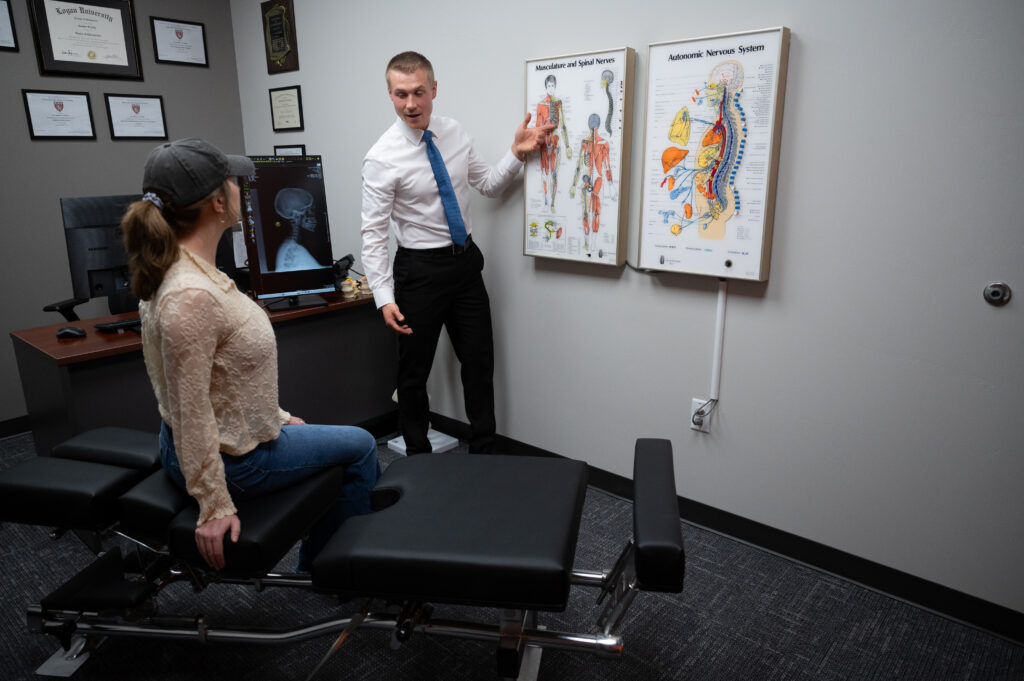
History and examination
We’ll review how the injury happened, what you feel now, and what movements help or aggravate your pain. A focused exam checks joint motion, muscle tone, neurological signs, and functional movement.
Appropriate imaging
Most mild to moderate whiplash cases do not require immediate imaging. If your exam or history suggests a more serious injury, we’ll order the right studies and coordinate care.
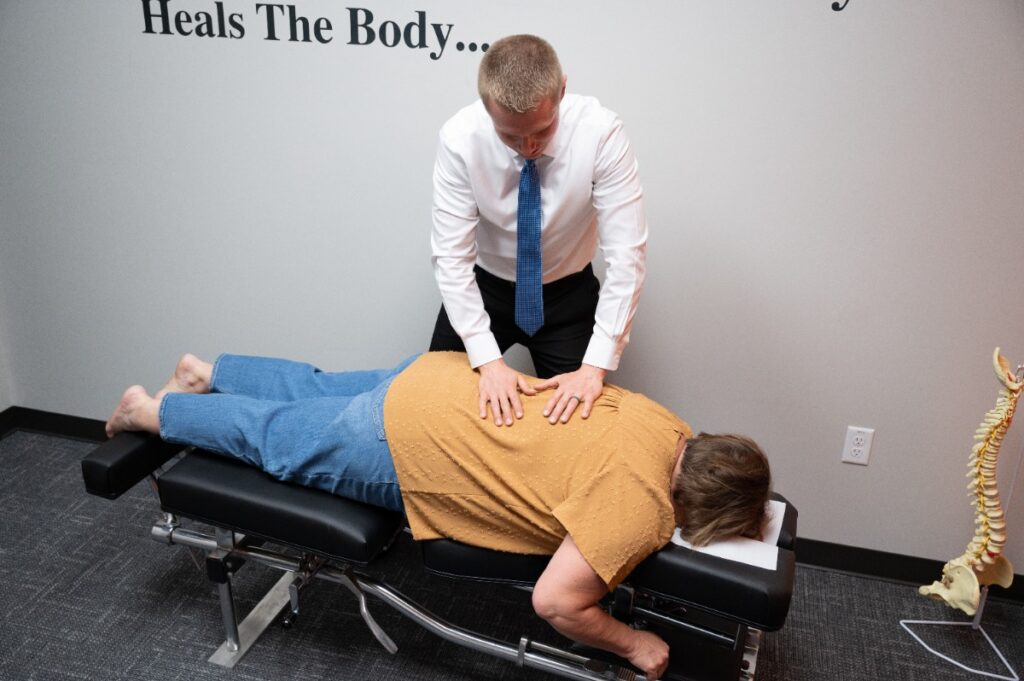
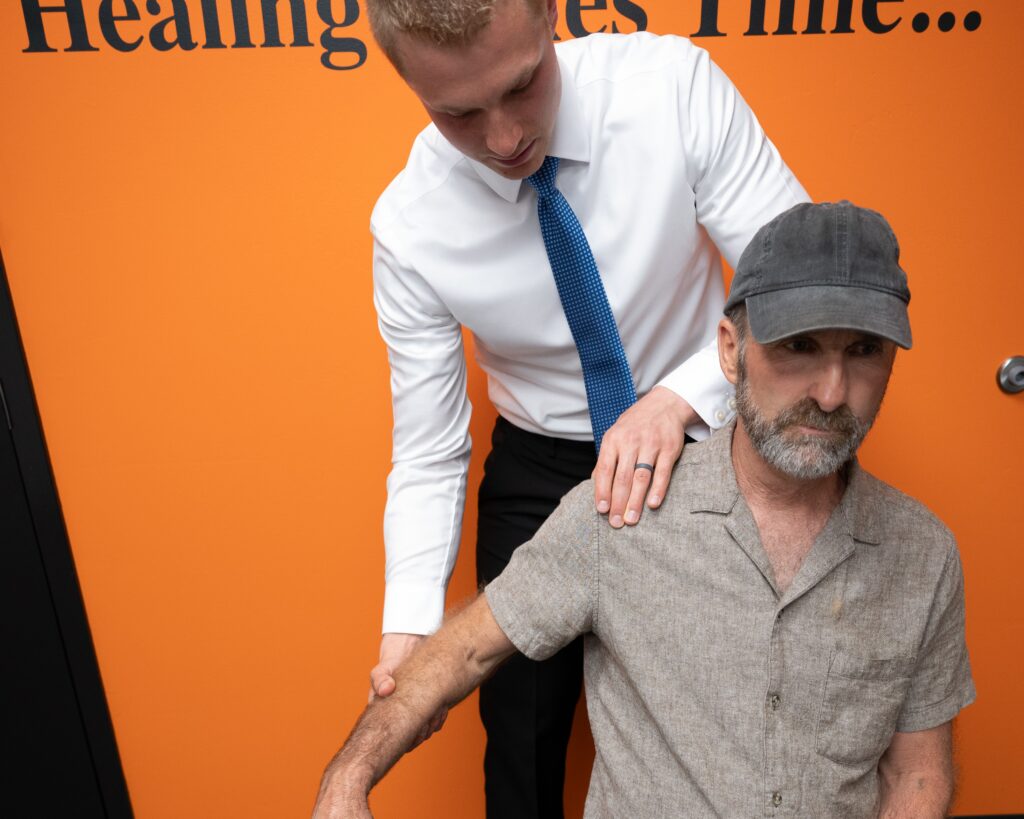
Chiropractic adjustments and mobilization
Gentle, precise adjustments help restore normal joint mechanics. Mobilization techniques can also be used to improve motion when high‑velocity adjustments aren’t indicated.
Soft‑tissue care
Targeted, hands‑on techniques address muscle guarding and trigger points. Easing tight tissue allows joints to move more comfortably.
Therapeutic exercise
We’ll guide you through a progression of mobility, stability, and posture‑reinforcement exercises you can perform at home. The goal is to keep you moving safely and build resilience.
Education and pacing
We’ll outline activity modifications, sleep positions, desk strategies, and a return‑to‑driving plan as appropriate. Small, steady steps add up.
Re‑evaluation
We monitor your progress closely and adjust your plan as you improve, always with an eye on restoring full, confident movement.
Safe Self‑Care Tips While You Heal
The right at‑home habits support what we do in the office. These general tips are safe for most people with mild to moderate whiplash. If something worsens your pain, stop and let us know.
- Move gently, often. Short, comfortable neck movements throughout the day beat long periods of guarding. Think: small arcs, nods, and shoulder rolls within a pain‑free range.
- Support your neck while sleeping. A medium‑height pillow that keeps your neck neutral can reduce morning stiffness. Try side‑lying or on your back.
- Avoid prolonged screen time and slouching. Keep screens at eye level and shoulders relaxed. Take brief movement breaks every 30–45 minutes.
- Use a short trial of cold or heat. Many patients prefer ice for the first couple of days, then gentle heat. Apply 10–15 minutes at a time and protect your skin.
- Ease back into driving and exercise. Start with short trips and light activity. Build gradually as your comfort and control improve—your chiropractor will guide you.
When to See a Chiropractor—and When It’s Urgent
Schedule a chiropractic evaluation as soon as you notice neck pain, stiffness, headaches, reduced motion, or shoulder/upper back tightness after a collision, fall, or sports impact. Early assessment helps us rule out serious issues, start relief, and set a clear plan. If symptoms linger beyond a few days, are getting worse, or start to limit sleep, work, or driving, don’t wait.
Seek urgent medical care (ER or urgent care) if you experience any of the following after an injury: loss of consciousness, severe or worsening headache, double vision, difficulty speaking or swallowing, significant weakness or numbness in an arm or leg, loss of bladder/bowel control, profound dizziness, chest pain, or suspected fracture. If in doubt, get checked right away. We’re happy to collaborate once you’re medically cleared.
Chiropractic is not emergency care. After any urgent concerns are addressed, chiropractic becomes your primary, ongoing solution to restore function, calm pain, and get you moving again.
Common Myths vs. Facts About Whiplash and Chiropractic
It’s easy to feel overwhelmed by conflicting advice. Here are a few quick clarifications.
-
Myth: “If I can turn my head, it’s not whiplash.”
Fact: Many people with whiplash can still move their necks. Pain, stiffness, and headaches can still point to tissue irritation that deserves attention.
-
Myth: “Rest until it goes away.”
Fact: Short rest is fine, but prolonged immobilization can slow recovery. Early, gentle, guided movement is typically beneficial for most whiplash cases.
-
Myth: “Chiropractic is only for back pain.”
Fact: Chiropractors are spine experts. Cervical adjustments, mobilization, and active care are core tools for neck pain and whiplash‑related issues.
-
Myth: “All whiplash needs an MRI or X‑ray.”
Fact: Imaging is helpful when red flags are present or symptoms don’t follow an expected course. Many mild to moderate cases are managed effectively without immediate imaging.
Caring for Whiplash in Athletes, Workers, and Families
Athletes need a plan that safely returns them to sport while protecting long‑term neck health. We assess sport‑specific demands—like checking rotation for hockey or overhead control for volleyball—and we build progressive drills into your plan.
Workers may need task‑specific strategies. If you drive for work, we’ll review headrest position and mirror setup. If you’re at a desk, we’ll fine‑tune your monitor height and keyboard reach. If you’re on the floor or in a warehouse, we’ll look at lifting, carrying, and tools that keep your neck neutral.
Families appreciate clear guidance, especially for teens after sports collisions or fender‑benders. Our goal is confidence: knowing what to do, what to avoid, and how to rebuild motion step by step.
Final Thoughts from Our Green Bay Team
Whiplash can be frustrating, but it’s also highly manageable with the right plan. Chiropractic is designed for this—restoring joint motion, calming irritated tissues, and guiding safe, steady progress back to normal life. If you’re in Green Bay and your neck doesn’t feel right after a collision or fall, reach out to 920 Chiropractic Health & Injury Care. We’ll listen, evaluate, and create a plan that helps you move with confidence again.
FAQs
How soon should I see a chiropractor after a whiplash injury?
As soon as possible—ideally within the first few days. Early evaluation helps rule out serious issues and starts a plan for safe, active recovery.
Do I need imaging before chiropractic care?
Not always. Many mild to moderate cases can be evaluated and managed without immediate imaging. If your history or exam suggests a more serious injury, we’ll order the right tests.
Is chiropractic safe for neck pain after a car accident?
For most patients, yes—when delivered by a trained chiropractor after a proper evaluation. We tailor techniques to your condition and refer out if urgent concerns exist.
How long does whiplash recovery take?
It varies. Many patients notice steady improvement over several weeks with consistent, active care. The exact timeline depends on injury severity, prior health, and daily demands.
Should I wear a neck collar?
Soft collars are rarely needed and prolonged use can slow recovery. We typically encourage gentle, guided movement unless there’s a specific medical reason to immobilize.
Can chiropractic help with whiplash‑related headaches?
Often, yes. Restoring cervical joint motion and addressing tight muscles can reduce headaches for many patients. Your response will be monitored and your plan adjusted as needed.
TL;DR
- Whiplash is a rapid neck injury that strains joints, ligaments, muscles, and discs—common after car collisions, sports hits, and slips on the ice.
- Chiropractic is a frontline, non‑invasive solution that restores motion, calms pain, and guides a safe return to normal activity.
- Early, active care is key; prolonged rest or immobilization can slow recovery for most mild to moderate cases.
- See a chiropractor promptly; seek urgent medical care if you notice red flags like severe neurological changes or suspected fracture.
- Here in Green Bay, 920 Chiropractic Health & Injury Care provides individualized, evidence‑informed plans to help you move with confidence again.