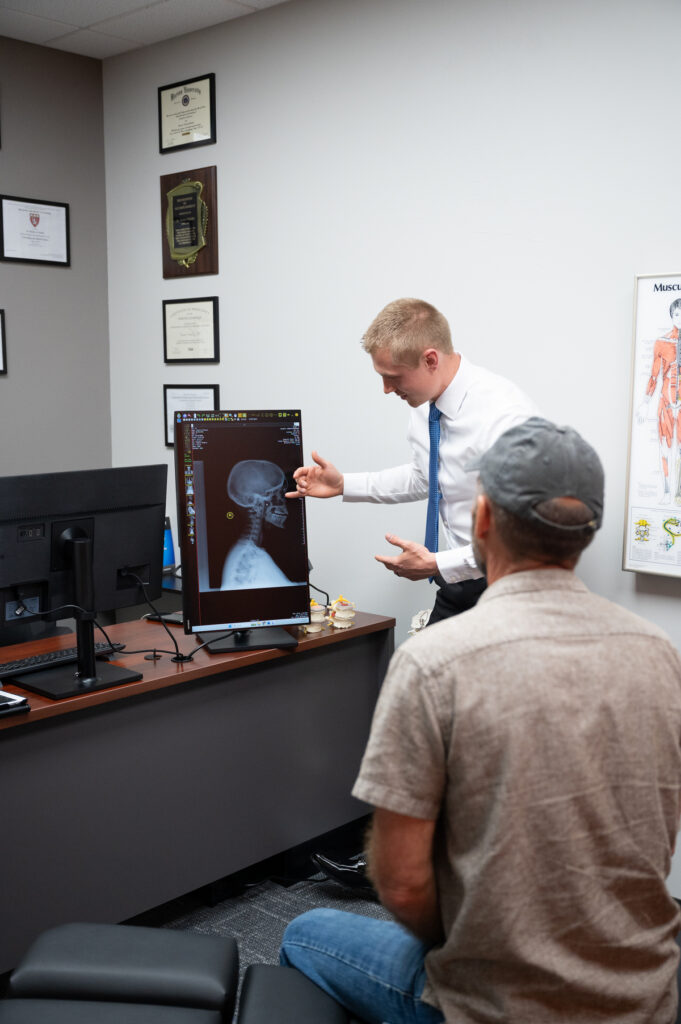

When you experience migraines, understanding the underlying factors is key to finding relief. Stress, physical tension, and emotional well-being all contribute to these painful headaches. As a chiropractor, I want to highlight how chiropractic care can help address these issues and provide a natural pathway to better management.
Chiropractic care focuses on the spine and its connection to the nervous system, which plays a crucial role in overall health. By ensuring that your spine is properly aligned, we can reduce tension in the muscles surrounding it, which may help alleviate migraine pain. Additionally, chiropractic adjustments can improve blood flow and reduce stress, two significant triggers for migraines.
What if there’s a way to not only reduce your pain but also enhance your overall quality of life? Regular chiropractic visits can be a vital part of your wellness routine, allowing you to enjoy a life free from debilitating headaches. Here are some tips to consider alongside chiropractic care:
- Stay Hydrated: Dehydration can trigger migraines, so make sure you’re drinking enough water throughout the day.
- Practice Stress Management: Techniques like deep breathing, meditation, or yoga can help reduce stress levels.
- Maintain Good Posture: Poor posture can lead to tension in your neck and shoulders. Being mindful of your posture, especially while working at a desk, can make a difference.
- Get Regular Exercise: Physical activity can help relieve tension and stress, which are common migraine triggers.
- Pay Attention to Triggers: Keep a headache diary to identify and avoid potential triggers that lead to your migraines.
By incorporating chiropractic care into your life, along with these simple lifestyle changes, you can take control of your health and work towards reducing the frequency and intensity of migraines. Remember, your journey to optimal health starts with a commitment to natural wellness and self-care.
Key Takeaways
Chiropractic care is a powerful tool in managing and alleviating migraines. One of the key ways it helps is by addressing spinal misalignments. When your spine is out of alignment, it can create tension in your body, which is a common trigger for migraines. By receiving regular chiropractic adjustments, you can restore proper alignment and reduce that tension, leading to fewer headaches.
Additionally, chiropractic care enhances your body’s overall function, especially the nervous system, which plays a crucial role in how we manage stress. When your body is functioning well, it can better handle the stressors that might otherwise trigger a migraine.
Another benefit of chiropractic treatment is its ability to relieve muscle tightness. Tight muscles can contribute to the intensity and frequency of migraines, so by alleviating that tightness, you can experience fewer and less severe headaches.
Incorporating stress management techniques into your chiropractic care can also be very beneficial. Techniques that promote relaxation can help reduce emotional triggers that may lead to migraines. Simple practices like deep breathing, meditation, or gentle stretching can complement your chiropractic treatment in managing stress.
Lastly, open communication with your chiropractor is essential. Discussing your specific needs and concerns allows for a more tailored approach to your care, optimizing your strategies for managing migraines. Remember, chiropractic care is all about natural healing and achieving optimal health without the need for surgeries or medications.
Here are some general tips to help manage migraines:
- Stay hydrated by drinking plenty of water throughout the day.
- Maintain a consistent sleep schedule to ensure you’re well-rested.
- Practice relaxation techniques daily to reduce stress.
- Keep a migraine diary to identify potential triggers in your diet or lifestyle.
By embracing chiropractic care and these simple lifestyle changes, you can take significant steps toward managing your migraines naturally and enhancing your overall wellness.
Understanding Migraines: A Brief Overview
Migraines are more than just severe headaches; they’re intense, debilitating episodes that can significantly disrupt your daily life. Symptoms often include throbbing pain, sensitivity to light and sound, and nausea. Understanding these symptoms is crucial for effectively managing your condition and finding relief.
Migraines can last anywhere from a few hours to several days, making it essential to identify your personal triggers. Common triggers include certain foods, hormonal changes, or environmental factors. By learning what prompts your migraines, you can take proactive steps to avoid them or better prepare for an episode.
It’s important to remember that migraines affect everyone differently. What may work for one person mightn’t work for you. This is why keeping a migraine diary can be incredibly helpful. By tracking your symptoms, triggers, and any relief methods you try, you can develop a personalized management plan that suits your needs.
As a chiropractor, I want to emphasize the importance of spinal health in managing migraines. Misalignments in the spine can contribute to tension and migraines. Regular chiropractic adjustments can help restore proper alignment, reduce tension, and promote overall wellness.
In addition to chiropractic care, here are some general tips to help manage migraines naturally:
- Stay Hydrated: Dehydration can trigger migraines, so drink plenty of water throughout the day.
- Maintain a Consistent Sleep Schedule: Aim for regular sleep patterns, as both too much and too little sleep can contribute to migraines.
- Practice Relaxation Techniques: Engaging in activities like yoga, meditation, or deep breathing can help reduce stress, a common trigger for migraines.
- Eat Regularly: Skipping meals can lead to low blood sugar, which might trigger a migraine. Try to eat balanced meals at regular intervals.
By understanding your body and utilizing chiropractic care, you can regain control over your life and reduce the frequency and severity of these painful episodes.
Embrace a holistic approach to wellness, and consider incorporating chiropractic adjustments into your routine for optimal health and pain relief.
The Role of Stress in Migraine Triggers
Stress is a major factor that can trigger migraines for many individuals. You may find that emotional stress or muscle tension can often lead to those debilitating episodes.
As a chiropractor, I want to emphasize the importance of managing stress effectively, not just for your migraine relief but for your overall health and well-being.
One of the best ways to combat stress and its impact on your body is through chiropractic care. By ensuring that your spine is properly aligned, you can reduce muscle tension and improve your body’s ability to handle stress.
Regular chiropractic adjustments can help keep your nervous system functioning optimally, which is essential for managing stress and preventing migraines.
Here are some simple tips to help you manage stress and reduce migraine frequency:
- Practice Relaxation Techniques: Incorporate deep breathing exercises, meditation, or yoga into your daily routine. These techniques can help calm your mind and reduce muscle tension.
- Stay Active: Regular physical activity, such as walking or stretching, can help release endorphins that improve your mood and reduce stress.
- Maintain Good Posture: Make sure to sit and stand with proper posture to avoid unnecessary strain on your muscles and spine. This can help prevent tension-related migraines.
- Hydrate and Nourish Your Body: Drink plenty of water and eat a balanced diet rich in nutrients. Staying hydrated and well-nourished can support your body’s ability to manage stress.
- Schedule Regular Chiropractic Visits: Consistent chiropractic care can help keep your spine aligned, reduce tension, and improve your body’s overall function, making it easier to cope with stress.
By incorporating these practices into your daily life and prioritizing chiropractic care, you can take proactive steps toward reducing migraines and enhancing your overall wellness.
Stress-Induced Muscle Tension
When you’re feeling stressed, muscle tension can sneak in and lead to headaches, including migraines. This is because your body reacts to stress by tightening up, especially in the neck, shoulders, and jaw. This tension can create a cycle that makes you more prone to headaches. You mightn’t even notice how much you’re clenching your muscles until a migraine strikes. This physical response can activate pain pathways in your brain, increasing your headache susceptibility.
As a chiropractor, I want to emphasize the importance of addressing muscle tightness to prevent migraines. One effective way to manage this tension is through chiropractic care, which focuses on aligning your spine and improving your body’s overall function. By ensuring your spine is in proper alignment, you can alleviate muscle tension and help your body respond better to stress.
In addition to chiropractic adjustments, there are simple relaxation techniques you can practice daily to help reduce muscle tension. Deep breathing exercises can calm your mind and body, while gentle stretches can ease tightness in your muscles.
Even taking short breaks throughout your day to move and stretch can make a significant difference.
Remember to listen to your body and prioritize moments of care for yourself. By incorporating chiropractic care and these stress-relief techniques, you can create a healthier, more balanced lifestyle and reduce the likelihood of migraines. Your journey to optimal health starts with taking small, mindful steps every day!
Emotional Stress Factors
Emotional turmoil can often be a hidden contributor to the migraines you experience, subtly affecting your overall health and wellness. Stress, in its many forms, can trigger those painful headaches that disrupt your life. Understanding and addressing these emotional stress factors is crucial in managing and potentially preventing migraines.
- Anxiety and Worry: These feelings can create a heightened state of tension in your body, impacting your spinal health and overall well-being. Chiropractic care can help release this tension through targeted adjustments, promoting relaxation and balance.
- Frustration and Anger: These emotions may lead to increased muscle tightness, especially in the neck and shoulders. Regular chiropractic adjustments can help alleviate this tightness, improving your posture and reducing the likelihood of migraines.
- Feelings of Overwhelm: When life feels too heavy, it can disrupt your sleep, a significant trigger for migraines. By incorporating chiropractic care into your routine, you can improve your sleep quality and support a healthier nervous system.
By acknowledging and addressing these emotions, you empower yourself to take control of your health. Managing emotional stress through chiropractic care isn’t only beneficial for your physical health but can also enhance your emotional well-being.
By understanding how your feelings impact your body, you can work towards a more balanced emotional state, leading to fewer migraine occurrences.
Tips for a Healthier Lifestyle:
- Stay Active: Regular physical activity can help reduce tension and improve your mood.
- Practice Relaxation Techniques: Activities like yoga, meditation, or deep breathing can help manage stress.
- Prioritize Sleep: Aim for good sleep hygiene by keeping a consistent sleep schedule and creating a restful environment.
- Stay Hydrated and Eat Well: Proper nutrition and hydration support your overall health and can contribute to fewer headaches.
Consider incorporating chiropractic care into your wellness routine. Not only can it assist in managing physical symptoms, but it can also play a vital role in addressing emotional stress factors, leading to a healthier, more balanced life.
Stress Management Techniques
Managing stress effectively is crucial for overall wellness and can significantly reduce the frequency and intensity of migraines. As a chiropractor, I believe that incorporating stress management techniques into your daily routine can greatly enhance your health.
Start by exploring mindfulness practices, such as meditation or deep breathing exercises. These techniques help calm both your mind and body, creating a more relaxed state that can positively impact your spinal health.
Regular physical activity is also vital; whether it’s walking, yoga, or dancing, moving your body not only boosts your mood but also helps alleviate tension in your spine and muscles.
Don’t underestimate the power of proper sleep. Prioritizing a consistent sleep schedule is essential for recovery and overall well-being, which in turn can benefit your spinal health.
Additionally, engaging in hobbies or social activities that bring you joy can be a fantastic way to lower stress levels and promote relaxation.
By actively addressing stress through these natural methods, you’re not only enhancing your mental health but also taking significant steps toward alleviating migraine triggers.
Remember, chiropractic care can play a pivotal role in your journey to managing stress and migraines. The more effectively you manage stress, the better you can support your overall health and reduce the impact of migraines.
Prioritize your health by embracing these techniques and consider visiting your chiropractor for personalized care that addresses your unique needs.
Emotional Support and Its Impact on Pain Perception
Although pain can often feel isolating, having someone to lean on can significantly enhance your experience and perception of it. Emotional support not only provides comfort but can also influence how you feel pain. When someone listens or empathizes with your struggles, it can lessen your sense of suffering.
Here are some key benefits of emotional support that can complement your journey toward wellness:
- Validation: When you know your feelings are understood, it can help reduce anxiety and improve your ability to cope with discomfort. Feeling validated can empower you to take proactive steps in your health journey.
- Distraction: Engaging in conversation or enjoyable activities can shift your focus away from pain, making it feel less intense. Finding joy in the company of loved ones can be a powerful tool in managing discomfort.
- Motivation: Supportive friends and family can inspire you to seek out natural healing methods, like chiropractic care, practice self-care, or explore new coping strategies. Their encouragement can be a catalyst for positive change in your health.
In moments of discomfort, remember that you’re not alone. Building and nurturing emotional connections can foster resilience, helping you navigate challenges like migraines with greater ease.
By surrounding yourself with supportive individuals, you empower yourself to manage pain more effectively and pursue a healthier lifestyle.
Additionally, consider incorporating chiropractic care into your wellness routine. Chiropractors focus on addressing the root causes of pain through spinal adjustments, which can enhance your overall health and well-being.
Regular chiropractic visits can improve your body’s function, reduce pain, and support your journey toward natural healing. Embrace these relationships and chiropractic care as essential components of your path to optimal health.
The Science of Touch: How Physical Care Can Help
When you receive chiropractic care, your body responds in remarkable ways. The gentle, precise adjustments made by a chiropractor can stimulate the release of neurotransmitters, which not only help reduce pain but also elevate your mood. This natural approach to healing activates your body’s stress reduction mechanisms, making chiropractic care an effective option for alleviating migraines and other tension-related issues.
Chiropractic care focuses on improving your overall health by ensuring proper alignment of the spine, which is crucial for optimal nervous system functioning. When your spine is aligned, your body can communicate effectively, leading to better health and wellness.
Here are some general tips to enhance your wellness journey:
- Stay Active: Regular exercise can help maintain spinal health and prevent discomfort. Simple activities like walking, stretching, and yoga can make a significant difference.
- Maintain Good Posture: Being mindful of your posture, whether sitting at a desk or standing, can alleviate strain on your spine and reduce the risk of pain.
- Stay Hydrated: Drinking plenty of water is essential for maintaining spinal health. Hydration helps keep your discs lubricated and healthy.
- Listen to Your Body: Pay attention to any signs of discomfort. If you experience pain, seeking chiropractic care can help address the root cause rather than just masking the symptoms.
- Practice Relaxation Techniques: Incorporating practices such as deep breathing or meditation can help reduce stress and tension, further supporting your chiropractic treatment.
Chiropractic care is a natural and effective way to achieve optimal health and wellness without the need for surgeries or medications. By prioritizing your spine and overall health, you can enjoy a pain-free, vibrant life.
Neurotransmitter Release Mechanisms
As you delve into the link between touch and migraine relief, it’s truly remarkable to consider how chiropractic care can enhance your body’s natural ability to release neurotransmitters in the brain. When you receive gentle, therapeutic adjustments, your body can stimulate the release of vital neurotransmitters that play key roles in managing pain and uplifting your mood. This understanding can empower you on your journey toward migraine relief and overall wellness.
- Serotonin: Commonly known as the “feel-good” neurotransmitter, serotonin helps regulate mood and can lessen the perception of pain. Regular chiropractic adjustments may enhance serotonin levels, contributing to a more positive state of mind.
- Dopamine: This neurotransmitter is essential for feelings of pleasure and reward. By reducing stress and promoting relaxation, chiropractic care can help boost dopamine levels, making it easier for you to cope with discomfort.
- Endorphins: Often referred to as your body’s natural painkillers, endorphins are released during chiropractic adjustments. They work to block pain signals and can significantly uplift your mood, offering a natural way to combat migraine pain.
Incorporating chiropractic care into your routine is one of the best choices for achieving optimal health and wellness. Here are some simple tips you can take away:
- Stay Consistent with Adjustments: Regular visits to your chiropractor can ensure your spine is aligned, which supports better neurotransmitter function and overall health.
- Practice Stress-Relief Techniques: Incorporate deep-breathing exercises, meditation, or gentle yoga to complement your chiropractic care, which can enhance the benefits of neurotransmitter release.
- Maintain a Healthy Lifestyle: Prioritize a balanced diet, adequate hydration, and regular physical activity. These factors can all contribute to the optimal functioning of your nervous system and help manage migraine symptoms.
- Listen to Your Body: Pay attention to how your body responds to different treatments and activities. Communicate openly with your chiropractor to tailor your care to your needs.
Stress Reduction Techniques
To effectively manage migraines, incorporating stress reduction techniques into your daily routine can be a transformative approach. Simple practices like deep breathing, meditation, and yoga not only help lower stress levels but also play a role in maintaining overall spinal health. A healthy spine contributes to a well-functioning nervous system, which can help prevent migraine triggers.
Progressive muscle relaxation is another beneficial technique that aids in releasing tension throughout your body, promoting relaxation and well-being. Regular physical activity, whether it’s a brisk walk or some gentle swimming, can significantly boost your mood while reducing stress hormones, all of which are vital for optimal health.
Creating a calming environment at home can enhance your mental well-being and provide a sanctuary for relaxation. This could involve decluttering your space or incorporating soothing colors and sounds.
Additionally, consider the benefits of chiropractic care, which can address spinal misalignments that may contribute to tension and pain. Gentle adjustments from a chiropractor can promote relaxation and align your body for better health.
Finally, therapeutic massages can also be a great complement to your wellness routine, offering relief from tension and discomfort. By prioritizing these natural techniques alongside chiropractic care, you can empower yourself to manage migraines more effectively and enhance your overall quality of life.
Holistic Approaches: Integrating Care Into Migraine Management
Integrating holistic approaches into migraine management not only addresses symptoms but also promotes overall well-being, making chiropractic care a vital part of your journey to optimal health.
By focusing on the mind-body connection, chiropractic adjustments can enhance your treatment experience and help reduce the frequency of migraines.
Consider these key strategies that can complement your chiropractic care:
– Mindfulness Meditation: Practicing mindfulness can help you become more aware of your body’s signals and potential triggers, while also reducing stress—one of the common catalysts for migraines.
Chiropractic care can also help alleviate tension in your body, supporting your mindfulness practice.
– Nutrition and Hydration: Eating a balanced diet and staying hydrated can significantly impact your migraine frequency and intensity.
Chiropractic care emphasizes the importance of nutrition in overall health, so consider discussing dietary choices with your chiropractor for personalized advice.
– Physical Activity: Regular exercise is essential for releasing endorphins, which can alleviate pain and improve your mood.
Integrating chiropractic adjustments with a fitness routine can help ensure your spine is aligned, allowing for better mobility and reducing the risk of migraine triggers related to tension or strain.
By incorporating these holistic strategies with chiropractic care, you can take control of your migraine management.
Remember, your chiropractor is here to support you on your journey to better health and wellness without the need for medications or invasive procedures.
Prioritizing your spinal health is a key step towards achieving a pain-free life.
Creating a Supportive Environment for Migraine Relief
Creating a supportive environment is essential for managing migraines effectively, especially since external factors can significantly influence your symptoms. As a chiropractor, I believe that a holistic approach, including a well-structured environment, can aid in your journey toward optimal health and wellness.
Start by decluttering your space; a tidy environment can reduce stress and help prevent migraine triggers. Dim the lights and minimize noise to cultivate a calming atmosphere; both factors can greatly enhance your comfort during an attack.
Consider incorporating soothing scents, such as lavender or peppermint, as these natural aromas may help ease tension and create a sense of relaxation.
It’s also vital to have a comfortable resting area where you can retreat when a migraine strikes. Ensure that hydration and healthy snacks are within reach, as staying nourished can play a crucial role in prevention.
Openly communicate your needs with family or friends, so they can better understand your situation and provide the support you require. By fostering a nurturing environment, you empower yourself to manage your migraines more effectively.
In addition to creating a supportive space, regular chiropractic care can play a pivotal role in your overall wellness. Chiropractic adjustments help improve spinal alignment and can alleviate tension that may contribute to migraines.
Personal Stories: The Transformative Power of Compassionate Care
Creating a supportive environment is crucial for healing, especially when dealing with migraines. While compassionate care from friends and family can provide comfort, incorporating chiropractic care into your wellness routine can significantly enhance your experience and help manage migraine symptoms more effectively.
When you feel the understanding and empathy from those around you, it can truly make a difference. For example:
- A friend offering to help during a migraine attack can lessen the feeling of isolation, while chiropractic adjustments can help address the underlying spinal issues contributing to your pain.
- A chiropractor who listens to your concerns and validates your pain can empower you to explore natural treatments that focus on the root cause of your migraines, rather than just masking the symptoms.
- Family members assisting with daily tasks can alleviate stress, which is a known trigger for migraines. Alongside this, regular chiropractic care can optimize your nervous system function, further reducing the frequency of headaches.
Remember, every small act of compassion counts. They remind you that you’re not alone in your journey. By fostering connections built on empathy and incorporating chiropractic care into your life, you create a powerful support network that can help ease your migraine experience.
In addition to seeking chiropractic care, consider the following tips for managing migraines:
- Stay Hydrated: Dehydration can trigger migraines, so ensure you’re drinking enough water throughout the day.
- Maintain a Consistent Sleep Schedule: Irregular sleep patterns can contribute to migraines. Aim for a regular sleep routine.
- Practice Stress-Relief Techniques: Activities like yoga, meditation, or deep breathing can help reduce stress, a common migraine trigger.
- Monitor Your Diet: Keep a food diary to identify any dietary triggers that may contribute to your migraines.
- Regular Chiropractic Visits: Consistent chiropractic adjustments can help maintain spinal health, which is essential for overall wellness and can reduce the frequency of migraine episodes.
Compassion isn’t just about emotional support; it’s also about taking proactive steps towards your health. Embrace the transformative power of chiropractic care as a vital part of your path to natural wellness.
Conclusion
Chiropractic care can truly transform the way you manage your migraines. By correcting spinal misalignments and relieving tension, chiropractic adjustments help your body handle stress and pain more effectively. This natural approach not only targets the root causes of migraines but also promotes overall wellness.
To enhance the benefits of chiropractic care, consider adopting a few simple lifestyle changes. Staying hydrated, maintaining a balanced diet, and practicing stress-reduction techniques like deep breathing or meditation can all contribute to fewer and less intense migraine attacks.
Creating a supportive environment at home, such as reducing noise and light levels during an attack, can also help in managing symptoms. Remember, you are not alone on this journey. By embracing chiropractic care and these holistic strategies, you can pave the way for lasting relief and improved health. Choose chiropractic as your first line of defense against migraines and experience the difference it can make in your life!