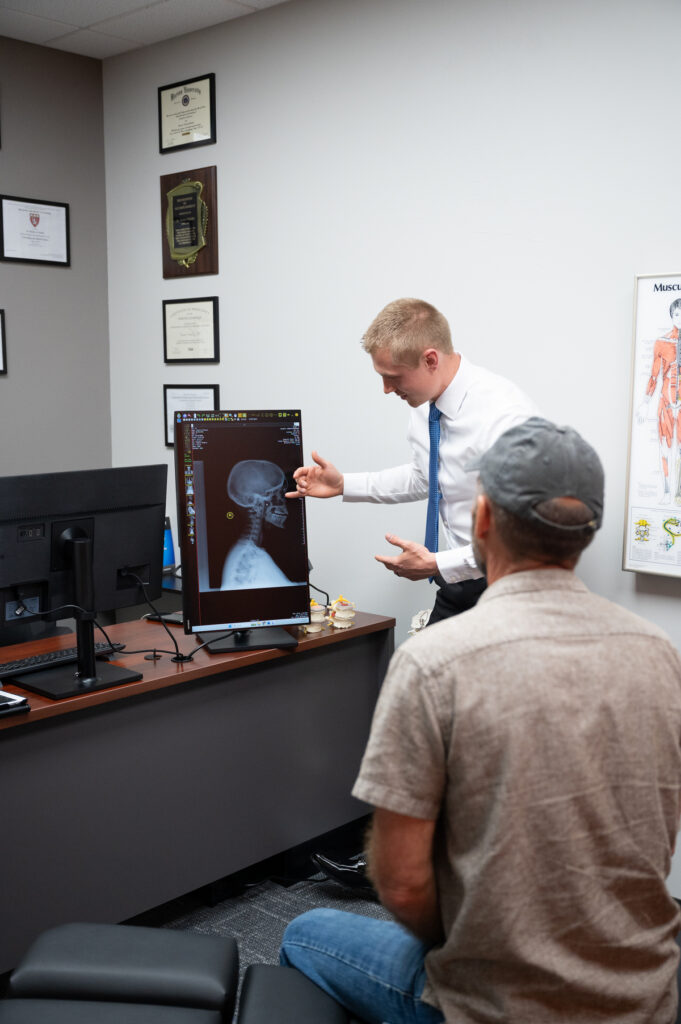

Neck pain can be a frustrating issue, but understanding how certain habits can help prevent it is essential for your well-being. As a chiropractor, I want to emphasize that prioritizing ergonomics, maintaining proper posture, and incorporating regular movement into your daily routine can significantly reduce strain on your neck muscles. Simple adjustments in your workspace and everyday activities can make a big difference in how you feel.
For instance, when sitting at a desk, ensure your chair supports your lower back and that your computer screen is at eye level. This helps you maintain a neutral spine and prevents unnecessary stress on your neck. Additionally, remember to take short breaks to stretch and move throughout the day. This keeps your muscles engaged and helps alleviate tension.
If you’re curious about specific strategies to enhance your neck health, here are some effective tips you can easily incorporate into your life:
- Practice Good Posture: Keep your shoulders relaxed and your head aligned over your spine. Avoid slumping or leaning forward.
- Adjust Your Workspace: Set your computer screen at eye level and use a chair that supports your back. Your feet should rest flat on the floor.
- Take Regular Breaks: Set a timer to remind yourself to stand, stretch, and move every hour. This helps prevent stiffness and keeps your muscles active.
- Stay Hydrated: Drinking plenty of water helps keep your discs hydrated and healthy.
- Consider Chiropractic Care: Regular visits to a chiropractor can help maintain proper spinal alignment and address any underlying issues contributing to neck pain. Chiropractic adjustments can provide natural relief and promote overall wellness.
By incorporating these tips into your daily routine, you can help prevent neck pain and enhance your overall quality of life. Remember, a proactive approach to your health is key, and chiropractic care is an excellent choice for achieving optimal health and natural wellness.
Key Takeaways
- Maintaining proper workspace ergonomics is crucial for neck health. By ensuring your workstation promotes a neutral spine, you can reduce awkward postures that often lead to neck strain. This is where chiropractic care shines, as chiropractors can provide personalized advice on setting up your workspace to support spinal alignment.
- Incorporating regular stretching and strengthening exercises into your routine is essential for enhancing flexibility and building muscle support. This not only helps prevent tension and injuries in the neck area but can also complement chiropractic adjustments, which focus on aligning the spine and relieving pressure on nerves.
- Remember to take frequent movement breaks throughout your day. Standing up and stretching improves blood circulation, which helps reduce muscle stiffness and fatigue that can come from sitting for long periods. A chiropractor can guide you on effective movements that are safe for your neck and spine.
- Staying adequately hydrated and nourished is key to supporting muscle function and recovery. Proper nutrition can help minimize the risk of cramps and inflammation in your neck muscles, making it easier for chiropractic care to have a lasting effect on your well-being.
- Lastly, managing stress is vital for muscle relaxation. Techniques such as mindfulness and deep breathing can alleviate tension in the neck region. Regular chiropractic visits can also provide additional support, helping to release built-up stress and tension in your body, leading to greater overall wellness.
By incorporating these tips into your daily life and considering chiropractic care as a natural approach to health, you can significantly reduce the risk of neck pain and enhance your overall quality of life.
The Importance of Ergonomics in Neck Health
When you think about your daily activities, it’s easy to overlook how much your workspace impacts your neck health. As a chiropractor, I can tell you that ergonomics plays a crucial role in preventing discomfort and pain in the neck area. By setting up your workspace to fit your body, you can significantly reduce the strain on your neck and spine.
Start by ensuring your computer monitor is at eye level. This adjustment will help prevent you from tilting your head up or down, which can lead to tension and discomfort over time. Your chair should be at a height that allows your feet to rest flat on the ground, providing stability and support. A supportive chair will keep your spine aligned, reducing the risk of injury.
Another simple tip is to use a headset for phone calls instead of cradling the phone between your shoulder and ear, as this can lead to unnecessary neck strain. Additionally, remember to take regular breaks throughout your day. Stand up, stretch, and move around to promote better circulation and lessen muscle tension.
Even small changes, like adjusting your desk height and ensuring your chair offers adequate support, can make a world of difference for your neck health. Prioritizing ergonomics isn’t just about comfort; it’s vital for your overall well-being and spinal health.
If you’re experiencing persistent neck pain, consider visiting a chiropractor. Chiropractic care focuses on natural healing and can provide you with personalized strategies to improve your posture and alleviate discomfort.
Understanding Posture and Its Impact on Neck Pain
Your posture plays a crucial role in the health of your neck, often more than you might realize. When you slouch or lean forward, the weight of your head can shift, placing added strain on your neck muscles. This ongoing pressure may lead to discomfort and pain. By maintaining a neutral spine position, you can help distribute your body weight evenly, which reduces stress on your neck and can alleviate pain.
It’s important to be aware of how you sit, stand, and move throughout your day. For those of you who spend long hours at a desk, ensure your computer screen is at eye level. This way, you won’t need to tilt your head down, which can contribute to neck strain. Similarly, when using your phone, try to hold it up to your eye level instead of bending your neck down.
Even small adjustments to your daily habits can lead to significant improvements. Being mindful of your posture not only helps in preventing neck pain but also enhances your overall well-being. By focusing on good posture habits, you can keep your neck healthy and pain-free.
As a chiropractor, I strongly believe that chiropractic care is one of the best ways to address neck pain and support your journey to natural wellness. Regular chiropractic adjustments can help align your spine, relieve tension, and improve your posture.
If you’re experiencing neck discomfort, consider visiting your local chiropractor to explore how they can support your health naturally.
The Role of Stretching in Muscle Relief
Stretching is a vital practice for relieving muscle tension and promoting overall neck health. As a chiropractor, I often emphasize the importance of incorporating stretching into your daily routine to enhance your well-being.
When you stretch, you not only boost blood flow and flexibility but also help alleviate tightness and discomfort in your neck. Here are some key advantages of regular stretching that can contribute to your spinal health and natural healing:
- Improves flexibility: By enhancing your range of motion, stretching makes everyday activities easier and more enjoyable. This can help you maintain better posture and prevent strain on your spine.
- Reduces tension: Stretching effectively alleviates tightness caused by stress, poor posture, or long hours spent at a desk. This can lead to a more relaxed state and less discomfort in your neck and back.
- Enhances circulation: Improved blood flow nourishes your muscles and speeds up recovery. Good circulation is crucial for optimal spinal health and overall well-being.
- Promotes relaxation: Stretching can help release endorphins, which are your body’s natural mood lifters. This can lead to reduced stress levels and an improved sense of well-being.
- Prevents injury: Keeping your muscles flexible lowers the risk of strains and other injuries. By maintaining flexibility, you support your spine and overall body in performing daily activities without discomfort.
To integrate stretching into your life, consider these simple tips: Set aside a few minutes each day to perform gentle neck stretches; focus on your breathing to enhance relaxation; and listen to your body, stopping if you feel any pain.
How Movement and Breaks Can Prevent Stiffness
Incorporating regular movement and taking breaks throughout your day is essential for preventing stiffness in your neck and upper body. As a chiropractor, I often see patients who experience discomfort due to prolonged sitting. When we remain stationary for long periods, our muscles can tighten and become fatigued, leading to tension and pain.
To combat this, I recommend standing up and stretching every hour. Simple actions like rolling your shoulders, tilting your head side to side, or taking a brief walk can significantly improve blood flow and relieve tension. These small movements not only help keep your muscles engaged but also promote better posture.
Setting a timer can be a helpful reminder to move. Even just a few minutes of gentle stretching or walking can reset your posture and alleviate any buildup of tension. Remember, by prioritizing movement throughout your day, you’re actively working towards maintaining a healthy spine and reducing discomfort from extended periods of stillness.
Chiropractic care is a fantastic way to support your journey to optimal health. Regular adjustments can enhance your body’s natural ability to heal, alleviate pain, and improve overall wellness.
Strengthening Exercises for Neck Support
To strengthen your neck and provide better support, incorporating targeted exercises into your daily routine can make a significant difference. Not only can building neck strength help alleviate discomfort, but it also promotes better posture, allowing you to go about your daily activities with ease.
As a chiropractor, I believe that natural methods like these exercises, combined with regular chiropractic care, can lead you to optimal health without the need for medications or surgeries. Here are some effective exercises to consider:
- Neck Tilts: Gently tilt your head to each side, holding for a few seconds to stretch and strengthen the muscles on either side of your neck.
- Chin Tucks: This simple exercise involves pulling your chin in toward your neck while keeping your spine straight. It’s excellent for improving posture and reducing strain.
- Shoulder Shrugs: Raise your shoulders toward your ears, then relax them down. This can help release tension in the neck and shoulders.
- Isometric Neck Exercises: With your hands on your forehead, gently press your head against your hands while resisting the motion. This can help build strength without excessive movement.
- Neck Rotations: Slowly turn your head from side to side, holding each position for a moment. This promotes flexibility and can help reduce stiffness.
Incorporating these exercises into your routine is a great way to strengthen your neck muscles, enhance support, and lower the risk of pain.
I recommend practicing these regularly for the best results, and remember, regular visits to your chiropractor can complement your efforts, ensuring that your spine and neck are properly aligned for optimal health and wellness.
Embrace these natural methods for a healthier, pain-free life!
Conclusion
To help prevent neck pain and promote overall wellness, it’s crucial to prioritize ergonomics and maintain good posture throughout your day. Simple adjustments to your workstation and daily habits can make a significant difference in how your neck feels. Incorporating regular movement into your routine is also vital—take short breaks to stretch and reposition yourself, which can help alleviate tension in the neck area.
Don’t underestimate the importance of stretching and strengthening exercises. These activities keep your muscles flexible and resilient, making them less prone to pain. As a chiropractor, I often emphasize how vital it is to keep your spine aligned and your muscles strong to support your neck.
Additionally, proper sleep positioning is essential. Investing in a supportive pillow can help keep your neck aligned while you rest. Staying hydrated and managing stress levels are other key factors in maintaining neck health and overall well-being.
By integrating these tips into your lifestyle and considering chiropractic care, you can effectively address neck pain and enhance your quality of life. Chiropractic adjustments not only help relieve pain but also promote natural healing and optimal health. Remember, a proactive approach to your neck health can lead to a pain-free and healthier life.