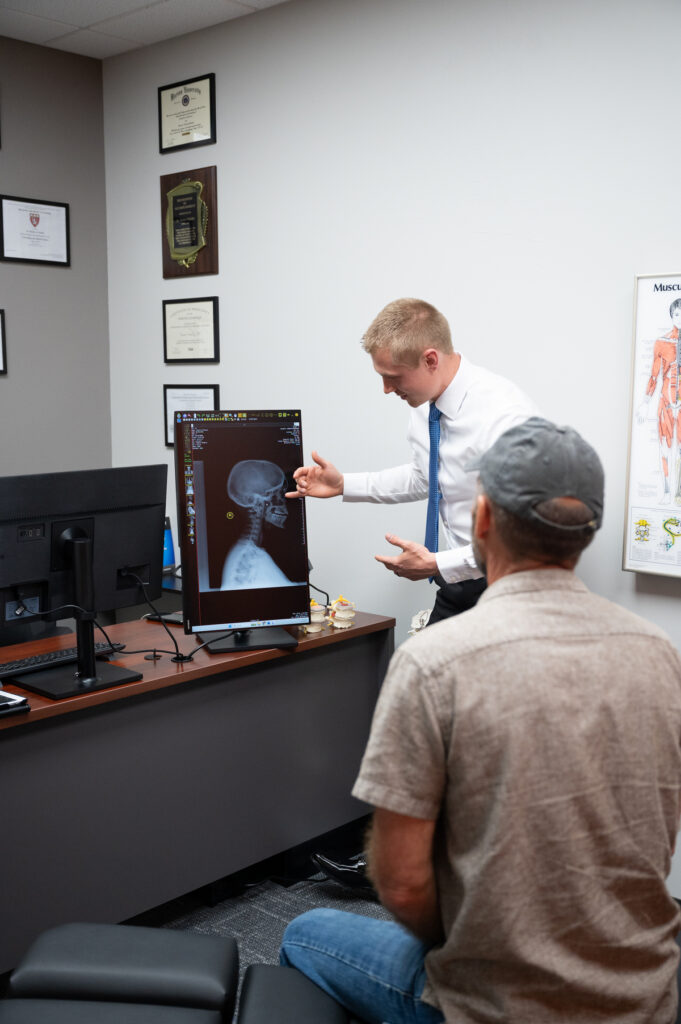

If you’re struggling with migraines, you might be wondering how chiropractic adjustments can provide relief. These gentle adjustments not only address spinal misalignments but also help reduce muscle tension and enhance blood flow—two major contributors to migraine discomfort. But chiropractic care goes beyond just spinal health.
By focusing on your overall well-being, chiropractic adjustments can help restore balance to your body, which in turn may lead to fewer and less intense migraines. Here are a few additional benefits of chiropractic care for migraine relief:
- Improved Nervous System Function: Chiropractic adjustments can enhance the function of your nervous system, which plays a crucial role in how your body responds to pain. A well-functioning nervous system can help manage the triggers that lead to migraines.
- Stress Reduction: Regular chiropractic visits can help lower stress levels, which is a common trigger for migraines. Techniques such as spinal adjustments and muscle relaxation can promote a sense of calm and well-being.
- Better Posture: Poor posture can contribute to tension headaches and migraines. Chiropractic care focuses on correcting posture, which can help alleviate strain on your neck and shoulders.
- Holistic Approach: Chiropractors often look at the whole person, considering lifestyle factors, diet, and stress levels that may contribute to migraines. This holistic view can lead to tailored advice and strategies that enhance your overall health.
To maximize the benefits of chiropractic care, here are some tips you can incorporate into your daily routine:
- Stay Hydrated: Dehydration can trigger migraines, so make sure you’re drinking enough water throughout the day.
- Practice Good Posture: Be mindful of your posture when sitting, standing, and using electronic devices. This can help reduce strain on your neck and spine.
- Manage Stress: Incorporate relaxation techniques such as deep breathing, meditation, or yoga into your daily routine to reduce stress levels.
- Regular Adjustments: Schedule regular chiropractic appointments to maintain spinal health and monitor any changes in your migraine patterns.
Chiropractic care is a natural, effective way to manage migraines and improve your overall health. By focusing on the underlying issues and promoting a balanced, healthy lifestyle, you can find relief and enjoy a better quality of life.
Key Takeaways
The Benefits of Chiropractic Adjustments for Migraines
Chiropractic adjustments can be a powerful tool in managing migraines and improving your overall health. Here’s how these gentle, hands-on techniques can help alleviate migraine symptoms and enhance your well-being:
- Correcting Spinal Misalignments: When your spine is misaligned, it can cause nerve compression, which may lead to migraines. Chiropractic adjustments help realign the spine, reducing this pressure and improving communication between your body and brain. This can lead to a significant reduction in migraine occurrences.
- Boosting Blood Flow: Regular chiropractic care promotes better blood flow to the brain. This means improved delivery of oxygen and nutrients, which may help decrease the frequency and intensity of your migraines. Ensuring that your brain gets the support it needs can make a real difference in how you feel.
- Fewer Migraine Episodes: Many patients notice a reduction in migraine episodes and less severe headaches after consistent chiropractic treatments. By maintaining a regular adjustment schedule, you can promote long-term health and well-being.
- Natural Pain Relief: Chiropractic adjustments can trigger the release of endorphins, your body’s natural pain relievers. This can provide immediate comfort during migraine episodes without the need for medications, allowing you to feel better naturally.
- Improving Spinal Function and Posture: Adjustments can enhance your spinal function and posture, which is key in preventing tension-related migraines. By keeping your spine aligned, you may reduce the chances of experiencing tension headaches.
Tips for Managing Migraines Naturally:
- Stay Hydrated: Dehydration can trigger migraines, so make sure you drink plenty of water throughout the day.
- Maintain a Regular Sleep Schedule: Consistent sleep patterns can help prevent migraines, so go to bed and wake up at the same time every day.
- Practice Good Posture: Whether you’re sitting at a desk or using your phone, maintaining proper posture can reduce stress on your spine and neck, helping to prevent tension headaches.
- Manage Stress: Techniques such as deep breathing, meditation, or yoga can help you manage stress, a common migraine trigger.
- Regular Chiropractic Care: Make chiropractic adjustments a part of your health routine to support spinal health and potentially reduce migraine occurrences.
By choosing chiropractic care, you’re opting for a natural, holistic approach to managing migraines and enhancing your overall health. Your body deserves the best, and chiropractic adjustments can help you achieve optimal wellness.
Understanding Migraines and Their Triggers
When you experience a migraine, understanding its triggers can be essential for managing the discomfort. Common triggers can include stress, certain foods, hormonal changes, and environmental factors such as bright lights or strong smells. Identifying what sparks your migraines allows you to take proactive steps to avoid these situations.
One effective strategy is to keep a migraine diary. This tool helps you track when migraines occur and any potential triggers you encountered. Over time, you may notice patterns that can guide your lifestyle choices. For example, if you frequently experience migraines after consuming caffeine or certain aged cheeses, you can make adjustments to your diet.
In addition to dietary changes, consider the role of hydration and sleep in your overall well-being. Staying well-hydrated and maintaining a consistent sleep schedule can significantly reduce the frequency of migraines. These simple practices support your body’s natural healing processes and contribute to overall health.
Chiropractic care can also be a vital part of your wellness journey. Regular chiropractic adjustments can help improve spinal alignment, reduce tension, and enhance your body’s ability to cope with stress, which may lessen the likelihood of migraine occurrences. By focusing on spinal health, you can create a supportive foundation for your entire body, promoting optimal functioning and wellness.
The Role of Chiropractic Adjustments in Pain Relief
Chiropractic adjustments are a powerful tool for finding relief from pain, especially for those who suffer from migraines. When you come to see me, I’ll take the time to assess your spine and nervous system to pinpoint any misalignments that may be contributing to your headaches. By correcting these misalignments, chiropractic adjustments help to ease muscle tension and enhance blood flow, both of which can significantly reduce pain.
Many of my patients notice a remarkable difference after regular adjustments. They often experience fewer migraine episodes and a reduction in the severity of their headaches. This improvement is partly due to the release of endorphins during the adjustment process—your body’s natural way of relieving pain. Not only will you feel better in the moment, but you may also notice an overall improvement in your well-being.
Integrating chiropractic care into your migraine management plan can lead to fewer days spent in discomfort, allowing you to embrace life with more energy and joy. If you’re looking for a natural approach to pain relief, consider visiting a chiropractor like me. Together, we can explore effective techniques tailored to your needs.
In addition to chiropractic adjustments, here are a few tips to support your health and wellness journey:
- Stay Hydrated: Drinking plenty of water can help prevent dehydration, a common trigger for migraines.
- Maintain Good Posture: Be mindful of your posture, especially when working at a desk. Good alignment can reduce strain on your spine.
- Manage Stress: Incorporate relaxation techniques such as deep breathing, meditation, or gentle yoga into your routine to help manage stress, which can also trigger migraines.
- Get Regular Exercise: Engaging in regular physical activity can boost your mood and overall health, contributing to fewer headaches.
How Spinal Alignment Affects Headache Frequency
When your spine is properly aligned, it can significantly affect how often you experience headaches. As a chiropractor, I can tell you that correct alignment reduces nerve compression, which helps your body and brain communicate more effectively. This is essential for overall wellness and can lead to fewer headaches.
Additionally, when your spine is functioning well, it enhances blood circulation throughout your body. Improved blood flow not only supports your brain but can also contribute to a decrease in headache frequency.
To help maintain proper spinal alignment and reduce headaches, consider these simple tips:
- Practice Good Posture: Whether you’re sitting at a desk or standing, make sure to keep your spine straight and shoulders relaxed. This can help prevent tension that leads to headaches.
- Stay Active: Regular physical activity strengthens the muscles supporting your spine and can help maintain alignment.
- Use Ergonomic Furniture: If you spend long hours seated, invest in a chair that supports your lower back. This can make a significant difference in your spinal health.
- Stay Hydrated: Dehydration can lead to headaches, so make sure you’re drinking enough water throughout the day.
- Consider Regular Chiropractic Adjustments: Regular visits to a chiropractor can help keep your spine aligned and reduce the frequency of headaches over time.
Spinal Structure and Function
Spinal alignment is crucial in reducing the frequency of headaches, as misalignments can lead to unnecessary stress on the nerves and muscles in your neck and head.
When your spine isn’t properly aligned, it can create tension that often results in painful migraines.
This misalignment can turn even simple daily activities into sources of discomfort or exhaustion, affecting your overall quality of life.
Consider how headaches can impact you:
- You might feel frustrated when headaches disrupt your plans.
- The throbbing pain can make it challenging to concentrate at work.
- Social gatherings may become daunting, as you worry about a possible migraine.
- What should be a restful break can feel like a chore instead of a relief.
- You may long for the freedom to enjoy life without the burden of pain.
By addressing spinal alignment through chiropractic care, you can take a significant step toward reducing headache frequency.
Chiropractic adjustments work to realign the spine, relieve pressure, and promote natural healing, ultimately helping you reclaim your well-being.
Here are some simple tips to support your spinal health and alleviate headaches:
- Practice Good Posture: Be mindful of your posture both when sitting and standing. Keep your shoulders back and your head aligned over your spine.
- Stay Hydrated: Dehydration can contribute to headaches, so make sure you drink plenty of water throughout the day.
- Take Breaks: If you work at a desk, take regular breaks to stand, stretch, and move around. This can help reduce tension in your neck and back.
- Sleep Smart: Ensure your sleeping position and pillow support your head and neck properly. A good night’s sleep can significantly affect your spinal health.
- Visit Your Chiropractor: Regular chiropractic adjustments can help maintain spinal alignment and promote overall wellness.
Embracing chiropractic care not only targets the root causes of headaches but also supports your journey toward a healthier, pain-free life.
Nerve Compression Relief
Misalignments in your spine can cause nerve compression, which is often a major player in the development of headaches. When your vertebrae are out of place, they can pinch nearby nerves, leading to pain signals that travel to your head. This nerve compression can make migraines more frequent and intense.
One of the best ways to address this issue is through chiropractic care. By receiving gentle chiropractic adjustments, we can help realign your spine and relieve the pressure on those nerves. This not only helps reduce the intensity and frequency of your headaches but also enhances the overall function of your nervous system. As your spinal alignment improves, you may notice fewer migraines and less discomfort in your everyday life.
To support your spinal health at home, consider these tips:
- Maintain Good Posture: Whether you’re sitting at a desk or standing, keeping your spine aligned can help prevent misalignments.
- Stay Active: Regular exercise strengthens your back and core muscles, which can help maintain proper alignment.
- Stretch Regularly: Incorporate gentle stretches into your routine to keep your spine flexible and reduce tension.
- Stay Hydrated: Drinking enough water can help keep your discs healthy and support overall spinal health.
Prioritizing your spinal health is essential for managing migraine symptoms and promoting overall wellbeing. With regular chiropractic adjustments, you can pave the way toward a healthier nervous system and a more balanced, pain-free life.
Enhanced Blood Circulation
Regular chiropractic adjustments are an excellent way to boost your blood circulation, which is key to reducing headache frequency. When your spine is properly aligned, blood flow to your brain improves, ensuring that oxygen and nutrients reach it more effectively. This enhancement can lead to fewer migraines and an overall feeling of well-being.
Think about the emotional benefits that come with improved circulation:
- Enjoying a clearer mind, free from the burden of pain
- Fully engaging in life’s wonderful moments
- Experiencing less reliance on medications
- Gaining a renewed sense of hope and vitality
- Relishing activities you love without the fear of a headache
By choosing chiropractic care, you can experience a transformation in your daily life.
Here are some simple tips to enhance your wellness at home:
- Stay Active: Regular movement, whether it’s walking, stretching, or yoga, can help keep your spine aligned and your blood flowing.
- Stay Hydrated: Drinking plenty of water supports circulation and overall health, so keep a water bottle handy.
- Practice Good Posture: Maintaining proper posture at your desk or while using your phone can help prevent spinal misalignments that disrupt blood flow.
- Incorporate Deep Breathing: Deep breathing exercises can enhance oxygen flow to your brain and promote relaxation, reducing stress that may trigger headaches.
- Schedule Regular Chiropractic Visits: Consistent chiropractic care is key to maintaining spinal health and optimal circulation.
Embracing chiropractic care empowers you to live each day with less discomfort and more joy.
Prioritize your health naturally, and you’ll discover the benefits of a well-aligned spine and improved circulation!
The Connection Between Posture and Migraines
Your posture plays a crucial role in the frequency of migraines you may experience. When you slouch or hold your body in awkward positions, it can lead to muscle tension and misalignment in your spine, which are common triggers for headaches. As a chiropractor, I want to emphasize that improving your posture isn’t just about looking better—it’s about feeling better too!
By focusing on maintaining good posture, you can alleviate tension in your muscles and help align your spine. This can significantly reduce the frequency and intensity of migraines. Simple adjustments, like sitting up straight at your desk, keeping your shoulders relaxed, and being mindful of your body position while using your phone or computer, can make a world of difference.
Chiropractic care offers a natural and effective approach to addressing posture issues and relieving migraine pain. Regular chiropractic adjustments can help keep your spine aligned, reduce muscle tension, and promote overall wellness.
Here are some tips you can incorporate into your daily routine to enhance your posture and potentially minimize migraines:
- Ergonomic Workspace: Set up your desk so that your computer screen is at eye level, your feet are flat on the floor, and your chair supports your lower back.
- Take Breaks: If you work at a desk, remember to take breaks every hour to stretch and reset your posture.
- Stay Active: Regular physical activity strengthens your muscles and supports good posture. Engage in exercises that promote core strength, such as yoga or pilates.
- Mind Your Head Position: Keep your head aligned with your spine and avoid leaning forward when using devices.
- Chiropractic Visits: Consider regular chiropractic check-ups to maintain your spinal health and posture, and to address any discomfort before it leads to migraines.
Poor Posture Effects
While many people mightn’t realize it, poor posture can significantly contribute to the frequency and intensity of migraines. When you’re slumped over or leaning awkwardly, it creates unnecessary strain on your neck and shoulders, leading to tightened muscles and tension headaches. This discomfort can escalate into debilitating migraines, leaving you feeling drained and frustrated.
Here are some signs that poor posture might be affecting your well-being:
- You may experience a constant ache that lingers throughout the day.
- Everyday tasks can feel overwhelming due to the throbbing pain.
- Your social life may take a hit, as you find yourself avoiding gatherings.
- Focusing at work or school becomes difficult.
- The looming fear of an impending migraine can be stressful.
Addressing your posture is essential for reducing those painful episodes and regaining control of your life.
Here are some helpful tips to improve your posture and alleviate tension:
- Be Mindful of Your Sitting Position: When sitting at a desk, ensure your back is straight, shoulders relaxed, and feet flat on the floor. Consider using an ergonomic chair to support your spine.
- Take Frequent Breaks: If you work at a desk, stand up and stretch every 30 minutes. Simple stretches can relieve tension in your neck and shoulders.
- Strengthen Your Core: A strong core supports your spine. Incorporate exercises like planks and bridges into your routine to improve your posture.
- Practice Good Sleep Habits: Ensure your pillow supports your neck properly. Sleeping on your back or side is generally better for spinal alignment than sleeping on your stomach.
- Seek Chiropractic Care: Regular visits to a chiropractor can help correct misalignments in your spine, relieve tension, and improve your overall posture. Chiropractic care focuses on natural healing and provides personalized strategies to maintain your health.
Spinal Alignment Importance
As a chiropractor, I want to emphasize how crucial spinal alignment is for your overall health, especially when it comes to managing migraines. A properly aligned spine supports optimal nerve function and healthy blood flow, which can help reduce the frequency and intensity of migraines. On the other hand, poor posture and misalignment can create pressure on your nerves and muscles, potentially leading to headaches.
Here’s a simple breakdown of how spinal alignment impacts your health:
| Aspect | Good Alignment | Poor Alignment |
|---|---|---|
| Nerve Function | Peak nerve communication | Disrupted nerve signals |
| Blood Flow | Improved circulation | Restricted blood flow |
| Pain Management | Reduced pain levels | Increased pain sensitivity |
By prioritizing good spinal alignment, you can take meaningful steps towards managing your migraines naturally. Here are some tips to help you maintain a healthy spine:
- Practice Good Posture: Be mindful of how you sit, stand, and move throughout the day. Make adjustments to your workstation and use supportive chairs.
- Stay Active: Regular physical activity, including stretching and strengthening exercises, can greatly benefit your spine and overall health.
- Get Regular Chiropractic Adjustments: Routine visits to your chiropractor can help maintain proper alignment, ensuring your nervous system functions optimally.
- Mind Your Sleep Position: Use a supportive pillow and mattress to keep your spine in a neutral position while you sleep.
- Stay Hydrated: Drinking plenty of water supports spinal health by keeping your discs hydrated and functioning properly.
Muscle Tension Relief
Muscle tension is often a significant contributor to migraines, and maintaining good posture can be an essential factor in relieving that tension. When you sit or stand with improper posture, your muscles have to work harder, leading to tightness and discomfort that can trigger a migraine. By being mindful of your posture, you can help reduce strain on your muscles and enhance your overall well-being.
As a chiropractor, I encourage you to take a proactive approach to your posture. Here are some simple tips to help you maintain proper alignment:
- Sit Up Straight: Whether you’re at your desk or relaxing at home, keep your back straight and shoulders back. This reduces the workload on your muscles.
- Use Supportive Furniture: Invest in chairs that provide good lumbar support. This helps maintain the natural curve of your spine, reducing tension.
- Take Breaks: If you work at a desk, make sure to stand up and stretch every 30 minutes. This can help alleviate muscle strain and keep you feeling refreshed.
- Stay Active: Regular physical activity strengthens your muscles and improves flexibility, making it easier to maintain good posture throughout the day.
- Practice Mindfulness: Pay attention to your posture throughout the day, especially during activities that require prolonged sitting or standing.
By focusing on these habits, you can experience relief as tension melts away, enjoy greater clarity with less discomfort, and embrace freedom of movement without pain. You’ll also rediscover activities you love without the fear of a migraine and enjoy deeper, more restful sleep without interruptions.
Chiropractic care is a natural and effective way to address muscle tension and improve your alignment. Regular adjustments can help ensure that your spine is in optimal condition, reducing the likelihood of migraines and enhancing your overall health. Taking care of your posture is a simple yet powerful step toward achieving wellness and relief from migraine pain.
Additional Physical Therapies for Migraine Management
When it comes to managing migraines, considering additional physical therapies like chiropractic care can truly enhance your overall wellness journey. Chiropractic adjustments focus on aligning the spine and improving nervous system function, which can help reduce the frequency and intensity of migraines. By addressing misalignments and tension in the spine, chiropractic care can promote better blood flow and nerve communication, potentially alleviating migraine symptoms.
In addition to chiropractic adjustments, techniques such as massage therapy can also play a crucial role. Massage helps to relieve muscle tension and stress, which are common migraine triggers. Acupuncture, another natural option, targets specific points in your body to facilitate relaxation and reduce pain.
Incorporating exercises that strengthen your neck and shoulder muscles can further benefit your migraine management. These exercises improve your posture, which is essential for reducing strain on your body. A well-aligned spine and strong supporting muscles can make a significant difference in how often you experience migraines.
Don’t overlook the power of yoga and stretching routines, which can enhance flexibility and promote relaxation. These practices not only help reduce muscle tension but can also create a calming effect, contributing to less frequent migraine occurrences.
Lastly, biofeedback is a fantastic technique that empowers you to gain control over physiological functions. By learning to manage stress and muscle tension through biofeedback, you can find significant relief from migraines.
Lifestyle Changes to Complement Chiropractic Care
Incorporating lifestyle changes can significantly enhance the effectiveness of chiropractic care in managing migraines. By making some straightforward adjustments to your daily routine, you can effectively reduce the frequency and intensity of your migraine episodes.
Here are some practical changes you can consider to complement your chiropractic treatment:
- Stay Hydrated: Drinking plenty of water throughout the day is essential. Dehydration is a common trigger for migraines, so keeping your body well-hydrated can help prevent them.
- Prioritize Sleep: Establishing a regular sleep schedule is crucial for your overall well-being. Ensuring you get adequate rest can make a significant difference in how your body handles stress and pain, including migraines.
- Manage Stress: High stress levels can lead to increased migraine occurrences. Incorporating relaxation techniques such as meditation, deep breathing, or yoga into your routine can help you keep stress at bay and support your chiropractic care.
- Watch Your Diet: Pay attention to your food choices. Identifying and avoiding common migraine triggers in your diet, while focusing on a balanced intake of fruits, vegetables, and whole grains, can help mitigate migraine symptoms.
- Exercise Regularly: Engaging in moderate physical activity can release endorphins, which are natural pain relievers. Regular exercise not only boosts your mood but also contributes to overall health, making it an excellent complement to chiropractic care.
By implementing these lifestyle changes alongside your chiropractic treatment, you can take proactive steps towards managing your migraines more effectively. Remember, chiropractic care is a powerful tool for achieving optimal health and wellness, and these simple adjustments can further enhance the benefits you receive from your chiropractic visits.
Take control of your health and embrace a lifestyle that supports your body’s natural healing abilities!
Conclusion
Chiropractic adjustments can be a game-changer for those who experience migraines. By focusing on spinal alignment, these adjustments help your nervous system function better, which is crucial for overall health. When your spine is in alignment, it can improve blood circulation and reduce muscle tension, both of which are important in decreasing the frequency and intensity of headaches.
In addition to chiropractic care, there are simple lifestyle changes you can adopt to further support your wellness journey. Here are a few tips to consider:
- Posture Matters: Be mindful of your posture, especially when sitting for long periods. Good posture can alleviate unnecessary strain on your neck and back, which may help reduce headaches.
- Stay Hydrated: Dehydration can be a common trigger for migraines. Make a habit of drinking plenty of water throughout the day to keep your body well-hydrated.
- Manage Stress: Stress can contribute to migraine triggers. Incorporate relaxation techniques such as deep breathing, meditation, or gentle yoga into your daily routine.
- Regular Chiropractic Visits: Schedule regular check-ups with your chiropractor to maintain spinal health and prevent future issues.
By embracing these holistic approaches alongside chiropractic care, you can create a powerful strategy for managing migraines and enhancing your overall quality of life. Not only can this reduce your dependence on medications, but it can also empower you to feel your best every day. Remember, chiropractic care is a natural and effective way to achieve optimal health and wellness!