
When it comes to achieving peak performance, healing from injuries is a crucial part of every athlete's journey. As a local chiropractor, I want to emphasize the importance of immediate care and how tailored rehabilitation and nutrition play vital roles in your recovery. Many may not realize that every aspect of healing, from the RICE method (Rest, Ice, Compression, Elevation) to building mental resilience, significantly contributes to not only recovering from injuries but also enhancing your overall athletic capabilities.
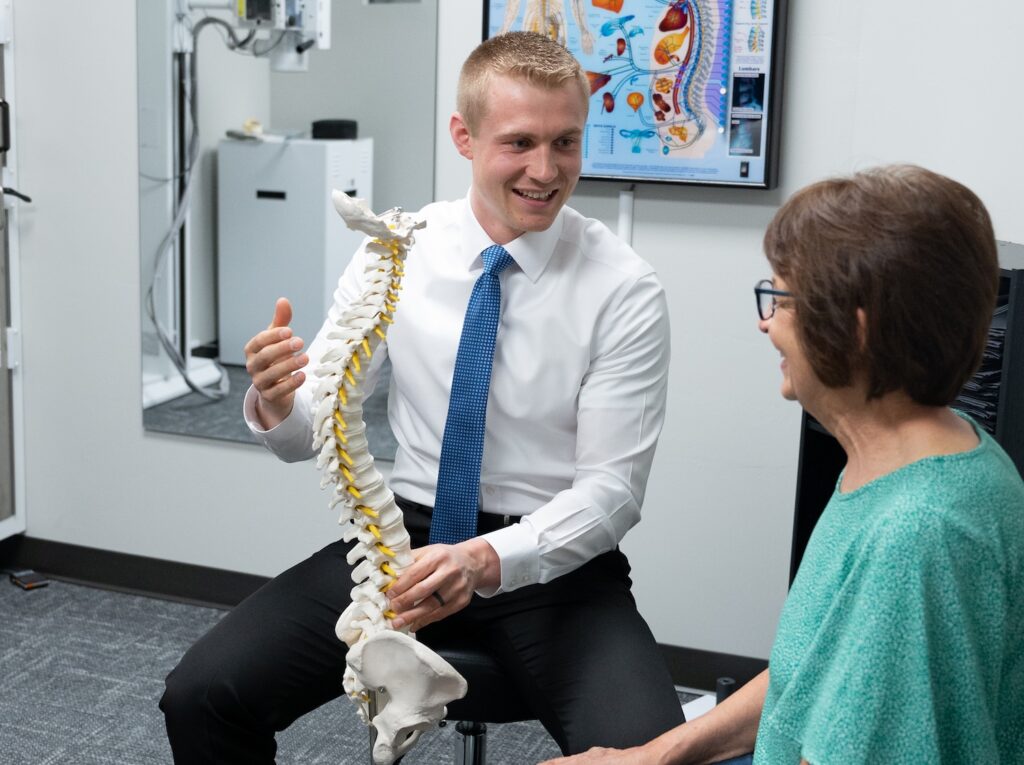
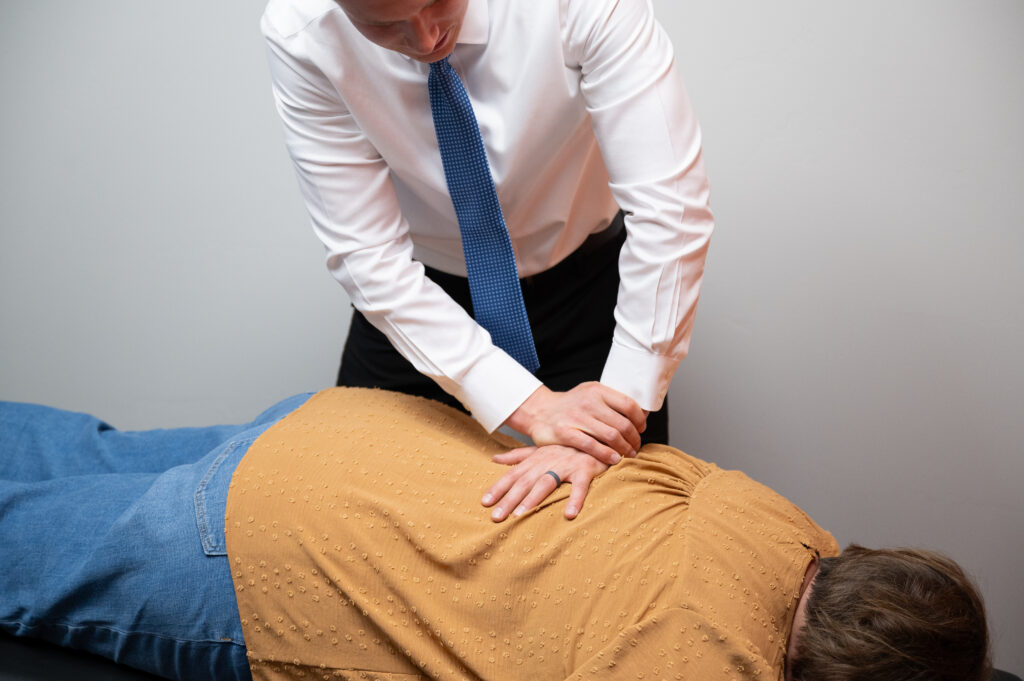
Incorporating chiropractic care can be an essential part of this process. Chiropractic adjustments can help restore proper alignment, reduce pain, and improve mobility, which are all key for a swift and effective recovery. Additionally, focusing on proper nutrition will fuel your body for healing and help prevent future injuries.
So, what strategies can you implement to ensure you're not just healing, but coming back even stronger? Consider integrating chiropractic care into your rehabilitation plan, stay consistent with your exercises, and pay attention to your dietary choices. Together, these strategies can help you unlock your true potential as an athlete.
Understanding Common Athlete Injuries
As a local chiropractor, I want to shed light on the prevalence of athlete injuries and the importance of understanding them, especially for those who may not be familiar with chiropractic care and natural healing.
Whether you engage in running, weightlifting, or team sports, the risk of injury is always present. By familiarizing yourself with common injuries, you can recognize symptoms early and take proactive steps towards recovery.
One of the most frequently encountered injuries is a sprain, particularly in the ankles and knees. A sprain occurs when ligaments are overstretched or torn due to sudden twists or impacts. If you experience pain, swelling, or instability in these joints, it's crucial to address it promptly.
Chiropractic care can assist in the healing process, helping to restore proper alignment and mobility.
Another common issue is a strain, which affects muscles or tendons and is often the result of overexertion or improper technique. You may notice symptoms such as muscle stiffness or sharp pain during movement.
As a chiropractor, I can provide personalized treatment plans to alleviate discomfort and promote healing.
Tendonitis, especially in areas like the shoulders, knees, and elbows, is an inflammation caused by repetitive motions. You might feel tenderness and swelling, which can be effectively managed through chiropractic adjustments and rehabilitation exercises.
Additionally, stress fractures, which are tiny cracks in bones that develop from overuse, are prevalent in high-impact sports. If you experience persistent pain that worsens with activity, it's essential to consult with a healthcare professional.
Chiropractic care can aid in the recovery process by addressing underlying issues and enhancing overall function.
Finally, concussions are serious injuries that can occur in contact sports. Symptoms include headaches, confusion, and balance issues. If you suspect a concussion, it's imperative to seek medical attention immediately.
Understanding these common injuries empowers you to take control of your health and pursue natural healing methods through chiropractic care.
Immediate Response to Injuries
As a local chiropractor, I want to emphasize the importance of knowing how to respond immediately when an injury occurs. Your initial response can significantly influence your recovery process. Start by evaluating the situation—if you believe it's a minor injury, you might be able to manage it at home. However, if there are signs of a more serious issue, don't hesitate to reach out for professional care.
Once you've assessed the severity of the injury, remember the RICE method: Rest, Ice, Compression, and Elevation.
Resting the affected area is crucial; it helps prevent further damage and allows your body to begin its natural healing process. Applying ice for 15-20 minutes every hour can reduce swelling and numb any pain. Just be sure to wrap the ice in a cloth to protect your skin from frostbite.
Compression is another key step; it stabilizes the injury and helps decrease swelling. Use an elastic bandage or a compression wrap, but be cautious not to wrap it too tightly, as this can impede circulation.
Elevating the injured area above heart level is beneficial for minimizing swelling by promoting fluid drainage.
While these steps are vital, it's equally important to listen to your body. If you experience severe pain, are unable to move the injured area, or notice significant swelling, please seek medical attention right away. Ignoring these signs can lead to a longer recovery period or even complications.
As your chiropractor, I'm here to support your healing journey through natural methods. If you have questions or need further assistance with your recovery, feel free to reach out. Your well-being is my priority!
Rehabilitation Techniques and Strategies
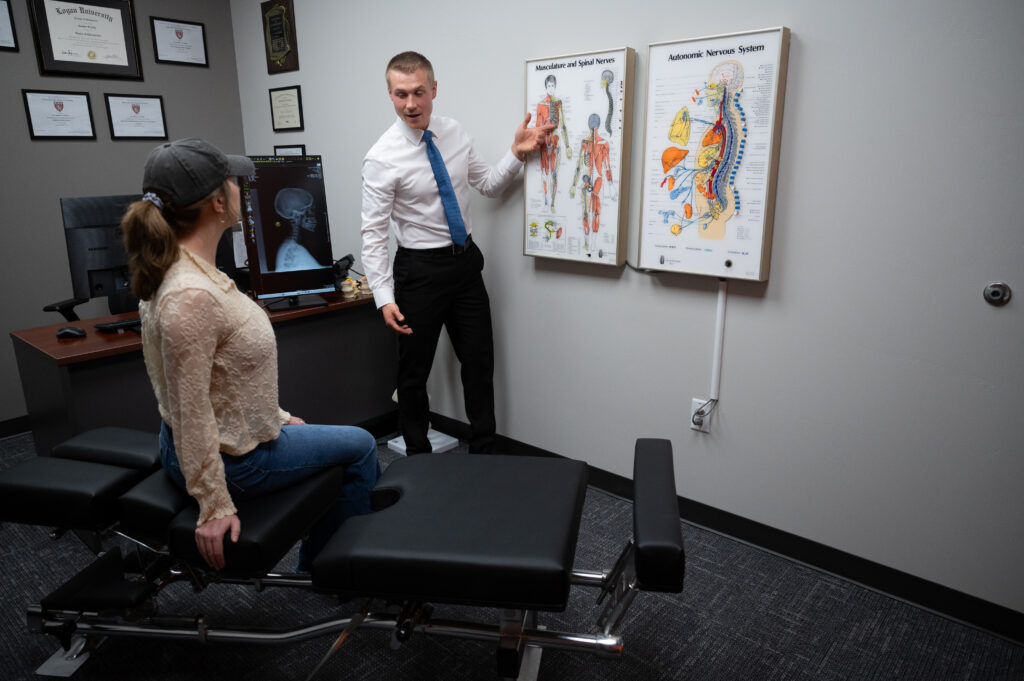
As a local chiropractor, I want to emphasize the importance of effective rehabilitation techniques and strategies in your recovery journey following an injury. The first step is to accurately assess the extent of your injury. I encourage you to consult with a healthcare professional, like myself, who can create a personalized rehabilitation plan tailored to your specific needs.
A cornerstone of this plan often includes chiropractic adjustments and physical therapy, which focus on restoring your strength, flexibility, and range of motion. Through gentle manipulations, we can help alleviate pain and enhance your body's natural healing process.
Incorporating specific exercises into your routine is crucial. We typically start with gentle movements to promote blood circulation and prevent stiffness. As you progress, we'll introduce strengthening exercises targeting the injured area. Utilizing resistance bands and body-weight movements can yield significant benefits. It's vital to listen to your body; if you experience pain, we may need to modify your approach.
Balance and coordination exercises are another essential component of rehabilitation. These exercises can help you regain stability and confidence in your movements. Activities like balance training on a stability ball or using a wobble board are excellent ways to improve your coordination.
Don't underestimate the importance of rest and recovery. Allowing your body adequate time to heal is just as crucial as performing exercises. Prioritizing quality sleep is essential, as this is when your body engages in much of its restorative work.
Lastly, maintaining a positive mindset is a vital aspect of the healing process. Your mental resilience can significantly influence your recovery. Surrounding yourself with supportive individuals and setting realistic goals can help keep your motivation high.
Nutrition for Recovery
Rehabilitation isn't just about exercises and adjustments; nutrition plays a crucial role in your recovery journey. As a local chiropractor, I want to emphasize how what you eat can significantly influence your ability to recover from an injury. Your body needs specific nutrients to heal damaged tissues, reduce inflammation, and restore strength.
First and foremost, let's talk about protein. Consuming enough protein is essential for repairing muscles and tissues. I recommend incorporating lean sources such as chicken, fish, beans, and legumes into your meals. These foods will support your muscle recovery and promote growth, which is vital for getting back to your normal activities.
Next, we mustn't overlook the importance of carbohydrates. They serve as your body's main energy source, especially during recovery. Focus on whole grains, fruits, and vegetables. Not only do they provide the energy you need, but they also supply essential vitamins and minerals that aid in the healing process.
Healthy fats are also key players in your recovery. Foods rich in omega-3 fatty acids, such as salmon, walnuts, and flaxseeds, can help to reduce inflammation, paving the way for a smoother recovery.
Let's not forget hydration. Water is fundamental for nutrient transport and joint lubrication, so it's essential to drink enough throughout the day. In addition, electrolytes found in sports drinks or coconut water can help replenish what's lost through sweat, especially if you're still engaging in gentle exercises during your recovery.
Finally, I encourage you to consider consulting a nutritionist. They can help create a personalized plan that aligns with your specific injury and recovery goals.
Mental Resilience and Focus
As a local chiropractor, I want to emphasize the significance of mental resilience and focus in your recovery journey, especially when dealing with injuries. While physical healing is crucial, your mindset is equally important in how you face setbacks, pain, and the rehabilitation process. It's common to feel frustrated or defeated when you're sidelined, but developing mental resilience can empower you to bounce back even stronger.
One effective approach is to set realistic goals for your recovery. Break down your healing process into smaller, manageable milestones. Celebrate each achievement, whether it's regaining flexibility, improving strength, or simply learning to manage pain more effectively. These small victories can keep you motivated and focused on your ultimate aim of returning to your activities.
Visualization techniques can also play a significant role in your recovery. Imagine yourself performing at your best—executing movements with precision and confidence. This mental practice not only boosts your motivation but also strengthens the neural pathways associated with those skills.
Additionally, incorporating mindfulness or meditation can enhance your ability to stay present and reduce anxiety about your injury.
It's also essential to surround yourself with a supportive network, which may include your chiropractor, coaches, teammates, and mental health professionals. Their encouragement can have a profound impact on your mindset, reminding you that setbacks are a normal part of any athlete's journey.
Lastly, practice patience with yourself—recovery is a process that takes time. Embracing this journey will help you build the mental toughness necessary to face future challenges.
Preventative Measures for Athletes
As a local chiropractor, I want to emphasize the importance of taking preventative measures to keep your body healthy and injury-free, especially if you're an athlete.
One of the most effective ways to do this is by incorporating proper warm-up techniques before each workout. This prepares your muscles and joints for the physical demands ahead, reducing the risk of injury.
Additionally, a well-rounded strengthening and conditioning program can significantly boost your overall performance and resilience.
These practices not only enhance your athletic abilities but also contribute to your long-term health. By focusing on these preventative measures, you can help safeguard your athletic journey and support your body's natural healing processes.
Proper Warm-Up Techniques
As a local Chiropractor, I want to emphasize the importance of a proper warm-up, not just for athletes, but for anyone engaging in physical activity. A well-executed warm-up is crucial in preventing injuries and ensuring your body is ready for movement. It helps increase blood flow, elevates your heart rate, and enhances the elasticity of your muscles, which can contribute to better overall performance.
To begin, I recommend starting with 5 to 10 minutes of light aerobic activity. This could be as simple as a gentle jog or even jumping rope—anything that gets your cardiovascular system activated and your body prepared for more intense movements.
Once you feel warmed up, it's vital to incorporate dynamic stretching into your routine. These stretches should mimic the actions you'll be performing in your activity. For example, leg swings, arm circles, and walking lunges are excellent choices that effectively engage your muscles and joints. Aim for 8 to 10 repetitions of each exercise, and don't hesitate to gradually increase your range of motion as you feel more comfortable.
Additionally, integrating sport-specific drills into your warm-up can significantly enhance your preparation. If you're involved in soccer, for instance, practicing dribbling or doing short sprints won't only warm up your muscles but also sharpen your mental focus on the game ahead.
Lastly, I encourage you to listen to your body throughout this process. If you notice any tightness or discomfort, it's important to spend extra time addressing those areas.
Strengthening and Conditioning Programs
As a local chiropractor, I want to emphasize the importance of incorporating a well-designed strengthening and conditioning program into your routine, especially if you're an athlete or someone who's active. Many individuals focus solely on skill development, but a comprehensive approach that includes strengthening and conditioning is crucial for preventing injuries and enhancing overall performance.
These programs are designed to build muscle strength, improve flexibility, and increase endurance, all of which lead to a more resilient body. To get started, it's important to evaluate your current fitness level and pinpoint specific areas that may need improvement.
A balanced strengthening and conditioning program should focus on resistance training to build strength, cardiovascular exercises to boost endurance, and flexibility routines to enhance mobility.
Don't overlook the importance of core stability; a strong core is essential for supporting nearly every movement you make. Incorporating exercises that mimic the movements you perform in your sport or daily activities is key to developing functional strength.
Whether you're running, jumping, or engaging in other physical activities, your program should reflect the demands placed on your body. Remember to gradually increase the intensity and volume of your workouts to avoid overtraining and minimize the risk of injuries.
It's also vital to listen to your body. If something feels off or painful, it's important not to push through. Rest days are just as critical as training days for recovery and maintaining your overall health.
By committing to a thorough strengthening and conditioning program, you can enhance your physical performance while significantly reducing your risk of injury.
As your chiropractor, I'm here to support you on your journey to better health and wellness. Whether you're looking for guidance on creating an effective program or need help with recovery from an injury, my goal is to help you achieve your best self through natural healing methods.
Case Studies and Success Stories
As a local chiropractor, I often see the incredible power of natural healing and how it can transform the recovery process for athletes and everyday individuals alike.
Let me share some inspiring stories that illustrate the holistic approach we advocate in chiropractic care.
Take Sarah, for example, a competitive runner who experienced a severe knee injury. Instead of rushing her recovery, she opted for a comprehensive treatment plan that included chiropractic adjustments alongside physical therapy and mental conditioning. This well-rounded strategy not only accelerated her physical healing but also enhanced her confidence, allowing her to return to the track stronger than ever.
Similarly, there's Mike, a football player who faced a hamstring tear. Initially feeling frustrated with his progress, he collaborated with a sports therapist and incorporated chiropractic care into his rehabilitation. By focusing on specific strength-building exercises and gradually increasing his physical activity, Mike was able to return to the field within weeks, showcasing his newfound resilience. His story underscores the significance of personalized recovery plans that cater to individual needs, something we prioritize in our practice.
Lastly, consider Emily, a gymnast who dealt with recurring ankle sprains. After consulting with a sports psychologist and incorporating chiropractic techniques, she learned how to manage her anxiety about re-injury. This mental shift, combined with a structured strengthening regimen, empowered her to compete at a national level without fear, illustrating the connection between mental well-being and physical performance.
These case studies convey a vital message: recovery extends beyond just physical healing; it also involves nurturing mental fortitude.
As your chiropractor, I encourage you to learn from these athletes and consider how their strategies can be applied to your own recovery journey. Emphasizing a holistic approach that strengthens both your body and mind can pave the way for your peak performance.
Conclusion
As a local chiropractor, I want to emphasize the importance of immediate care and tailored rehabilitation when it comes to healing athletic injuries. By incorporating natural healing methods, proper nutrition, and mental resilience into your recovery plan, you not only heal faster but can also enhance your overall performance.
It's crucial to understand that recovery is just as vital as your training. With the right chiropractic care and approach, you can return to your sport stronger and more focused than ever. I encourage you to implement these strategies consistently, as they will set you on the path to success and ensure that you're always prepared to excel.
Remember, healing is a journey that requires dedication and the right support. Keep moving forward, and together, we'll unlock your true athletic potential!