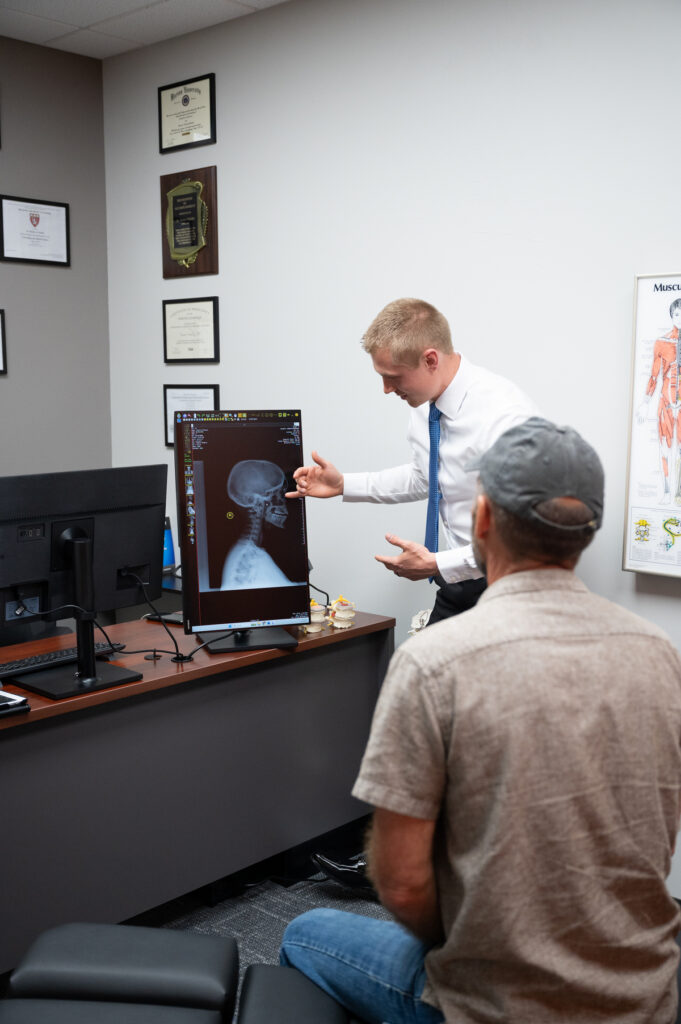

If you’ve ever battled migraines, you understand just how crippling they can be. The journey to finding relief often starts with understanding how your body works and what adjustments can bring you comfort. One of the most effective solutions can be found within chiropractic care. By focusing on spinal alignment and overall body function, we can address the root cause of your migraines rather than just masking the symptoms.
Chiropractic care offers a natural approach to healing that can significantly reduce the frequency and intensity of migraine attacks. By ensuring that your spine is properly aligned, we help to relieve tension and improve blood flow, which can be crucial in alleviating migraine pain.
In addition to regular chiropractic adjustments, there are several lifestyle changes you can incorporate to further support your wellness journey. Here are a few tips:
- Stay Hydrated: Dehydration can trigger migraines, so drinking plenty of water throughout the day is essential.
- Maintain a Balanced Diet: Certain foods may trigger migraines, while others can help. Keep a food diary to identify any patterns that might be contributing to your headaches.
- Practice Good Posture: Poor posture can strain your spine and contribute to headaches. Make sure to sit up straight and take regular breaks when working at a desk.
- Incorporate Relaxation Techniques: Stress is a common migraine trigger. Techniques such as deep breathing, yoga, or meditation can help you manage stress levels.
- Get Regular Sleep: Establishing a consistent sleep schedule can help regulate your body’s rhythms and reduce the likelihood of migraines.
By embracing these strategies alongside chiropractic care, you can take proactive steps toward managing your migraines and enhancing your overall health. Remember, the journey to wellness is a holistic one, and chiropractic care can be a cornerstone in achieving optimal health. If you’re ready to explore how chiropractic adjustments can help you find relief, I invite you to reach out and start your path to a migraine-free life.
Key Takeaways
- Regular chiropractic adjustments are a fantastic way to relieve neck tension and enhance spinal alignment, which can help reduce the frequency and intensity of migraines. By keeping your spine aligned, you may notice fewer headaches and a greater sense of well-being.
- Chiropractic care is all about improving the communication between your brain and body. This enhanced connection supports overall wellness and can lead to fewer migraine episodes. When your body is in balance, it functions better, which is essential for maintaining health.
- Gentle spinal manipulation and soft-tissue techniques used by chiropractors can effectively address joint misalignments and muscular tension that often trigger migraines. These natural approaches focus on healing the source of the problem rather than masking the symptoms.
- Incorporating regular chiropractic sessions into your routine can complement other positive lifestyle changes you make. This can promote relaxation and hormonal balance, both of which are key factors in reducing migraine occurrences.
- By committing to consistent chiropractic care, you’re not just managing headaches; you’re improving your overall quality of life. Many patients find that their headache intensity diminishes, and they experience enhanced health and vitality.
As a takeaway, remember that prioritizing your spinal health through chiropractic care can provide you with a natural and effective solution for migraines and overall wellness. Consider scheduling regular visits and embrace lifestyle changes that promote relaxation and balance in your life!
Understanding Migraines: Causes and Triggers
Migraines can be incredibly challenging, and understanding their causes and triggers is essential for effective management. These intense headaches may stem from a combination of genetic, environmental, and lifestyle factors. One significant trigger is stress, which can create muscle tension and hormonal changes that lead to a migraine. As a chiropractor, I often see how spinal health can play a role in stress relief. Regular chiropractic adjustments can help alleviate tension in your neck and back, promoting relaxation and potentially reducing migraine occurrences.
Sleep patterns are another critical factor. Both too much and too little sleep can trigger migraines, so it’s important to maintain a consistent sleep routine. You might consider keeping a sleep diary to track your habits, and incorporating chiropractic care can help improve your overall sleep quality by ensuring your spine is aligned and your nervous system is functioning optimally.
Certain sensory stimuli, such as bright lights or loud noises, can also provoke migraines. Additionally, many people experience migraines related to weather changes, particularly shifts in barometric pressure. While you can’t control the weather, you can control your environment. Creating a calm, dimly lit space can help mitigate these sensory triggers.
For many women, hormonal changes during their menstrual cycles can lead to migraines. Chiropractic care can support hormonal balance and overall wellness, helping to reduce the frequency of these hormone-related migraines.
The Role of Diet in Migraine Management
Your diet plays a crucial role in managing migraines, especially when it comes to understanding how certain foods can trigger those painful episodes. As a chiropractor, I emphasize the importance of identifying and avoiding these trigger foods, as this can significantly enhance your comfort and well-being.
In addition to being mindful of what you eat, don’t forget about hydration. Drinking enough water is essential for not just migraine relief but overall health. Staying hydrated helps maintain the balance in your body, which is vital for optimal spinal health and function.
Remember, the body is interconnected, and what you choose to put into it can affect your entire system. By focusing on a balanced diet and staying hydrated, you can empower yourself to manage migraines more effectively. Additionally, incorporating regular chiropractic care can support your body’s natural healing processes, helping to reduce pain and improve your quality of life.
Here are some general tips to help you on your journey to better health:
- Keep a Food Diary: Track what you eat and any migraine symptoms you experience. This can help you identify potential trigger foods.
- Stay Hydrated: Aim for at least 8 glasses of water a day, adjusting as needed based on your activity level and climate.
- Eat Regularly: Skipping meals can lead to drops in blood sugar levels, which may trigger migraines. Try to eat balanced meals at regular intervals.
- Consider Whole Foods: Focus on whole, unprocessed foods that are rich in nutrients. These can help support your overall health and potentially reduce migraine frequency.
- Consult Your Chiropractor: Regular visits can help align your spine and improve your nervous system function, which may also play a role in managing migraines.
Trigger Foods to Avoid
Managing migraines can often feel like a daunting task, but understanding how your diet plays a role can significantly help in reducing the frequency and intensity of these headaches. As a chiropractor dedicated to promoting health and wellness, I believe in the power of natural healing and lifestyle adjustments. One key area to focus on is identifying and avoiding certain trigger foods that may exacerbate migraine symptoms. Here are four common culprits to keep an eye on:
- Aged Cheeses – These tasty dairy products often contain tyramine, a substance that can trigger migraines in some people. If you notice a pattern of headaches after enjoying a cheese platter, consider cutting back to see if it makes a difference.
- Processed Meats – Items like hot dogs and deli meats often contain nitrates, which are known to contribute to migraines. Opting for fresh, unprocessed proteins can’t only help in reducing headache triggers but also support overall health.
- Chocolate – While it’s a favorite treat for many, chocolate can provoke migraines in sensitive individuals. If you find that your cravings lead to discomfort, try substituting with healthier snacks such as fruits or nuts.
- Alcohol – Red wine, in particular, is a common migraine trigger for many. Limiting alcohol intake or choosing lower-histamine options can be beneficial in maintaining a headache-free lifestyle.
In addition to avoiding these trigger foods, consider incorporating chiropractic care into your wellness routine. Chiropractic adjustments can help improve spinal alignment and reduce tension, which may contribute to headaches.
By focusing on a holistic approach to health, including proper nutrition, regular chiropractic visits, and stress management techniques, you can take control of your wellbeing.
Hydration and Migraine Relief
Staying properly hydrated is crucial for managing migraines, as even mild dehydration can trigger headaches. As a local chiropractor, I emphasize the importance of hydration in maintaining not just your overall wellness but also in supporting spinal health. Aim to drink at least eight 8-ounce glasses of water throughout your day. Remember, beverages like caffeine and alcohol can lead to dehydration, so it’s wise to limit those.
Incorporating hydrating foods into your diet is another excellent approach. Fresh fruits and vegetables, such as cucumbers, watermelon, and oranges, not only quench your thirst but also provide essential nutrients that support your body’s natural healing processes. If you’re active or spending time in warm weather, be sure to increase your fluid intake to stay ahead of dehydration.
Pay attention to your body’s signals; if you start feeling thirsty or notice a dry mouth, it’s time to hydrate. By prioritizing hydration, you can reduce the frequency and intensity of your migraines, leading to better overall well-being. Remember, chiropractic care can also play a vital role in pain relief and enhancing your body’s natural ability to heal itself, so consider how regular adjustments might complement your hydration efforts for optimal health.
Stress Management Techniques for Migraine Relief
Managing stress is vital for those who experience migraines, as it can significantly decrease their frequency and severity. As a chiropractor, I emphasize the importance of holistic and natural approaches to health and wellness.
Below are four effective stress management techniques that can help alleviate migraines and promote overall well-being:
- Deep Breathing: Throughout your day, take a few moments to engage in deep breathing exercises. Inhale deeply through your nose, hold for a few seconds, and then exhale slowly through your mouth. This simple practice can help calm your nervous system and reduce tension in your body.
- Mindfulness Meditation: Dedicate 5-10 minutes each day to mindfulness meditation. Focus on the present moment while letting go of worries and distractions. This practice not only helps reduce stress but also fosters a sense of peace and relaxation, which can positively impact your overall health.
- Regular Exercise: Incorporate physical activities into your routine that you enjoy, such as walking, yoga, or dancing. Exercise is a natural stress reliever that releases endorphins, helping to elevate your mood and alleviate stress, which is beneficial for migraine management.
- Journaling: Take time to write down your thoughts and feelings. This reflective practice can help you process emotions and identify specific stressors that may trigger your migraines. Understanding these triggers allows you to make informed choices about your lifestyle and wellness.
By integrating these techniques into your daily life, you can cultivate a more balanced and migraine-free existence. Remember, chiropractic care is also a powerful ally in achieving optimal health, addressing underlying issues, and promoting natural healing.
Consider visiting your chiropractor to explore how spinal health can further enhance your well-being and reduce stress.
The Importance of Sleep Hygiene
Good sleep hygiene is crucial for anyone looking to manage migraines effectively, and it plays a vital role in your overall health and wellness. Establishing consistent sleep patterns can help regulate your body’s internal clock, which may reduce the chances of triggering a migraine. Aim for 7 to 9 hours of quality sleep each night, and try to go to bed and wake up at the same time every day to support your body’s natural rhythms.
Creating a calming bedtime routine can significantly impact your sleep quality. It’s important to limit screen time before bed because the blue light emitted by devices can interfere with melatonin production, which is essential for good sleep. Instead, consider winding down with a good book or practicing relaxation techniques that can help ease tension.
Your sleeping environment also plays a key role in achieving restful sleep. Make sure your room is dark, cool, and quiet. These conditions can help promote deeper sleep, which is essential for your body’s recovery and pain management.
Avoiding caffeine and heavy meals close to bedtime can further enhance your sleep cycle. These substances can disrupt your ability to fall asleep and stay asleep. Remember, quality sleep not only supports migraine management but also contributes to your overall health and wellness.
Prioritizing sleep hygiene is an essential part of your wellness journey. By focusing on these habits, you’re not just taking a step toward migraine relief; you’re investing in a healthier, more balanced life. And don’t forget, regular chiropractic care can also assist in maintaining optimal health by addressing any underlying spinal issues that might affect your sleep and overall well-being.
Physical Activity and Its Impact on Migraines
When it comes to managing migraines, the type of exercise you choose plays a vital role in your overall wellness. Staying consistent with your physical activity can significantly influence how often you experience migraines, and it can also enhance your overall health.
As a chiropractor, I believe that incorporating regular movement and specific exercises can create a positive ripple effect in your migraine journey. Gentle activities, such as walking, swimming, or yoga, can help reduce tension in your body and promote relaxation. These exercises not only support your physical health but also contribute to a balanced spine, which is essential for optimal nerve function.
Moreover, maintaining good posture during your daily activities is crucial. Poor posture can lead to spinal misalignments that may trigger or exacerbate migraine symptoms. Simple adjustments, like sitting up straight and using ergonomic furniture, can help alleviate this tension.
Chiropractic care is an excellent way to complement your exercise routine. Regular adjustments can improve spinal alignment, enhance circulation, and reduce muscle tension—all of which may help alleviate migraine pain. By focusing on natural healing methods, you can empower your body to function at its best without relying on medications or invasive procedures.
To further support your journey, consider these general tips:
- Stay hydrated: Dehydration can trigger migraines, so drink plenty of water throughout the day.
- Maintain a regular sleep schedule: Aim for consistent sleep patterns to help regulate your body’s internal clock.
- Practice relaxation techniques: Incorporate deep breathing, meditation, or gentle stretching to manage stress effectively.
Exercise Types Matter
Regular exercise isn’t just good for your overall health; it can significantly impact the frequency and intensity of migraines. As a chiropractor, I believe that choosing the right types of physical activity is crucial for natural healing and wellness. Here are some effective options to consider that can complement your chiropractic care:
- Walking: This simple yet powerful exercise can enhance circulation and help reduce stress levels. Incorporating regular walks into your routine not only aids in physical health but can also contribute to mental clarity.
- Yoga: Combining stretching and relaxation, yoga is a low-impact exercise that can help alleviate tension in your body. Many of my patients have found that yoga reduces their migraine frequency while promoting overall spinal health.
- Swimming: The calming properties of water can soothe muscle tension and provide a gentle, full-body workout. Swimming is especially beneficial for those with chronic pain, as the buoyancy reduces strain on the joints and spine.
- Cycling: Whether you prefer cycling outdoors or on a stationary bike, this activity can lift your mood and improve cardiovascular health without putting excessive strain on your body. It’s a great way to keep your spine aligned and engaged.
Incorporating these exercises into your daily routine can have a positive impact on managing migraines. Remember, it’s essential to listen to your body and choose activities that resonate with you. Along with exercise, regular chiropractic adjustments can help maintain proper spinal alignment, which is key to reducing pain and promoting natural wellness.
Together, these practices can lead to a healthier, pain-free life.
Consistency Is Key
Consistently engaging in physical activity can make a significant difference in managing migraines, and incorporating chiropractic care can enhance those benefits even further. When you maintain a regular exercise routine, you’re likely to reduce the frequency and intensity of your migraine attacks. Choose activities that you enjoy, whether it’s walking, cycling, or yoga; finding joy in your routine will help you stay motivated.
Make it a habit by setting specific days and times for your workouts. Not only will this improve your physical health, but it can also elevate your mood and reduce stress—two common triggers for migraines. Remember, it’s not about pushing yourself to extremes; even moderate exercise can be incredibly beneficial.
In addition to exercise, consider how chiropractic care can support your wellness journey. Regular adjustments can help alleviate tension and misalignments in your spine, which may contribute to headaches and migraines. By prioritizing consistency in both your exercise routine and chiropractic visits, you create a positive cycle that supports your overall well-being and helps keep those migraines at bay.
Hydration: A Key Component in Prevention
Staying hydrated is essential for overall health and can be particularly important in preventing migraines. When your body lacks sufficient water, it can lead to dehydration, which may trigger those debilitating headaches. By prioritizing hydration, you can help minimize the risk of migraines and support your body’s natural healing processes.
Here are four simple tips to ensure you’re drinking enough fluids throughout the day:
- Carry a Water Bottle: Keep a reusable water bottle with you at all times. This serves as a constant reminder to sip water regularly, helping you stay on track with your hydration goals.
- Set Reminders: Use your phone or a hydration app to set reminders to drink water throughout the day. These gentle nudges can help you develop a consistent hydration habit.
- Infuse Your Water: Make drinking water more enjoyable by adding slices of fruits like lemon, cucumber, or berries, or fresh herbs like mint. Infused water can offer a refreshing taste and encourage you to drink more.
- Track Your Intake: Consider using a journal or an app to keep an eye on how much water you consume each day. Aim for at least eight 8-ounce glasses of water daily, but listen to your body and adjust as needed.
Remember, hydration is just one component of a healthy lifestyle. Regular chiropractic care can also play a significant role in maintaining your overall well-being.
Alternative Therapies: Acupuncture and Massage
Many people seek relief from migraines through various methods, and while alternative therapies like acupuncture and massage can provide benefits, chiropractic care stands out as a highly effective option for achieving optimal health and wellness.
Chiropractic care focuses on the spine and nervous system, which play crucial roles in overall health. Misalignments in the spine can contribute to tension and pain, leading to migraine symptoms. By utilizing gentle adjustments, chiropractors can help restore proper alignment, reduce nerve irritation, and promote better communication between the brain and body. Many patients report significant relief from migraines following chiropractic treatment, often experiencing fewer episodes and improved overall well-being.
In addition to chiropractic adjustments, incorporating healthy lifestyle habits can further support migraine management. Simple practices such as maintaining proper hydration, managing stress through relaxation techniques (like deep breathing or yoga), and ensuring adequate sleep can make a big difference. Regular physical activity, tailored to your comfort level, can also help reduce tension and improve circulation, contributing to fewer migraines.
If you’re considering options for migraine relief, I encourage you to explore chiropractic care. Consulting with a qualified chiropractor can help you develop a personalized plan that addresses your unique needs, enhancing your journey towards health and wellness. Remember, prioritizing spinal health is key to achieving lasting relief and a better quality of life.
Keeping a Migraine Diary: Tracking Patterns
Tracking your migraines can be a transformative step in understanding the underlying triggers and patterns that contribute to your headaches. As a chiropractor, I encourage you to keep a migraine diary to help you manage your condition naturally and effectively. By identifying patterns, you can work towards better health and wellness with chiropractic care as your primary focus. Here are some key elements to include in your diary:
- Date and Time: Write down when each migraine begins and ends. This will help you recognize how long your migraines last and may reveal patterns over time.
- Symptoms: Describe the intensity and type of pain you experience, along with any other symptoms such as nausea or sensitivity to light. Understanding these details can help you communicate better with your chiropractor about your condition.
- Triggers: Keep an eye on potential triggers like certain foods, stress levels, or changes in weather. By noting these factors, you can work with your chiropractor to develop strategies for avoiding these triggers and enhancing your overall well-being.
- Chiropractic Care and Relief: Instead of tracking medications, focus on the chiropractic adjustments and techniques you’ve tried, noting their effectiveness in alleviating your migraines. Regular chiropractic care can help address spinal misalignments that may contribute to headache pain, promoting natural healing and pain relief.
In addition to keeping a migraine diary, consider these general tips for managing your migraines and enhancing your health naturally:
- Stay Hydrated: Dehydration can trigger migraines, so make sure you drink plenty of water throughout the day.
- Practice Relaxation Techniques: Stress can be a significant trigger, so incorporate deep breathing, yoga, or meditation into your routine.
- Maintain a Regular Sleep Schedule: Sleep disturbances can lead to migraines, so aim for consistent sleep patterns.
- Consider Posture: Poor posture can strain your spine and contribute to headaches. Make sure your workspace is ergonomically set up and practice good posture throughout the day.
Environmental Adjustments to Reduce Triggers
To effectively manage migraines, making environmental adjustments can play a vital role in reducing triggers, and chiropractic care can further enhance your well-being. Start by taking a look at your surroundings—bright lights, loud noises, and strong odors can all set off a migraine. Dimming the lights and using noise-canceling headphones can help create a calming atmosphere that supports relaxation and healing.
When it comes to your workspace, consider the importance of maintaining good posture. Using an ergonomic chair and desk can’t only help you sit comfortably but also support your spine’s natural alignment. Keeping your area clutter-free can further reduce stress, which is essential for migraine management. Also, be aware of the temperature in your environment; both excessive heat and cold can trigger migraines. Keeping your space at a comfortable temperature with fans or by adjusting your thermostat can help mitigate these triggers.
Another key factor is your exposure to screens. Regular breaks from digital devices can prevent eye strain, which is often linked to headaches. And don’t forget about air quality; using air purifiers or humidifiers can create a healthier environment, allowing you to breathe easier and feel better overall.
In addition to these adjustments, consider incorporating chiropractic care into your routine. Chiropractors focus on aligning the spine and improving overall body function, which can lead to decreased frequency and intensity of migraines. By addressing spinal health, you may find natural relief from pain and a more balanced state of wellness.
Seeking Professional Support: When to Consult a Specialist
Making adjustments to your environment can significantly enhance your migraine management, but sometimes, additional support is essential. If you find that your migraines are disrupting your daily life or you’re struggling to find relief, it may be time to consider a holistic approach, such as chiropractic care.
Here are four signs that suggest you could benefit from consulting a chiropractor:
- Frequent Attacks: If you’re experiencing migraines more than twice a month, it’s crucial to seek expert advice. A chiropractor can help identify underlying issues that may be contributing to your frequency of attacks.
- Increased Severity: When your migraines become more intense or last longer than usual, don’t hesitate to reach out for chiropractic care. Spinal adjustments can improve your nervous system function and may reduce the severity of your migraines.
- Over-the-Counter Meds Fail: If typical medications aren’t providing relief, consider visiting a chiropractor. They can offer natural, drug-free treatment options that focus on restoring balance to your body and addressing the root causes of your pain.
- New Symptoms: Any sudden changes in your migraine pattern or the emergence of new symptoms should prompt a professional evaluation. A chiropractor can assess your spine and overall wellbeing to help you regain control over your health.
In addition to seeking chiropractic care, here are some general tips for managing migraines naturally:
- Stay Hydrated: Ensure you’re drinking enough water daily, as dehydration can trigger migraines.
- Maintain a Regular Sleep Schedule: Consistent sleep patterns can help reduce the frequency of migraines.
- Practice Relaxation Techniques: Stress is a common trigger for migraines, so incorporating techniques like deep breathing, yoga, or meditation can be beneficial.
- Monitor Your Diet: Keep track of foods that may trigger your migraines and aim for a balanced diet rich in whole foods.
Don’t hesitate to explore chiropractic care as a natural and effective way to manage your migraines and enhance your overall quality of life.
Conclusion
Understanding your migraines and making targeted lifestyle adjustments can significantly reduce their frequency and intensity. As a chiropractor, I emphasize the importance of a holistic approach to health and wellness. Start by focusing on your diet—incorporate plenty of whole foods and stay hydrated. Managing stress through relaxation techniques like deep breathing or yoga can also help alleviate migraine triggers. Prioritize quality sleep and engage in regular physical activity to keep your body and spine in optimal condition.
Chiropractic care plays a vital role in natural healing. By aligning your spine and addressing any musculoskeletal imbalances, you can enhance your overall well-being and potentially reduce migraine occurrences. Alternative therapies like acupuncture or massage can complement your chiropractic adjustments, providing further relief and relaxation.
Keeping a migraine diary can be an invaluable tool in tracking patterns and identifying potential triggers. Don’t hesitate to seek professional support from a chiropractor who can tailor a treatment plan specifically for you. With these strategies and the benefits of chiropractic care in your corner, you’re on the path to effective migraine relief and a healthier, more vibrant life.