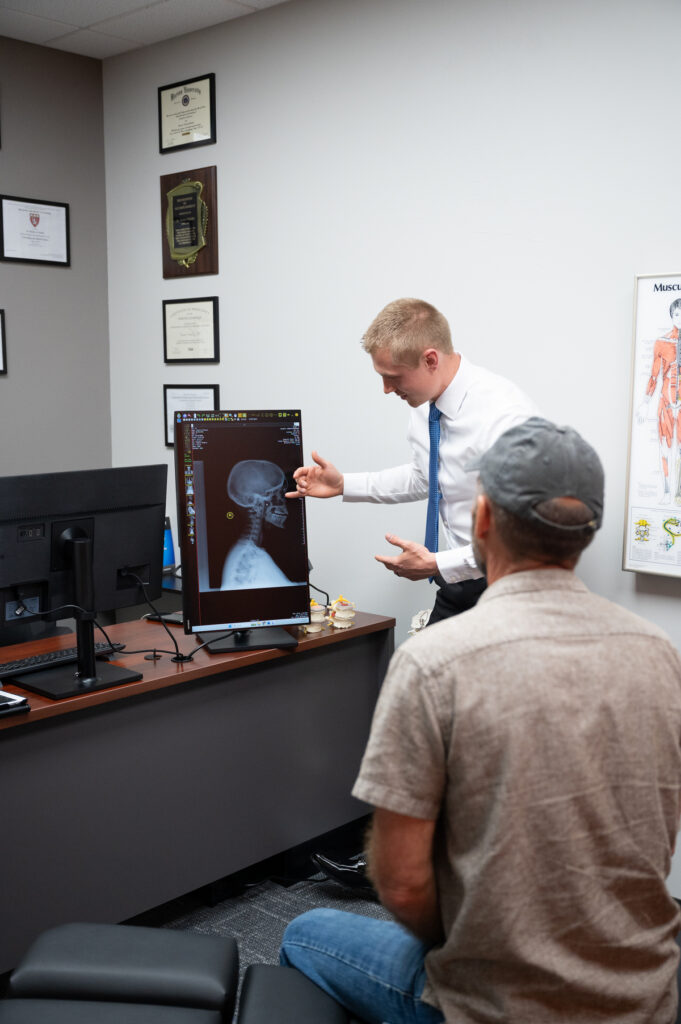

If you’re experiencing stiffness discomfort, know that you’re not alone. This common issue can arise from a variety of sources, but the good news is that there are effective strategies to help manage and alleviate that stiffness. As a chiropractor, I firmly believe that chiropractic care stands out as one of the best ways to achieve pain relief and promote natural wellness.
Chiropractic adjustments can help realign your spine, which often alleviates tension and tightness in your muscles and joints. This not only addresses the immediate discomfort but can also improve your overall mobility and well-being. Additionally, incorporating mindful stretching into your routine can enhance flexibility and reduce stiffness. Simple movements, such as gentle neck rolls or shoulder shrugs, can make a significant difference.
To further support your journey toward relief, consider these general tips:
- Stay Hydrated: Proper hydration keeps your muscles lubricated and can help prevent stiffness.
- Maintain Good Posture: Be mindful of your posture while sitting or standing, as it plays a crucial role in spinal health.
- Regular Physical Activity: Engage in low-impact exercises, like walking or swimming, to keep your body moving and joints flexible.
- Listen to Your Body: Pay attention to how different activities affect your stiffness, and adjust accordingly.
By exploring these approaches, especially chiropractic care, you can pave your way to a more comfortable, active lifestyle. Remember, your journey to relief starts with understanding your body and making informed choices.
Key Takeaways
- Regular chiropractic adjustments are a fantastic way to alleviate stiffness by ensuring your spine is properly aligned and your joints are functioning optimally. This natural approach not only helps relieve discomfort but also promotes overall wellness.
- Incorporating daily stretching routines is essential for maintaining flexibility and reducing tightness in your muscles. Focus on key muscle groups that often hold tension, such as your back, hips, and shoulders. Stretching can be a simple yet effective complement to your chiropractic care.
- Staying hydrated and nourishing your body with anti-inflammatory foods, such as leafy greens and fatty fish, is vital for supporting joint health. These foods can help reduce inflammation and promote healing from the inside out.
- Engaging in mindfulness practices, such as deep breathing exercises, can significantly help reduce stress-related muscle tension and stiffness. By keeping your mind relaxed, you can also help your body feel more at ease.
- Making ergonomic adjustments in your workspace can prevent strain and discomfort, especially if you spend long hours sitting. Simple changes like using a chair that supports your lower back or positioning your computer screen at eye level can promote better posture and enhance your overall comfort throughout the day.
Remember, chiropractic care offers a holistic and effective approach to achieving optimal health and wellness. By combining regular adjustments with these simple lifestyle tips, you can take control of your stiffness discomfort and enhance your quality of life.
Understanding Stiffness: Causes and Symptoms
When you experience stiffness, it’s vital to understand the underlying causes, as this knowledge can lead you to effective relief. Stiffness often arises from muscle strain, overuse, or even sitting for prolonged periods. You may feel it after an intense workout or if you’ve been desk-bound for too long. Conditions like arthritis can also contribute to stiffness, resulting in ongoing discomfort.
Recognizing the symptoms is an important first step toward feeling better. You might notice tightness, a limited range of motion, or pain in affected areas. Your joints could feel swollen or tender, too. It’s helpful to pay attention to when these symptoms arise and how they impact your daily life. By observing these patterns, you can identify triggers that may lead to stiffness.
Chiropractic care is an excellent choice for addressing stiffness and promoting overall wellness. Chiropractors specialize in aligning the spine and improving joint function, which can relieve stiffness and enhance mobility. Regular adjustments can help maintain proper alignment, reducing the likelihood of stiffness caused by muscle imbalances or joint dysfunction.
To support your body and prevent stiffness, consider incorporating some simple habits into your routine:
- Stay Active: Regular movement helps keep your muscles and joints flexible. Even short walks or gentle stretching can make a big difference.
- Posture Awareness: Pay attention to your posture, especially if you spend long hours sitting. Ergonomic adjustments to your workspace can help reduce strain on your back and neck.
- Hydration: Drink plenty of water to keep your muscles and joints hydrated, which can aid in preventing stiffness.
- Mindful Breaks: If you’re working at a desk, take short breaks to stand, stretch, and move around. This can help alleviate tension and stiffness.
- Seek Chiropractic Care: Regular visits to your chiropractor can help maintain spinal health, alleviate stiffness, and promote natural healing.
By understanding the causes of stiffness and implementing these practical tips, you can take proactive steps toward relief and improved well-being.
The Importance of Stretching for Flexibility
Stretching is a vital component of maintaining flexibility and overall mobility, and as a chiropractor, I can’t emphasize enough how important it’s for your spinal health.
Regular stretching not only enhances your range of motion but also significantly lowers your risk of injuries, particularly in the back and neck areas where many people experience discomfort.
Incorporating effective stretching techniques into your daily routine can help you enjoy the full benefits of flexibility, ease stiffness, and promote better posture, which is fundamental for a healthy spine.
Here are a few simple tips you can use:
- Start Slow: If you’re new to stretching, begin with gentle stretches to avoid straining your muscles. Listen to your body and ease into each stretch.
- Focus on Key Areas: Pay special attention to the muscles that support your spine, including your hamstrings, hip flexors, and back muscles. Stretching these areas can help alleviate tension and improve your alignment.
- Consistency is Key: Aim to stretch at least a few times a week. Making it part of your routine can significantly enhance your flexibility over time.
- Breath and Relax: When you stretch, remember to breathe deeply and relax. This can help release tension in your muscles and make your stretches more effective.
- Consider Chiropractic Care: Regular visits to your chiropractor can complement your stretching routine. Chiropractic adjustments can improve your spinal alignment, enhance your mobility, and help you achieve optimal health naturally.
By prioritizing stretching and chiropractic care, you can create a holistic approach to wellness that supports your body and helps you live pain-free.
Benefits of Regular Stretching
Incorporating regular stretching into your daily routine not only enhances your flexibility but also significantly contributes to your overall well-being. As a chiropractor, I can’t stress enough how beneficial stretching is for maintaining a healthy spine and reducing discomfort. When you stretch, you’re not just improving your range of motion; you’re actively decreasing the risk of injuries and muscle soreness, which can lead to misalignments in your spine.
Stretching increases blood flow to your muscles, helping them recover faster after workouts. This is particularly important for those of us who lead active lifestyles or spend long hours sitting. Improved circulation can help alleviate tension in your back and neck, leading to better posture and less discomfort.
Moreover, stretching has mental health benefits too. It can relieve stress and promote relaxation, allowing you to feel more energized and focused throughout the day. This is especially valuable for those who may experience anxiety or stress, as a regular stretching routine can serve as a form of self-care.
You don’t need to dedicate hours to stretching—just a few minutes each day can create a significant impact. Here are some simple tips to incorporate stretching into your routine:
- Set a Reminder: Whether it’s in the morning, during your lunch break, or before bed, setting a daily reminder can help you establish a stretching habit.
- Focus on Key Areas: Pay special attention to areas that tend to hold tension, such as your back, neck, and shoulders. Gentle stretches can help release that tightness.
- Breathe Deeply: While stretching, take deep breaths. This not only enhances the stretch but also helps calm your mind.
- Listen to Your Body: Stretching should never hurt. If you feel pain, ease off and find a more comfortable position.
By making stretching a regular part of your day, you’re not only taking steps towards a more flexible body but also enhancing your overall health and well-being.
Techniques for Effective Stretching
Three key techniques can enhance your stretching routine and promote flexibility while supporting your overall health and wellness. As a local chiropractor, I want to emphasize that incorporating proper stretching can complement your chiropractic care and contribute to a pain-free, active lifestyle.
First, consider dynamic stretching before your workouts. These movements help warm up your muscles and prepare them for action, enhancing your range of motion. Think of dynamic stretches as a way to get your body ready for movement, much like how a chiropractor prepares your spine for optimal alignment.
Second, it’s important to include static stretching after your exercise. Holding stretches for 20-30 seconds can help lengthen your muscles and promote recovery. This practice not only aids in flexibility but also supports the natural healing process, aligning perfectly with the principles of chiropractic care.
Finally, practice progressive stretching by gradually increasing your stretch intensity. Start with gentle stretches and slowly push your limits over time. This method mirrors how chiropractic adjustments work—gradually improving your body’s function and reducing discomfort through consistent care.
Remember, consistency is key! Aim to stretch at least three times a week, and you’ll likely notice significant improvements in your flexibility and overall well-being.
Stretching and Injury Prevention
While many people overlook the importance of flexibility in preventing injuries, it’s vital to understand that regular stretching can significantly lower your chances of experiencing strains and sprains.
As a chiropractor, I emphasize that integrating stretching into your daily routine not only enhances your body’s range of motion but also supports your overall wellness and performance.
Here are three key benefits of stretching for injury prevention:
- Improved Flexibility: Stretching helps your muscles become more elastic, allowing for smoother and more efficient movements. This can lead to better athletic performance and everyday function.
- Enhanced Blood Flow: Stretching encourages better circulation, which means oxygen and nutrients reach your muscles more effectively. This aids in recovery and can help reduce muscle soreness, making you feel better after physical activity.
- Better Posture: Regular stretching promotes proper alignment of your muscles and joints, which is essential for maintaining good posture. Good posture not only enhances your appearance but also reduces the risk of injuries related to misalignment.
To incorporate stretching into your routine, consider setting aside a few minutes each day for gentle stretches, focusing on major muscle groups.
Additionally, pairing stretching with chiropractic adjustments can provide even greater benefits by ensuring your spine and nervous system are functioning optimally.
Make stretching a priority, and you’ll be taking significant steps towards a healthier, injury-free lifestyle.
Effective Physical Therapy Techniques
Effective chiropractic techniques can significantly ease stiffness discomfort, helping you regain mobility and enhance your overall quality of life. One fundamental approach is spinal manipulation, a hands-on technique that works to realign the spine and alleviate tightness throughout your body. This can improve circulation and support your body’s natural healing processes.
Another valuable method is myofascial release, which targets the connective tissue surrounding muscles. This technique can help release tension, reduce pain, and promote healing in affected areas. Additionally, incorporating therapeutic exercises that focus on enhancing strength and flexibility can be tailored to meet your individual needs, helping you maintain your progress.
Here’s a quick overview of these chiropractic techniques:
| Technique | Benefits |
|---|---|
| Spinal Manipulation | Relieves tightness, improves body alignment |
| Myofascial Release | Reduces pain, promotes healing |
| Therapeutic Exercises | Enhances strength and flexibility |
| Patient Education | Increases understanding of body mechanics |
Integrating these chiropractic techniques into your routine can empower you to manage stiffness effectively and improve your overall wellness. Remember to listen to your body and consult with your chiropractor to find the best approach for you. Making small lifestyle changes, such as maintaining good posture, staying active, and practicing relaxation techniques, can also contribute to a healthier, pain-free life. Embrace chiropractic care as a natural pathway to achieving optimal health and wellness!
Incorporating Regular Exercise Into Your Routine
Incorporating regular exercise into your routine can significantly enhance your ability to manage stiffness and improve your overall well-being.
As a chiropractor, I believe that natural movement is essential for optimal health, and you don’t need to spend hours exercising each day. Even short bursts of physical activity can make a big difference in how you feel.
Here are three effective ways to get started:
1. Stretch Daily: Simple stretching exercises can help increase flexibility and reduce stiffness. I recommend setting aside just a few minutes each morning or evening for gentle stretches that focus on your major muscle groups.
This won’t only help with stiffness but also support spinal health, allowing your body to move more freely.
2. Choose Low-Impact Activities: Engaging in low-impact activities like walking, swimming, or cycling is easy on your joints and provides beneficial movement.
Aim for at least 150 minutes of moderate exercise each week. These activities can help improve circulation, reduce tension, and promote overall wellness, all of which are key components of chiropractic care.
3. Strength Training: Incorporating resistance exercises into your routine twice a week can be incredibly beneficial.
Building muscle supports your joints and helps manage stiffness over time. Strong muscles stabilize your spine and promote proper alignment, which is essential for maintaining good health.
Remember, consistency is key.
By integrating these simple practices into your daily life, you can support your body’s natural healing processes and enhance your overall wellness.
If you ever feel uncertain about your exercise routine or have questions about how chiropractic care can further support your health journey, don’t hesitate to reach out!
The Role of Heat and Cold Therapy
When you’re experiencing stiffness, incorporating heat and cold therapy into your routine can significantly enhance your comfort and mobility. As a chiropractor, I believe in the power of natural healing, and these methods can complement your overall wellness journey.
Heat therapy is excellent for relaxing tight muscles and boosting blood flow, which can promote healing and ease discomfort. You might try using a warm towel, heating pad, or warm bath to soothe those stiff areas. Just remember to apply heat for about 15-20 minutes at a time to avoid any burns.
On the other hand, cold therapy is effective for reducing inflammation and numbing pain. Simple ice packs or even a bag of frozen peas can work wonders. Apply the cold for about 10-15 minutes, allowing your body to recover between sessions.
Both therapies can be beneficial, but they work best when paired with chiropractic adjustments. By realigning your spine and improving your overall posture, chiropractic care addresses the root cause of pain, allowing your body to heal naturally.
For optimal results, consider alternating between heat and cold therapy based on your symptoms. And always listen to your body – if something doesn’t feel right, consult with your chiropractor for personalized advice.
Benefits of Heat Therapy
As a local chiropractor, I understand that many of you may experience stiffness and discomfort in your muscles and joints. One effective approach to alleviating this discomfort is through heat therapy. Applying heat can significantly enhance your overall well-being by promoting relaxation and improving mobility.
Here are three key advantages of incorporating heat therapy into your self-care routine:
- Pain Relief: The soothing warmth from heat therapy can help to ease pain by reducing muscle spasms and tension. This makes it easier for you to move freely and comfortably throughout your day.
- Enhanced Flexibility: Heat therapy can aid in improving your range of motion. By relaxing tight muscles, you may find it easier to perform everyday activities, whether it’s playing with your kids, gardening, or simply getting out of bed in the morning.
- Stress Reduction: The gentle warmth provided by heat therapy not only comforts your body but also helps to calm your mind. This can lead to a reduction in both physical and mental stress, allowing you to feel more relaxed overall.
Incorporating heat therapy into your daily routine can be a simple yet powerful way to enhance your comfort and mobility. Just remember to use a warm towel, heating pad, or warm bath to apply heat to the affected areas, and limit the application to about 15-20 minutes at a time.
While heat therapy is a great tool for managing stiffness, it’s important to also consider regular chiropractic care. Chiropractic adjustments can help align your spine, reduce tension, and enhance your body’s natural ability to heal itself, positioning it as an optimal choice for achieving better health and wellness.
Feel free to reach out if you have any questions or need guidance on how chiropractic care can benefit you!
Effects of Cold Therapy
While heat therapy is well-known for its benefits, cold therapy is equally important in managing stiffness and discomfort. Applying cold packs or ice to sore areas constricts blood vessels, helping to reduce inflammation and numb pain. This can be especially helpful after physical activity or an injury, as it prevents swelling and provides relief from acute stiffness.
Incorporating cold therapy into your routine can enhance recovery time, allowing you to get back to your daily activities more quickly. Just remember to use it wisely: limit your applications to 15-20 minutes at a time to prevent skin damage.
For optimal results, consider alternating between heat and cold therapy. This combination can maximize the effectiveness of your treatment and provide comprehensive relief from stiffness and discomfort.
As a chiropractor, I encourage you to explore these natural methods of healing. By integrating cold therapy with chiropractic care, you can achieve a balanced approach to pain relief and overall wellness.
Always listen to your body, and if you have any questions about your pain or stiffness, don’t hesitate to reach out to your chiropractor for personalized advice and support.
Exploring Natural Remedies for Stiffness
How can you relieve stiffness naturally? As a chiropractor, I believe in the body’s natural ability to heal and function optimally without the need for medications or invasive procedures. Here are three effective natural approaches to consider for easing discomfort and promoting overall wellness:
1. Chiropractic Care: Regular chiropractic adjustments can help realign the spine and improve joint mobility. By addressing misalignments, we can reduce stiffness and enhance your body’s natural movement.
Consider visiting a chiropractor to develop a personalized plan that focuses on your specific needs.
2. Stretching and Yoga: Gentle stretching or practicing yoga can significantly improve flexibility and reduce stiffness. Aim to incorporate a few minutes of daily stretches into your routine to keep your muscles and joints limber.
This not only helps relieve stiffness but also enhances your overall well-being.
3. Heat Therapy: Applying a warm compress or soaking in a warm bath can promote blood circulation and relax tight muscles. This simple method can be very effective for easing discomfort.
Just ensure that the heat isn’t too intense to avoid burns, and enjoy the soothing benefits of warmth.
The Impact of Diet on Joint Health
Your diet plays a crucial role in maintaining joint health, and as a chiropractor, I want to emphasize how you can support your body naturally. Incorporating anti-inflammatory foods can significantly reduce discomfort in your joints. Think of foods like leafy greens, nuts, and fatty fish, which can help ease inflammation and promote overall well-being.
Staying hydrated is another simple yet effective way to keep your joints lubricated. Water is essential for joint health, as it helps maintain flexibility and reduces friction during movement. Aim to drink plenty of water throughout the day to keep your body functioning optimally.
Don’t forget about the important nutrients that support cartilage health. Foods rich in vitamins and minerals, such as fruits, vegetables, and whole grains, can help ensure your joints operate at their best.
As a chiropractor, I encourage you to consider how chiropractic care can complement your wellness routine. Regular adjustments can help improve your body’s alignment, reduce pain, and enhance mobility, allowing you to enjoy a more active lifestyle.
Here are a few practical tips to take away:
- Incorporate more anti-inflammatory foods into your meals.
- Stay hydrated by drinking plenty of water.
- Prioritize whole foods that provide essential nutrients for joint health.
- Consider regular chiropractic visits to support your overall health and wellness.
Anti-inflammatory Foods Benefits
Incorporating anti-inflammatory foods into your diet can significantly enhance your overall health, especially when it comes to joint health and reducing discomfort. These foods play a crucial role in lowering inflammation within your body, which is vital for maintaining mobility and comfort.
As a chiropractor, I believe that a holistic approach to health, including nutrition, can complement chiropractic care to help you achieve optimal wellness. Here are three anti-inflammatory foods you should consider including in your meals for better joint and spinal health:
- Fatty Fish: Fish like salmon and mackerel are rich in omega-3 fatty acids, which are known to help lower inflammation levels. Including these in your diet can support not just joint health, but also overall wellness.
- Berries: Berries such as blueberries and strawberries are packed with antioxidants that combat oxidative stress in the body. By fighting inflammation, they can contribute to better joint function and help alleviate discomfort.
- Leafy Greens: Vegetables like spinach and kale are high in essential vitamins and minerals that boost your body’s natural anti-inflammatory processes. They’re easy to incorporate into meals and add a wealth of nutrients that support your overall health.
In addition to including these foods in your diet, remember that regular chiropractic care can also play a significant role in your journey to better health. Chiropractic adjustments help align your spine, improve mobility, and reduce pain, working in tandem with a healthy diet to enhance your quality of life.
For additional support, prioritize staying active with gentle exercises, maintain proper hydration, and consider incorporating mindfulness practices such as yoga or meditation.
Together, these steps can help you feel your best and lead a healthier, more vibrant life!
Hydration and Joint Lubrication
Maintaining proper hydration is crucial for your joint health, as water serves as a natural lubricant for your joints. When you’re well-hydrated, your synovial fluid—essential for cushioning and lubricating your joints—works effectively. This helps reduce friction and prevents stiffness, allowing for smoother movement.
If you’re not drinking enough water, your joints may become dry and painful, making it harder to move comfortably.
As a local chiropractor, I want to emphasize the importance of hydration in achieving optimal health and wellness. Aim to drink at least eight glasses of water daily, and consider increasing your intake if you’re active or live in a hot climate.
In addition to water, incorporating hydrating foods like fruits and vegetables into your diet can significantly boost your hydration levels.
Prioritizing hydration not only enhances your joint lubrication but also supports your overall wellness. Remember, when your joints are well-lubricated, you’re more likely to stay active and comfortable in your daily life.
If you’re experiencing joint pain, consider how your hydration habits might be affecting your mobility. By focusing on natural ways to support your health, such as chiropractic care, you can find relief and enhance your quality of life.
Staying hydrated is just one of many steps you can take towards better joint health, so let’s keep our bodies moving freely!
Nutrients for Cartilage Health
Hydration is essential for joint health, but there’s more to consider when it comes to keeping your cartilage happy and healthy. As a chiropractor, I believe that a holistic approach to wellness, including proper nutrition, can greatly enhance your overall well-being.
By focusing on specific nutrients, you can help alleviate stiffness and support your joints, making it easier to stay active and enjoy life. Here are three essential nutrients to consider adding to your diet:
1. Omega-3 Fatty Acids: These healthy fats, found in fatty fish like salmon, flaxseeds, and walnuts, are known for their anti-inflammatory properties. They can help reduce joint pain and improve mobility, making daily activities much more comfortable. Including these foods in your meals can be a delicious way to support your joint health.
2. Vitamin D: This vitamin is crucial for helping your body absorb calcium, which is vital for maintaining healthy cartilage. You can get Vitamin D from sunlight, fortified foods, or supplements. Ensuring you have adequate levels can help keep your joints functioning smoothly.
Remember, a simple walk outside can also help boost your Vitamin D levels while enjoying the benefits of movement.
3. Collagen: Collagen is a protein that plays a key role in the structure of cartilage. You can enhance your collagen intake by consuming bone broth or considering collagen supplements. This can help support your joints and may even provide relief from stiffness.
Incorporating these nutrients into your daily routine can be a great step towards maintaining optimal joint health.
Additionally, regular chiropractic care can help ensure that your spine and joints are aligned, allowing your body to function at its best. Together, a nutritious diet and chiropractic adjustments can help you achieve a natural, pain-free lifestyle.
Mindfulness and Relaxation Techniques
How can mindfulness and relaxation techniques help ease stiffness discomfort? As a local chiropractor, I believe that these practices can be beneficial for your overall health and wellness, especially when combined with chiropractic care. By focusing your attention and calming your mind, you can effectively reduce stress, which is a common contributor to muscle tension and stiffness in the body.
Mindfulness allows you to become more aware of your body, helping you identify areas where tightness or discomfort may be present. This awareness can complement the adjustments and techniques used in chiropractic care, enhancing your overall experience and well-being.
Incorporating deep breathing exercises into your daily routine can also promote relaxation. When you take deep, intentional breaths, you encourage your muscles to release built-up tension, which can lead to improved mobility and comfort. Simple practices like progressive muscle relaxation, where you tense and then relax different muscle groups, can provide valuable insight into where you may be holding stress and tension.
Setting aside a few minutes each day for mindfulness meditation can further enhance your ability to cope with stiffness and discomfort. Find a quiet space, sit comfortably, and focus on your breath while observing your thoughts without judgment. This practice not only helps manage stiffness but also contributes to a greater sense of well-being, supporting your overall physical health.
As you explore these techniques, remember that chiropractic care is a natural and effective way to address stiffness and discomfort. Regular adjustments can help align your spine and nervous system, promoting optimal health and enhancing the benefits of mindfulness and relaxation practices.
Give these techniques a try alongside your chiropractic care, and notice how they can transform your experience with stiffness and contribute to a healthier, more balanced life.
Ergonomic Adjustments for Everyday Comfort
When you make ergonomic adjustments in your daily environment, you can significantly enhance your comfort and help alleviate stiffness.
Simple changes can lead to remarkable improvements in how you feel throughout the day, and they complement the benefits of chiropractic care.
Here are three easy adjustments you can implement right now to promote a healthier lifestyle:
1. Chair Height: Ensure your chair is at the right height so that your feet are flat on the ground and your knees form a 90-degree angle.
This adjustment not only supports better posture but also reduces strain on your spine.
Remember, a well-aligned spine is critical for overall health, and chiropractic care can help maintain that alignment.
2. Desk Setup: Position your computer monitor at eye level.
This prevents neck strain and keeps your spine aligned, making it easier to maintain a comfortable posture.
A chiropractor can provide additional guidance on maintaining spinal health while working at a desk.
3. Keyboard and Mouse Placement: Keep your keyboard and mouse close enough so you don’t have to reach for them.
Your elbows should remain at your sides, and your wrists should be straight.
This minimizes tension in your arms and shoulders, which can contribute to discomfort.
Regular chiropractic adjustments can help ensure that your body is functioning optimally, reducing the chances of pain and discomfort.
By integrating these ergonomic adjustments into your daily routine, you not only enhance your comfort but also support your body’s natural healing processes.
For more personalized advice and care, consider visiting a chiropractor who can help you achieve optimal health and wellness!
When to Seek Professional Help
While many stiffness issues can often be managed with ergonomic adjustments and self-care, there are times when seeking professional help becomes essential. If you experience persistent stiffness that doesn’t improve with rest or self-care, it’s a clear sign that you should consult a chiropractor. Our goal is to help you find natural relief and restore your body’s balance.
Additionally, if your stiffness is accompanied by swelling, redness, or warmth in the affected area, these symptoms could indicate an underlying issue that needs attention. Ignoring stiffness that limits your daily activities or affects your quality of life can lead to further complications.
If you’re experiencing numbness, tingling, or weakness, it’s vital to get evaluated by a chiropractic professional. We specialize in identifying the root cause of your discomfort and developing a personalized treatment plan that emphasizes natural healing and wellness.
Here are some general tips to keep in mind for managing stiffness at home:
- Stay Active: Gentle movement can help keep your joints and muscles flexible. Consider activities like walking or light stretching to promote mobility.
- Practice Good Posture: Ensure that your workstation is ergonomically friendly. Good posture can significantly reduce stiffness and improve your overall spinal health.
- Stay Hydrated: Drinking plenty of water helps keep your joints lubricated and can assist in reducing stiffness.
- Incorporate Stretching: Regular stretching can improve flexibility and relieve tension in your muscles.
- Listen to Your Body: If something doesn’t feel right, don’t hesitate to reach out for professional advice.
Conclusion
Incorporating trustworthy approaches can significantly reduce stiffness discomfort and boost your overall well-being. As a chiropractor, I want to emphasize the importance of chiropractic care as a primary method for achieving optimal health. Regular chiropractic adjustments help align your spine, which can relieve tension and enhance your body’s natural ability to heal.
In addition to chiropractic care, maintaining an active lifestyle through regular exercise is crucial. Engaging in low-impact activities like walking, swimming, or cycling can keep your joints mobile and improve circulation. Mindful stretching is another effective way to enhance flexibility and reduce stiffness. Simple stretches, performed daily, can make a noticeable difference in how you feel.
Don’t underestimate the role of a healthy diet in supporting your joints. Foods rich in omega-3 fatty acids, antioxidants, and vitamins can help combat inflammation and promote overall joint health.
Ergonomics also plays a vital role in your daily routine. Be mindful of your posture while sitting or standing, and consider adjusting your workspace to create a more supportive environment.
Incorporating relaxation techniques, such as deep breathing or meditation, can further ease tension in your body.
If stiffness persists, it’s important to consult with a professional chiropractor who can provide personalized care tailored to your needs. Remember, the proactive steps you take today can lead to a more comfortable and active life tomorrow. Your journey toward natural wellness starts with chiropractic care!