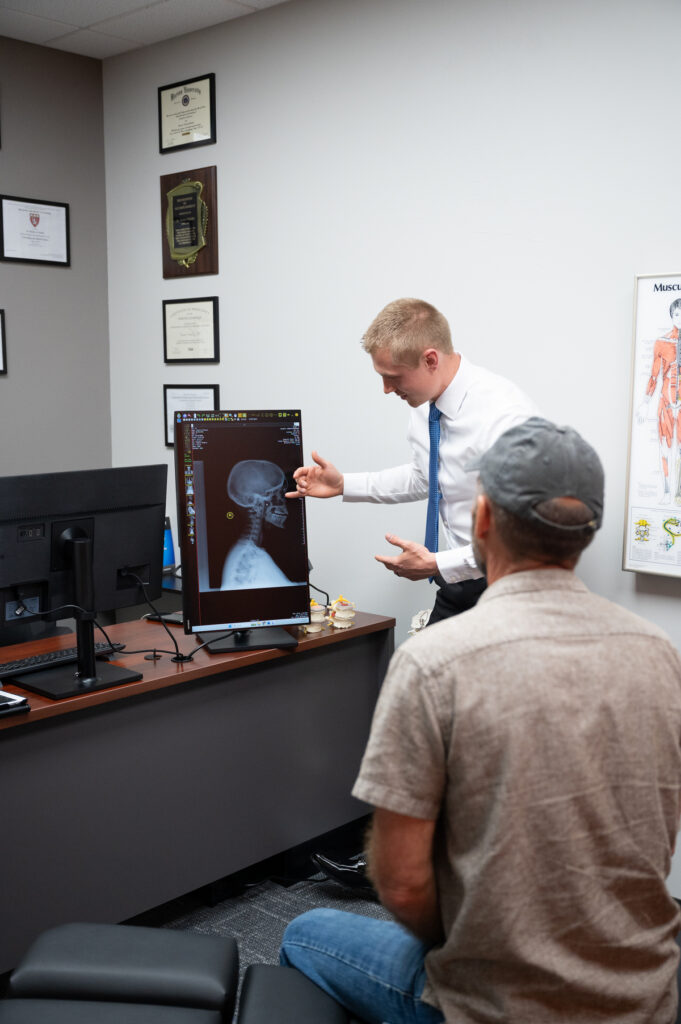

As a local chiropractor, I want to share with you that chronic pain doesn't have to dictate your life. Through the exploration of natural healing methods, you can take charge of your discomfort and find relief. In our practice, we emphasize the importance of a holistic approach that includes nutrition, gentle movement, and emotional well-being.
Imagine making simple dietary adjustments and incorporating mindful practices that not only alleviate your pain but also boost your overall energy levels. You may be curious about the specific strategies we can implement together to help you reclaim your life and enhance your quality of living. The journey toward a pain-free existence starts with understanding these essential elements, and I'm here to guide you every step of the way. Let's work together to unlock your body's natural healing potential!
Understanding Chronic Pain
Chronic pain is a condition that affects millions of individuals and can linger long after an injury or illness has healed. If you're experiencing persistent discomfort that interferes with your daily activities, it's essential to understand the nature of your pain. Unlike acute pain, which acts as a warning signal for potential harm, chronic pain can evolve into a standalone condition, lasting for months or even years. Recognizing this distinction is crucial for managing your symptoms effectively.
Chronic pain can be caused by various factors, including conditions such as arthritis, fibromyalgia, or nerve damage. As a chiropractor, I want to emphasize that everyone experiences pain differently. What may feel unbearable to one person mightn't impact someone else in the same way. This subjective nature of pain can make it challenging to express your experience to others, including healthcare providers.
Your emotional health significantly influences how you perceive and cope with chronic pain. Factors like stress, anxiety, and depression can heighten your pain sensations, creating a cycle that can be difficult to break. You might notice that when you're feeling down, your pain can intensify. On the other hand, when you engage in activities you love or practice relaxation techniques, you may find relief from discomfort.
Taking an active role in understanding your chronic pain can empower you to regain control. As a chiropractor, I encourage you to educate yourself about your condition and seek support from friends and family.
Additionally, consider consulting with a healthcare professional who specializes in pain management, such as a chiropractor. We focus on natural healing methods that may help alleviate your pain and improve your overall well-being.
The Role of Nutrition
As a local chiropractor, I want to emphasize the crucial role nutrition plays in managing chronic pain. Many of my patients are surprised to learn that the foods they eat can significantly influence their pain levels. By making informed dietary choices, you can support your body's natural healing processes and minimize inflammation, which is often a major contributor to chronic pain.
A diet focused on whole, unprocessed foods can lead to remarkable improvements in your well-being. I encourage you to fill your plate with a variety of colorful fruits and vegetables. These foods are rich in antioxidants, vitamins, and minerals that help combat oxidative stress and inflammation in your body.
One particularly beneficial group of nutrients for those suffering from chronic pain are omega-3 fatty acids. You can find these in fatty fish like salmon, as well as in walnuts and flaxseeds. Incorporating these foods into your meals can help reduce inflammation, potentially leading to better pain management for you.
Additionally, spices such as turmeric and ginger are powerful natural anti-inflammatories that can be easily added to your cooking for added relief and overall health benefits.
Conversely, it's important to be aware of foods that may exacerbate your pain. Processed foods, especially those high in sugar, refined carbohydrates, and unhealthy fats, can contribute to increased inflammation. I often advise my patients to listen to their bodies; if you notice that certain foods lead to discomfort or worsen your symptoms, it may be wise to limit or avoid them.
Hydration is another key factor that can impact your overall health and pain levels. Drinking enough water is essential for maintaining joint health and ensuring your body functions optimally. I recommend aiming for at least eight glasses of water each day, and incorporating herbal teas can also offer additional anti-inflammatory benefits.
Mindfulness and Meditation
As your local chiropractor, I want to highlight that managing pain goes beyond just physical adjustments; it also involves how you think and engage with your body. Techniques like mindfulness and meditation can be powerful allies in your healing journey. These practices can help shift your perception of pain, making it feel less intense and disruptive in your daily life.
By focusing on the present moment, you can learn to observe your pain without judgment, which allows for more clarity in how you respond to it. I encourage you to set aside a few minutes each day for mindfulness practice. Find a quiet space where you can sit comfortably. Close your eyes and take some deep breaths.
As you breathe in and out, pay attention to the sensations in your body. Acknowledge any discomfort you feel, but try not to react to it. Instead, recognize the pain and allow it to be there without letting it control your emotions.
Incorporating meditation into your routine can further strengthen your resilience. You might visualize a warm, healing light surrounding the areas where you feel pain, or repeat a calming mantra to help keep your mind focused.
With regular practice, many of my patients find that their overall stress levels decrease, which can lead to significant relief from pain. Remember, chiropractic care works best when combined with these holistic approaches, promoting a balanced and natural healing process.
Gentle Movement Techniques
As a local chiropractor dedicated to helping our community, I want to share how gentle movement techniques can play a vital role in managing chronic pain. Many patients may not be familiar with the power of these natural healing methods, but by incorporating specific exercises and mindful movements into your daily routine, you can significantly improve your flexibility and reduce discomfort.
Gentle movement techniques not only promote physical well-being but also foster a deeper connection between your mind and body. These practices can help alleviate tension, enhance mobility, and empower you to take control of your pain management.
In our chiropractic practice, we often recommend a variety of gentle exercises tailored to your individual needs. These may include stretching, yoga, and specific movements designed to strengthen supporting muscles.
By engaging in these techniques, you may find that your pain becomes more manageable, allowing you to enjoy a better quality of life.
I encourage you to explore these gentle movement techniques and consider how they can complement your chiropractic care. Together, we can work towards a more pain-free and active lifestyle.
If you have any questions or would like personalized recommendations, please feel free to reach out during your next visit.
Benefits of Gentle Movement
As a local chiropractor, I want to share with you the incredible benefits of incorporating gentle movement into your daily routine, especially if you're dealing with chronic pain.
Gentle movement techniques can be a game-changer for your overall well-being. When you engage in these movements, you promote blood circulation, which is essential for reducing stiffness and discomfort in your muscles and joints. Improved circulation means that your body can deliver the nutrients needed for healing and recovery more effectively.
One of the remarkable aspects of gentle movement is its ability to stimulate the release of endorphins—your body's natural painkillers. This not only helps to alleviate pain but also enhances your mood, leaving you feeling more energized and motivated.
Even simple activities like stretching or taking a leisurely walk can work wonders for your mental well-being, reducing anxiety and lifting your spirits.
In addition to pain relief, gentle movements can significantly improve your flexibility and strength. This leads to better posture and alignment, which are crucial for maintaining a healthy body. As your body becomes more balanced and aligned, you'll likely notice a decrease in tension and strain, making everyday activities much easier to manage.
Finally, incorporating these gentle movements into your life fosters a stronger mind-body connection. It allows you to become more aware of your body's signals and respond to them appropriately.
This increased awareness is empowering and can help you lead a more pain-free life. By focusing on gentle movement, you're taking an important step toward natural healing and enhancing your overall quality of life.
Recommended Techniques and Exercises
As a local chiropractor, I want to share some effective ways to incorporate gentle movement techniques into your daily routine, which can significantly enhance your well-being and support your healing journey.
Start your day with simple stretches. Just five minutes of gentle movements targeting your neck, shoulders, and back can help alleviate tension and prepare your body for the day ahead. This is a great way to wake up your muscles and joints, setting a positive tone for your day.
Consider integrating practices like yoga or tai chi into your schedule. These modalities emphasize slow, mindful movements and controlled breathing, which can be particularly beneficial for reducing pain and promoting relaxation. You don't need to commit to a full class; even a brief session at home can yield noticeable benefits.
Walking is another great option. Aim for 10-15 minutes each day at a pace that feels comfortable for you. This simple yet effective activity enhances circulation, strengthens your muscles, and supports joint health without putting too much strain on your body.
Most importantly, listen to your body. If any movement causes discomfort, don't hesitate to modify it or choose an alternative that feels better.
The key to success is consistency, so find the techniques you enjoy and can incorporate seamlessly into your life. By making gentle movement a regular part of your routine, you may start to experience a reduction in chronic pain over time.
Herbal Remedies and Supplements
As a local Chiropractor, I understand that finding relief from chronic pain can often feel overwhelming. However, I want to share with you some natural alternatives that may enhance your healing journey—specifically through the use of herbal remedies and supplements. Many of my patients have experienced positive outcomes by integrating these natural options into their wellness routines.
One herb that stands out is turmeric, which contains curcumin—a powerful anti-inflammatory compound that can support your body's healing process. You can easily incorporate turmeric into your meals or opt for a supplement if that's more convenient for you.
Another well-regarded remedy is ginger, known for its anti-inflammatory properties. Drinking ginger tea or using ginger extract may help alleviate pain and stiffness, making it a great addition to your routine.
I also encourage you to consider boswellia, an herb that's been used in traditional medicine for years. Research suggests that boswellia can improve joint function and reduce pain, particularly for those dealing with inflammatory conditions.
Similarly, willow bark has a long history of use for pain relief, and studies indicate it may work as effectively as aspirin.
Don't forget about omega-3 fatty acids, which you can find in fish oil or flaxseed oil. These healthy fats are known to help decrease inflammation and may provide relief for conditions such as arthritis.
Additionally, magnesium supplements can be beneficial as they help relax muscles and reduce tension, which is often a contributing factor to pain.
Before you start any herbal remedy or supplement, I highly recommend consulting with your healthcare provider or a licensed chiropractor. They can provide guidance on appropriate dosages and ensure there are no interactions with any medications you may be taking.
Importance of Sleep
As a local chiropractor, I want to emphasize the vital role that sleep plays in your overall health and well-being, especially when it comes to managing chronic pain. Quality sleep is essential because it allows your body to repair itself, reduces inflammation, and helps regulate your perception of pain. When you're well-rested, you're better equipped to handle discomfort and face daily challenges.
Unfortunately, chronic pain can disrupt your sleep patterns, creating a vicious cycle where pain affects your sleep, and poor sleep, in turn, exacerbates pain. You may find yourself struggling to fall asleep or stay asleep, leaving you feeling fatigued and irritable. Prioritizing sleep is crucial for breaking this cycle and improving your quality of life.
To enhance your sleep, I recommend establishing a consistent bedtime routine. This signals to your body that it's time to wind down. Create a comfortable sleep environment by dimming the lights, reducing noise, and keeping your room at a cool temperature.
It's also important to limit screen time before bed, as the blue light from devices can interfere with melatonin production, the hormone responsible for regulating sleep.
Incorporating relaxation techniques into your bedtime routine can be incredibly beneficial. Consider deep breathing exercises or gentle stretches to ease tension in your body and promote a sense of calm, making it easier to drift off to sleep.
Remember, investing in your sleep is investing in your overall health. By improving your sleep quality, you can alleviate some of the burdens of chronic pain and enhance your daily life.
Prioritize rest, and you're likely to notice a significant difference in how you manage pain and feel overall. If you have any questions about how chiropractic care can support your sleep and pain management, feel free to ask during your next visit!
Stress Management Strategies
As a local chiropractor, I understand that managing stress is crucial for anyone dealing with chronic pain. Stress can amplify your discomfort and makes it more challenging to cope with your condition. When you're caught in a cycle of stress and pain, it's important to find effective strategies to manage that stress, and I'd like to share some approaches that can help.
First, let's talk about relaxation techniques. One simple yet powerful method is deep breathing. I encourage you to take a few minutes each day to focus on your breath—inhale deeply through your nose and exhale slowly through your mouth. This practice can calm your mind and help reduce muscle tension, which is especially beneficial for those experiencing pain.
Another effective strategy is incorporating mindfulness and meditation into your daily routine. These practices help you stay present, which can significantly lower your stress levels. Even dedicating just five to ten minutes to mindfulness meditation can create a noticeable difference in how you feel, enhancing your overall well-being.
Physical activity is also vital in your stress management toolkit. Gentle exercises such as walking, yoga, or swimming not only improve your physical health but also release endorphins—natural mood lifters that can help reduce pain perception. As a chiropractor, I often recommend movement as part of a holistic approach to healing.
Don't underestimate the importance of social support either. Connecting with friends or family can offer emotional relief and help you process your feelings. If you're open to it, joining a support group can be incredibly beneficial, allowing you to share your experiences with others who face similar challenges.
Lastly, I encourage you to prioritize your time and energy. Learning to say no and setting realistic goals can prevent feelings of overwhelm, enabling you to focus on what truly matters.
By implementing these stress management strategies, you can work towards creating a more balanced and fulfilling life, even while managing chronic pain.
Acupuncture and Alternative Therapies
As a local chiropractor, I want to share some insights on how you can alleviate chronic pain through acupuncture and other alternative therapies, which can provide valuable relief alongside chiropractic care.
Acupuncture, a vital aspect of traditional Chinese medicine, involves the insertion of thin needles into specific points on your body. This practice is thought to stimulate your nervous system, encouraging the release of natural pain-relieving chemicals such as endorphins. Many individuals experience significant reductions in pain intensity and an overall improvement in their well-being after just a few sessions.
In addition to acupuncture, I encourage you to explore other alternative therapies that complement chiropractic care. For instance, chiropractic adjustments focus on aligning your spine and joints, which can help alleviate pain stemming from musculoskeletal issues. Regular adjustments can enhance your mobility and significantly reduce discomfort, allowing you to enjoy a more active lifestyle.
Massage therapy is another effective option to consider. It targets muscle tension and enhances circulation, which can help you relax and reduce stress—factors that often contribute to chronic pain. When seeking massage therapy, it's beneficial to look for a licensed therapist who specializes in pain relief techniques to maximize your results.
Moreover, incorporating herbal remedies like turmeric and ginger into your diet can be beneficial due to their anti-inflammatory properties, which may help ease pain. However, it's essential to consult with a healthcare professional before starting any new treatment, especially if you're currently taking medications, to ensure safety and effectiveness.
At our chiropractic clinic, we believe in a holistic approach to pain management that includes education about various therapies. By combining chiropractic care with acupuncture, massage, and natural remedies, we aim to support your journey towards better health and well-being.
Building a Support System
As a local chiropractor, I want to emphasize the importance of building a strong support system in your journey towards managing chronic pain. Surrounding yourself with individuals who understand and encourage you can have a profound impact on both your emotional and physical well-being.
Begin by identifying those in your life who genuinely care—friends, family, or even coworkers. Open up to them about your experiences with pain and your needs. Sharing what you're going through not only fosters empathy but also strengthens your relationships.
I also encourage you to explore support groups or online communities that focus on chronic pain management. These platforms can connect you with others who are navigating similar challenges. You'll find a wealth of shared experiences, tips, and encouragement, which can be incredibly validating and comforting.
In addition to your personal network, don't overlook the value of professional support. Chiropractors, therapists, and coaches who specialize in chronic pain management can provide you with valuable insights and coping strategies. We can work together to tackle emotional hurdles and empower you to take control of your well-being.
It's essential to communicate your needs clearly to your support network. Let them know how they can assist you—whether it's accompanying you to appointments, engaging in uplifting activities, or simply offering a listening ear. The more specific you're about your needs, the better support you'll receive.
Building this support system may take time, but it's a worthwhile investment in your health journey. With the right support around you, you'll find the strength, understanding, and motivation needed to confront the challenges of chronic pain effectively.
Creating a Personalized Plan
As a local chiropractor, I'm here to guide you in creating a personalized plan to effectively manage your chronic pain through natural healing methods. The first step is to identify your specific pain triggers and symptoms. I recommend keeping a journal where you can track when your pain flares up. Note the activities you were engaged in and how you felt both physically and emotionally during those times. This practice will help you uncover patterns that can inform your pain management strategies.
Incorporating a variety of natural therapies into your routine can be incredibly beneficial. Consider exploring options such as yoga, meditation, or acupuncture, all of which can assist in managing stress and enhancing your overall well-being. It's important to choose therapies that resonate with you personally, and feel free to experiment with different methods to discover what works best for your unique situation.
Physical activity is another crucial component of pain management. Developing a gentle exercise regimen tailored to your capabilities is essential. Even a simple daily walk can significantly impact your pain levels. I encourage you to consult with a professional, like myself or a physical therapist, to create a personalized plan that meets your needs without worsening your discomfort.
Nutrition is also a key player in managing chronic pain. I suggest focusing on an anti-inflammatory diet that includes plenty of fruits, vegetables, whole grains, and healthy fats. Staying hydrated and minimizing processed foods can further help reduce inflammation in your body.
Lastly, it's important to regularly review and adjust your plan as necessary. Remember, pain management isn't a one-size-fits-all solution, so be open to modifying your approach as you learn what works best for you.
Conclusion
As a local chiropractor, I want to introduce you to a holistic approach that can help alleviate chronic pain and improve your overall well-being. By focusing on nourishing your body with anti-inflammatory foods, you can support your healing process. Incorporating mindfulness practices and gentle movement into your daily routine can also make a significant difference in how you feel.
In addition to these lifestyle changes, exploring herbal remedies can be beneficial. Managing stress is crucial, and I encourage you to consider alternative therapies, such as acupuncture, which can complement chiropractic care and enhance your healing journey.
Building a supportive network of friends, family, and healthcare professionals is essential. This will empower you as you take steps towards reclaiming your energy and improving your quality of life. Together, we can create a personalized plan tailored to your unique needs, allowing you to take control of your health and well-being.