
If you’ve ever felt a sharp, shooting pain radiating down your arm or leg, you already know how disruptive a pinched nerve can be. It can interrupt your sleep, make it hard to sit at your desk, and turn simple everyday movements into uncomfortable challenges. The good news is that pinched nerves are one of the most common reasons people seek chiropractic care — and understanding what’s happening in your body is the first step toward feeling better.
Here in Green Bay, WI, many patients come through the doors of 920 Chiropractic Health & Injury Care frustrated, uncomfortable, and unsure where to turn. Dr. Hunter Schultz and the care team see pinched nerve cases regularly and know firsthand how much relief the right conservative care can bring. This article will walk you through what a pinched nerve actually is, what causes it, how it feels, and how chiropractic care may play a meaningful role in your recovery.
What Is a Pinched Nerve?
A pinched nerve — medically known as nerve compression or radiculopathy — occurs when surrounding tissues such as bones, cartilage, muscles, or tendons apply too much pressure to a nerve. This pressure disrupts the nerve’s normal function, causing pain, tingling, numbness, or weakness in the area the nerve serves.
What Causes a Pinched Nerve?
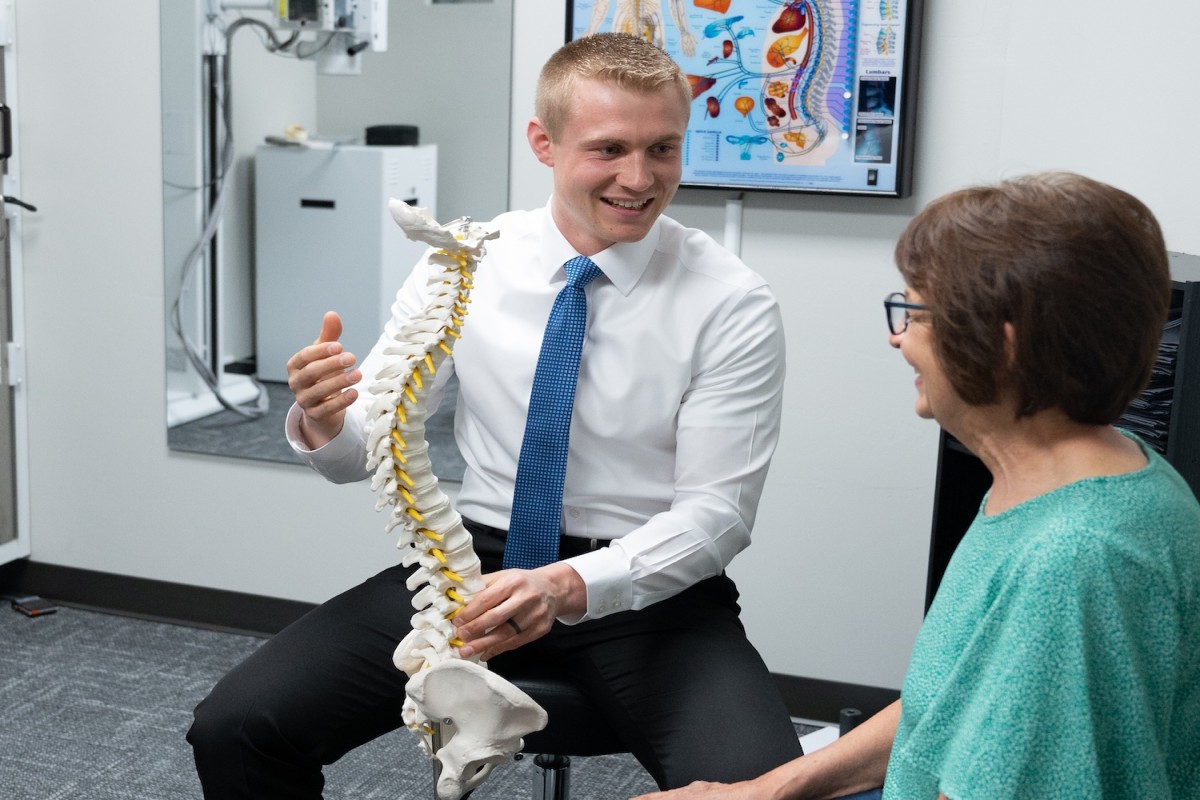
The spine is an incredibly complex structure, housing the spinal cord and sending nerve roots out to every region of your body. When any part of that system is disrupted — whether through injury, degeneration, or postural stress — nerve compression can result. Understanding the root cause is important, because it shapes how care is approached.
One of the most frequent culprits is a herniated or bulging disc. The discs between your vertebrae act as shock absorbers, and when the soft inner material pushes outward, it can press directly against a nearby nerve root. This is especially common in the lower back and neck regions. Disc herniation can happen gradually over time or suddenly with a forceful movement or injury.
Degenerative disc disease and osteoarthritis are also significant contributors, particularly in older adults. As discs lose height and joint cartilage wears down over time, bone spurs can develop. These bony growths can narrow the openings through which nerves exit the spine — a condition known as foraminal stenosis — and create chronic nerve irritation. Spinal stenosis, which involves a general narrowing of the spinal canal, works similarly.
Poor posture is another major factor, and it’s one that Dr. Hunter Schultz addresses frequently with patients at 920 Chiropractic Health & Injury Care in Green Bay. Prolonged sitting with a forward head posture, slouching at a workstation, or carrying tension in the shoulders can gradually shift spinal alignment and create compressive forces on nerve tissue. Repetitive motion injuries, sports injuries, and even sleeping in an awkward position can also trigger nerve compression.
Finally, muscle tightness and soft tissue swelling from inflammation can put pressure on peripheral nerves — nerves outside the spine. Conditions like piriformis syndrome, carpal tunnel syndrome, and thoracic outlet syndrome all involve peripheral nerve compression caused by muscular or structural changes in the body.
Signs & Symptoms to Watch For
A pinched nerve doesn’t always feel like what you might expect. While sharp, shooting pain is certainly common, the experience varies widely from person to person depending on where the compression is occurring and how severe it is.
The most frequently reported symptoms include radiating or burning pain that travels along a nerve pathway, numbness or a “pins and needles” sensation in the extremities, muscle weakness in the affected limb, and a feeling of the area being “asleep.” Some people describe the sensation as electric or jolting, while others experience it more as a dull ache that worsens with certain movements.
Symptoms that originate in the cervical spine — your neck — often radiate down one or both arms, into the shoulders, or even cause headaches. When compression happens in the lumbar spine — the lower back — it commonly causes sciatica, a condition where pain radiates down through the buttocks and into the leg, sometimes all the way to the foot. If the thoracic spine is involved, patients may feel pain wrapping around the ribcage, which can sometimes be mistaken for other conditions.
It’s worth noting that nerve compression symptoms can flare up, subside, and return. Many patients at 920 Chiropractic in Green Bay describe episodes that seemed to resolve on their own, only to return with greater intensity weeks or months later. That cycle is a sign that the underlying issue hasn’t been fully addressed.
Common Locations in the Body
Pinched nerves can occur anywhere in the body where nerves travel through tight or congested spaces. However, there are a few key areas where compression tends to happen most often.
The cervical spine — specifically the C5 through C7 vertebral levels — is a frequent site for nerve root compression. The lower lumbar spine, particularly at the L4, L5, and S1 levels, is even more common, given the enormous mechanical load this region bears every day. The sciatic nerve, which is the longest nerve in the body, is particularly susceptible to compression in this area.
The wrist is another common site, where the median nerve can become compressed within the carpal tunnel — giving rise to carpal tunnel syndrome with its characteristic hand and finger numbness. The elbow (ulnar nerve compression), the hip area (piriformis pressing on the sciatic nerve), and the shoulder region (thoracic outlet) are additional locations where peripheral nerves are frequently affected.
Understanding the location of your nerve compression matters because it helps guide the type of care Dr. Hunter Schultz will recommend at 920 Chiropractic Health & Injury Care. Treatment for cervical nerve compression looks quite different from an approach targeting the lumbar spine or a peripheral entrapment site.
How Chiropractic Care Fits In
Chiropractic care offers a non-invasive, drug-free approach to addressing the mechanical causes of nerve compression. Rather than masking the pain with medication, chiropractic focuses on identifying and correcting the underlying structural and biomechanical issues contributing to the problem.
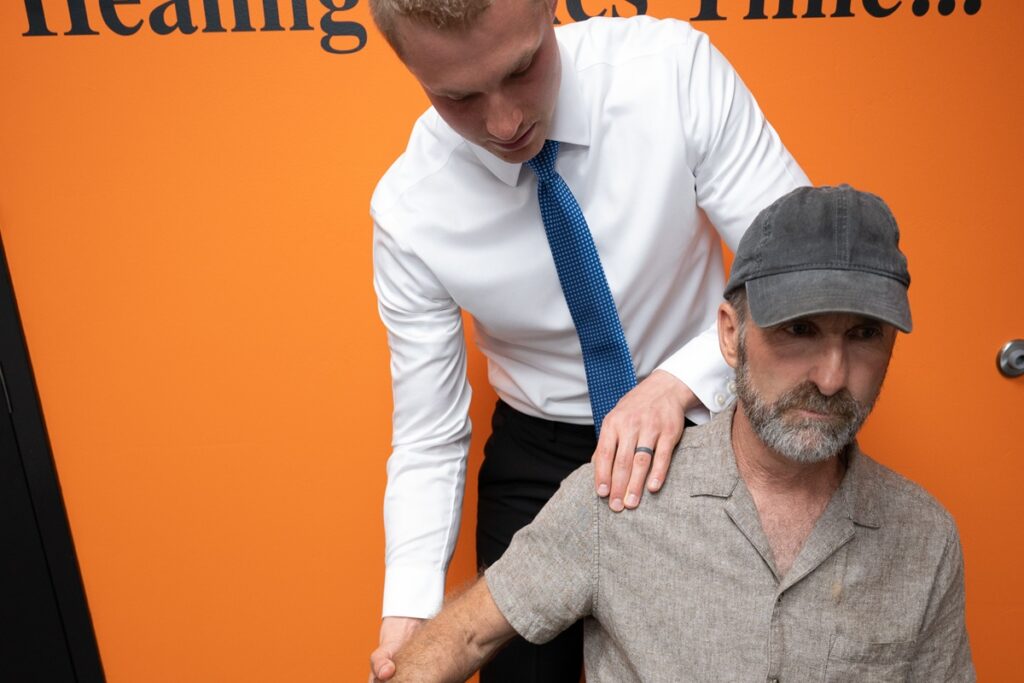
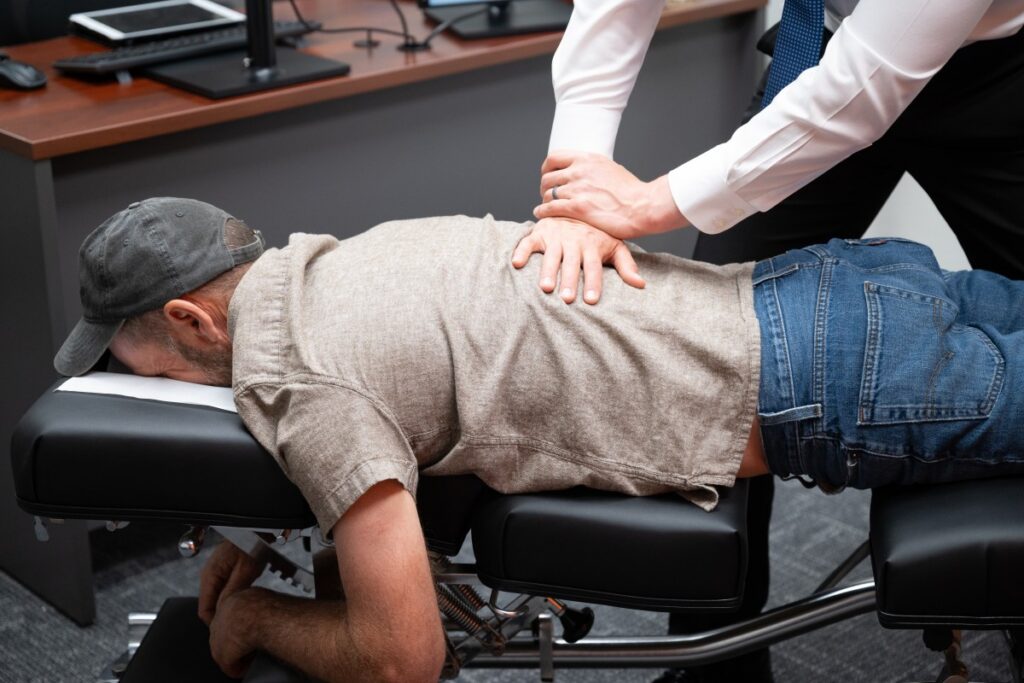
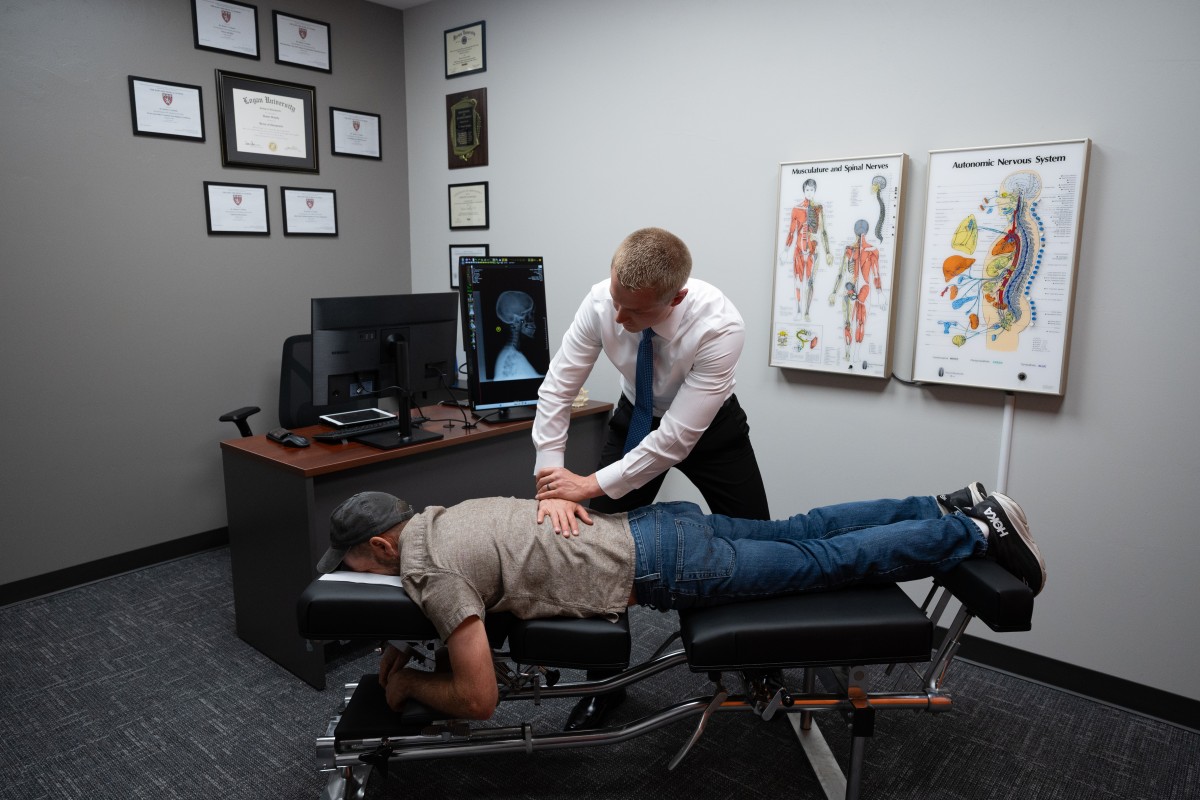
At the core of chiropractic treatment for pinched nerves is spinal manipulation — often called a chiropractic adjustment. When a vertebra is misaligned or a joint is restricted in its movement, it can increase pressure on adjacent nerve tissue. Gentle, precise adjustments help restore proper joint motion and alignment, which can reduce that compressive force and allow the nerve to begin healing.
Research published in organizations like the American Chiropractic Association and referenced by the National Center for Complementary and Integrative Health (NCCIH) suggests that spinal manipulation can be an effective option for managing pain associated with nerve compression in the spine. While no single treatment is right for every patient, evidence indicates that conservative care — including chiropractic — is often a preferred first line of approach before more invasive options are considered.
At 920 Chiropractic Health & Injury Care in Green Bay, WI, Dr. Hunter Schultz takes a thorough, individualized approach with each patient. A detailed intake evaluation helps identify the likely source of compression, any contributing postural patterns, and the overall health of the spine. Care may include spinal adjustments, mobilization techniques, soft tissue therapies to address associated muscle tension, and guided recommendations for at-home stretching or ergonomic modifications.
Chiropractic care is especially well-suited for pinched nerves caused by disc herniation, joint dysfunction, postural imbalances, and sports or repetitive strain injuries. It can also play a valuable role in recovery alongside other forms of healthcare, such as physical therapy or pain management, when a collaborative approach is needed.
Practical Tips to Ease the Pressure
While professional evaluation and care are important for resolving a pinched nerve, there are also meaningful steps you can take at home to support your recovery and reduce further irritation.
Posture awareness is one of the most powerful tools available to you. If you work at a desk, make sure your monitor is at eye level, your chair supports your lower back, and your feet rest flat on the floor. Many people in Green Bay work long hours at computers or in physically demanding jobs — and small ergonomic adjustments can make a significant difference over time.
Avoiding prolonged static positions is equally important. Our bodies are designed to move, and staying in one posture for too long — whether sitting or standing — increases compressive load on the spine. Setting a reminder to get up and change positions every 30 to 45 minutes is a simple but highly effective strategy.
Gentle movement is generally more helpful than bed rest for nerve irritation. Light walking, gentle neck or back stretches, and staying active within a pain-free range can help maintain circulation and reduce inflammation around the nerve. However, if any movement significantly worsens your symptoms, that’s a signal to pause and seek professional guidance from Dr. Hunter Schultz or another qualified provider.
Applying ice to areas of acute inflammation during the first 48 to 72 hours can help reduce swelling. After that window, gentle heat may be more appropriate to relax surrounding muscle tension. Sleep position also matters — sleeping with appropriate support for your neck and lower back can reduce nighttime nerve irritation considerably.
When to See a Chiropractor
Many people wonder how long they should wait before seeking care. The honest answer is: don’t wait too long. Nerve compression that goes unaddressed can sometimes progress, and early conservative intervention often leads to better outcomes.
Consider making an appointment at 920 Chiropractic Health & Injury Care if you’re experiencing radiating pain, numbness, or tingling that lasts more than a few days, if your symptoms are interfering with daily activities or sleep, or if you’ve had recurring episodes of similar pain in the past. You don’t need to be in severe pain to benefit from an evaluation.
However, certain symptoms should prompt you to seek urgent medical attention rather than waiting for a chiropractic appointment. These include sudden loss of bladder or bowel control, rapid-onset weakness in both legs, or severe unrelenting pain that doesn’t respond to any position change. These could indicate a more serious neurological emergency such as cauda equina syndrome, and require immediate medical evaluation.
Treatment Approaches at a Glance
Approach |
Method |
Primary Goal |
Invasiveness |
|---|---|---|---|
|
Chiropractic Care |
Spinal adjustments, mobilization, soft tissue therapy |
Restore alignment, reduce nerve compression |
Non-invasive |
|
Physical Therapy |
Therapeutic exercise, stretching, modalities |
Strengthen supporting muscles, restore function |
Non-invasive |
|
Pain Medication |
Anti-inflammatories, nerve-specific medications |
Manage pain and inflammation |
Non-invasive, but systemic effects |
|
Epidural Steroid Injection |
Corticosteroid injected near nerve root |
Reduce localized inflammation |
Minimally invasive |
|
Surgery |
Discectomy, laminectomy, or fusion |
Physically remove source of compression |
Invasive |
Myths vs. Facts About Pinched Nerves
Myth: A pinched nerve always requires surgery to fix.
Fact: The vast majority of pinched nerve cases resolve with conservative, non-invasive care. Surgery is generally considered a last resort when all other options have failed to provide relief or when there is a serious neurological emergency. Chiropractic care, physical therapy, and lifestyle modifications are often highly effective first-line approaches.
Myth: If you have a pinched nerve, you should rest completely and avoid all movement.
Fact: Prolonged bed rest can actually slow recovery. Gentle, guided movement helps maintain circulation, reduces muscle stiffening, and promotes tissue healing. A qualified provider like Dr. Hunter Schultz can advise you on which movements are appropriate and which to avoid during recovery.
Myth: Pinched nerves are only caused by injuries.
Fact: While injuries can certainly trigger nerve compression, many cases develop gradually due to poor posture, degenerative changes, repetitive stress, or age-related spinal changes. You don’t need to have experienced a dramatic injury for a pinched nerve to develop.
Myth: Chiropractic adjustments are dangerous for nerve conditions.
Fact: When performed by a trained and licensed chiropractor, spinal adjustments have a strong safety record. Dr. Hunter Schultz conducts a thorough evaluation before any care is provided to ensure that chiropractic treatment is appropriate for each individual patient’s condition.
Myth: Numbness and tingling always go away on their own without treatment.
Fact: While some mild nerve irritation does resolve without intervention, persistent or recurring neurological symptoms like numbness and tingling are signs that the underlying cause deserves professional attention. Ignoring these symptoms can sometimes allow the condition to worsen over time.
Final Thoughts from 920 Chiropractic in Green Bay
Living with the discomfort of a pinched nerve doesn’t have to be your new normal. Whether your symptoms came on suddenly after an injury or have been building gradually over months, there’s real hope for meaningful relief through conservative, patient-centered care.
At 920 Chiropractic Health & Injury Care in Green Bay, WI, Dr. Hunter Schultz is committed to helping members of this community understand their bodies, find genuine relief, and build long-term spinal health. The approach here isn’t about quick fixes — it’s about identifying the real source of your discomfort and creating a care plan that makes sense for your life and your goals.
If you or someone you know in the Green Bay area has been dealing with shooting pain, numbness, tingling, or unexplained weakness, this is absolutely worth exploring. A thorough chiropractic evaluation can tell you a great deal about what’s going on and whether conservative care is a good fit for your situation. You deserve to feel informed, supported, and confident about the path forward.
Frequently Asked Questions
How long does it take for a pinched nerve to heal with chiropractic care?
Recovery time varies depending on the severity and location of the nerve compression, as well as how long the condition has been present. Some patients notice improvement within a few visits, while others with more chronic or complex cases may require a longer course of care. Dr. Hunter Schultz will give you a clearer picture after your initial evaluation.
Can a chiropractor make a pinched nerve worse?
A thorough evaluation before treatment begins is designed specifically to identify any contraindications and ensure that chiropractic care is appropriate and safe for your condition. When care is properly indicated and performed by a licensed chiropractor, it is considered a low-risk approach to managing nerve compression.
Is sciatica the same as a pinched nerve?
Sciatica is a specific type of nerve compression involving the sciatic nerve, which runs from the lower back down through the buttocks and leg. So yes — sciatica is a form of pinched nerve, but not all pinched nerves are sciatica. The term depends on which nerve is being compressed and where.
Can I exercise with a pinched nerve?
Gentle, low-impact movement is generally encouraged, but certain exercises can aggravate nerve compression depending on its location and severity. It’s best to get professional guidance before beginning or modifying an exercise routine when you’re dealing with nerve symptoms. 920 Chiropractic Health & Injury Care can help guide safe movement during recovery.
Do pinched nerves show up on X-rays?
X-rays can show bony structures, alignment, and disc space narrowing, which may suggest nerve compression indirectly. However, soft tissue structures like discs and nerves are better visualized through MRI. Your chiropractor or medical provider will determine which imaging, if any, is appropriate based on your symptoms and history.
What’s the difference between a pinched nerve and a pulled muscle?
A pulled muscle typically causes localized pain, tenderness, and tightness in the muscle itself, without radiating symptoms. A pinched nerve tends to produce symptoms that travel along a nerve pathway — such as tingling, numbness, or shooting pain — often extending into the arms or legs. The distinction matters because the treatment approach differs significantly.
TL;DR — Key Takeaways
-
A pinched nerve occurs when too much pressure is applied to a nerve by surrounding tissues, causing pain, tingling, numbness, or weakness.
-
Common causes include herniated discs, bone spurs, spinal stenosis, poor posture, and muscle tightness — injuries aren’t the only trigger.
-
Symptoms vary by location, but often include radiating pain, a “pins and needles” sensation, and muscle weakness in the affected area.
-
Chiropractic care offers a non-invasive, drug-free approach by addressing the structural and biomechanical factors causing nerve compression.
-
At 920 Chiropractic Health & Injury Care in Green Bay, WI, Dr. Hunter Schultz provides individualized evaluations and conservative care plans to help patients find lasting relief.