
When you're dealing with a sports injury, knowing the right relief techniques can make all the difference in your recovery. From physical therapy that builds strength to chiropractic adjustments that improve alignment, each method has its unique advantages. Techniques like acupuncture and massage therapy not only ease pain but also promote overall wellness. And let's not forget about the benefits of cryotherapy, which can speed up your healing process greatly. Curious about how these techniques can specifically impact your recovery journey?
Understanding Sports Injuries
Understanding sports injuries starts with recognizing their causes and types. As an athlete, you're likely to experience various injuries, whether from overuse, acute trauma, or improper technique.
Overuse injuries, like tendinitis and stress fractures, develop gradually due to repetitive strain on muscles and joints. On the other hand, acute injuries, such as sprains, strains, or fractures, occur suddenly, often resulting from falls, collisions, or awkward movements.
Identifying the specific type of injury is vital for effective treatment and recovery. For instance, a sprained ankle may require different care than a muscle strain. You might notice swelling, pain, or limited mobility, signaling that something's not right. Pay attention to these signs; they can guide you in seeking the appropriate help.
Understanding the underlying causes of injuries is equally important. Factors like inadequate warm-up, poor physical conditioning, or insufficient rest can elevate your risk. If you're not stretching properly or pushing your body too hard without proper recovery, you're more likely to face setbacks.
Additionally, environmental factors, such as uneven surfaces or faulty equipment, can also contribute to injuries. Make a habit of checking your surroundings and gear before engaging in any activity.
Physical Therapy Approaches
When it comes to recovering from sports injuries, physical therapy plays an essential role in helping you regain strength and mobility. You'll find that various approaches are tailored to your specific needs, ensuring a thorough recovery process.
Here are three effective physical therapy techniques you might encounter:
- Manual Therapy: This hands-on technique involves the therapist manipulating your muscles and joints. It helps alleviate pain, improve circulation, and enhance flexibility, allowing you to move more freely.
- Exercise Rehabilitation: A personalized exercise program targets your injury, focusing on strengthening weak areas and restoring range of motion. Your therapist will guide you through specific exercises, ensuring you're performing them safely and effectively.
- Modalities: These include various treatments like ultrasound, electrical stimulation, or heat and cold therapy. Modalities can help reduce inflammation, ease pain, and promote healing, making them a valuable part of your recovery regimen.
Each of these approaches works together to address your injury thoroughly.
By committing to your physical therapy sessions and following your therapist's recommendations, you'll be on your way to returning to your favorite sports activities stronger than ever.
Chiropractic Adjustments
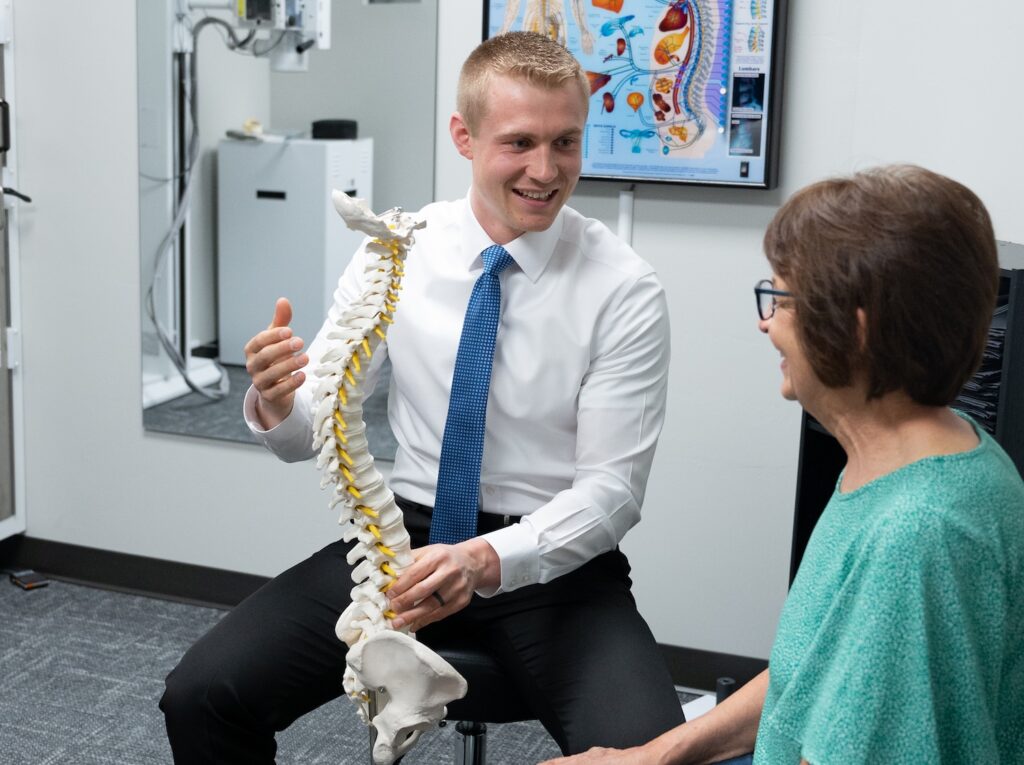
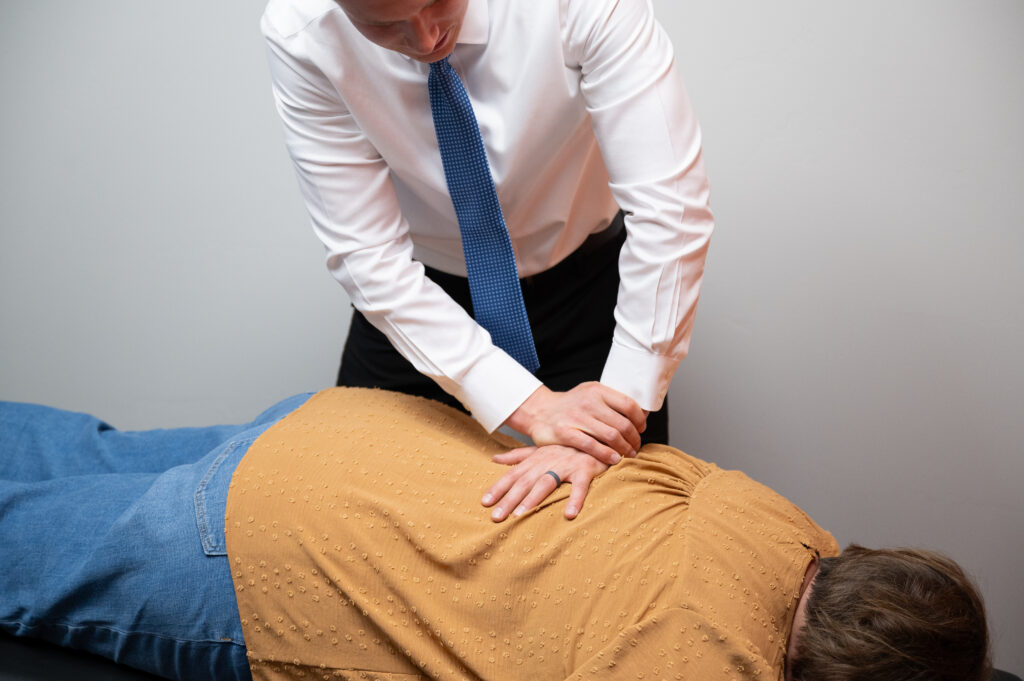
Chiropractic adjustments can help realign your spine, which is essential for proper body function.
By focusing on this alignment, you'll often find an improvement in your mobility and flexibility.
Whether you're recovering from an injury or looking to enhance your athletic performance, these adjustments can make a significant difference.
Realigning the Spine
Many athletes experience discomfort due to misalignments in their spine, which can hinder performance and prolong recovery.
Realigning the spine through chiropractic adjustments can be a game-changer for you. These adjustments help restore your body's natural alignment, allowing it to function at its best.
Here are three key benefits of realigning your spine:
- Pain Relief: By correcting misalignments, chiropractic adjustments can greatly reduce pain in your back, neck, and other areas. This relief can help you return to your sport faster.
- Improved Posture: Misalignments often lead to poor posture, which can impact your performance. Regular adjustments can enhance your posture, allowing for better biomechanics during physical activity.
- Enhanced Recovery: A properly aligned spine improves blood flow and nerve function, which can speed up your recovery process after injuries or intense training sessions.
Incorporating chiropractic adjustments into your routine not only addresses existing discomfort but also helps prevent future injuries.
Enhancing Mobility and Flexibility
To perform at your best, enhancing mobility and flexibility is essential, and chiropractic adjustments can play a significant role in achieving that goal. These adjustments target restrictions in your musculoskeletal system, allowing for greater range of motion.
By realigning your spine and joints, chiropractic care helps reduce tension in your muscles, making it easier for you to move freely. When your body is properly aligned, you'll notice improved flexibility, which can lead to better athletic performance. You'll find it easier to execute complex movements, whether you're sprinting, jumping, or twisting.
Additionally, enhanced mobility reduces your risk of injury, as your body can absorb impacts more effectively and respond to sudden changes in direction. Incorporating chiropractic adjustments into your routine can also help speed up recovery from injuries.
As your body becomes more flexible, it can heal more efficiently, allowing you to get back to your favorite activities sooner. Regular adjustments not only support your physical performance but also promote overall well-being, keeping you in peak condition.
Benefits of Acupuncture
Acupuncture offers a range of benefits for those dealing with sports injuries. This ancient practice can be a powerful tool in your recovery arsenal, helping to alleviate pain and promote healing.
If you're wondering how acupuncture can help you bounce back from an injury, here are three key benefits to contemplate:
- Pain Relief: Acupuncture stimulates specific points on your body, which can trigger the release of endorphins—your body's natural painkillers. You might find that this approach effectively reduces discomfort and allows you to manage pain without relying solely on medication.
- Reduced Inflammation: By improving circulation and boosting your immune response, acupuncture can help decrease inflammation in injured areas. This not only aids in pain relief but also speeds up the recovery process, allowing you to return to your sport faster.
- Improved Range of Motion: Injuries often lead to stiffness and limited mobility. Acupuncture helps relax tight muscles and release tension, enhancing your overall flexibility and range of motion. You'll likely notice an improvement in how your body feels during physical activity, making it easier to perform at your best.
Integrating acupuncture into your rehabilitation routine can provide you with these benefits and more.
It's a holistic approach that complements other recovery methods, helping you regain strength and confidence after a sports injury.
Give it a try—you might be surprised by how much it helps!
Massage Therapy Techniques
When it comes to recovery from sports injuries, massage therapy techniques can play an essential role in your healing process. These techniques help reduce pain, improve circulation, and enhance flexibility, which are all vital for getting you back to your game.
One effective technique is deep tissue massage. This method targets deeper layers of muscle and connective tissue, helping to release tightness and break down scar tissue. If you've got a specific area that's inflamed or painful, this focused approach can provide considerable relief.
Another technique is sports massage, which is designed specifically for athletes. It combines various strokes and pressures to prepare your body for performance and aid recovery post-exercise. You'll find that this type of massage can enhance your range of motion and decrease muscle soreness after workouts.
Swedish massage, characterized by long, flowing strokes, can also be beneficial. It promotes relaxation and helps alleviate stress, which is often linked to physical injuries. This technique can improve overall circulation and enhance your body's natural healing process.
Don't forget about trigger point therapy, where pressure is applied to specific points to relieve tension in the muscles. This can be especially helpful for chronic pain or tight spots that don't seem to go away.
Incorporating these massage therapy techniques into your recovery routine can considerably speed up your healing, allowing you to return to your sport stronger and more resilient.
Cryotherapy for Recovery
Cryotherapy can be a game-changer for your recovery process after sports injuries.
By exposing your body to cold temperatures, you can reduce inflammation and boost healing.
Let's explore the various techniques and methods that can maximize these benefits for you.
Benefits of Cryotherapy
While many athletes seek out various recovery methods, cryotherapy stands out for its unique ability to reduce inflammation and accelerate healing. This technique exposes your body to extremely cold temperatures for a short period, helping you bounce back faster after intense workouts or injuries.
Here are some key benefits you can expect from cryotherapy:
- Reduced Muscle Soreness: After a tough training session, cryotherapy can help alleviate muscle soreness, making it easier for you to stay consistent with your workouts.
- Enhanced Recovery Time: By promoting faster healing of soft tissue injuries, cryotherapy allows you to spend less time on the sidelines and more time training.
- Improved Circulation: The cold exposure stimulates blood flow, which helps deliver oxygen and nutrients to your muscles, further aiding recovery.
Incorporating cryotherapy into your recovery routine can provide you with these benefits and more.
Whether you're competing at an elite level or just passionate about your fitness journey, cryotherapy could be a game-changer for your recovery process.
Give it a try and see how it can enhance your performance!
Cryotherapy Techniques and Methods
Numerous cryotherapy techniques can enhance your recovery process, each designed to target specific needs and preferences.
Whole-body cryotherapy (WBC) is popular among athletes, where you step into a chamber that exposes you to extremely cold air for a few minutes. This method helps reduce inflammation and speeds up muscle recovery.
Localized cryotherapy is another option, targeting specific areas with cold air or ice packs. If you've got a sprained ankle or sore shoulder, this technique can provide immediate relief and promote healing.
You might also consider contrast therapy, alternating between cold and warm treatments. This method increases blood flow and enhances recovery by flushing out toxins.
Cryo facials are another emerging trend, focusing on your face to reduce puffiness and improve skin tone.
If you're looking for a more DIY approach, ice baths are effective too. Just fill a tub with cold water and ice, and soak for about 10 to 15 minutes.
Whichever technique you choose, incorporating cryotherapy into your routine can greatly improve your recovery times and overall performance.
Just make sure to listen to your body and adjust the methods to fit your comfort level.
Electrical Stimulation Therapy
Electrical stimulation therapy (EST) offers a powerful solution for athletes seeking relief from pain and enhanced recovery. This innovative technique uses electrical impulses to stimulate nerves and muscles, promoting healing and reducing discomfort.
Whether you're dealing with a recent injury or chronic pain, EST can be a game-changer in your recovery process.
Here's how electrical stimulation therapy can benefit you:
- Pain Relief: EST can effectively reduce pain by blocking pain signals sent to the brain. Many athletes find that just a few sessions can lead to significant improvements in their pain levels.
- Muscle Recovery: By stimulating muscle contractions, EST helps to improve blood flow to the affected area. This increased circulation can accelerate the healing process and strengthen muscles, allowing you to return to your sport more quickly.
- Flexibility and Range of Motion: Regular use of EST can enhance your flexibility and restore your range of motion. This is vital for maintaining athletic performance and preventing future injuries.
To get started with electrical stimulation therapy, consider consulting a physical therapist or sports medicine professional.
They can tailor the therapy to your specific needs and guide you through the process. Embracing EST as part of your recovery plan could lead to quicker healing and a return to peak performance, helping you stay in the game longer.
Nutritional Support for Healing
Recovery from sports injuries isn't just about physical therapy techniques like electrical stimulation; your diet plays a significant role too. What you eat can either support your healing process or hinder it. To promote faster recovery, focus on incorporating nutrient-rich foods into your meals.
First, prioritize protein. It's essential for muscle repair and tissue regeneration, so make sure to include lean meats, fish, eggs, and plant-based sources like beans and lentils in your diet. Aim for at least 20-30 grams of protein in each meal.
Next, don't overlook the importance of healthy fats. Omega-3 fatty acids, found in fish, walnuts, and flaxseeds, can reduce inflammation and support joint health. Alongside these, include plenty of colorful fruits and vegetables, which are packed with antioxidants, vitamins, and minerals that boost your immune system and enhance healing.
Hydration is another vital element. Water aids every bodily function, including nutrient transport and waste removal. Aim for at least half your body weight in ounces of water daily, more if you're sweating from workouts or rehab sessions.
Lastly, consider adding supplements like vitamin C, zinc, and magnesium, which can further aid in recovery. However, it's always a good idea to consult with a healthcare professional before starting any new supplement regimen.
Conclusion
Incorporating these top sports injury relief techniques into your recovery routine can make a significant difference in your healing process. Whether you choose physical therapy, chiropractic care, acupuncture, or massage therapy, each method offers unique benefits tailored to your needs. Don't forget about the power of cryotherapy and nutritional support to further enhance your recovery. By taking a proactive approach, you'll not only alleviate pain but also boost your overall performance when you return to the field.