
When you're dealing with a sports injury, it's easy to underestimate the importance of seeking professional help. You might think rest and ice are enough, but understanding the true severity of your injury is essential for effective recovery. By consulting experts, you can receive an accurate diagnosis and a tailored treatment plan that addresses your specific needs. This proactive approach not only speeds up healing but also sets the stage for preventing future injuries. Curious about the other benefits that come with expert guidance?
Understanding Injury Severity
When you suffer a sports injury, understanding its severity is important for recovery. Recognizing whether it's a minor strain or a more serious tear can dramatically influence your next steps. You'll want to pay attention to symptoms like pain, swelling, and your ability to move the affected area. If you notice immediate, sharp pain or a popping sound during your activity, it's essential to take that seriously. These indicators often suggest a more severe injury.
You should also consider how the injury affects your daily activities. Can you walk without discomfort, or does even slight movement cause significant pain? Being honest with yourself about your limitations is critical. Sometimes, you might feel tempted to push through the pain, but ignoring your body's signals can lead to long-term damage.
Another aspect to keep in mind is the duration of your symptoms. If pain persists beyond a few days, it's a sign that you may need professional help. Early intervention can make a significant difference, allowing you to heal properly and return to your sport sooner.
Lastly, think about your history with injuries. If you've dealt with similar issues before, they might be a sign of underlying problems that require attention. Understanding the severity of your injury is the first step toward effective treatment, ensuring you get back on your feet and back into the game without unnecessary setbacks.
Importance of Accurate Diagnosis
Accurate diagnosis is essential for effective treatment of sports injuries. When you sustain an injury, understanding its nature and extent is vital. Without a proper diagnosis, you might end up treating the wrong issue, wasting time and potentially worsening your condition.
For instance, a sprained ankle can sometimes be mistaken for a fracture. If you don't get it checked out, you might ignore the need for proper care and rehabilitation, leading to longer recovery times.
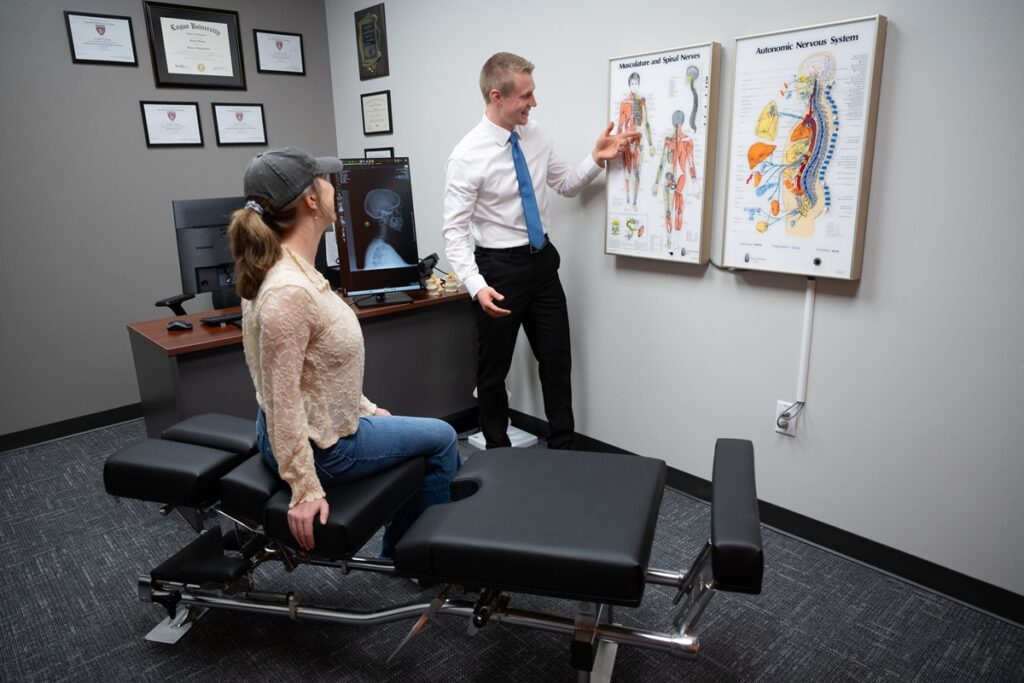
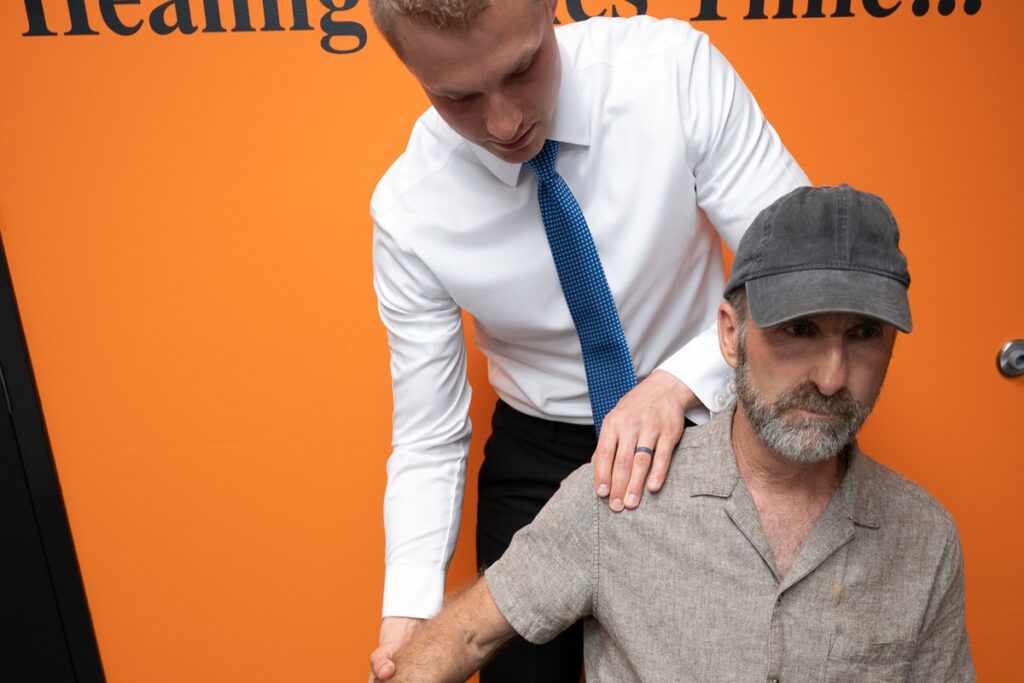
When you seek help from a professional, they'll perform a thorough evaluation, which may include physical examinations and imaging tests like X-rays or MRIs. This process helps pinpoint the exact problem, whether it's a muscle strain, ligament tear, or something else entirely.
Having a clear understanding of your injury allows you to make informed decisions about your recovery. Additionally, an accurate diagnosis can help prevent future injuries. If you know the underlying issues contributing to your current condition, you can address them proactively.
This might involve improving your technique, strengthening specific muscle groups, or adjusting your training regimen. In short, don't underestimate the importance of accurate diagnosis.
It's your first step toward recovery and getting back to your sport safely and efficiently. By prioritizing this process, you set yourself up for a successful return to your active lifestyle, minimizing the risk of re-injury and ensuring that you can perform at your best.
Seek professional help, and take control of your recovery journey.
Customized Treatment Plans
When you get injured, a one-size-fits-all approach won't cut it.
Customized treatment plans focus on your unique needs, ensuring you receive individualized recovery strategies and targeted rehabilitation exercises.
This tailored approach helps you get back to your sport faster and more effectively.
Individualized Recovery Strategies
Every athlete's journey to recovery is unique, and that's why individualized recovery strategies are vital for effective healing. When you sustain a sports injury, a one-size-fits-all approach simply won't cut it. You need a recovery plan tailored specifically to your injury, sport, and personal goals. By working with a skilled professional, you can develop strategies that address your unique needs.
Your recovery strategy should consider factors like your age, fitness level, and any previous injuries. This personalized approach helps guarantee that you're not only healing effectively but also minimizing the risk of re-injury. A customized plan focuses on your strengths and weaknesses, allowing you to make the most of your recovery time.
Additionally, individualized strategies can include adjustments in your nutrition, rest, and mental wellness, creating a thorough approach to healing. By actively participating in your recovery plan, you empower yourself to stay motivated and engaged throughout the process.
Ultimately, the goal is to get you back to your sport stronger and more resilient than before. Remember, your journey is yours alone, and having a tailored strategy is vital for achieving that goal. Seek help to guarantee your recovery is as effective as possible.
Targeted Rehabilitation Exercises
Following a personalized recovery strategy, incorporating targeted rehabilitation exercises can greatly enhance your healing process. These exercises are designed specifically for your injury, helping to strengthen the affected area and improve your overall function. By focusing on the right movements, you can speed up your recovery and reduce the risk of re-injury.
You're not just going through the motions; these exercises aim to address your unique needs. Your physical therapist will assess your condition and create a customized plan tailored to your activity level and goals. Whether it's building strength, increasing flexibility, or improving balance, each exercise plays a crucial role in your rehabilitation.
As you progress, your therapist will adjust your plan, ensuring you're always challenged but never overexerted. This adaptability keeps you engaged and motivated throughout your recovery journey.
Incorporating these targeted rehabilitation exercises into your routine can lead to quicker recovery times and better long-term outcomes.
Preventing Future Injuries
To prevent future injuries, you need to focus on proper warm-up techniques and strengthening weak muscle groups.
Incorporating these practices into your routine can greatly reduce your risk of injury.
Proper Warm-Up Techniques
How can you assure your body is ready for the demands of sports? The answer lies in proper warm-up techniques. A well-structured warm-up routine prepares your muscles, increases flexibility, and enhances overall performance.
Start with five to ten minutes of light aerobic activity, like jogging or jumping jacks, to elevate your heart rate and increase blood flow to your muscles.
Next, focus on dynamic stretches. Unlike static stretches, dynamic movements—such as leg swings, arm circles, and lunges—help improve range of motion while keeping your muscles engaged. These movements mimic the motions you'll perform during your sport, making them essential for readiness.
Incorporate sport-specific drills to further prepare your body. For example, if you're a soccer player, practice dribbling or light passing. This not only warms your muscles but also sharpens your coordination and reflexes.
Lastly, don't forget to listen to your body. If you feel any tightness or discomfort, take the time to address it before diving into your activity.
Strengthening Weak Muscle Groups
Incorporating strength training for weak muscle groups is essential for preventing future injuries. When you focus on strengthening these areas, you create a more balanced and resilient body. Weak muscles can lead to improper movement patterns, increasing your risk of injury during sports or physical activities.
To identify weak muscle groups, pay attention to any imbalances you might notice, such as difficulty performing specific movements or discomfort during exercise. Once you've pinpointed these areas, work with a fitness professional or physical therapist to develop a targeted strength training program. They can help you choose exercises that specifically address your weaknesses while ensuring proper form to avoid further injury.
Incorporating exercises like squats, lunges, and resistance training can help you build strength in underdeveloped muscle groups. Consistency is key—aim to train these areas at least twice a week.
As you strengthen these muscles, you'll notice improved performance, increased stability, and reduced risk of injuries.
Access to Advanced Therapies
When facing a sports injury, accessing advanced therapies can be essential for a swift recovery. These therapies are designed to address specific issues stemming from your injury, often speeding up the healing process and improving your overall function.
Whether you're dealing with muscle strains, joint issues, or ligament tears, tapping into the latest treatment options can make a significant difference in your recovery timeline.
One major advantage of advanced therapies is that they often incorporate cutting-edge technology and techniques. For instance, options like cryotherapy, ultrasound therapy, and electrical stimulation can target pain and inflammation more effectively than traditional methods.
You'll not only benefit from pain relief but also enhance your body's natural healing processes.
Moreover, advanced therapies can offer personalized treatment plans tailored specifically to your injury and recovery goals. This means that rather than a one-size-fits-all approach, you'll receive interventions that account for your unique condition and athletic demands.
This individualized care can lead to better outcomes, allowing you to return to your sport with confidence.
Additionally, these therapies may include options like regenerative medicine, which focuses on repairing damaged tissues using your body's own cells. This innovative approach can provide long-term benefits, reducing the risk of re-injury and ensuring that you're back in the game stronger than before.
Professional Rehabilitation Guidance
When you seek professional rehabilitation guidance, you get personalized recovery plans tailored to your specific needs.
These plans not only help you heal but also incorporate injury prevention strategies to keep you on the field.
With expert support, you'll feel more confident in your recovery journey.
Personalized Recovery Plans
A personalized recovery plan is vital for effectively addressing sports injuries, as it tailors rehabilitation strategies to your unique needs and goals. When you seek professional help, experts assess your injury, fitness level, and lifestyle, creating a roadmap that guides your recovery journey. This individualized approach guarantees that you're not just following generic advice but receiving a plan that works best for you.
The plan typically includes specific exercises aimed at restoring strength, flexibility, and mobility, which are essential for a successful comeback. You'll also learn proper techniques to avoid re-injury and build resilience. Throughout the process, your progress is monitored, allowing adjustments to be made as needed. This level of attention means you can heal faster and return to your sport with confidence.
Furthermore, a personalized recovery plan addresses your mental well-being. Dealing with an injury can be frustrating, but having a clear path helps you stay motivated and focused. Knowing that you're following a tailored strategy can alleviate anxiety, making the recovery process smoother.
In short, a personalized recovery plan is a key element in overcoming sports injuries effectively and safely.
Injury Prevention Strategies
Implementing effective injury prevention strategies can considerably reduce your risk of sustaining sports injuries. To start, make sure you're warming up properly before any activity. Dynamic stretches and light aerobic exercises prepare your muscles and joints for the demands of your sport.
Next, focus on proper techniques. Whether you're running, lifting, or playing a sport, using the right form can help you avoid unnecessary strain. Consider working with a coach or trainer who can provide guidance and feedback.
Don't overlook the importance of rest and recovery. Allow your body time to heal and adapt by incorporating rest days into your training schedule. This helps prevent overuse injuries, which are common in athletes who push too hard.
Additionally, cross-training can be a game-changer. Engaging in different types of exercise can strengthen various muscle groups and improve overall stability, reducing your chance of injury.
Lastly, listen to your body. If you notice any pain or discomfort, don't brush it off. Seek professional rehabilitation guidance promptly to address potential issues before they escalate.
Psychological Support for Recovery
Many athletes underestimate the psychological impact of sports injuries, but addressing mental health is essential for a successful recovery. When you're sidelined, it's not just your body that needs healing; your mind does too. The emotional toll can lead to feelings of frustration, anxiety, or even depression. Recognizing these emotions and seeking support can make a significant difference in your recovery process.
Here are some key reasons why psychological support is important:
- Coping Strategies: Working with a mental health professional can equip you with effective coping mechanisms to manage stress, anxiety, and frustration associated with your injury.
- Motivation: A psychologist or counselor can help restore your motivation. They can assist you in setting realistic goals and maintaining a positive outlook, which are essential for staying committed to your rehabilitation.
- Peer Support: Connecting with other athletes who've experienced similar injuries can foster a sense of community. Sharing your feelings and experiences can help you feel less isolated in your journey.
- Performance Anxiety: Once you're ready to return, psychological support can help address any fears or anxieties about performing again. This preparation can enhance your confidence and help you shift back to your sport more smoothly.
Don't overlook the mental aspect of your recovery. Seeking psychological support isn't just about healing; it's about ensuring you come back stronger, both physically and mentally.
Monitoring Progress and Adjustments
Regularly monitoring your progress during recovery from a sports injury is essential to guarantee you're on the right path. Keeping track of your healing process helps you identify what's working and what might need adjustments. You'll want to document any changes in pain levels, mobility, and overall functionality. This information is vital for both you and your healthcare provider to make informed decisions about your rehabilitation.
As you track your progress, don't hesitate to communicate with your physical therapist or coach. They can offer valuable insights and adjust your treatment plan based on your current condition. If you notice that certain exercises are causing pain or discomfort, it's important to discuss this immediately. Ignoring these signals could lead to setbacks in your recovery.
Set specific, achievable goals for yourself. This could be as simple as increasing your range of motion or being able to perform certain exercises without pain. By setting these milestones, you can better gauge your progress and stay motivated.
Regular assessments not only help you stay on track but also reinforce the importance of patience in your recovery journey. Remember, healing takes time, and being proactive about monitoring your progress can greatly enhance your recovery experience.
Optimizing Performance After Injury
After monitoring your recovery and making necessary adjustments, it's time to focus on optimizing your performance as you return to your sport. You want to guarantee that your comeback isn't only effective but also sustainable.
Here are four key strategies to help you get the most out of your return:
- Set Realistic Goals: Establish specific, measurable, achievable, relevant, and time-bound (SMART) goals. This will give you a clear roadmap and keep you motivated throughout your recovery process.
- Incorporate Rehabilitation Exercises: Continue with rehabilitation exercises tailored to your injury. These not only aid recovery but also help in building strength and flexibility, which are critical for performance enhancement.
- Focus on Nutrition: Your body needs the right fuel to optimize performance. Incorporate a balanced diet rich in protein, healthy fats, and complex carbohydrates. Staying hydrated is equally important for maintaining energy levels.
- Gradually Increase Intensity: As you feel stronger, slowly ramp up the intensity of your training. Avoid the temptation to push yourself too hard too soon. Gradual progression helps your body adapt and minimizes the risk of re-injury.
Building a Support Network
A strong support network is essential for your recovery and performance after a sports injury. Surrounding yourself with the right people can make a significant difference in how quickly you heal and regain your confidence. Start by connecting with teammates, coaches, and trainers who understand your situation and can offer encouragement. Their shared experiences can provide invaluable insights and motivation as you navigate your recovery journey.
Don't underestimate the importance of family and friends. They can offer emotional support, help with daily tasks, and keep your spirits high during tough times. Share your goals with them, and they'll be more likely to rally around you, providing the encouragement you need to push through challenges.
Consider reaching out to sports psychologists or counselors who specialize in injury recovery. They can help you cope with the mental and emotional aspects of injury, including fear, frustration, and anxiety. Their expertise can guide you in developing coping strategies and maintaining a positive mindset.
Lastly, connect with fellow athletes who've experienced similar injuries. They can offer practical advice and relatable experiences that can ease your fears and provide hope. Whether it's through social media, support groups, or local athletic communities, building these connections can be incredibly beneficial.
Conclusion
Seeking help for sports injuries isn't just about healing; it's about ensuring you return stronger and more resilient. By understanding the severity of your injury and getting an accurate diagnosis, you can create a customized treatment plan that fits your needs. With advanced therapies, psychological support, and a solid support network, you'll not only recover faster but also prevent future injuries. Don't hesitate—getting the right help is the first step toward optimizing your performance on the field.