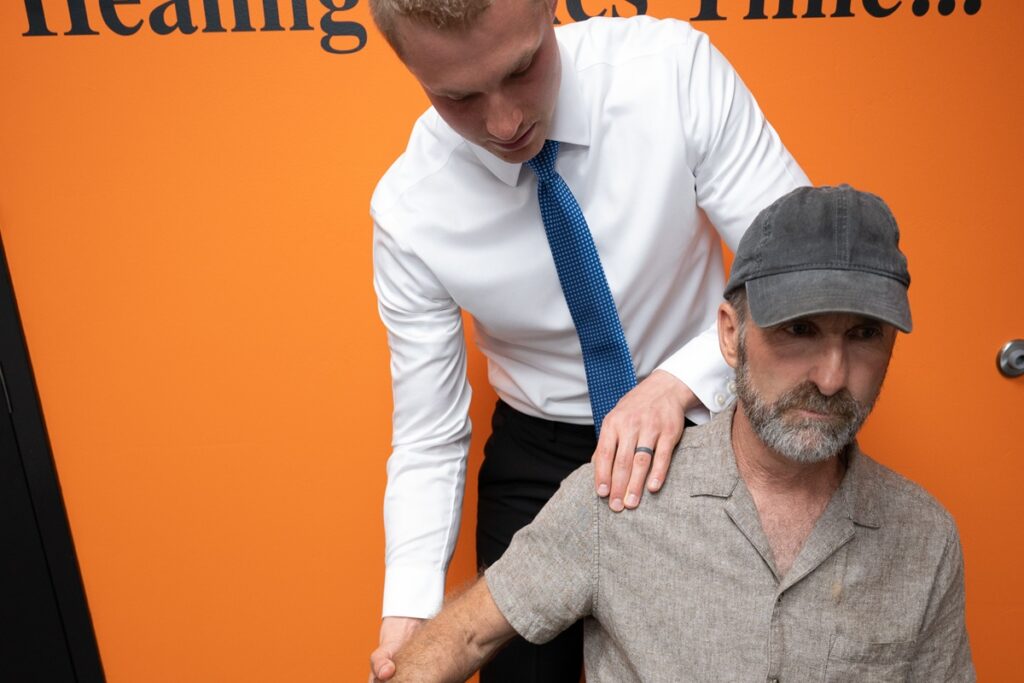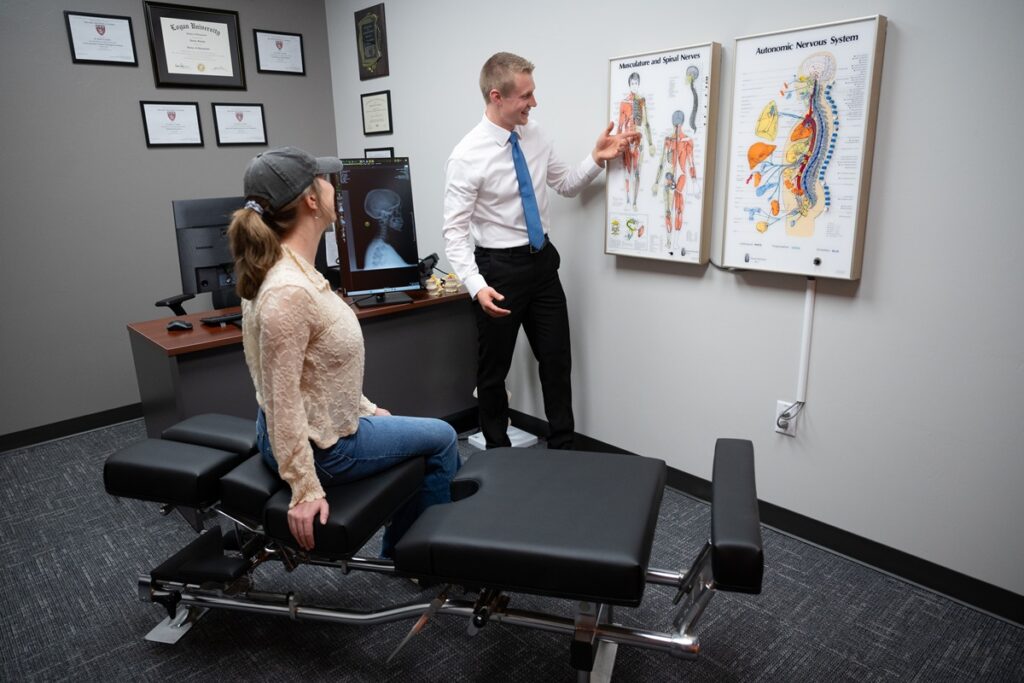

If you’ve ever felt a sharp, burning pain shoot down your leg — starting in your lower back or buttock and radiating all the way to your foot — you already know how disruptive sciatica can be. It can make sitting at your desk uncomfortable, turn a simple walk into a painful ordeal, and even keep you up at night. Here in Green Bay, WI, many patients come through the doors of 920 Chiropractic Health & Injury Care describing exactly that experience. The good news? Sciatica is one of the most well-understood and commonly treated conditions in chiropractic care, and most people respond very well to conservative, non-invasive treatment approaches.
What Is Sciatica?
Sciatica is not a diagnosis on its own — it’s a set of symptoms caused by irritation or compression of the sciatic nerve, the longest nerve in the human body. It typically produces pain, numbness, or tingling that travels along the path of the nerve, from the lower back through the hip and buttock and down one leg.
Understanding the Sciatic Nerve
The sciatic nerve originates from a bundle of nerve roots in the lumbar spine — specifically the lower segments of your back — and extends through the pelvis, down through the buttock, and into each leg. It’s about as thick as your thumb at its widest point, and it’s responsible for sensation and movement in much of your lower body. Because it covers so much territory, when something goes wrong along its path, the symptoms can show up in very different places for different people.
Sciatica itself is a symptom of an underlying problem, not a standalone condition. That distinction matters because it shapes how we approach treatment. Rather than simply chasing the pain in your leg, effective care focuses on identifying and addressing whatever is irritating or compressing the nerve in the first place. At 920 Chiropractic Health & Injury Care, Dr. Hunter Schultz takes exactly that approach — getting to the root of the issue rather than masking the discomfort.
It’s also worth noting that true sciatica involves symptoms that follow the sciatic nerve’s path. Not all leg pain is sciatica — some conditions mimic it closely, which is one reason a professional evaluation is so important before starting any treatment plan.
Common Causes of Sciatica
Sciatica can develop from a variety of underlying issues, and understanding the cause is the first step toward finding relief. One of the most common culprits is a herniated or bulging disc. The discs between your vertebrae act as cushions, and when the inner material of a disc pushes outward, it can press directly against one of the nerve roots that form the sciatic nerve. This pressure is what creates that telltale radiating pain down the leg.
Another frequent cause is spinal stenosis, which refers to a narrowing of the spinal canal. As we age, changes in the spine — including bone spurs and thickened ligaments — can reduce the space available for the spinal cord and nerve roots. When that space tightens around the nerves, sciatica-like symptoms often follow. This is especially common in adults over 50.
Piriformis syndrome is another cause worth mentioning, and it’s often overlooked. The piriformis is a small but important muscle located deep in the buttock. In some people, the sciatic nerve runs directly through or beneath this muscle. When the piriformis becomes tight or inflamed — often from prolonged sitting, repetitive movements, or an injury — it can compress the sciatic nerve and trigger symptoms. Many people in Green Bay who sit for long hours at work find that this plays a role in their discomfort.
Degenerative disc disease, poor posture, pregnancy, and even certain lifestyle habits like prolonged sitting or heavy lifting with poor mechanics can all contribute to sciatic nerve irritation over time. Each of these causes requires a slightly different approach, which is why individualized evaluation is so important.
Signs and Symptoms to Watch For
Sciatica has a fairly recognizable presentation, though it can vary significantly from person to person. The hallmark symptom is pain that starts in the lower back or buttock and travels down one leg — sometimes all the way to the foot. That pain may feel sharp, burning, electric, or like a deep ache. For some people, it comes and goes. For others, it’s nearly constant.
Numbness and tingling are also very common. You might notice that part of your leg or foot feels like it’s “asleep” — that familiar pins-and-needles sensation. In more significant cases, some people experience muscle weakness in the affected leg, which can affect your balance and ability to perform everyday activities.
One important characteristic of sciatica is that it typically affects only one side of the body. If you’re experiencing symptoms in both legs simultaneously, that warrants a more urgent medical evaluation. Similarly, any loss of bowel or bladder control alongside back or leg pain is a red flag that requires immediate medical attention — this could indicate a serious condition called cauda equina syndrome.
Many patients at 920 Chiropractic Health & Injury Care in Green Bay, WI report that their symptoms worsen with prolonged sitting, coughing, or sneezing. Moving around often provides temporary relief. These patterns can help Dr. Hunter Schultz narrow down the likely source of nerve irritation during an evaluation.
How Chiropractic Care Can Help
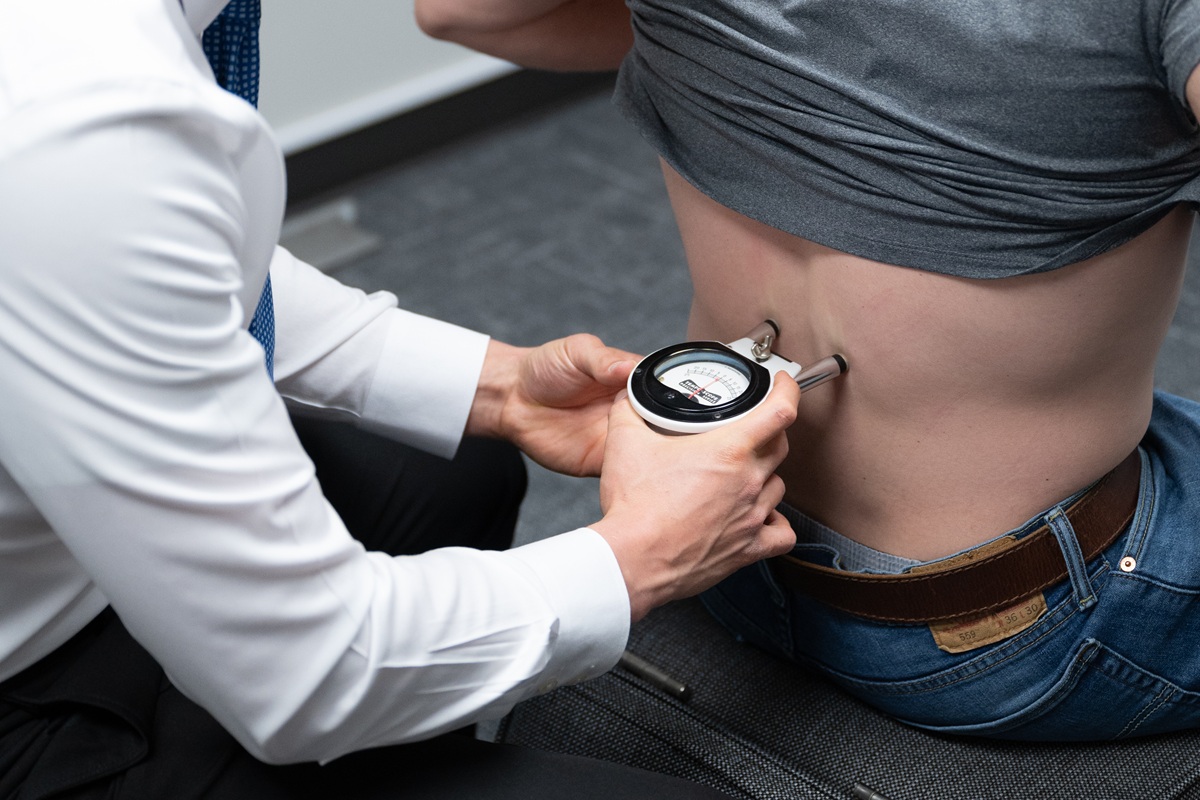
Chiropractic care is widely recognized as a valuable conservative option for managing sciatica. The American College of Physicians (ACP) and other leading health organizations recommend non-invasive approaches as first-line care for most types of back and leg pain — and chiropractic fits squarely within that framework. Research suggests that spinal manipulation and chiropractic therapies can help reduce pain and improve function in people experiencing sciatica symptoms.
At 920 Chiropractic Health & Injury Care, Dr. Hunter Schultz begins with a thorough assessment to understand the full picture of your condition. This typically includes reviewing your health history, discussing your symptoms in detail, and performing a physical and neurological examination. The goal is to identify where the nerve is being compressed or irritated and what’s driving that pressure.
Spinal adjustments are often a central part of sciatica care at the practice. These targeted, controlled movements are designed to restore proper alignment to the spine, reduce joint restrictions, and take pressure off the affected nerve roots. When the spine moves more freely and is better aligned, the environment around the sciatic nerve becomes less irritating — and symptoms often begin to ease.
Beyond adjustments, care at 920 Chiropractic Health & Injury Care may also include intersegmental traction therapy to improve range of motion of the spine, and spinal decompression therapy to take pressure of the disc and affected nerves. It’s a comprehensive, individualized approach — not a one-size-fits-all treatment.
Practical Tips for Managing Sciatica at Home
While professional care is essential for addressing the root cause of sciatica, there are several things you can do at home to support your recovery and manage day-to-day discomfort. These aren’t substitutes for chiropractic evaluation, but they can make a real difference in how you feel between visits.
Movement is one of the best things you can do for sciatic nerve pain. Staying in one position for too long — especially sitting — tends to worsen symptoms. If you work a desk job here in Green Bay, try getting up and walking for a few minutes every 30 to 45 minutes. Short, gentle walks throughout the day can help keep the nerve mobile and reduce irritation.
Sleeping position matters more than most people realize. Sleeping on your side with a pillow between your knees can reduce stress on the lumbar spine and help keep the pelvis in a more neutral alignment. If you prefer sleeping on your back, placing a pillow under your knees can serve a similar purpose.
Avoid prolonged activities that aggravate your symptoms — particularly heavy lifting with a rounded back, sitting on very soft or unsupportive surfaces for long periods, or any movements that send pain shooting down your leg. These patterns often make the underlying problem worse before it has a chance to improve.
Gentle heat applied to the lower back and buttock region can help relax tense muscles that may be contributing to nerve compression. Ice can be useful if there’s acute inflammation, particularly in the early stages of a flare-up. Alternating between the two is often helpful — but when in doubt, ask Dr. Hunter Schultz what’s most appropriate for your specific situation.
When to See a Chiropractor
If you’ve been dealing with lower back pain combined with leg pain, numbness, or tingling for more than a few days, it’s worth getting evaluated. Sciatica rarely resolves as quickly on its own as people hope, and the longer the sciatic nerve is irritated without addressing the underlying cause, the more entrenched the symptoms can become.
You should seek care sooner rather than later if your symptoms are severe, if they’re preventing you from performing daily activities, or if you’ve noticed progressive weakness in your leg or foot. These signs suggest the nerve may be under significant stress and benefit from professional attention.
There are also certain red flag symptoms that require immediate medical evaluation — not chiropractic care. These include sudden loss of bowel or bladder control, severe numbness in the groin or inner thighs, or leg weakness that develops rapidly. These may indicate a medical emergency and should prompt a visit to an emergency room right away.
For most people experiencing typical sciatica symptoms, however, a chiropractic evaluation is an excellent starting point. The team at 920 Chiropractic Health & Injury Care in Green Bay is experienced in assessing these types of presentations and helping patients understand their options clearly and honestly.
Sciatica Symptoms vs. Common Triggers
|
Symptom |
Common Trigger |
What It May Indicate |
|---|---|---|
|
Sharp pain radiating down one leg |
Sitting for long periods, bending forward |
Disc herniation or nerve root compression |
|
Numbness or tingling in the foot |
Prolonged pressure on the nerve, certain postures |
Nerve irritation from disc or piriformis involvement |
|
Deep aching in the buttock |
Sitting on hard surfaces, repetitive hip movements |
Piriformis syndrome or sacroiliac joint dysfunction |
|
Leg weakness or instability |
Progressive nerve compression |
Significant nerve involvement — warrants prompt evaluation |
|
Pain that worsens with coughing or sneezing |
Increased spinal pressure from bearing down |
Disc-related nerve compression |
|
Symptoms better with walking |
Movement decompresses the nerve slightly |
Common pattern in disc-related or joint-related sciatica |
Myths vs. Facts About Sciatica
Myth: Sciatica is a disease you have to live with forever.
Fact: Sciatica is a symptom of an underlying mechanical problem, and many people experience significant or complete resolution of symptoms with proper conservative care. While chronic cases do exist, sciatica is not a life sentence. With the right approach — including chiropractic care, movement, and lifestyle modifications — most people can make meaningful progress.
Myth: Rest is the best treatment for sciatica.
Fact: Extended bed rest is actually not recommended for sciatica. Evidence from organizations like the American College of Physicians suggests that staying active — within a comfortable range — generally produces better outcomes than prolonged rest. Gentle movement, walking, and targeted exercises tend to support recovery more effectively than lying still.
Myth: You need an MRI before starting chiropractic care.
Fact: In most cases, imaging is not required before beginning conservative chiropractic care. A thorough clinical evaluation is typically sufficient to guide an initial treatment plan. Imaging may be ordered if red flags are present or if symptoms don’t respond as expected — but it’s not a universal prerequisite.
Myth: Sciatica always requires surgery.
Fact: The vast majority of sciatica cases resolve with conservative, non-surgical approaches. Surgery is generally considered only when other methods have been exhausted or when there’s a serious neurological deficit. Chiropractic care, physical therapy, and lifestyle changes often provide meaningful relief without the need for invasive procedures.
Myth: Sciatica is just lower back pain.
Fact: Sciatica is defined by pain that travels along the path of the sciatic nerve — typically into the buttock, down the leg, and sometimes into the foot. While lower back discomfort often accompanies it, the hallmark of sciatica is that radiating, nerve-related quality that moves through the lower extremity. Treating it as simple back pain often misses the real source of the problem.
Final Thoughts from 920 Chiropractic Health & Injury Care
Living with sciatica can be incredibly frustrating. It doesn’t just hurt — it limits you. It changes how you sit, how you sleep, how you move through your day. But it doesn’t have to stay that way. Sciatica is one of the conditions where chiropractic care genuinely shines, and here in Green Bay, WI, patients at 920 Chiropractic Health & Injury Care are regularly finding their way back to the activities they love.
Dr. Hunter Schultz and the team at 920 Chiropractic Health & Injury Care are committed to providing honest, individualized, and effective care for people dealing with sciatica and other spine-related concerns. The approach here isn’t about quick fixes — it’s about understanding your body, addressing what’s actually driving your symptoms, and giving you the tools to feel and function better over the long term.
If you’re in the Green Bay area and you’ve been putting off getting help for that nagging leg pain or lower back discomfort, consider this your gentle nudge. You deserve to feel better, and the path forward often starts with a single evaluation. The team at 920 Chiropractic Health & Injury Care is here to help you take that step.
Frequently Asked Questions
How long does sciatica typically last?
The duration of sciatica varies depending on the underlying cause and how quickly it’s addressed. Many people experience improvement within a few weeks with appropriate care, while others may deal with symptoms for several months. Early intervention with conservative care tends to support faster recovery.
Can a chiropractor help with sciatica caused by a herniated disc?
Yes, chiropractic care is often appropriate for sciatica related to disc issues. Spinal adjustments and other chiropractic therapies can help reduce the mechanical stress on the affected disc and nerve root. A thorough evaluation will help determine whether chiropractic is the right fit for your specific situation.
Is it safe to exercise with sciatica?
Gentle movement and appropriate exercise are generally encouraged during sciatica recovery. High-impact activities or exercises that worsen your symptoms should be avoided, but walking and low-load movement are typically beneficial. Always check with Dr. Hunter Schultz or your care provider before starting a new exercise routine while experiencing sciatica.
What’s the difference between sciatica and general lower back pain?
General lower back pain stays localized to the back region, while sciatica involves symptoms — pain, numbness, tingling — that travel along the sciatic nerve path into the buttock, leg, or foot. The radiating, nerve-related quality is what sets sciatica apart from typical mechanical back pain.
Can sciatica come back after it gets better?
Yes, sciatica can recur, particularly if the underlying factors that caused it aren’t fully addressed. That’s why chiropractic care at 920 Chiropractic Health & Injury Care focuses not just on symptom relief but on correcting the root cause and helping patients build habits that support long-term spinal health.
Do I need a referral to see a chiropractor for sciatica in Green Bay?
In Wisconsin, you generally do not need a physician’s referral to see a chiropractor. You can contact 920 Chiropractic Health & Injury Care directly to schedule an evaluation and begin the process of getting to the bottom of your symptoms.
TL;DR Summary
-
Sciatica is caused by compression or irritation of the sciatic nerve and produces pain, numbness, or tingling that radiates down one leg — it is a symptom, not a diagnosis on its own.
-
Common causes include herniated discs, spinal stenosis, and piriformis syndrome, each of which responds to a different but often conservative treatment approach.
-
Chiropractic care — including spinal adjustments and soft tissue therapy — is a well-supported, non-invasive option for managing sciatica and addressing its root cause.
-
Staying gently active, avoiding prolonged sitting, and optimizing your sleep position can all support recovery between chiropractic visits.
-
If you’re in the Green Bay, WI area and dealing with sciatic symptoms, Dr. Hunter Schultz and the team at 920 Chiropractic Health & Injury Care are ready to help you understand your options and start feeling better.