Headaches can be incredibly frustrating and disruptive, but there are effective strategies you can use to alleviate the pain naturally. As a chiropractor, I believe that by making simple lifestyle changes and incorporating holistic techniques, you can take control of your discomfort without relying on medications or invasive procedures. From ensuring proper hydration to practicing relaxation techniques, each tip is vital for promoting your overall wellness. Ready to explore these practical solutions and find relief? Let’s delve into the seven tips that could significantly enhance your daily life and help you achieve optimal health.
- Stay Hydrated: Dehydration can often trigger headaches. Make it a habit to drink plenty of water throughout the day. Keeping your body well-hydrated supports overall health and can help reduce headache frequency.
- Maintain Good Posture: Poor posture can lead to tension in the neck and shoulders, contributing to headaches. Practice sitting and standing with your spine aligned. Consider regular chiropractic adjustments to ensure your spine is in optimal condition and to correct any structural imbalances.
- Manage Stress: Stress is a common headache trigger. Incorporate relaxation techniques into your routine, such as deep breathing exercises, yoga, or meditation. These practices not only help reduce stress but also promote better spinal health.
- Regular Chiropractic Care: Regular visits to a chiropractor can help address the root causes of headaches, such as spinal misalignments. Chiropractic adjustments can relieve tension, improve circulation, and enhance your body’s natural healing abilities.
- Limit Screen Time: Prolonged screen exposure can lead to eye strain and headaches. Take regular breaks from screens, practice the 20-20-20 rule (every 20 minutes, look at something 20 feet away for 20 seconds), and consider an ergonomic workspace setup.
- Healthy Diet: Eating a balanced diet rich in fruits, vegetables, whole grains, and lean proteins can support overall health and reduce headache triggers. Avoid excessive caffeine and processed foods, which may contribute to headaches.
- Get Enough Sleep: A consistent sleep schedule is crucial for overall health. Aim for 7-9 hours of quality sleep each night to help your body recover and reduce the likelihood of tension headaches.
By integrating these tips into your daily routine, you can take significant steps toward alleviating headache pain naturally and enhancing your overall well-being. Remember, chiropractic care is a powerful ally in your journey to optimal health, helping you to manage pain effectively and live a healthier, more vibrant life.
Key Takeaways
- Stay hydrated by drinking at least eight 8-ounce glasses of water daily. Proper hydration is essential not just for overall health, but it can also help prevent dehydration-related headaches. When your body is well-hydrated, it supports optimal spinal function and overall wellness.
- If you consume caffeine, consider gradually reducing your intake. This can help minimize withdrawal headaches. Pay attention to your habits and track your caffeine consumption to identify any patterns. Understanding how your lifestyle impacts your headaches can empower you to make healthier choices.
- Incorporate relaxation techniques into your daily routine, such as deep breathing exercises and gentle stretching. These practices can alleviate stress and muscle tension, which are often culprits behind headaches. Remember, a relaxed body can lead to a relaxed mind, and this can be beneficial for your spinal health as well.
- Make physical activity a regular part of your life. Activities like brisk walking or yoga not only boost circulation but also promote spinal health and reduce the frequency of headaches. Movement helps keep your muscles and joints functioning optimally, which can contribute to overall wellness.
- For immediate relief from headache pain, consider using cold or warm compresses on your forehead or neck. Cold compresses can help numb the pain, while warm compresses can relax tight muscles. This simple approach works well in conjunction with chiropractic care, which aims to address the root causes of pain and tension in the body.
By adopting these natural strategies and incorporating chiropractic care into your wellness routine, you can take significant steps towards alleviating headache pain and improving your overall health. Remember, chiropractic care focuses on enhancing your body’s natural healing abilities, promoting a healthier, pain-free life.
Stay Hydrated
Staying hydrated plays a crucial role in preventing and alleviating headache pain, which is something I see frequently in my practice as a chiropractor. When your body is dehydrated, it can lead to headaches or exacerbate existing pain.
To help maintain optimal health and wellness, aim to drink plenty of water throughout the day, especially if you’re active or in a warm environment. A helpful guideline is to drink at least eight 8-ounce glasses of water daily, but you may need more if you find yourself sweating.
Listening to your body is key. If you feel thirsty, it’s a sign that you need to hydrate. Carrying a water bottle with you can make it easier to sip water consistently throughout the day. Additionally, incorporating hydrating foods such as fruits and vegetables into your diet can boost your fluid intake. If you sense a headache coming on, try drinking a glass of water first before considering other options. It might provide you with the relief you need.
Practice Relaxation Techniques
To ease headache pain, incorporating relaxation techniques can significantly enhance your overall well-being. As a local chiropractor, I believe that these practices complement spinal health and can lead to natural relief. Deep breathing exercises can be a powerful tool to calm both your mind and body. By focusing on your breath, you can reduce tension in your muscles, which may alleviate some of the stress contributing to your headaches.
Additionally, engaging in guided visualization sessions can transport you to a serene mental space, helping to reduce stress further. Picture a calm beach or a quiet forest; immersing yourself in these images can create a sense of peace that may help ease discomfort.
Remember, while these relaxation techniques are beneficial, they work best in conjunction with regular chiropractic care. A healthy spine is crucial for optimal nerve function, which plays a significant role in overall health and pain management. By prioritizing spinal health, you can enhance your body’s ability to heal naturally.
For a holistic approach to headache relief, consider these tips:
- Maintain good posture throughout your day to minimize tension.
- Stay hydrated, as dehydration can often trigger headaches.
- Incorporate gentle stretching or yoga into your routine to improve flexibility and relaxation.
Deep Breathing Exercises
As a chiropractor, I understand that headache pain can be a significant barrier to enjoying life. One effective and natural remedy you can incorporate into your wellness routine is deep breathing exercises. These exercises not only promote relaxation but also help to calm your mind, which can be particularly beneficial for alleviating headache discomfort.
Here’s a straightforward guide to practicing deep breathing:
| Step | Description |
|---|---|
| Find a Comfortable Position | Sit or lie down in a quiet, peaceful space. |
| Inhale Deeply | Take a slow, deep breath in through your nose, counting to four. |
| Hold Your Breath | Pause and hold that breath for a count of four. |
| Exhale Slowly | Gently breathe out through your mouth for a count of six. |
| Repeat | Continue this cycle for five to ten minutes. |
By regularly practicing these deep breathing techniques, you may find that tension in your body and mind begins to release, which can greatly alleviate headache pain. Remember, incorporating deep breathing into your daily routine is a simple yet powerful way to support your overall wellness.
In addition to breathing exercises, regular chiropractic care can also play a vital role in managing headaches. By addressing any misalignments in your spine, chiropractic adjustments can help reduce tension and improve your body’s natural ability to heal itself. Embracing both deep breathing and chiropractic care can be a great combination for achieving optimal health and wellness.
Guided Visualization Sessions
Incorporating relaxation techniques like guided visualization can significantly enhance your ability to manage headache pain naturally. This technique involves creating a mental image that promotes relaxation and eases tension, which can be especially beneficial alongside chiropractic care. To get started, find a quiet space where you won’t be disturbed. Close your eyes and take a few deep breaths to help center yourself.
Now, visualize a calming scene—maybe a serene beach with gentle waves or a peaceful forest filled with the sounds of nature. As you immerse yourself in this imagery, pay attention to the details: the colors, the sounds, and the sensations you might feel. Allow this visualization to wash over you, helping to melt away the tension in your head and neck.
Practicing guided visualization for just a few minutes each day can complement your chiropractic treatments, helping to reduce the frequency and intensity of headaches. With consistency, you’ll find it easier to cope with pain and improve your overall well-being.
Maintain a Consistent Sleep Schedule
Maintaining a consistent sleep schedule is crucial not just for a good night’s rest, but also for managing headache pain effectively. When you go to bed and wake up at the same time every day, your body learns to regulate its internal clock, which can lead to improved sleep quality. Poor sleep or erratic sleep patterns can be a significant trigger for headaches, so it’s important to prioritize your rest.
Aim for 7-9 hours of quality sleep each night. Establishing a calming bedtime routine can signal to your body that it’s time to wind down. To enhance your ability to fall asleep, try to avoid caffeine and screens at least an hour before bedtime. These can disrupt your natural sleep cycle.
If you find it challenging to rise in the morning, consider placing your alarm clock across the room. This simple trick will get you out of bed and on your feet, making it easier to start your day. Remember, consistency is vital—try to stick to your sleep schedule even on weekends. By following this routine, you may notice a decrease in the frequency and intensity of your headaches.
Incorporating chiropractic care into your wellness routine can also support your overall health and help alleviate headache pain. Regular chiropractic adjustments can improve spinal alignment, which plays a key role in how your body functions. By addressing any misalignments, you may find not only relief from headaches but also enhanced sleep quality. Prioritizing your well-being through chiropractic care and a consistent sleep schedule can lead to a healthier, more vibrant life.
Use Cold or Warm Compresses
Getting quality sleep is essential for reducing headache triggers, but when pain strikes, using cold or warm compresses can provide immediate relief. Cold compresses, such as a bag of frozen peas or an ice pack wrapped in a cloth, can numb the pain and reduce inflammation. Simply apply it to your forehead or the back of your neck for about 15-20 minutes. This method can help ease tension and throbbing sensations, giving you a moment of comfort.
Conversely, warm compresses can be incredibly beneficial for tension headaches. A warm towel or heating pad placed on your neck or shoulders can help relax tight muscles and improve blood flow, promoting a sense of relaxation. You may find that alternating between cold and warm compresses offers the best results for relief.
Remember, these techniques are great complements to chiropractic care, which addresses the root causes of headaches by improving spinal alignment and overall body function. If you’re frequently experiencing headaches, consider visiting your chiropractor for a thorough assessment and personalized treatment plan that focuses on natural healing and wellness.
Always listen to your body—if anything feels uncomfortable or worsens your headache, stop immediately. Try these compresses next time you sense a headache coming on, and don’t forget the benefits of regular chiropractic care for optimal health and pain relief!
Limit Caffeine Intake
When it comes to caffeine, understanding your body’s tolerance is essential for overall wellness.
While caffeine can provide a temporary energy boost, excessive consumption may lead to unwanted headaches or discomfort. It’s important to reduce your intake gradually, as cutting back too quickly can result in withdrawal symptoms that may affect your daily life.
As you modify your caffeine consumption, pay close attention to how your body feels. This self-awareness is crucial for maintaining a healthy lifestyle.
Remember, chiropractic care can play a significant role in your overall health and wellness journey. Regular chiropractic adjustments help to align your spine and nervous system, which can enhance your body’s ability to cope with stress and improve your energy levels naturally.
Here are a few helpful tips to manage your caffeine intake while promoting a healthier lifestyle:
- Stay Hydrated: Drink plenty of water throughout the day to keep your body hydrated and reduce the temptation to rely on caffeine.
- Opt for Herbal Alternatives: Consider switching to herbal teas or decaffeinated beverages, which can satisfy your cravings without the added caffeine.
- Prioritize Sleep: A good night’s sleep is vital for natural energy. Establishing a consistent sleep routine can help reduce your reliance on caffeine.
- Incorporate Physical Activity: Regular exercise not only boosts your energy levels but also reduces stress and tension, making it easier to manage your caffeine consumption.
- Seek Chiropractic Care: Regular visits to your chiropractor can help relieve tension and improve your overall well-being, making it easier to cut back on caffeine.
By taking these steps and considering chiropractic care, you can cultivate a healthier relationship with caffeine while enhancing your overall health and wellness.
Know Your Tolerance Level
Understanding your tolerance level for caffeine is crucial when it comes to managing headache pain naturally. Caffeine can have both positive and negative effects on headaches, so it’s important to find the right balance for your body. Here are three simple tips to help you gauge your tolerance and support your overall wellness:
- Keep a Caffeine Journal: By tracking how much caffeine you consume each day—whether it’s from coffee, tea, or soda—you can identify patterns that may relate to your headaches. This awareness can empower you in making healthier choices.
- Notice Your Body’s Signals: Pay close attention to how your body reacts to different amounts of caffeine. If you find that your headaches worsen after consuming certain levels of caffeine, it’s a sign to adjust your intake. Listening to your body is key to natural healing.
- Make Gradual Changes: If you think you might be consuming too much caffeine, try cutting back slowly. Abrupt changes can lead to withdrawal headaches, which can be uncomfortable. A gradual reduction allows your body to adjust without unnecessary pain.
By understanding your caffeine tolerance and making small adjustments, you can take significant steps towards reducing headache pain.
Additionally, consider incorporating chiropractic care into your wellness routine. Chiropractic adjustments can help to alleviate tension and improve spinal alignment, which may further enhance your overall health and help manage pain naturally.
Embrace this holistic approach for a healthier, pain-free life!
Monitor Withdrawal Symptoms
Caffeine withdrawal is often underestimated, yet it can significantly affect your overall wellness and headache management. If you’re someone who regularly consumes caffeine and suddenly reduce your intake, you may find yourself experiencing withdrawal headaches. This is where chiropractic care can play a vital role in helping you manage these symptoms naturally.
Instead of turning to medications or other treatments that may come with side effects, consider the holistic approach of chiropractic care. A well-aligned spine can enhance your body’s ability to cope with stress and discomfort, including withdrawal symptoms.
Here are some tips to help you navigate caffeine withdrawal while prioritizing your health:
- Gradual Reduction: If you’re looking to cut back on caffeine, do so gradually. This can help minimize withdrawal symptoms like headaches and fatigue.
- Stay Hydrated: Drink plenty of water throughout the day. Proper hydration can alleviate some of the discomfort associated with withdrawal.
- Balanced Nutrition: Eating well-balanced meals that include plenty of fruits, vegetables, and whole grains can support your body during this transition.
- Gentle Exercise: Engaging in light physical activity, such as walking or yoga, can help improve your mood and reduce fatigue.
- Chiropractic Adjustments: Regular visits to your chiropractor can help ensure your spine is aligned, which may enhance your overall well-being and assist in managing headache symptoms naturally.
| Caffeine Consumption | Potential Withdrawal Symptoms |
|---|---|
| High (3+ cups/day) | Severe headaches, fatigue |
| Moderate (1-2 cups/day) | Mild headaches, irritability |
| Low (0-1 cup/day) | Occasional fatigue, focus issues |
Incorporate Regular Exercise
Incorporating regular exercise into your routine is a fantastic way to help alleviate headache pain, and as a chiropractor, I can tell you that it also plays a significant role in maintaining spinal health.
Physical activity increases blood circulation and releases endorphins, which work naturally to relieve tension. You don’t have to commit to long gym sessions; even small changes can make a big difference for your wellness. Here are three easy ways to get started:
- Walking: Aim for at least 30 minutes of brisk walking a few times a week. This simple activity not only strengthens your body but also promotes healthy spine alignment, and can be done almost anywhere, making it a convenient choice.
- Stretching: Incorporate daily stretching exercises, particularly for your neck and shoulders. Targeting these areas can release built-up tension that often contributes to headaches. Stretching helps improve flexibility and supports spinal health, which is essential for overall well-being.
- Yoga: Consider joining a beginner yoga class or following a video at home. Yoga emphasizes relaxation and mindful movement, which can significantly aid in managing headache symptoms while promoting spinal alignment and core strength.
Remember, regular exercise isn’t just about physical activity; it’s about creating a lifestyle that fosters your overall health and wellness.
If headaches persist, it’s a good idea to consult with a chiropractor who can assess your spinal health and offer personalized care to support your journey toward optimal wellness.
Seek Professional Help
When headaches become a frequent disruption in your life, it’s important to find effective and natural ways to seek relief. As a chiropractor, I believe that addressing the root cause of headaches can often lead to better outcomes than relying on medications or invasive treatments. Chiropractic care focuses on spinal health and overall well-being, which can play a crucial role in alleviating headache symptoms.
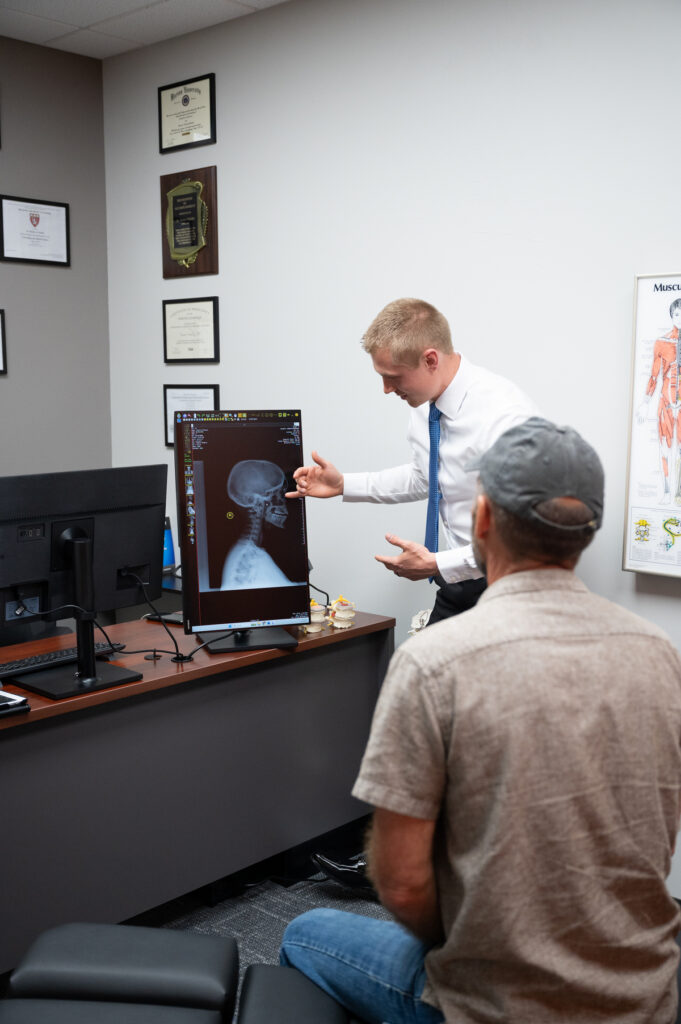
A thorough evaluation by a chiropractor can help identify any misalignments in your spine that may be contributing to your headaches. By restoring proper alignment through adjustments, we can relieve tension in your nervous system, which may help reduce the frequency and intensity of headaches.
In addition to chiropractic adjustments, there are several lifestyle modifications you can make to support your health. Staying hydrated, maintaining good posture, and managing stress through relaxation techniques can all contribute to headache relief. Regular exercise, such as gentle stretching or yoga, can also help keep your spine and muscles healthy, further reducing headache occurrences.
Keeping a headache diary can be a valuable tool as well. By tracking when your headaches occur, along with any activities or foods that may trigger them, you can gain insights that will help you and your chiropractor create a personalized plan for your health.
Conclusion
By incorporating these seven practical tips into your daily routine, you can effectively alleviate headache pain and enhance your overall health and wellness. First and foremost, staying hydrated is crucial; drinking plenty of water can help reduce headache frequency and intensity. Additionally, practicing relaxation techniques such as deep breathing or meditation can significantly lower stress levels, which are often a contributing factor to headaches.
Maintaining a consistent sleep schedule is vital for your body’s recovery and can help prevent headaches. Ensure you’re getting enough restorative sleep each night. You might also find relief by using cold or warm compresses on your forehead or neck, as they can relax tense muscles and soothe discomfort.
Limit your caffeine intake, as too much can lead to headaches for some individuals. Regular exercise is another excellent way to relieve headache pain; even a daily walk can improve circulation and reduce tension. Lastly, don’t hesitate to seek professional help. Chiropractic care focuses on the spine and nervous system, offering natural solutions to headache relief. A chiropractor can assess your posture, spinal alignment, and overall health to tailor a treatment plan that supports your well-being.
By taking charge of your health through these simple, effective strategies, you can find relief from headaches while enhancing your overall quality of life. Embrace chiropractic care as a holistic approach to achieving optimal health and wellness!