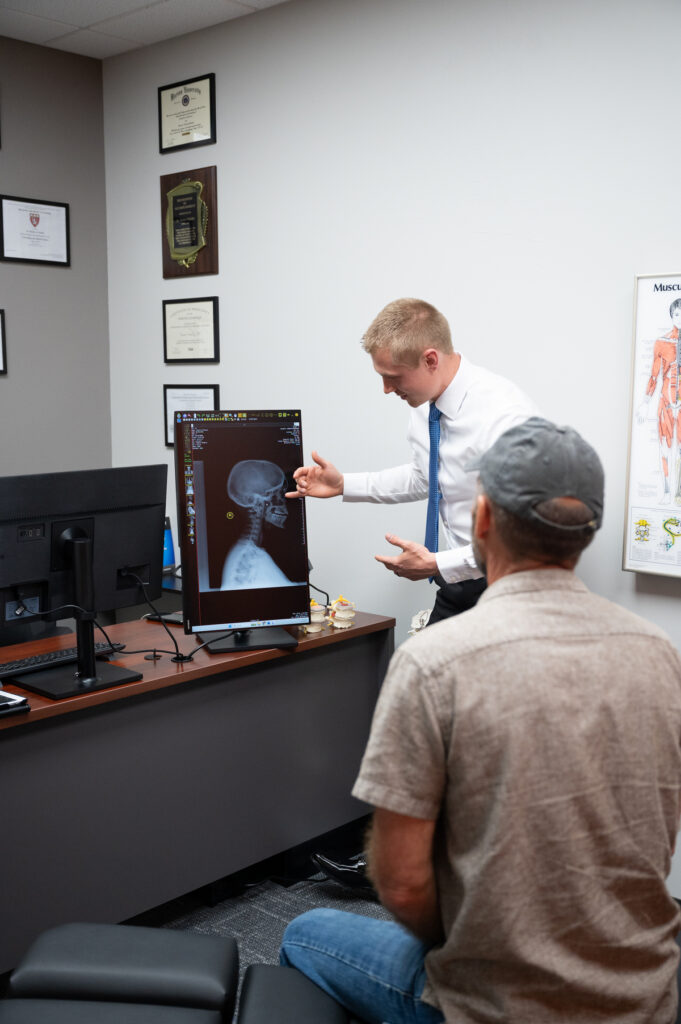
If you’re tired of dealing with migraines, it’s time to explore effective techniques for prevention through natural means. As a chiropractor, I believe that understanding and addressing the underlying causes of your migraines is essential. While identifying and avoiding triggers is important, there’s so much more you can do to support your health.
First, let’s talk about the importance of sleep. Establishing a regular sleep routine can greatly improve your overall well-being. Aim for 7-9 hours of quality sleep each night. A well-aligned spine can contribute to better rest, so consider visiting your chiropractor to ensure your body is in optimal condition for sleep.
Next, hydration is crucial. Dehydration can be a common trigger for migraines. Make it a habit to drink plenty of water throughout the day, as staying hydrated supports overall health and can help reduce the frequency and severity of headaches.
Stress management is another key component. Chronic stress can lead to tension in your muscles and exacerbate migraines. Incorporate relaxation techniques into your daily routine, such as deep breathing exercises, yoga, or meditation. Chiropractic adjustments can also help relieve tension in the body, promoting relaxation and reducing stress.
Finally, regular chiropractic care can play a vital role in preventing migraines. By addressing spinal misalignments and ensuring your nervous system is functioning properly, you can improve your body’s ability to cope with stress and other triggers.
Let’s focus on these strategies and see how they can help you achieve a healthier, more comfortable life, free from the burden of migraines. Remember, caring for your spine is a key step toward optimal health and wellness!
Key Takeaways
- Recognizing and avoiding common migraine triggers, such as specific foods, environmental factors, and stressors, can significantly reduce the frequency and intensity of your headaches. As a chiropractor, I encourage you to keep a migraine diary to identify what might be affecting you personally.
- Establishing a consistent sleep schedule paired with a calming bedtime routine is key to improving your sleep quality. Good sleep is essential for overall wellness and can also help in reducing migraine occurrences. Consider gentle stretches or relaxation techniques before bed to support your spine and promote relaxation.
- Staying well-hydrated is crucial for overall health. Aim to drink at least eight glasses of water daily and include hydrating foods in your diet. Dehydration can lead to headaches, and maintaining hydration supports your body’s natural healing processes.
- Managing stress is vital in preventing migraines. Incorporating relaxation techniques such as deep breathing, meditation, or yoga can help lower your risk. These practices not only ease tension in the body but also promote spinal health by encouraging proper posture and alignment.
- Creating an optimal environment is essential for migraine prevention. Control aspects like lighting, noise, and temperature in your space to make it more comfortable. A calm and supportive environment can help reduce stress on your body, including your spine, which is integral to your overall health.
By integrating these natural approaches and prioritizing chiropractic care, you can take proactive steps towards achieving optimal health and wellness, ultimately leading to fewer migraines and a better quality of life.
Identify and Avoid Common Triggers
Many people often overlook how common triggers can affect their migraine episodes. It’s important to understand that certain foods, drinks, and environmental factors can significantly contribute to migraine attacks. For example, aged cheeses, processed meats, and alcohol—especially red wine—are known to be common triggers. Keeping a migraine diary can help you recognize patterns and identify specific triggers in your diet or daily life.
Stress and anxiety are also key players in inducing migraines, making it crucial to manage your stress levels effectively. Be mindful of your environment; bright lights, loud noises, and strong scents can also lead to discomfort and trigger migraines.
Once you identify your personal triggers, you can take proactive steps to avoid them, which can significantly reduce the frequency of your migraines. Chiropractic care can play a vital role in managing stress and promoting overall wellness. Regular chiropractic adjustments can help align your spine, improve your body’s function, and enhance your ability to cope with stress, which may help reduce the intensity and frequency of your migraines.
In addition to chiropractic care, here are some general tips for better migraine management:
- Stay Hydrated: Drink plenty of water throughout the day to prevent dehydration, which can trigger headaches.
- Maintain a Regular Sleep Schedule: Consistent sleep patterns can help regulate your body and may reduce migraine occurrences.
- Practice Relaxation Techniques: Incorporate deep breathing, meditation, or yoga into your routine to help manage stress.
- Monitor Your Diet: Keep track of what you eat to identify and avoid specific food triggers.
- Create a Comfortable Environment: Dim the lights, reduce noise, and minimize strong scents in your living space to create a calming atmosphere.
Maintain a Consistent Sleep Schedule
Establishing a consistent sleep schedule can significantly enhance your overall wellness and is especially important for migraine management. When you go to bed and wake up at the same time each day, your body learns to adapt to a healthy rhythm, which can help prevent those painful migraine episodes. Disrupted sleep patterns, whether from late nights or sleeping in, can trigger headaches for many people.
Aim for seven to eight hours of restorative sleep each night. Consider creating a calming bedtime routine that signals to your body it’s time to wind down. This could involve simple activities like reading a book, practicing meditation, or enjoying a warm bath—these practices can also support your spine’s health by promoting relaxation.
It’s wise to avoid screen time before bed, as the blue light emitted from devices can interfere with your sleep quality and, in turn, your overall health. If you find it challenging to fall asleep, try keeping your bedroom dark and cool—this can create a peaceful environment beneficial for your spine and overall health.
Stay Hydrated
Staying hydrated is crucial for overall health and wellness, especially when it comes to preventing migraines. Even mild dehydration can trigger those painful episodes, making it even more important to prioritize hydration. As a chiropractor, I believe that taking care of your body naturally is key to achieving optimal health and wellness.
Water should be your primary beverage throughout the day, and there are simple tips to help you stay on track. Here are some easy ways to boost your hydration levels:
- Keep Water Accessible: Carry a reusable water bottle with you wherever you go. Having water on hand makes it easier to take sips throughout the day.
- Set Reminders: Use your phone or a timer to remind you to drink water regularly. Consistency is key to staying hydrated!
- Add Flavor: If plain water isn’t appealing, try adding slices of lemon, cucumber, or mint to enhance the flavor without added sugars.
- Eat Hydrating Foods: Incorporate fruits and vegetables with high water content, such as cucumbers, watermelon, and oranges, into your diet.
- Track Your Intake: Consider keeping a log of how much water you drink each day. This can help you stay aware of your hydration levels.
- Listen to Your Body: Pay attention to signs of dehydration, such as thirst, dry mouth, or fatigue. These signals are your body’s way of telling you to hydrate!
Remember, while hydration is essential, maintaining proper spinal health through chiropractic care can also play a significant role in reducing migraine frequency and intensity. Regular chiropractic adjustments can help ensure that your nervous system functions optimally, which in turn supports your overall health and wellness.
Importance of Water Intake
Hydration is an essential part of maintaining not just your overall health, but also your spinal health and wellness. Proper water intake can play a significant role in preventing migraines, which often stem from factors like tension and dehydration. When your body is dehydrated, it can lead to your brain temporarily shrinking, which may trigger headache pain.
By ensuring you drink enough water throughout the day, you support your body’s natural functions, including optimal brain health, which can help reduce the likelihood of migraines. Aim for at least eight glasses of water daily, but remember to adjust based on your activity level and the climate you live in. Incorporating hydrating fruits and vegetables into your diet can also boost your fluid intake.
If you start to feel a migraine coming on, take a moment to assess your hydration first. Staying mindful of your water intake is a simple yet effective strategy to help keep those migraines at bay. And don’t forget, regular chiropractic care can help align your spine and relieve tension that might contribute to headaches. By prioritizing both hydration and chiropractic adjustments, you can take proactive steps toward achieving optimal health and wellness.
Hydration Tips and Tricks
Staying hydrated is essential for overall health and wellness, and it can even play a role in maintaining a healthy spine. As a chiropractor, I want to share some helpful tips to keep you on track with your hydration and support your body’s natural healing.
First and foremost, make it a habit to drink water consistently throughout your day. Carrying a refillable water bottle with you can serve as a constant reminder to sip water regularly. Setting reminders on your phone to take a quick hydration break every hour can be particularly useful when you’re busy.
To make drinking water more enjoyable, consider infusing it with fresh fruits or herbs. This can’t only enhance the flavor but also motivate you to drink more, which is crucial for keeping your body hydrated and your spine healthy.
Hydration is especially important around your exercise routine. Make sure to drink water before, during, and after your workouts to replenish any fluids lost through sweat. Additionally, incorporating water-rich foods into your diet, like cucumbers, oranges, and watermelon, can significantly boost your hydration.
If you ever start to feel a headache creeping in, it could be a sign of dehydration. Drinking a glass of water at the first sign of thirst can help alleviate those symptoms. Remember, your body knows when it needs hydration—don’t ignore those signals!
Lastly, staying ahead of your hydration can also support your spinal health and help prevent discomfort. When your body is well-hydrated, it can function optimally, allowing your spine and joints to move freely. Embrace these hydration tips, and consider regular chiropractic care as a natural way to enhance your overall wellness and keep your body in balance. Your spine will thank you!
Practice Stress Management Techniques
Managing stress can sometimes feel like a daunting task, but incorporating effective techniques into your everyday life can help ease the burden and even reduce the frequency and intensity of migraines. As a chiropractor, I believe that a holistic approach to wellness, including stress management, is essential for achieving optimal health. Simple practices like deep breathing, mindfulness, and effective time management can significantly improve your overall well-being.
Here’s a quick overview of stress management techniques that you can easily integrate into your daily routine:
| Technique | Description | Benefits |
|---|---|---|
| Deep Breathing | Focus on taking slow, deep breaths | Helps reduce tension and promotes relaxation, allowing your spine to stay more aligned and healthy. |
| Mindfulness | Stay present and aware of your thoughts and feelings | Enhances emotional regulation, which can lead to decreased muscle tension related to stress. |
| Time Management | Prioritize and delegate tasks effectively | Reduces feelings of overwhelm, allowing for better focus and clarity, which can help prevent stress-related pain. |
| Progressive Relaxation | Tense and then relax different muscle groups | Alleviates physical stress, promoting better spinal health and reducing discomfort. |
Incorporating these techniques into your daily routine can not only help manage stress, but can also complement the benefits of chiropractic care. By addressing both physical and emotional stressors, you can enhance your overall health and wellness. Remember, chiropractic care focuses on natural healing and can be a pivotal part of your journey towards a healthier, pain-free life.
Incorporate Regular Exercise
Incorporating regular exercise into your routine can significantly enhance your well-being while helping to prevent migraines. As a chiropractor, I emphasize the importance of physical activity in maintaining a healthy spine and body. Exercise helps to regulate bodily systems, reduce stress, and alleviate tension—common triggers for migraines.
Aim for at least 30 minutes of moderate exercise most days of the week. Choose activities that you genuinely enjoy, like walking, cycling, or dancing. When you find joy in your exercises, you’re more likely to keep up with them, which is essential for long-term health.
Regular physical activity not only uplifts your mood but also enhances sleep quality—an essential component in preventing migraines. When you’re well-rested, your body is better equipped to fend off headaches. If you’re new to exercising, start slowly and gradually increase the intensity and duration of your workouts.
Always listen to your body. If you experience discomfort or notice a migraine beginning during your workouts, don’t hesitate to adjust your routine. Incorporate gentle stretching, particularly for your back and neck, which can greatly benefit your spinal health and overall comfort.
Monitor Dietary Habits
Staying active is just one part of the larger picture when it comes to managing migraines; keeping an eye on your dietary habits is equally important. Certain foods can trigger migraines, while others may provide relief. A helpful way to understand your body’s responses is by maintaining a food diary. This can assist you in identifying patterns and uncovering potential triggers.
| Trigger Foods | Healthier Alternatives |
|---|---|
| Aged cheeses | Fresh mozzarella |
| Processed meats | Fresh chicken |
| Caffeinated drinks | Herbal teas |
In addition to monitoring your food intake, it’s vital to nourish your body with a balanced diet that includes plenty of fruits, vegetables, whole grains, and lean proteins. Staying hydrated is also crucial, as dehydration can lead to migraines. By being mindful of how different foods affect you, you can make informed choices that may help reduce the frequency and intensity of your migraines.
As a chiropractor, I encourage you to consider how chiropractic care can complement your journey to optimal health. Regular adjustments can enhance your overall well-being, alleviate tension, and support your body’s natural healing processes. By aligning your spine, you may experience improvements in your overall health, including potential relief from migraine symptoms.
Create a Calm and Comfortable Environment
Creating a calm and comfortable environment is essential for reducing migraine triggers and enhancing your overall well-being. As a chiropractor, I often emphasize the importance of a soothing space in conjunction with chiropractic care to achieve optimal health. Here are some simple adjustments you can make to your environment that can help you feel better:
- Optimize Lighting: Bright, harsh lights can aggravate migraines. Instead, consider using soft, natural light or adjustable lamps that allow you to control brightness. Dim the lights during the evening to create a more relaxing atmosphere.
- Control Noise Levels: Excessive noise can contribute to stress and trigger migraines. Try using sound machines or calming music to drown out disruptive sounds. You might also benefit from noise-canceling headphones during particularly overwhelming times.
- Maintain Ideal Temperature: A comfortable temperature can significantly impact how you feel. Aim for a cool, yet cozy environment. If you find yourself getting too warm or too cold, adjust your thermostat or use fans and blankets as needed.
- Incorporate Natural Elements: Surrounding yourself with plants or natural materials can create a sense of tranquility. Not only do plants improve air quality, but they also promote a soothing ambiance.
- Stay Hydrated: Don’t underestimate the power of hydration. Ensure you have water readily available, as dehydration can trigger migraines.
- Practice Good Posture: While your environment plays a role, your posture is equally important. Make sure your workstation is ergonomically friendly, and consider regular chiropractic adjustments to maintain spinal health and alleviate tension.
Optimize Lighting Conditions
As a chiropractor, I understand that harsh lighting can be a significant trigger for migraines, which can impact your overall health and well-being. To create a more soothing environment that promotes relaxation and comfort, it’s important to optimize your lighting conditions. Here are some tips that can help you achieve that:
- Switch to Softer Lighting: Replace those bright, flickering bulbs with soft, warm lighting. This gentle illumination can help reduce strain on your eyes and create a calming atmosphere.
- Use Dimmable Lamps: Invest in lamps that come with dimmers, allowing you to adjust the brightness based on your needs. This flexibility can help you find the perfect light level for any activity.
- Embrace Natural Light: Natural light is often the best choice for your space. Consider using sheer curtains that gently filter sunlight, letting in a soft glow without overwhelming brightness.
- Minimize Screen Glare: If you work on screens, be mindful of glare. Position your monitor away from windows or use anti-glare screens to make your viewing experience more comfortable.
- Take Regular Breaks: Your eyes deserve a rest! Incorporate regular breaks into your routine to minimize eye strain and promote relaxation.
- Adjust Fluorescent Lighting: If you find yourself in a room with harsh fluorescent lights, try covering them with fabric or switching to alternative light sources to create a more pleasant environment.
By creating a well-lit space that prioritizes comfort and relaxation, you can significantly decrease the likelihood of experiencing migraines.
Control Noise Levels
Controlling noise levels in your environment plays a significant role in managing migraine triggers, and as a chiropractor, I understand the importance of creating a calm atmosphere for overall wellness.
Here are some effective strategies to help you cultivate a peaceful space that supports your health:
- Use Soft Background Music: Playing gentle melodies can help mask disruptive sounds while promoting relaxation. This can lead to a more comfortable environment, which may help reduce tension in your body.
- Incorporate Soundproofing: Adding rugs, curtains, or even acoustic panels can significantly absorb sound and minimize echoes. A quieter space can help lower stress levels and support your spine’s alignment and overall well-being.
- Implement White Noise: Utilizing devices or apps that generate consistent sounds can effectively drown out sudden loud noises that could trigger a migraine. This steady background noise can create a soothing atmosphere for both your mind and body.
By incorporating these strategies into your daily life, you can enhance your environment, which may contribute to better health and wellness.
Remember, chiropractic care also plays a vital role in achieving optimal health by addressing spinal alignment and promoting natural healing.
Prioritizing a peaceful space alongside regular chiropractic adjustments can help you manage pain more effectively and improve your overall quality of life.
Maintain Ideal Temperature
Maintaining an ideal temperature in your environment is crucial for your comfort and can play a significant role in preventing migraines. When your surroundings are too hot or too cold, it can lead to discomfort and even trigger headaches. To create a soothing environment, aim for a consistent, moderate temperature—typically between 68 to 72 degrees Fahrenheit is a sweet spot.
During warmer months, consider using fans or air conditioning to keep cool, while cozy blankets can help you stay warm in the colder months. Remember, your body’s comfort directly relates to your spinal health, and chiropractic care can help ensure your spine is aligned properly to regulate your body’s response to temperature changes.
In addition to temperature, managing humidity levels is essential. Using a humidifier or dehumidifier can help maintain the right humidity, as both excessive dryness and dampness can provoke headaches. Make sure to keep your windows covered during peak sunlight hours to block out heat and glare, which can also contribute to discomfort.
Consider Alternative Therapies
When it comes to managing migraines, many individuals are exploring natural and holistic approaches for relief. While traditional treatments have their place, integrating chiropractic care can be a game-changer when it comes to achieving optimal health and wellness.
Here are some strategies to consider:
- Chiropractic Adjustments: Regular chiropractic adjustments can help realign the spine, which may reduce tension and alleviate pain associated with migraines. By improving spinal function, you can enhance your overall well-being and potentially decrease the frequency of migraine episodes.
- Lifestyle Modifications: Simple changes in your daily routine can have a significant impact. Staying hydrated, maintaining a balanced diet, and getting regular exercise can all contribute to reducing migraine triggers. Additionally, practicing good posture can relieve tension in the neck and upper back, which are common areas for migraine pain.
- Stress Management Techniques: Incorporating stress-relief practices such as yoga and meditation into your routine can help manage stress levels, a known trigger for migraines. These methods promote relaxation and mindfulness, which can complement the benefits of chiropractic care.
Remember, before making any changes to your migraine management plan, it’s best to consult with a healthcare professional. A chiropractor can guide you through the process, ensuring you explore these natural options safely and effectively.
Conclusion
By incorporating these techniques into your routine, you can significantly decrease the frequency and intensity of your migraines while also improving your overall health and wellness. First and foremost, identify and steer clear of your personal triggers—this could be certain foods, environmental factors, or even stressors. Maintaining a consistent sleep schedule is vital; quality rest can have a profound impact on your body’s ability to manage pain.
Hydration is key, so make sure you’re drinking enough water throughout the day. Stress management is also essential; consider practicing mindfulness techniques or engaging in gentle exercises like yoga, which can help relax both your body and mind. Creating a serene environment at home can enhance your well-being, making it easier to unwind.
A food diary can be an invaluable tool in understanding how your diet affects your migraines. By noting what you eat and any symptoms that follow, you can make informed decisions about your nutrition.
Furthermore, exploring chiropractic care can be a powerful part of your journey toward a migraine-free life. Chiropractors focus on spinal health and alignment, which can directly influence your nervous system and overall wellness. Regular adjustments may help alleviate tension and promote better health, preventing migraines from occurring in the first place.
By taking these steps and considering chiropractic care, you’re setting yourself up for a healthier, more comfortable life—free from the burdens of migraines. Remember, natural healing and healthier living are within your reach!