
As a local chiropractor, I understand that dealing with lower back pain can be overwhelming, especially if you’re not familiar with chiropractic care and natural healing methods. The journey to recovery begins with identifying the root cause of your discomfort, which is essential for effective treatment.
One of the first things I recommend is to focus on improving your posture. Poor posture can significantly contribute to back pain, and making adjustments can lead to a remarkable difference in how you feel. Additionally, incorporating specific exercises tailored to your needs can help strengthen the muscles that support your spine, promoting healing and preventing future issues.
By following a structured recovery plan that includes these steps, you can regain mobility and alleviate pain naturally. So, what should you prioritize in your healing journey? Let’s delve into these crucial steps together, ensuring you have the knowledge and tools necessary for a successful recovery. Remember, you don’t have to navigate this path alone; I’m here to guide you every step of the way.
Understand the Cause of Your Pain
Understanding the Cause of Your Pain
As a local chiropractor, I want to help you understand the importance of identifying the cause of your lower back pain. It’s essential to take a closer look at your daily activities, posture, and any recent injuries that may have contributed to your discomfort.
For instance, have you recently lifted something heavy or twisted your back in an unusual way? Even something as simple as prolonged sitting can lead to significant pain over time.
Also, consider your sleep habits—are you resting on a mattress that provides the support your body needs?
It’s also crucial to be aware of any underlying health conditions that might be affecting you, such as arthritis or a herniated disc.
And don’t overlook the impact of stress or emotional factors—they can often manifest as physical pain in your body.
To gain a better understanding of your pain, I encourage you to track when it occurs and what seems to alleviate it. This information can be incredibly valuable as we work together to find the root cause of your discomfort.
If you’re unsure about what might be causing your pain, please don’t hesitate to reach out for professional guidance. Understanding the underlying issues is the first step toward effective recovery and restoring your mobility naturally through chiropractic care.
Practice Proper Posture
As a local chiropractor, I want to emphasize the importance of practicing proper posture for preventing and alleviating lower back pain. One of the first steps you can take is to set up your workspace in an ergonomic manner. This means that your chair and desk should be arranged to provide optimal support for your back.
Moreover, understanding the techniques for sitting correctly can greatly enhance your comfort and contribute to your overall spinal health. By making these adjustments, you can help facilitate the natural healing processes of your body and reduce the strain on your spine.
Importance of Ergonomic Setup
As your local chiropractor, I want to share with you the importance of creating an ergonomic setup to help prevent and alleviate lower back pain. Maintaining proper posture in your daily activities can significantly reduce strain on your back.
Here are four key elements to consider for a more supportive workspace:
- Chair Height: Ensure that your feet rest flat on the floor and your knees are at a 90-degree angle. This promotes good circulation and takes pressure off your lower back.
- Desk Position: Your monitor should be at eye level, about an arm’s length away. This helps prevent neck strain and encourages a more natural alignment of your spine.
- Keyboard Placement: Position your keyboard so that your elbows remain close to your body, forming a 90-degree angle. This reduces tension in your shoulders and wrists, making it easier to maintain a comfortable posture.
- Frequent Breaks: It’s essential to stand, stretch, or walk around every hour. This simple habit can relieve pressure on your spine and help keep your muscles active.
By implementing these ergonomic tips, you can support your back health and contribute to a pain-free lifestyle.
If you have any questions or need further guidance, feel free to reach out during your next visit!
Techniques for Sitting Correctly
As a local chiropractor, I want to emphasize the importance of maintaining proper sitting posture, especially if you’re dealing with lower back pain. Even with an ergonomic chair, how you sit can significantly impact your comfort and recovery.
First, make sure your feet are flat on the floor or on a footrest, and that your knees are aligned with your hips. This alignment helps distribute your weight evenly and reduces strain on your back.
When sitting, it’s crucial to position yourself all the way back in your chair, allowing the backrest to support your spine properly. Your lower back has a natural curve, so consider using a small cushion to enhance that support if you find it helpful.
Keep your shoulders relaxed and your elbows tucked close to your body, forming a 90-degree angle at your wrists. This position helps prevent tension and promotes better circulation.
Remember to take breaks every hour—stand up, stretch, and move around. These simple actions can promote blood flow and alleviate the pressure on your lower back.
By practicing good posture while sitting, you can significantly reduce the strain on your back and support your healing journey.
If you’re looking for more personalized advice or treatment options, don’t hesitate to reach out to your local chiropractor for guidance tailored to your specific needs.
Incorporate Stretching and Strengthening Exercises
As a local chiropractor dedicated to helping you understand the benefits of chiropractic care and natural healing, I want to emphasize the importance of incorporating stretching and strengthening exercises into your daily routine—especially if you’re recovering from lower back pain.
These exercises not only improve flexibility but also build core stability and alleviate tension in your back. Here are four effective exercises I recommend you evaluate:
- Cat-Cow Stretch: This gentle movement is fantastic for increasing flexibility in your spine, while also helping to relieve tension in your back muscles. It’s a simple yet effective way to warm up your spine.
- Pelvic Tilts: By focusing on strengthening your abdominal muscles through pelvic tilts, you can provide critical support to your lower back. This exercise can significantly reduce pain and improve your overall posture.
- Bird-Dog: This exercise is excellent for enhancing stability as it engages both your core and back muscles. It promotes better alignment and helps to foster a balanced body, which is crucial for preventing future injuries.
- Hamstring Stretch: Many individuals don’t realize that tight hamstrings can contribute to lower back pain. Regularly stretching these muscles can help alleviate discomfort and improve your overall mobility.
As you embark on these exercises, remember to start slowly and pay attention to how your body responds.
If you experience pain during any movement, it’s important to stop and consult with a healthcare professional.
Consistency is key; making these exercises a part of your routine can lead to lasting relief and improved well-being.
Your body will thank you for it!
Apply Heat and Cold Therapy
As a chiropractor dedicated to helping you find relief from lower back pain, I want to share how applying heat and cold therapy can significantly aid your recovery journey.
Heat therapy is particularly beneficial as it helps to relax tight muscles and enhance blood circulation, which can ease discomfort and encourage healing. You can achieve effective heat application by using a heating pad, a warm towel, or even enjoying a hot shower. I recommend using heat for about 15-20 minutes at a time for optimal results.
Conversely, cold therapy is effective in reducing inflammation and numbing acute pain. For this, you can use ice packs or a bag of frozen vegetables wrapped in a towel. Just like with heat therapy, apply cold for 15-20 minutes, but be sure to take breaks to protect your skin from frostbite.
Many of my patients find that alternating between heat and cold provides the best relief. It’s essential to listen to your body throughout this process; if one method feels more effective, feel free to focus on that.
Both heat and cold therapies are straightforward techniques that can have a profound impact on your recovery and overall well-being. I’m here to guide you in finding the best approach tailored to your needs!
Consider Professional Help
If you’re experiencing ongoing lower back pain, it may be beneficial to explore chiropractic care as a natural and effective solution.
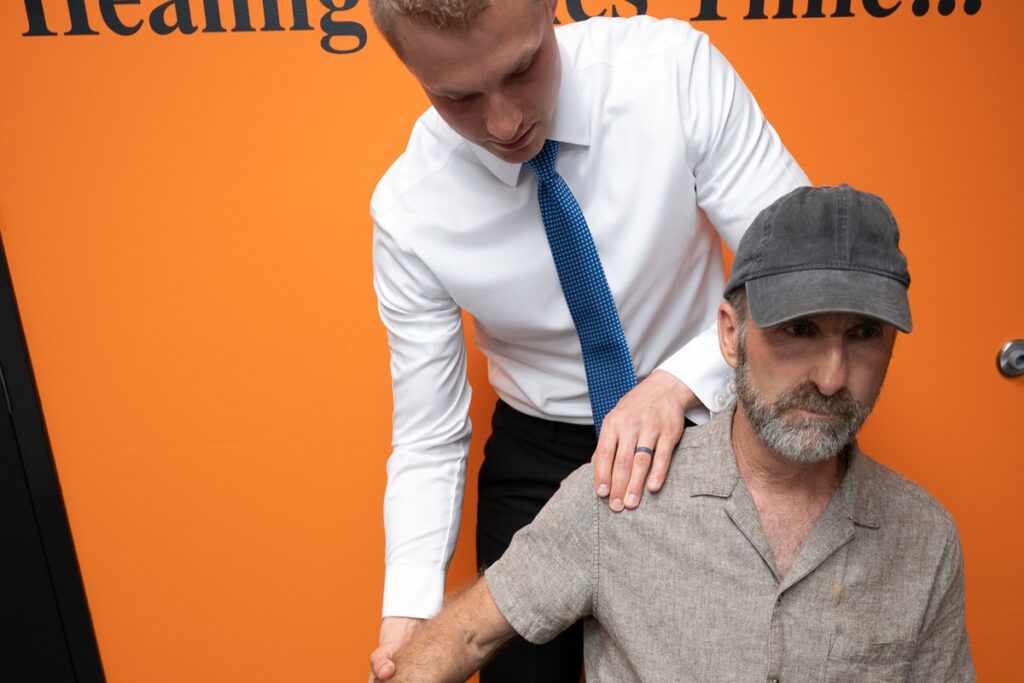
As a chiropractor, I can work with you to assess your condition and develop a personalized treatment plan. Chiropractic adjustments, combined with guided exercises, can help alleviate pain and strengthen your back.
Additionally, we can identify any underlying issues that may be contributing to your discomfort, ensuring a comprehensive approach to your healing.
Embracing chiropractic care could be the key to regaining your mobility and improving your overall well-being.
Seek Physical Therapy
As a local chiropractor, I want to emphasize how seeking chiropractic care can significantly benefit those suffering from lower back pain. Chiropractic treatment focuses on natural healing and can help you better understand your condition while developing a customized plan for recovery.
Here are four key advantages of choosing chiropractic care:
- Tailored Adjustments: I’ll provide specific spinal adjustments aimed at realigning your spine, which can alleviate discomfort and enhance mobility in your back.
- Natural Pain Relief Techniques: I can guide you through holistic methods to manage and reduce pain without the use of medication.
- Posture Improvement: You’ll receive guidance on maintaining proper posture, which is essential for preventing further injuries and promoting overall spinal health.
- Understanding Body Mechanics: Learning how to move safely during your daily activities can greatly minimize the strain on your back and keep you active.
Investing in chiropractic care can lead to a quicker, more effective recovery from lower back pain while promoting long-term wellness through natural healing methods.
Consult a Specialist
As a local chiropractor, I want to emphasize the importance of consulting a specialist when dealing with lower back pain. Many people are unaware of the valuable insights and treatment options that chiropractic care can offer. Our goal is to provide tailored solutions that address your unique needs.
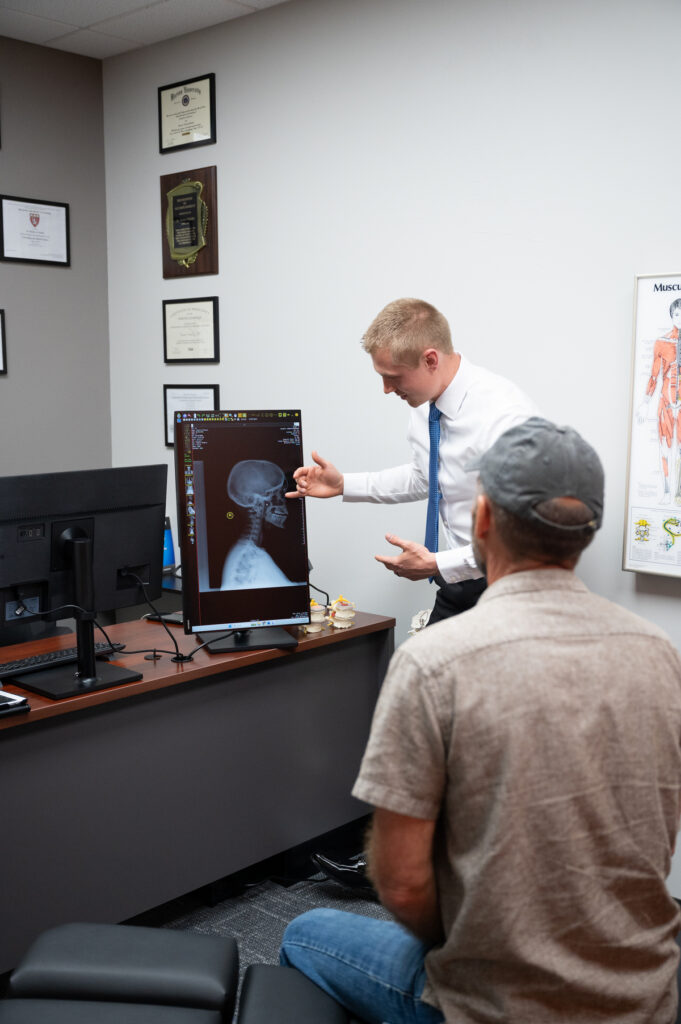
When you visit a chiropractor, we take the time to accurately diagnose your condition by assessing your injury history, lifestyle, and individual circumstances. This thorough evaluation allows us to create a personalized treatment plan just for you.
If your pain persists or intensifies, I encourage you to seek help. Chiropractic care encompasses a range of therapies, including spinal manipulation, gentle adjustments, and natural healing techniques aimed at alleviating pain and restoring mobility.
We also focus on preventative strategies to help you avoid future issues.
Remember, early intervention is key to achieving better outcomes. By reaching out to a chiropractor, you’re taking an important step toward your recovery and overall well-being.
Together, we can work to alleviate your discomfort and promote a healthier lifestyle.
Stay Active and Maintain Mobility
As a local chiropractor, I want to emphasize the importance of staying active and maintaining mobility for effective recovery from lower back pain. While it may be tempting to take it easy and rest, gentle movement is key to aiding your recovery.
Here are some important tips to help you stay active during this healing process:
- Engage in Low-Impact Activities: Activities such as walking, swimming, or cycling can be excellent choices. They keep your body moving while minimizing strain on your back, allowing you to stay active without exacerbating your pain.
- Incorporate Stretching: Regular stretching is vital for improving flexibility and easing muscle tension. Focus on stretching areas that often hold tightness, like your hips and hamstrings, to promote better movement and relieve discomfort.
- Strengthen Core Muscles: A strong core is essential for supporting your spine. I recommend incorporating exercises like planks and bridges into your routine. These exercises not only enhance stability but also contribute to overall back health.
- Listen to Your Body: It’s crucial to pay attention to how your body responds during activity. If something doesn’t feel right, don’t hesitate to modify or adjust your activities. Your comfort and safety should always come first to avoid aggravating your pain.
By integrating these strategies into your daily routine, you can support your recovery journey while also benefiting from the natural healing process that chiropractic care promotes.
Manage Stress and Practice Relaxation Techniques
As a local chiropractor, I want to emphasize that while physical activity is vital for your recovery from lower back pain, managing stress and incorporating relaxation techniques are just as crucial.
Stress can significantly worsen pain, so it’s important to find effective methods to help you unwind. One of the simplest yet most effective approaches is to integrate deep breathing exercises into your daily life. This technique not only calms your mind but also helps release tension from your muscles, promoting a sense of overall relaxation.
I also encourage you to explore mindfulness or meditation practices. These techniques can enhance your ability to cope with discomfort and pain. Even dedicating just a few minutes each day to focused relaxation can lead to noticeable improvements in your well-being.
Gentle activities such as yoga or tai chi are excellent options to foster relaxation while also enhancing your flexibility. They can be a wonderful complement to your chiropractic care.
Don’t overlook the benefits of a peaceful walk in nature or listening to calming music. These simple activities can significantly reduce stress levels.
Conclusion
As a local chiropractor, I want to help you understand that recovering from lower back pain is not only possible but can be achieved through a proactive approach. It’s important to start by identifying the underlying cause of your pain. Many times, poor posture can contribute significantly, so practicing good posture in your daily activities can make a world of difference.
Incorporating specific exercises tailored to strengthen your back muscles and improve flexibility is crucial. These exercises, along with heat and cold therapy, can provide relief and promote healing. If you’re unsure where to start, don’t hesitate to seek professional help; chiropractic care can be incredibly beneficial in addressing pain and restoring function.
Additionally, staying active is vital for your overall well-being, and managing stress plays a key role in your recovery process. By following these steps consistently and considering the holistic approach of chiropractic care, you’ll be on the path to a healthier, pain-free back in no time. Remember, you are not alone in this journey—I’m here to guide you every step of the way!