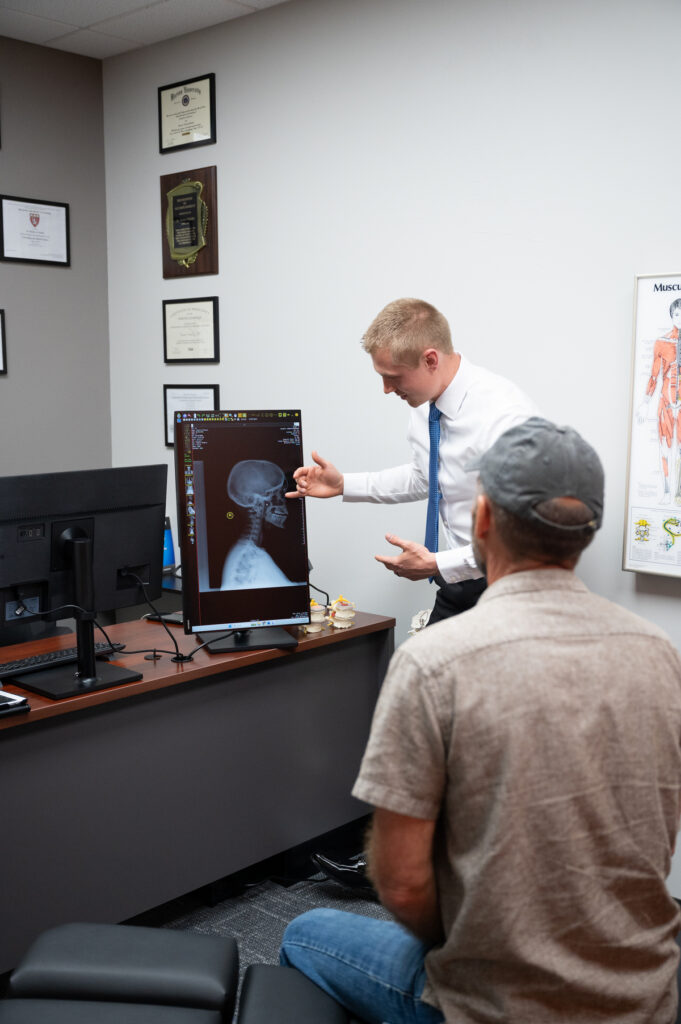
If you suffer from migraines, exploring alternative treatments can lead to significant relief, and I encourage you to consider the benefits of chiropractic care. Many individuals find that chiropractic adjustments help alleviate migraine symptoms by improving spinal alignment, which can positively impact the nervous system and reduce tension in the body.
In addition to chiropractic adjustments, other methods like acupuncture, herbal remedies, and yoga can also complement your wellness routine. These approaches focus on balancing your body and mind, addressing both physical and emotional triggers that may contribute to migraines. However, chiropractic care stands out as a powerful tool for promoting natural healing and overall wellness.
Here are some general tips to incorporate into your routine for migraine relief:
- Maintain Good Posture: Poor posture can lead to spinal misalignments, which may trigger migraines. Pay attention to your body positioning throughout the day, especially while working at a desk.
- Stay Hydrated: Dehydration is a common migraine trigger. Make sure to drink plenty of water throughout the day.
- Regular Chiropractic Visits: Regular adjustments can help maintain spinal health and prevent the onset of migraines. Your chiropractor can tailor a treatment plan specific to your needs.
- Stress Management: Incorporate relaxation techniques such as deep breathing, meditation, or gentle yoga to help manage stress, which can be a significant trigger for migraines.
- Adequate Sleep: Ensure you are getting enough restorative sleep each night, as lack of sleep can lead to increased migraine frequency.
Curious about how chiropractic care can fit into your routine and enhance your quality of life? Let’s work together to find a solution that works for you!
Key Takeaways
As a local chiropractor, I want to share some effective ways to relieve migraines naturally, while also highlighting the incredible benefits of chiropractic care.
- One of the most powerful ways to tackle migraines is through regular chiropractic adjustments. These adjustments help improve spinal alignment, which can reduce the frequency of migraines and alleviate the tension that often contributes to headaches. By ensuring your spine is in optimal condition, you can promote overall wellness and potentially minimize discomfort.
- Another great tool is biofeedback training. This technique helps you become aware of your body’s physical responses and manage your migraine triggers. By learning to control your responses, you may find that your migraine episodes decrease over time.
- Incorporating mindfulness practices, deep breathing exercises, and yoga into your routine can significantly enhance relaxation. By managing stress effectively, you may also experience a decrease in the intensity of your migraines.
- Don’t overlook the importance of a balanced diet! Staying hydrated and being aware of any dietary triggers can stabilize your blood sugar levels and help reduce the likelihood of migraines. Consider keeping a food diary to pinpoint any potential triggers.
- Lastly, herbal remedies can be a great addition to your wellness routine. Herbs like feverfew and butterbur have been shown to help in reducing the frequency and severity of migraines. However, it’s essential to consult with a knowledgeable practitioner before starting any new herbal regimen.
Remember, chiropractic care is an excellent way to support your overall health and well-being. By focusing on natural healing methods and making simple lifestyle adjustments, you can take meaningful steps toward managing migraines more effectively. If you’re struggling with migraines, don’t hesitate to reach out for a consultation. Your path to relief and optimal health starts here!
Acupuncture: A Needle’s Touch for Relief
If you’ve been dealing with migraines, chiropractic care may be the relief you’re looking for. This natural approach focuses on aligning the spine and improving overall body function, which can play a significant role in reducing migraine frequency and intensity. Many patients have reported remarkable improvements in their migraine symptoms after receiving regular chiropractic adjustments.
Chiropractic care works by enhancing the body’s natural ability to heal itself. By focusing on the spine, it can help relieve tension, improve blood flow, and restore proper nerve function, which are all crucial for managing migraines effectively. When the spine is properly aligned, it allows your body to function optimally, reducing stress and promoting relaxation.
Choosing chiropractic care means opting for a drug-free solution to your migraines, which is especially appealing for those who want to avoid medications and their potential side effects. A licensed chiropractor will assess your unique situation and create a personalized treatment plan tailored to your needs.
In addition to chiropractic adjustments, here are some tips you can incorporate into your routine to help manage migraines:
- Stay Hydrated: Dehydration can trigger migraines, so drink plenty of water throughout the day.
- Maintain a Regular Sleep Schedule: Aim for consistent sleep patterns to help regulate your body’s internal clock.
- Manage Stress: Techniques such as deep breathing, meditation, or yoga can help reduce stress, which is a common migraine trigger.
- Eat Balanced Meals: Regular, nutritious meals can help keep your blood sugar stable and may reduce the likelihood of migraines.
- Limit Caffeine and Alcohol: Both can contribute to migraines for some individuals, so monitoring your intake may be beneficial.
If you’re ready to explore a natural path to relief, consider visiting a chiropractor. With their expertise, you can work toward a healthier, migraine-free life. Your journey to optimal health could start today!
Herbal Remedies: Nature’s Pharmacy
Chiropractic care is an excellent approach to managing migraines, offering a natural and holistic way to alleviate your symptoms. Many patients find that regular chiropractic adjustments not only help reduce the frequency and intensity of migraine attacks, but also improve overall spinal health, which can play a crucial role in your well-being.
In addition to chiropractic care, you may want to explore herbal remedies as complementary options. For example, feverfew is a well-known herb that has been recognized for its potential to decrease the frequency and severity of migraines. Butterbur is another herb that has gained attention for its effectiveness in migraine prevention, according to some studies.
You might also find relief by incorporating peppermint into your routine, whether through teas or essential oils, as its cooling effect can soothe headaches. Ginger is another great option; it may help alleviate nausea that sometimes accompanies migraines, enhancing your comfort.
While embracing these natural solutions, it’s essential to consult with a healthcare professional to ensure they’re appropriate for your specific situation. Remember, everyone’s body responds differently, so be open to trying various approaches to discover what brings you the most relief.
In addition to these remedies, maintaining a healthy lifestyle can significantly support your migraine management journey. Staying hydrated, eating a balanced diet, managing stress, and ensuring adequate sleep are all vital components of overall health that can help reduce the likelihood of migraine episodes.
Yoga and Mindfulness: The Power of Movement and Breath
When seeking relief from migraines, many people find that incorporating yoga and mindfulness can be beneficial, but it’s essential to understand that chiropractic care is one of the best natural approaches to achieving optimal health and alleviating pain. By addressing spinal alignment issues, chiropractic adjustments can help reduce tension and stress—common triggers for migraines—allowing your body to function at its best.
Practicing yoga can complement your chiropractic care by promoting a deeper connection between your body and mind. Simple poses like Child’s Pose or Cat-Cow can enhance relaxation and improve blood flow, which may help to ease migraine discomfort. However, remember that the foundation of lasting relief often lies in the health of your spine.
Mindfulness techniques, such as deep breathing or gentle meditation, can help you focus on the present moment and alleviate anxiety. This mental clarity can be extremely helpful in managing migraine frequency and intensity. You don’t need to be a yoga expert; even a few minutes of gentle stretching or breathing exercises every day can support your overall well-being.
Incorporating regular chiropractic visits into your wellness routine can significantly enhance the benefits you experience from yoga and mindfulness practices. By ensuring your spine is properly aligned, you can optimize your body’s natural healing abilities and reduce the likelihood of migraine episodes. So, consider making chiropractic care a key part of your journey to a healthier, pain-free life!
Biofeedback: Harnessing Your Body’s Signals
Biofeedback can be a powerful ally in managing your migraines, especially when combined with chiropractic care. Understanding your body’s signals is crucial, and biofeedback helps you do just that. By learning to control physiological functions like heart rate and muscle tension, you can become more aware of your triggers and how to address them naturally.
Chiropractic care focuses on aligning the spine and ensuring that your nervous system functions optimally. When your spine is in alignment, your body can communicate more effectively, which is vital for managing pain and stress. Regular chiropractic adjustments can enhance the benefits of biofeedback by promoting better overall wellness and reducing the frequency and intensity of migraines.
Here are some tips to help you harness biofeedback and chiropractic care for migraine relief:
- Stay Mindful of Your Body: Pay attention to how your body feels throughout the day. Notice any tension in your neck or shoulders, as these areas can contribute to migraines.
- Practice Relaxation Techniques: Incorporate deep breathing, meditation, or gentle stretching into your routine. These practices can help reduce muscle tension and promote relaxation.
- Maintain a Healthy Spine: Schedule regular chiropractic visits to ensure your spine is aligned. This can help minimize nerve irritation and improve your body’s ability to manage stress.
- Identify Triggers: Keep a migraine diary to track your headaches and identify patterns or triggers. This can help you make lifestyle adjustments and discuss them with your chiropractor.
- Stay Hydrated and Nourished: Proper hydration and nutrition are essential for overall health. Dehydration and poor diet can be significant contributors to migraines.
- Limit Screen Time: Reduce strain on your eyes and neck by taking regular breaks from screens, which can help prevent tension headaches.
By combining the insights gained from biofeedback with the holistic benefits of chiropractic care, you can take meaningful steps toward managing your migraines naturally. Remember, your body has an incredible ability to heal itself, and chiropractic care can help facilitate that process.
Embrace these tips, and explore the natural path to wellness!
Understanding Biofeedback Mechanism
When you’re struggling with the debilitating effects of migraines, understanding the biofeedback mechanism can truly make a difference in your journey toward relief. Biofeedback is a fantastic tool that helps you become more aware of your body’s physical responses, like muscle tension or heart rate changes. By using sensors, it gives you real-time feedback, allowing you to notice patterns that might trigger your migraines.
As you start to recognize these responses, you can learn to manage them better, which may help reduce pain and prevent future episodes. For example, if you find that muscle tension often comes before a migraine hits, you can practice relaxation techniques—like deep breathing or gentle stretches—when that tension arises.
While biofeedback is useful, don’t forget that chiropractic care plays a crucial role in overall wellness and pain relief. Regular chiropractic adjustments can help improve your spinal health, which in turn can alleviate tension throughout your body and potentially reduce the frequency and severity of migraines.
Here are some general tips you can incorporate into your routine for better migraine management:
- Stay Hydrated: Dehydration can trigger migraines, so make sure you’re drinking enough water throughout the day.
- Maintain a Consistent Sleep Schedule: Lack of sleep or irregular sleep patterns can lead to headaches. Aim for 7-9 hours of restful sleep each night.
- Practice Relaxation Techniques: Incorporate mindfulness, meditation, or yoga into your daily routine to reduce stress and tension.
- Monitor Your Diet: Certain foods can trigger migraines. Keep a food diary to identify any potential culprits.
- Get Regular Chiropractic Care: Regular adjustments can help keep your spine in alignment, reducing tension and promoting overall wellness.
Embracing these strategies, especially chiropractic care, could open new doors in your journey toward better health and relief from migraines. Remember, taking charge of your body’s signals is empowering, and you’re not alone on this path to wellness!
Techniques for Effective Training
To effectively harness your body’s signals through biofeedback, it’s essential to embrace techniques that enhance your overall wellness journey.
Begin by creating a calm and comfortable environment where you can focus without interruptions. Using a biofeedback device can help you keep track of your body’s responses, such as heart rate and muscle tension, which can be particularly beneficial for spinal health.
Incorporate deep breathing exercises into your routine to establish a baseline for relaxation—this is a wonderful way to reduce stress, which can often lead to tension in the spine.
As you engage in your training, visualize your body responding positively to these signals; this can strengthen your mind-body connection and support a healthy spine.
Consistency is vital—set aside time each day for these biofeedback sessions. Keeping a journal to monitor your progress can also be helpful; it allows you to see how your body responds over time and can enhance your understanding of your health.
Remember, chiropractic care is a natural and effective way to address pain and promote overall wellness.
It focuses on the spine’s health, which plays a crucial role in your body’s ability to function optimally. By integrating biofeedback techniques with chiropractic care, you can achieve greater health and well-being without the need for medications or surgeries. Embrace these practices to support your journey toward a healthier, pain-free life.
Dietary Adjustments: Food as Medicine
Eating the right foods can have a significant impact on managing migraines, and as a chiropractor, I believe in a holistic approach to health. Did you know that certain dietary choices can either trigger or alleviate your symptoms? Keeping a food diary can help you pinpoint potential triggers such as aged cheeses, processed meats, or artificial sweeteners. Instead, focus on nourishing your body with whole, fresh foods.
Incorporating plenty of fruits and vegetables, especially leafy greens and berries rich in antioxidants, can support your overall health and wellness. Staying hydrated is essential too! Drinking enough water can help reduce the likelihood of dehydration-related headaches, which is crucial for maintaining a healthy spine and nervous system.
Don’t forget about the benefits of omega-3 fatty acids found in fatty fish, walnuts, and flaxseeds. These healthy fats have anti-inflammatory properties that can help reduce pain. Regular meals can also help keep your blood sugar stable, preventing those sudden spikes and crashes that can lead to headaches.
Essential Oils: Aromatherapy for Pain Management
If you’re seeking natural ways to manage migraine pain, consider incorporating essential oils along with chiropractic care into your wellness routine.
While essential oils like lavender and peppermint can provide soothing relief, it’s essential to understand that they work best when combined with a holistic approach to health.
Chiropractic care focuses on spinal alignment and overall wellness, which can play a significant role in reducing the frequency and intensity of migraine episodes.
By addressing any underlying spinal issues, you may find that your body is better equipped to handle stress and tension, common triggers for migraines.
When using essential oils, here are some simple application techniques to consider:
- Inhalation: Add a few drops of lavender or peppermint oil to a diffuser or simply inhale the scent directly from the bottle. This can help calm your mind and relieve tension.
- Topical Application: Dilute essential oils with a carrier oil (like coconut or olive oil) and gently massage it onto your temples and neck. This can provide immediate relief and enhance the benefits of your chiropractic adjustments.
- Warm Compress: Mix essential oils with warm water and soak a cloth. Applying this warm compress to your forehead can help relax tight muscles and alleviate pain.
Incorporating these techniques into your routine can support your chiropractic care and enhance your overall well-being.
Remember, it’s always a good idea to consult with your chiropractor about the best strategies for integrating essential oils into your health plan.
Together, you can create a comprehensive approach to managing migraine pain naturally and effectively.
Popular Essential Oils
Exploring popular essential oils can be an interesting way for migraine sufferers to seek natural relief alongside the benefits of chiropractic care. While these oils provide a pleasant aroma, they can also complement your journey toward better health and wellness. Here are four essential oils you might want to consider, particularly as part of a holistic approach to migraine management:
- Peppermint Oil: This oil is famous for its cooling effect. It can help relax tight muscles and improve circulation, which is important for overall spinal health. When combined with chiropractic adjustments, it may enhance your body’s ability to cope with pain.
- Lavender Oil: With its calming properties, lavender oil can help reduce stress and promote relaxation. Stress is often a trigger for migraines, so using lavender oil can be a helpful addition to your routine, especially after a chiropractic session aimed at easing tension.
- Eucalyptus Oil: This oil is known for its anti-inflammatory properties, which can help open up nasal passages. If sinus pressure contributes to your migraines, eucalyptus oil may provide relief. Remember, regular chiropractic adjustments can also enhance your respiratory function and overall health.
- Rosemary Oil: Often used for its pain-relieving effects, rosemary oil can aid in reducing muscle tension. When paired with chiropractic care, which focuses on spinal alignment and muscle relaxation, it can be a powerful tool for managing discomfort.
Incorporating these essential oils into your wellness routine, alongside regular chiropractic care, can help you address migraines naturally. Always remember, a healthy spine is the foundation for overall wellness.
Application Techniques
When it comes to managing migraines, exploring natural remedies can be a powerful part of your wellness journey. As a chiropractor, I believe in a holistic approach that emphasizes the body’s ability to heal itself. Essential oils can be an excellent addition to your routine for migraine relief.
Start by selecting soothing oils like peppermint or lavender, which are known for their calming effects. To use them effectively, dilute a few drops in a carrier oil, such as coconut or jojoba, and gently massage this blend onto your temples and the back of your neck. This not only helps to alleviate tension but also promotes relaxation.
Another simple technique is to inhale the aroma directly from the bottle or use a diffuser to create a calming environment in your home or office. You can also soak a cloth in warm water infused with your chosen essential oils and place it on your forehead for quick relief.
Remember, consistency is essential. Incorporating these practices into your routine whenever a migraine strikes can be beneficial. Additionally, consider regular chiropractic care, which can help address underlying issues related to spinal alignment and tension that may contribute to migraines.
Conclusion
Incorporating chiropractic care into your routine can significantly enhance your well-being and provide relief from migraines. As a chiropractor, I strongly believe that addressing spinal health is crucial to reducing migraine frequency and severity. By focusing on the alignment of your spine and nervous system, chiropractic treatments can help alleviate tension and stress that may trigger migraines.
In addition to regular chiropractic adjustments, you might also consider complementary practices such as gentle yoga, which can promote relaxation and improve flexibility. Staying hydrated and maintaining a balanced diet are also essential; certain foods may either trigger or alleviate migraines, so paying attention to your diet is key.
Incorporating essential oils, like lavender or peppermint, can provide soothing relief when applied topically or used in aromatherapy. And don’t forget the power of relaxation techniques, such as deep breathing or biofeedback, which can help manage stress levels that contribute to migraines.
Remember, it’s vital to listen to your body and consult with your chiropractor to tailor a plan that works specifically for you. With regular chiropractic care and mindful lifestyle choices, you can pave the way for a more balanced and pain-free life. Prioritizing your spinal health not only targets migraines but supports your overall well-being.