
If you're dealing with chronic back pain, you know how it can impact your daily life. Fortunately, there are proven remedies that can help alleviate your discomfort. From lifestyle modifications like exercise and posture correction to therapeutic approaches such as physical therapy and chiropractic care, various options exist to suit your needs. You might also find relief through natural remedies or innovative treatments that are gaining traction. But which combination works best for you? Exploring these avenues could lead you to a solution you hadn't considered before.
Understanding Chronic Back Pain
Chronic back pain affects about 20% of adults, making it a common yet often misunderstood condition. You might find that this persistent pain can stem from various sources, including injuries, degenerative disc disease, or even stress. Understanding the root cause of your back pain is important for effective management. It's not just about feeling discomfort; chronic pain can greatly impact your daily life and emotional well-being.
When you experience chronic back pain, it's important to recognize that your body's response can change over time. Initially, you may feel acute pain from a specific injury, but when that pain lingers for more than three months, it shifts into the chronic category. This shift can lead to a cycle of pain, fear, and inactivity, which can exacerbate your condition.
You should also be aware that various psychological factors can play a role. Stress, anxiety, and depression mightn't only accompany your back pain but also contribute to its persistence. It's necessary to approach your pain holistically, as treating it solely with medication mightn't address underlying issues.
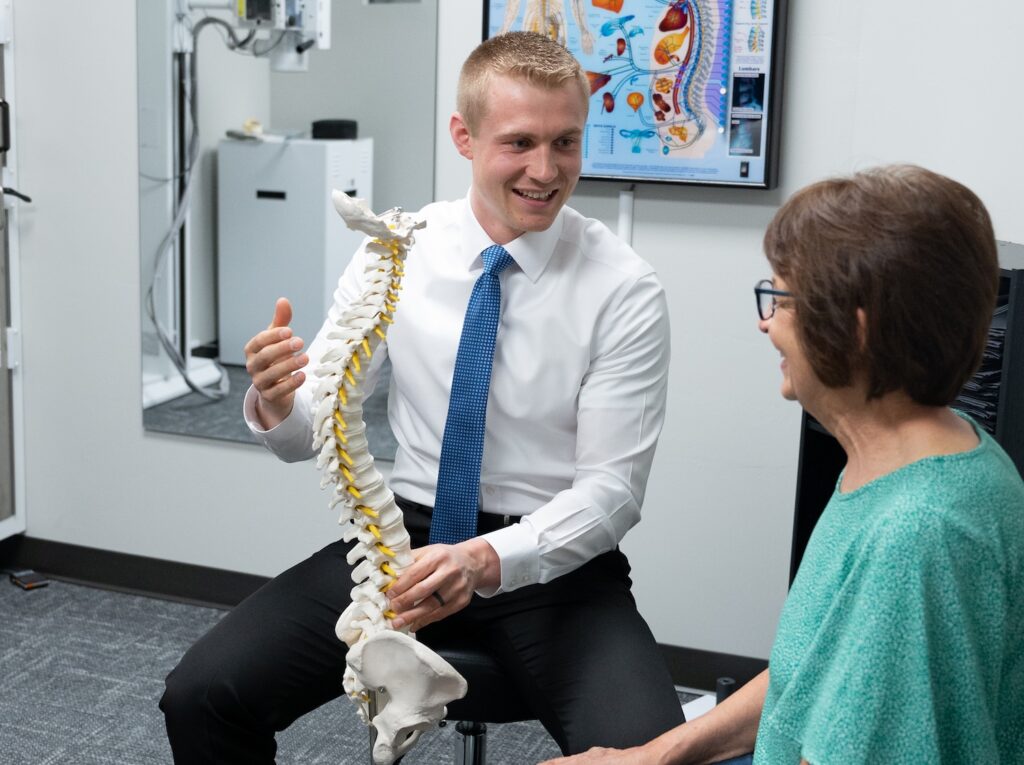
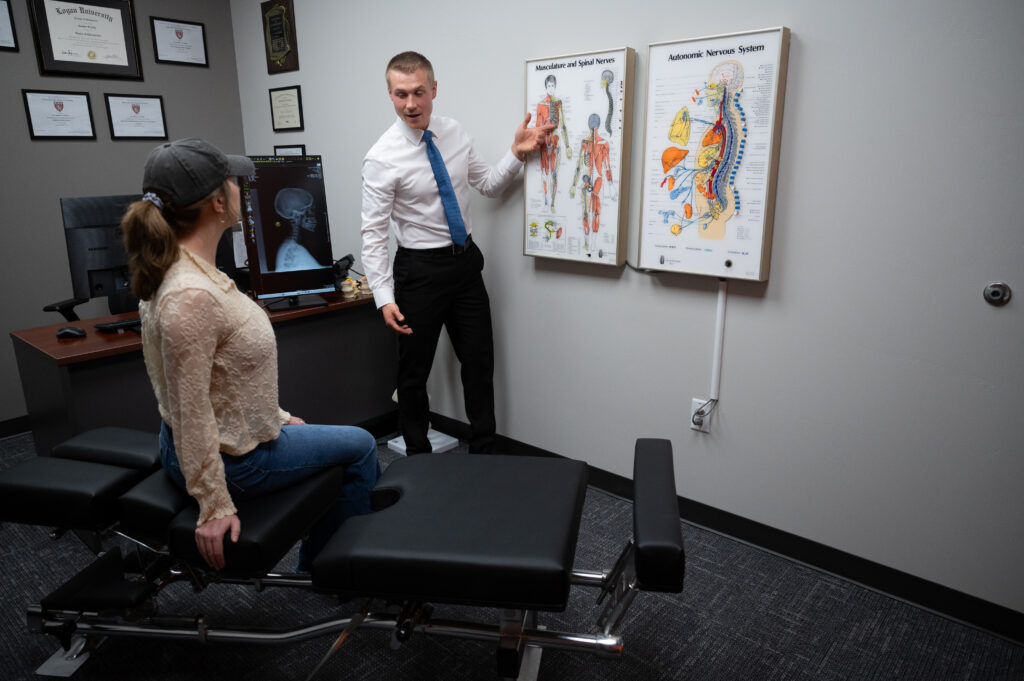
Moreover, everyone's experience with back pain is unique, and what works for one person may not work for you. As a result, seeking professional guidance through physical therapy, chiropractic care, or consulting a specialist is often a necessary step in your journey to relief.
Understanding chronic back pain is about recognizing its multifaceted nature and taking proactive steps toward recovery.
Lifestyle Modifications for Relief
To find relief from chronic back pain, you can make simple lifestyle modifications that have a big impact.
Setting up an ergonomic workspace and sticking to a regular exercise routine can help reduce discomfort and improve your overall well-being.
Let's explore how these changes can make a difference in your daily life.
Ergonomic Workspace Setup
A well-designed ergonomic workspace can greatly reduce the strain on your back and improve your overall comfort. Start by choosing a chair that supports your lower back and allows your feet to rest flat on the floor. If your feet don't reach the ground, consider using a footrest. Adjust the chair height so your knees are at a 90-degree angle, which helps maintain proper posture.
Next, position your desk and computer screen at eye level. This prevents you from leaning forward or straining your neck. Your monitor should be about an arm's length away, and the top of the screen should be at or just below eye level. Use a keyboard and mouse that are at the same height as your elbows to keep your wrists straight.
Make sure you take regular breaks to stretch and move around. Even minor adjustments can lead to significant relief.
If you often answer phone calls, use a headset to avoid cradling the phone between your shoulder and ear.
Regular Exercise Routine
Incorporating a regular exercise routine into your daily life can be a game-changer for managing back pain. Exercise strengthens the muscles that support your spine, enhancing stability and reducing discomfort. Aim for a mix of aerobic activities, strength training, and flexibility exercises.
Start with low-impact exercises like walking, swimming, or cycling. These activities improve cardiovascular health without putting too much strain on your back. Gradually incorporate strength training, focusing on your core muscles, as a strong core is essential for spinal support. Planks, bridges, and modified sit-ups can be effective.
Don't forget about flexibility! Stretching exercises, such as yoga or Pilates, can improve your range of motion and alleviate tension in tight muscles. Just remember to listen to your body. If something feels painful, stop and modify the movement.
Consistency is key. Try to exercise at least 30 minutes most days of the week. It's also helpful to consult a physical therapist or fitness professional to create a tailored program that suits your needs and abilities.
Physical Therapy Techniques
When it comes to managing chronic back pain, physical therapy techniques can make a significant difference.
You'll find that incorporating stretching and flexibility exercises, strengthening your core muscles, and utilizing manual therapy techniques can help alleviate discomfort and improve your mobility.
Let's explore how each of these methods can contribute to your recovery journey.
Stretching and Flexibility Exercises
Stretching and flexibility exercises play an essential role in managing chronic back pain, helping you regain mobility and reduce discomfort. By incorporating these exercises into your daily routine, you can alleviate tension in your back muscles and improve your overall posture.
Start with gentle stretches that focus on your lower back, hips, and hamstrings. For instance, the cat-cow stretch and child's pose can effectively ease tightness while promoting flexibility. Hold each stretch for 20 to 30 seconds, breathing deeply to enhance relaxation.
Additionally, consider incorporating dynamic stretches, like torso twists and standing side bends, to increase your range of motion. These movements not only help in reducing stiffness but also prepare your body for daily activities.
It's essential to listen to your body during these exercises. If you feel pain, stop immediately and consult a healthcare professional.
Remember, consistency is key. Aim to stretch at least three to four times a week for ideal results.
Incorporating stretching and flexibility exercises into your routine can considerably contribute to your back pain relief journey, ultimately enhancing your quality of life.
Strengthening Core Muscles
Building on the benefits of stretching, strengthening your core muscles is vital for managing chronic back pain. A strong core supports your spine, helping to alleviate strain and prevent injuries. Incorporating core exercises into your routine can enhance stability and flexibility, leading to improved posture and reduced discomfort.
Begin with simple exercises like planks and bridges. These engage multiple muscle groups while targeting your abdominal and lower back muscles. As you progress, you might try variations, such as side planks or bird-dogs, to challenge your stability further.
Aim for two to three sessions a week, focusing on form and controlled movements over speed.
Remember, consistency is key. Even small, regular workouts can make a significant difference. It's also essential to listen to your body; if something feels painful, modify or skip that exercise.
Don't hesitate to consult a physical therapist for personalized guidance, ensuring you're using the right techniques for your condition.
Manual Therapy Techniques
Manual therapy techniques offer effective relief for chronic back pain by utilizing hands-on approaches to manipulate and mobilize soft tissues and joints. These techniques can help reduce pain, improve mobility, and enhance your overall function. Common methods include massage, joint mobilization, and myofascial release, each targeting specific areas to alleviate discomfort.
When you receive manual therapy, a trained professional will assess your condition and tailor the treatment to meet your needs. Through targeted pressure and movement, they can release tension in tight muscles and improve blood flow to the affected areas. This can lead to a quicker recovery and a lower chance of recurrence.
It's essential to communicate openly with your therapist about your pain levels and any concerns you may have. This guarantees the treatment is adjusted accordingly, maximizing its effectiveness.
Regular sessions can provide cumulative benefits, helping you regain flexibility and strength.
Incorporating manual therapy into your chronic back pain management plan can be a game-changer. By addressing the root causes of your discomfort, you'll be better equipped to enjoy daily activities without the burden of persistent pain.
Natural Remedies and Supplements
While chronic back pain can be debilitating, exploring natural remedies and supplements might offer you some relief. Many people have found success in managing their pain through holistic approaches. Here are three effective options you can consider adding to your routine:
- Turmeric: This golden spice contains curcumin, known for its anti-inflammatory properties. You can take it as a supplement or incorporate it into your cooking. Regular use may help reduce pain and inflammation.
- Magnesium: Low magnesium levels can contribute to muscle tension and pain. Consider taking a magnesium supplement or eating foods rich in this mineral, like spinach, almonds, and black beans. It may help relax your muscles and alleviate discomfort.
- Omega-3 Fatty Acids: Found in fish oil and flaxseeds, omega-3s can help lower inflammation in the body. You can take fish oil supplements or add fatty fish like salmon to your diet. They may provide a soothing effect on your back pain.
In addition to these supplements, staying hydrated and maintaining a balanced diet can also support your overall health and pain management.
Remember to consult with a healthcare professional before starting any new supplement, especially if you're already taking medication.
Innovative Treatment Options
If natural remedies and supplements haven't provided the relief you're seeking, innovative treatment options may offer new hope for managing chronic back pain. One promising approach is regenerative medicine, which includes treatments like platelet-rich plasma (PRP) therapy and stem cell injections. These therapies aim to promote healing by harnessing your body's own healing properties.
PRP therapy involves injecting a concentrated solution derived from your blood into the affected area, potentially reducing inflammation and promoting tissue repair.
Another option gaining traction is radiofrequency ablation (RFA). This minimally invasive procedure uses heat generated by radio waves to interrupt nerve signals that transmit pain. Patients often report significant pain relief lasting several months, making it an appealing choice for those with chronic pain.
Spinal cord stimulation is another innovative treatment that can be effective for chronic back pain. A device is surgically implanted to send electrical impulses to the spinal cord, altering pain perception. Many patients experience a reduction in pain intensity and an improved quality of life.
You might also consider newer pharmacological approaches, such as biologics, which are designed to target specific pathways involved in inflammation and pain. These treatments are still being researched, but early results show promise.
Ultimately, each of these innovative options has its own benefits and risks, so it's vital to consult with your healthcare provider to determine the best course of action for your specific condition.
Exploring these treatments may bring you closer to finding the relief you deserve.
Mind-Body Approaches
Many people find relief from chronic back pain through mind-body approaches that focus on the connection between mental and physical wellness. By addressing both aspects, you can enhance your healing process and experience significant pain reduction.
Here are three effective mind-body techniques you can explore:
- Meditation: Regular meditation helps you cultivate mindfulness, which can reduce stress and tension in your body. By focusing on your breath and being present, you can create a sense of calm that alleviates pain.
- Yoga: This ancient practice merges physical movement with breath control and mental focus. By incorporating specific postures and stretches, you can improve your flexibility, strengthen your back muscles, and promote overall body awareness, all of which contribute to pain relief.
- Biofeedback: This technique teaches you to recognize and control physiological functions, like muscle tension and heart rate. By using sensors and feedback, you can learn to relax specific areas of your body, helping to decrease pain levels and improve your overall well-being.
Incorporating these mind-body approaches into your daily routine can empower you to take charge of your chronic back pain. Each method encourages you to listen to your body, fostering a deeper understanding of your pain and how to manage it.
You may find that the synergy between your mind and body leads to not just relief, but a more balanced and fulfilling life.
Conclusion
Ultimately, finding relief from chronic back pain is possible through a blend of lifestyle changes, therapeutic techniques, and innovative treatments. By incorporating regular exercise, maintaining good posture, and exploring natural remedies, you can markedly improve your comfort and quality of life. Don't forget to take into account cutting-edge options like spinal cord stimulation if traditional methods fall short. Remember, addressing both your physical and mental well-being is key to managing your pain effectively.