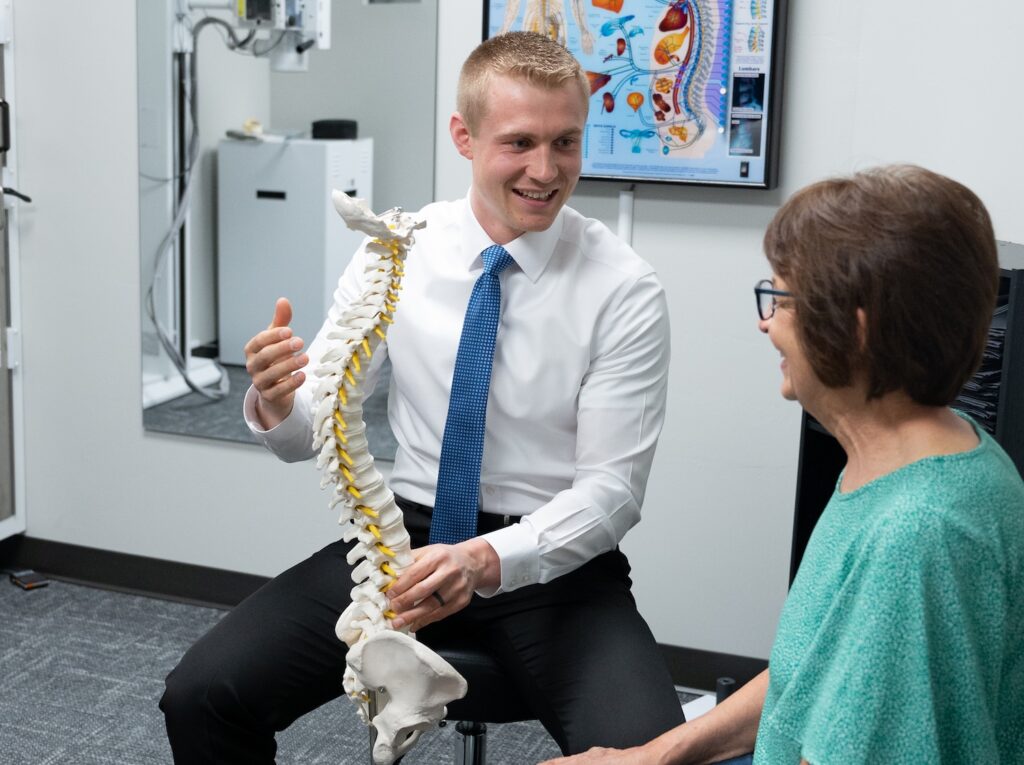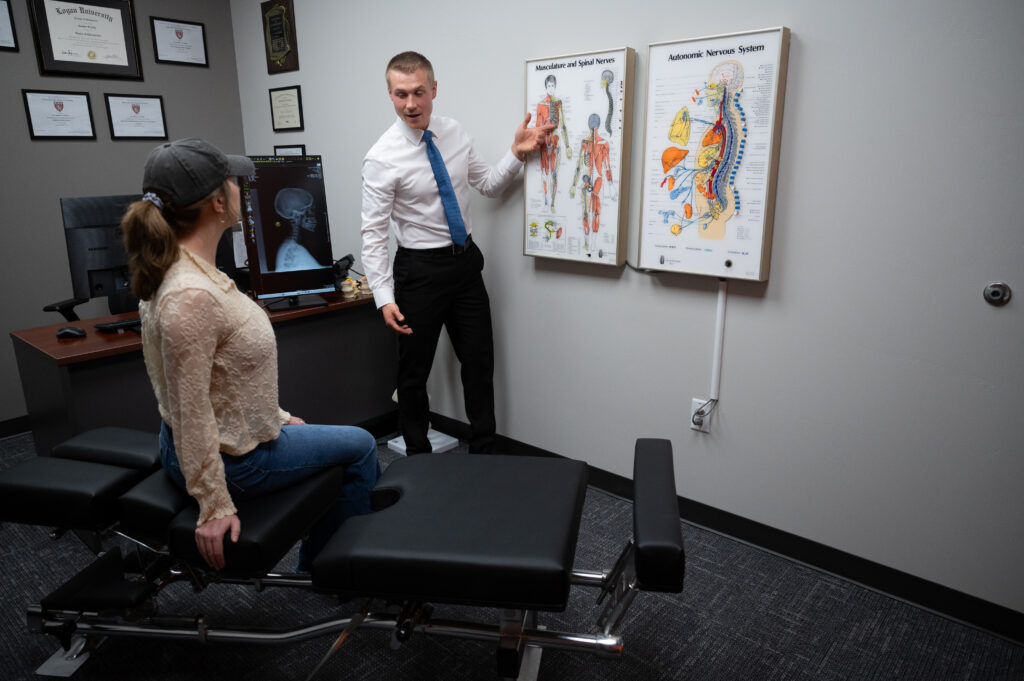

As your local chiropractor, I understand that managing neurological disorders can be overwhelming, and you may be searching for effective relief options that truly make a difference. Chiropractic care offers a natural approach to enhancing your quality of life. Many patients find that a combination of chiropractic adjustments, physical therapy, and dietary changes can lead to surprising improvements in their symptoms.
Incorporating spinal adjustments not only helps with pain relief but also supports the nervous system's functionality, which is crucial for overall health. Additionally, utilizing community resources, such as support groups and wellness workshops, can provide valuable guidance on your healing journey.
But what are the top treatments that can help you navigate this path? Let's explore the various chiropractic therapies and holistic approaches that may resonate with you and support your journey toward better health. Together, we can uncover the strategies that align with your needs and promote your well-being.
Medication Management
As a local chiropractor, I want to share the importance of medication management in the context of treating neurological disorders, particularly as we explore natural healing methods. Conditions like epilepsy, multiple sclerosis, and Parkinson's disease can greatly impact your quality of life, and while medication can play a role in management, there are holistic approaches we can consider as well.
When you come to see me, we'll begin with a comprehensive assessment of your symptoms and medical history. While I may not prescribe medications, I can work alongside your healthcare provider to ensure that any chiropractic care complements your treatment plan. This might involve techniques to alleviate muscle tension, improve mobility, or enhance overall neurological function, which can support your body's natural healing processes.
It's crucial to adhere to any prescribed medications and their dosages, as consistency can lead to better outcomes. However, if you experience side effects from medications, I encourage you to discuss these with your healthcare provider. In our sessions, I can also provide supportive therapies that may ease discomfort and improve your overall well-being.
In some cases, managing neurological disorders might involve a combination of treatments, including both medication and chiropractic care. Together, we can monitor how your body responds to different approaches and make adjustments as needed. Regular visits will allow us to assess your progress and ensure that your treatment is as effective as possible.
To enhance your medication management, I recommend maintaining an organized system for taking your medications. Pill organizers or reminders can be helpful, and alongside this, we can implement lifestyle changes that support your health goals.
Ultimately, effective medication management, combined with chiropractic care, empowers you to take charge of your neurological health and leads to a more balanced and fulfilling life.
Physical Therapy
Chiropractic care can be a transformative approach for individuals dealing with neurological disorders. It emphasizes the importance of optimizing your body's function to improve mobility, strength, balance, and coordination—vital components in regaining independence and enhancing your overall quality of life.
By collaborating with a knowledgeable chiropractor, you'll receive personalized adjustments and techniques specifically designed to meet your unique needs, making your journey toward rehabilitation more effective.
During chiropractic sessions, you may engage in a variety of treatments aimed at improving your motor function and mitigating the effects of your neurological condition. These can include spinal adjustments, therapeutic exercises, and balance training.
Your chiropractor will evaluate your physical abilities and set realistic goals, ensuring that you experience consistent progress.
One significant advantage of chiropractic care is that it helps you gain a deeper understanding of your body's capabilities. You'll learn how to adjust to your condition and utilize various techniques to perform daily activities with greater ease. This newfound knowledge can enhance your confidence and motivation.
Additionally, chiropractic treatment often involves methods such as soft tissue therapy and neurological rehabilitation techniques to alleviate discomfort and support healing. These interventions can significantly enhance your physical function and overall well-being.
Your commitment to chiropractic care is crucial, as regular visits and at-home exercises will yield the most beneficial results. By staying active and engaged in your treatment, you'll take an essential step in managing your neurological disorder, paving the way for a more fulfilling life.
Occupational Therapy
In chiropractic care, our main focus is on improving your overall well-being and promoting natural healing.
We utilize various techniques and approaches tailored to your unique needs and challenges. This type of care can significantly enhance how you manage daily activities and contribute to your overall health.
Goals of Occupational Therapy
As a local chiropractor, I want to share how chiropractic care can enhance your daily living skills and overall well-being, especially for those dealing with neurological disorders. Our goal is to help you regain independence and improve your quality of life through natural healing methods.
One of the primary focuses of chiropractic care is to enhance functional skills. This might involve improving your mobility or reducing pain, which can make self-care tasks like dressing, cooking, or managing medications much easier. By addressing these physical challenges, we aim to help you feel more autonomous in your daily activities.
Another important aspect of our practice is fostering social engagement. Through improved physical health and mobility, you may find it easier to participate in community activities or connect with others. Building these social connections can greatly enhance your emotional well-being and overall quality of life.
We also emphasize the importance of creating a safe and accessible environment at home. We can provide guidance on ergonomic adjustments or recommend supportive devices that can make daily tasks more manageable, ensuring that your living space promotes your health and safety.
Ultimately, our goal as chiropractors is to empower you to achieve your personal health goals and maximize your potential. With our targeted support and natural healing techniques, you can work towards a more fulfilling and independent life, even when facing the challenges that may come with neurological conditions.
Techniques and Approaches
Chiropractic care incorporates a range of natural healing techniques designed to enhance your overall well-being and daily functioning. One fundamental approach we utilize is called task analysis, which involves breaking down activities into smaller, manageable steps. This method makes it easier for you to engage in complex tasks and improves your everyday life.
Another essential component of our practice is the use of adaptive tools and techniques. For instance, we may recommend supportive devices like ergonomic chairs or custom orthotics that can help you perform daily activities with greater ease and independence.
Additionally, we emphasize practice-based learning, where you'll work on real-life scenarios to build confidence and develop the necessary skills to maintain your health.
We also use sensory integration techniques to help you better process sensory information, which can be particularly beneficial if you experience sensory overload. Therapeutic exercises that focus on improving strength, coordination, and balance are integral to our approach, ensuring that you can safely engage in all aspects of your daily routine.
Lastly, we believe in the power of collaborative goal-setting. By discussing your personal health priorities with us, we can create a tailored plan that addresses your specific challenges and aspirations.
Embracing these chiropractic techniques can empower you on your journey toward improved health and independence.
Cognitive Behavioral Therapy
As a local chiropractor, I want to introduce you to the concept of Cognitive Behavioral Therapy (CBT) and how it can complement your journey toward better health. While many people associate chiropractic care primarily with physical adjustments, it's important to understand that healing encompasses both the body and the mind.
CBT is a valuable tool that helps individuals reshape their thoughts and behaviors, and it can be particularly beneficial for those managing various neurological conditions. CBT is an evidence-based approach that emphasizes the connection between your thoughts, feelings, and actions. By identifying and challenging negative thought patterns, you can alleviate some of the stress and discomfort associated with your condition.
Collaborating with a trained therapist, you'll acquire practical strategies to manage symptoms, reduce anxiety, and enhance your overall well-being. During CBT sessions, you'll participate in exercises that foster self-awareness. You'll discover how your thoughts influence your emotions and behaviors, allowing you to pinpoint unhelpful patterns.
For example, if you find yourself thinking, "I can't manage this pain," CBT teaches you to reframe that thought into something more positive, such as, "I can take this one day at a time." This shift is crucial for reducing feelings of helplessness and promoting a proactive mindset.
Additionally, CBT incorporates behavioral techniques that encourage you to engage in activities that foster positive emotions and help you overcome any avoidance behaviors. You might set small, achievable goals related to your daily activities or social interactions, which can give you a greater sense of accomplishment and reinforce the notion that you have control over your life.
Ultimately, CBT empowers you to take an active role in your healing process. By practicing these skills regularly, you can cultivate healthier thought patterns and coping mechanisms, making it easier to navigate the challenges that come with your neurological condition.
Embracing CBT alongside chiropractic care can lead to lasting changes that significantly improve your quality of life. Together, we can work toward a holistic approach to your health and well-being.
Dietary Interventions
As a local Chiropractor dedicated to promoting wellness, I want to share how dietary interventions can be a powerful tool in managing neurological disorders and enhancing your overall health. The foods you choose to consume can have a profound effect on your brain function, inflammation levels, and mental well-being. By making informed dietary choices, you may find that you can alleviate some of the symptoms associated with these conditions.
One key aspect to consider is the inclusion of omega-3 fatty acids in your diet. These beneficial fats, commonly found in fish like salmon and in walnuts, are known for their ability to support brain health and reduce inflammation. Additionally, incorporating foods rich in antioxidants—such as berries, dark leafy greens, and nuts—can help protect your brain cells from oxidative stress.
Maintaining a balanced diet is essential for stabilizing energy levels and improving cognitive function. Including whole grains, lean proteins, and healthy fats can provide your body with the nutrients it needs to thrive. It's also wise to limit processed foods and excess sugar, which can contribute to inflammation and negatively impact brain health.
Don't forget the importance of hydration! Drinking plenty of water is crucial, as dehydration can hinder your concentration and cognitive abilities.
If you're dealing with specific neurological disorders, you might want to explore diets such as the Mediterranean or ketogenic diets, which have shown promise in supporting brain health. However, I always recommend consulting with a healthcare professional before making any significant dietary changes to ensure they align with your individual needs.
By incorporating these dietary interventions into your lifestyle, you could experience noticeable improvements in your neurological health, leading to a greater sense of balance and energy.
Start with small changes to your diet, and over time, you may observe significant benefits. Remember, your journey to wellness is a collaborative effort, and I'm here to support you every step of the way!
Alternative Therapies
As a local chiropractor, I believe that exploring alternative therapies can be an empowering step for managing neurological disorders and enhancing your overall well-being. These therapies often work hand in hand with traditional treatments, giving you additional avenues for symptom relief and a better quality of life.
Here are some alternative therapies that I encourage you to consider:
- Chiropractic Adjustments: By realigning the spine and ensuring proper nerve function, chiropractic care can help reduce pain and improve overall neurological function. Regular adjustments may enhance your body's ability to heal and cope with neurological challenges.
- Acupuncture: This ancient technique involves the insertion of fine needles at specific points on the body. Many patients report reduced pain and improved function when acupuncture is incorporated alongside their chiropractic care.
- Meditation and Mindfulness: Practicing mindfulness and meditation can significantly lower stress and anxiety, promoting mental clarity and emotional balance. These practices are vital for those managing neurological disorders, and they can be easily integrated into your daily routine.
- Herbal Remedies: Some herbs, like turmeric and ginkgo biloba, are known for their anti-inflammatory and cognitive-enhancing properties. While I encourage you to explore these options, it's essential to discuss any herbal supplements with me or your healthcare provider to ensure they complement your chiropractic treatments.
As we explore these alternative therapies together, please remember that your safety and well-being are my top priorities. Consulting with me about any new therapies is crucial to ensure they're suitable for your specific condition and don't interact negatively with any prescribed medications.
Integrating these natural approaches into your life can provide not only physical relief but also mental and emotional support. By embracing a holistic approach to your treatment, you can empower yourself to navigate the challenges of neurological disorders effectively.
Neuromodulation Techniques
As a local chiropractor, I want to share with you the exciting world of neuromodulation techniques and how they can be beneficial for treating various neurological disorders.
These methods focus on restoring balance and function to your nervous system, promoting natural healing in the body.
There are several approaches within neuromodulation that can lead to significant improvements in your health. However, it's important to also consider the potential risks associated with these techniques.
By understanding the different types available, you can make informed decisions about your care.
Whether it's through gentle spinal adjustments, acupuncture, or other natural therapies, I encourage you to explore how these methods can support your overall well-being.
Let's work together to find the best approach for you!
Types of Neuromodulation Techniques
As a local chiropractor, I'm excited to share with you the various neuromodulation techniques that can enhance your overall health and well-being.
These approaches are designed to adjust nerve activity and improve neurological function, and they can be personalized to address your specific needs—whether that's managing pain, improving mobility, or uplifting your mood.
Here are three key types you might come across in our practice:
- Electrical Stimulation: This technique involves using gentle electrical impulses to target specific nerves or areas of the brain. It can be particularly effective in modulating pain and correcting any dysfunctional nerve activities that may be affecting your comfort and movement.
- Pharmacological Modulation: While we focus on natural healing methods, it's important to understand that some individuals may benefit from medications that help balance neurotransmitter levels. This can aid in restoring healthy nerve signaling, especially for those dealing with neurological conditions.
- Transcranial Magnetic Stimulation (TMS): TMS is a non-invasive treatment that uses magnetic fields to stimulate nerve cells in the brain. It's commonly utilized for conditions like depression and anxiety, and it could be a valuable option for those looking to improve their mental health.
Each of these techniques offers unique benefits and mechanisms of action, allowing us to create a tailored treatment plan for you.
As you learn more about these neuromodulation methods, I encourage you to consider how they can fit into your wellness journey.
Together, we can explore these options and make informed decisions that align with your health goals.
Benefits and Effectiveness
As your local chiropractor, I want to take a moment to explain how neuromodulation techniques can significantly enhance your health and well-being. These cutting-edge therapies are designed to improve your quality of life by addressing the root causes of neurological disorders. By modulating brain activity, we can help alleviate various symptoms, including chronic pain, anxiety, and depression.
One of the standout benefits of neuromodulation is its capacity to provide relief when conventional treatments may not be effective. For many of my patients, these methods offer a non-invasive alternative to medications, which can often come with unwanted side effects. You might find that therapies such as transcranial magnetic stimulation (TMS) or spinal cord stimulation can lead to meaningful improvements in your daily activities and overall well-being.
Additionally, neuromodulation techniques have been shown to foster neuroplasticity—this means your brain can adapt and rewire itself in response to therapy. This remarkable ability can enhance recovery from neurological conditions and improve your cognitive function as well.
While individual results can vary, many people report improvements in mood, decreased pain levels, and a boost in motivation following treatment. In some cases, these therapies can lead to long-lasting benefits, empowering you to take control of your life again.
With dedication and the right approach, neuromodulation techniques can be a vital part of your journey toward better health and wellness. Remember, I'm here to guide you through these options and help you find the best path forward.
Risks and Considerations
As a local chiropractor, I want to share important information about neuromodulation techniques, which can be a part of a holistic approach to managing neurological disorders. While these methods can provide significant relief for some individuals, it's crucial to consider the potential risks and aspects involved before making a decision.
Here are some key points to keep in mind:
- Side Effects: Just like any treatment, some people might experience side effects such as discomfort, headaches, or nausea after undergoing a neuromodulation procedure. It's vital to have a thorough discussion with your healthcare provider about any existing health conditions you may have.
- Infection Risks: Any procedure that involves implantation carries a risk of infection at the site. That's why proper aftercare and maintaining good hygiene are essential to minimize this risk.
- Device Malfunction: Neuromodulation devices can sometimes malfunction or require adjustments, which may lead to the need for additional procedures. It's important to be aware that ongoing monitoring may be necessary.
Moreover, it's essential to understand that not everyone reacts the same way to neuromodulation. What may work wonders for one person could be ineffective for another.
As your chiropractor, I'll help you evaluate whether this approach is suitable for you and discuss alternative natural healing options if needed.
I encourage open communication about your concerns and realistic expectations regarding your treatment. By carefully weighing these risks against the potential benefits, you can make a more informed decision about whether to explore neuromodulation techniques as part of your journey to better health and wellness.
Assistive Devices
As a local chiropractor, I want to take a moment to discuss how assistive devices can significantly improve the quality of life for individuals with neurological disorders. Understanding these tools is essential, as they can enhance daily functioning and promote greater independence.
There are various types of assistive devices, each tailored to address specific challenges you may encounter. For instance, if mobility is a concern, aids like wheelchairs, walkers, and canes can provide the necessary support to help you move around safely. If walking proves difficult, a wheelchair can dramatically improve your ability to navigate your surroundings.
Walkers and canes, on the other hand, offer stability and boost your confidence as you traverse different environments.
Communication is another critical area where assistive devices can play a vital role. If you experience difficulty speaking, speech-generating devices can facilitate effective expression of your thoughts. These range from simple picture boards to advanced speech synthesizers, allowing for more fluid communication.
Daily tasks can also pose challenges, but adaptive tools can make a significant difference. Modified utensils, grab bars, and dressing aids can simplify activities like eating, bathing, and getting dressed. Utilizing these tools enables you to maintain your autonomy and enhances your overall quality of life.
Moreover, smart home technology, such as voice-activated assistants and automated lighting, can further improve your safety and comfort at home. By integrating the right assistive devices into your daily routine, you can reclaim your independence and navigate life with increased ease and confidence.
I encourage you to explore these options and discover what best suits your needs. Remember, as your chiropractor, I'm here to support you on your journey to better health and well-being.
Support Groups
As a local chiropractor, I want to highlight the importance of support systems, particularly for those navigating the challenges of neurological disorders. While chiropractic care focuses on natural healing and optimizing your body's function, it's essential to recognize that emotional and social support can significantly enhance your journey to wellness.
Support groups can serve as a vital resource for individuals facing these complexities. They provide a safe environment where you can connect with others who truly understand your experiences. Whether you're newly diagnosed or have been managing symptoms for some time, these groups foster a sense of community that can be incredibly beneficial.
In a support group, you'll find:
- Shared Experiences: Listening to the stories of others can alleviate feelings of isolation and remind you that you aren't alone in your struggles.
- Emotional Support: You can open up about your fears and frustrations, receiving encouragement from those who empathize with your journey.
- Resource Sharing: Members often exchange valuable tips on managing symptoms, navigating healthcare systems, and discovering effective resources.
Participating in a support group not only aids in coping with your condition but can also empower you. The relationships you build with individuals facing similar challenges create a sense of belonging, which can positively influence your mental health and resilience.
This support can make it easier to address daily challenges and pursue overall wellness.
I encourage you to seek out the right support group for your needs, whether in-person or online. Many organizations focus on specific neurological disorders, so you're likely to find a community that aligns with your experiences.
Don't hesitate to reach out and connect with others; these relationships can significantly enhance your path toward healing and understanding. Remember, you aren't alone in this journey, and together, we can work towards improved health and well-being through both chiropractic care and community support.
Lifestyle Modifications
As a local chiropractor, I want to emphasize the importance of lifestyle modifications in managing neurological disorders.
By making simple yet effective changes to your diet and nutrition, as well as incorporating regular exercise into your daily routine, you can significantly enhance your overall health and support your neurological well-being.
These adjustments can complement the chiropractic care that I provide, helping to improve your body's natural healing processes.
Embracing a healthier lifestyle is a vital step toward achieving optimal wellness and enhancing your quality of life.
Let's work together to create a plan that suits your individual needs and promotes lasting health.
Diet and Nutrition
As a local chiropractor, I want to emphasize the importance of nutrition in managing neurological disorders and supporting your overall well-being. Many people are unaware that the food we consume can significantly influence our brain health and cognitive function. By making mindful dietary choices, you can empower your body and potentially alleviate symptoms associated with neurological conditions.
Here are some dietary approaches I encourage you to consider:
- Omega-3 Fatty Acids: Include sources such as fatty fish, walnuts, and flaxseeds in your diet. These healthy fats are known for their anti-inflammatory properties and their ability to support neuronal health, which is vital for optimal brain function.
- Antioxidant-Rich Foods: Make sure to incorporate a variety of fruits and vegetables that are high in antioxidants, such as berries and leafy greens. These foods help combat oxidative stress in the brain, which can be particularly beneficial for those dealing with neurological disorders.
- Whole Grains: Choose whole grains like quinoa, brown rice, and oats, as they provide essential nutrients and help maintain stable energy levels throughout the day. This is important for your overall vitality and can support your body's natural healing processes.
In addition to these specific foods, it's crucial to maintain a balanced diet that includes a variety of nutrients to nourish your body and mind.
Don't forget the importance of staying hydrated—drinking plenty of water is essential for your overall health. I also recommend being mindful of processed foods and sugars, as they can have negative effects on brain function and overall health.
Every small change you make in your diet can contribute to better management of your neurological health. Remember, it's a journey, and taking it one step at a time can lead to significant improvements.
As we explore natural healing approaches together, I'm here to support you in making these beneficial lifestyle changes.
Exercise and Physical Activity
As your local chiropractor, I want to emphasize the profound impact that regular exercise and physical activity can have on managing neurological disorders and enhancing your overall well-being.
By incorporating movement into your daily routine, you're not only promoting physical health but also nurturing your mental health. Exercise triggers the release of endorphins, which can significantly alleviate anxiety and depression that often accompany neurological conditions.
I encourage you to start with activities that you find enjoyable, whether it's walking, swimming, or dancing. Aiming for at least 150 minutes of moderate aerobic activity each week can greatly improve your mood and elevate your energy levels.
Additionally, incorporating strength training into your regimen is beneficial as it enhances muscle function and can aid in improving mobility.
Don't overlook the importance of flexibility exercises like yoga or stretching. These practices can enhance your balance and coordination, while also helping to reduce muscle stiffness, a common concern for many individuals with neurological disorders.
As your chiropractor, I'm here to support you on this journey toward better health through natural healing and movement. Let's work together to create an exercise plan that fits your needs and preferences!
Conclusion
As your local chiropractor, I want to share some insights on finding relief from neurological disorders through natural healing approaches. It's important to understand that managing these conditions often involves a comprehensive strategy. By integrating chiropractic adjustments, supportive therapies, and mindful dietary choices, you can significantly enhance your overall well-being.
Don't overlook the benefits of support networks and lifestyle changes; these can offer you not only motivation but also practical tools for daily life. Chiropractic care focuses on the connection between your spine and nervous system, which can play a crucial role in alleviating symptoms and promoting healing.
I encourage you to embrace these natural treatments and remember that you are not alone on this journey. There are many resources and communities dedicated to helping you not just cope, but truly thrive. Take an active role in your health today, and let's work together towards a brighter future!