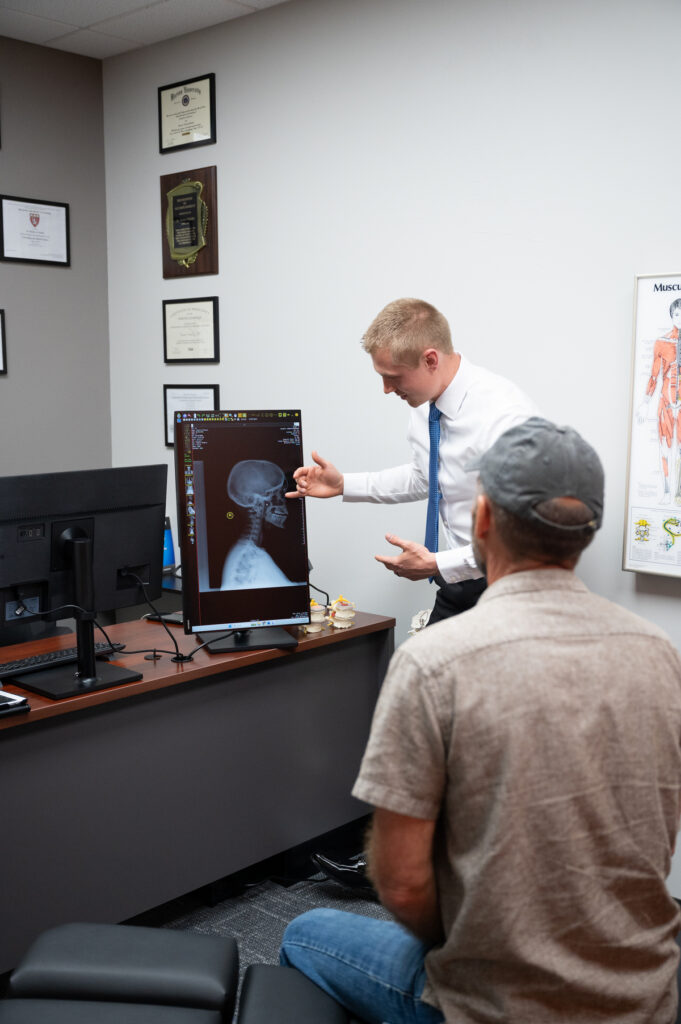

As a local chiropractor, I understand that many of you may be dealing with back pain and are seeking natural ways to alleviate it within the comfort of your home. There are a variety of effective methods that can help, including heat and cold therapy, gentle stretching exercises, and even certain herbal remedies. Each of these approaches plays a role in reducing discomfort and enhancing your mobility.
It’s important to recognize that not all methods will work equally well for everyone, as individual circumstances vary. That’s why I want to share some practical solutions that you can consider implementing. By understanding these options and how they can benefit your specific situation, you can take a proactive approach to managing your back pain. Let’s dive into some natural strategies that could truly make a difference in your recovery journey.
Understanding the Causes of Back Pain
As a local chiropractor, I’m here to help you understand back pain and its causes, which is essential for finding effective relief and promoting overall wellness. Many individuals experience back pain at some point in their lives, and it can arise from a variety of factors.
Common culprits include poor posture, muscle strain, and injuries. When you sit or stand improperly, it can create excess stress on your spine and the muscles that support it. Also, lifting heavy items without using the right techniques can lead to immediate discomfort or even chronic issues down the line.
Moreover, certain medical conditions, such as herniated discs or arthritis, can exacerbate your pain. Interestingly, emotional stress can also show up as back pain due to muscle tension. A sedentary lifestyle can further complicate matters, as weakened muscles may struggle to properly support your spine.
It’s important to identify the underlying cause of your back pain to establish an effective treatment plan. By paying attention to your daily habits and making necessary adjustments, you can significantly reduce your discomfort and encourage long-term relief.
In chiropractic care, we focus on natural healing methods that can restore balance to your body, improve alignment, and enhance your overall quality of life. If you’re experiencing back pain, I encourage you to reach out to learn more about how chiropractic care can help you regain comfort and function.
Gentle Stretches to Relieve Tension
As a local chiropractor, I want to help you understand the importance of identifying the causes of your back pain as a first step toward achieving relief.
One effective approach is through gentle stretches that can ease tension and enhance your flexibility. Let’s start with a straightforward exercise known as the cat-cow stretch. To perform this, get on all fours; arch your back upward like a cat, then lower your belly and lift your head as if you were a cow. Hold each position for a few deep breaths to fully benefit from the stretch.
Another beneficial stretch is the child’s pose. Begin by kneeling and sitting back on your heels, then extend your arms forward on the floor. This position helps to release tightness in the lower back, which many of my patients find incredibly soothing.
You might also consider the seated forward bend. Sit with your legs extended in front of you and gently reach for your toes, holding this position for 20 to 30 seconds.
Remember, it’s crucial to breathe deeply throughout these stretches; doing so will significantly enhance your relaxation and overall experience. It’s important not to push yourself too hard; simply stretch to the point of slight discomfort.
By regularly incorporating these gentle stretches into your routine, you can greatly alleviate tension and promote a healthier back.
As your chiropractor, I encourage you to explore these natural healing techniques as part of your journey to wellness.
Strengthening Exercises for a Stronger Back
As a local chiropractor, I want to emphasize the importance of building a stronger back for your overall health and well-being. One of the key components to achieving this is focusing on core stability workouts, which play a crucial role in supporting your spine. These exercises not only help strengthen the muscles around your back but also improve your posture and balance.
In addition to strength training, it’s essential to incorporate flexibility and stretching into your routine. This can greatly enhance your overall strength and mobility, allowing your body to move more freely and reducing the risk of injury.
I also want to highlight the benefits of resistance training; it can effectively develop the muscles that provide support and protection for your back.
Remember, taking care of your back through proper exercises and techniques is vital for maintaining a healthy spine. If you’re unsure where to start or need guidance, don’t hesitate to reach out for advice tailored to your specific needs.
Your journey to a stronger back can begin today!
Core Stability Workouts
As a chiropractor, I want to share the importance of core stability workouts in enhancing your back strength and alleviating pain.
These exercises specifically target the muscles that support your spine, helping to improve your posture and overall stability. Here are three effective workouts that I encourage you to incorporate into your routine:
- Plank: Begin by holding a plank position, ensuring your body remains straight from head to heels. Start with a goal of 30 seconds, and as you build strength, gradually increase the duration. This exercise engages multiple muscle groups and is excellent for core stability.
- Bird-Dog: Begin on all fours, then extend one arm and the opposite leg simultaneously. Hold this position for a few seconds, then switch sides. The Bird-Dog exercise not only improves your balance but also strengthens your core, which is essential for spinal health.
- Bridge: Lie on your back with your knees bent and feet flat on the floor. Lift your hips towards the ceiling while squeezing your glutes. Hold this position for a few seconds before lowering your hips back down. The Bridge exercise is fantastic for strengthening the lower back and glutes, providing support for your spine.
By incorporating these core stability workouts into your routine, you can significantly enhance your back health and overall well-being.
Flexibility and Stretching
As a local chiropractor, I want to emphasize the importance of flexibility and stretching in maintaining a healthy back. While strength is crucial, incorporating flexibility exercises into your routine can significantly help prevent pain and enhance your overall mobility.
Regular stretching can alleviate tension in your back muscles, which in turn allows for a greater range of motion.
I recommend focusing on stretches that specifically target the hamstrings, hip flexors, and lower back. Simple movements such as the cat-cow stretch, child’s pose, and seated forward bend can be incredibly beneficial for your back health.
Aim to stretch daily, holding each position for at least 20 to 30 seconds.
It’s important to listen to your body during these stretches; if something doesn’t feel right or causes discomfort, please ease off.
By improving your flexibility, you’re not just alleviating pain. You’re also creating a strong foundation for a more resilient back, which is vital for your overall well-being.
Resistance Training Benefits
As a local chiropractor, I want to emphasize the importance of incorporating resistance training into your routine for optimal back health. While you may already be engaging in flexibility and stretching exercises, resistance training can significantly strengthen the muscles that support your spine.
Here are three key benefits of resistance training for your back that I often share with my patients:
- Improved Stability: By building stronger muscles, you help stabilize your spine. This added support can reduce the risk of injuries during everyday activities, allowing you to move with confidence.
- Enhanced Posture: A strong back and core are essential for maintaining proper posture. When these muscles are well-developed, they alleviate unnecessary strain on your spine, helping you stand taller and feel more comfortable throughout the day.
- Increased Flexibility: It might surprise you, but resistance training can actually promote greater flexibility. By encouraging balanced muscle development, it helps prevent tightness and enhances your overall range of motion.
Incorporating resistance training into your wellness routine can be a powerful way to support your spinal health and overall well-being.
If you have any questions or need guidance on how to get started, don’t hesitate to reach out!
The Benefits of Heat Therapy
As a local chiropractor, I want to share with you the incredible benefits of heat therapy for relieving back pain. Heat therapy is a straightforward yet highly effective method to ease discomfort, as it provides soothing warmth that helps relax tense muscles and enhances blood flow to the affected areas.
Whether you choose to use a heating pad, a hot water bottle, or indulge in a warm bath, applying heat can significantly alleviate tightness, allowing for greater mobility and comfort.
When you apply heat, the increased circulation not only helps to soothe pain but also accelerates the healing process by delivering vital nutrients and oxygen to your tissues. You may also notice that heat therapy contributes to an overall sense of well-being, helping to lift your mood and reduce stress levels.
This approach is particularly beneficial for those dealing with chronic pain, as it can be safely incorporated into your daily routine without major side effects. Just be sure to keep an eye on the temperature to prevent burns, and consider using heat therapy alongside other treatments we discuss in our chiropractic care for enhanced results.
Embrace the soothing warmth of heat therapy and allow it to work wonders for your back pain. Your body will thank you!
How Cold Therapy Can Reduce Inflammation
At our chiropractic clinic, we understand that many patients may not be familiar with the benefits of cold therapy for reducing inflammation and managing back pain. As a chiropractor, I often recommend this natural healing method to help my patients find relief from discomfort.
Here’s how cold therapy can assist you:
- Numbs Pain: When you apply cold packs or ice to the affected area, it decreases nerve activity, which can provide immediate pain relief. This is especially helpful for acute injuries or flare-ups of chronic pain.
- Reduces Swelling: Cold therapy works by constricting blood vessels, which helps to minimize inflammation and swelling around injuries. This is crucial in the healing process, as excess swelling can impede recovery.
- Speeds Healing: By lowering tissue temperature, cold therapy slows down metabolic processes in the area. This can facilitate a more efficient recovery, allowing your body to heal faster.
To effectively use cold therapy, I suggest wrapping ice or a cold pack in a towel and applying it to the painful area for about 15-20 minutes. You can repeat this every hour as needed, especially after activities that may exacerbate your back pain.
However, it’s important to listen to your body—if you experience persistent pain, don’t hesitate to reach out to our clinic for professional guidance. Cold therapy can be a highly effective tool in your healing journey, and we’re here to support you every step of the way.
The Role of Good Posture
As a chiropractor, I can’t stress enough the importance of maintaining proper posture for both preventing and alleviating back pain. When your spine is aligned correctly, your body weight is distributed evenly, which helps reduce unnecessary strain on your muscles and ligaments. Many people don’t realize that habits like slouching or leaning forward can contribute to discomfort and lead to long-term issues.
To enhance your posture, I encourage you to be mindful of how you position your body throughout the day. Make a conscious effort to keep your shoulders back and your head aligned over your spine. When seated, ensure your feet are flat on the ground. If you’re standing, distribute your weight evenly between both feet.
Incorporating regular breaks to stretch and move around can significantly reinforce good posture habits. By being aware of your posture, not only will you feel better in the short term, but you’ll also support the natural curves of your back in the long run.
Ergonomic Adjustments for Your Workspace
As a local chiropractor, I want to emphasize how crucial your workspace is for maintaining your back health. Many people underestimate the impact their environment can have on their body, but making some simple ergonomic adjustments can help you feel more comfortable and prevent pain throughout your day.
Here are three essential changes I recommend for your workspace:
1. Chair Height: It’s important to adjust your chair so that your feet rest flat on the floor, and your knees are slightly lower than your hips. This position promotes proper posture, which is vital for minimizing strain on your back.
If your chair is too high or too low, it can lead to discomfort and misalignments over time.
2. Monitor Position: Your monitor should be positioned at eye level and about an arm’s length away from you. This setup will prevent you from hunching forward or straining your neck, both of which can contribute to back pain.
Keeping your monitor at the right height encourages a more natural alignment of your spine.
3. Keyboard and Mouse: Ensure that your keyboard and mouse are close enough so that your elbows remain at a 90-degree angle while you work. This adjustment helps to reduce tension in your shoulders and back, allowing for more fluid movements and decreasing the risk of repetitive strain injuries.
By making these ergonomic adjustments, you can create a more supportive workspace that fosters your overall health and well-being.
If you’re experiencing discomfort or have any questions, don’t hesitate to reach out for guidance on how chiropractic care can further enhance your healing journey.
Incorporating Mindfulness and Relaxation Techniques
As a local chiropractor, I want to emphasize the importance of incorporating mindfulness and relaxation techniques into your daily routine, as they can significantly alleviate back pain and improve your overall well-being.
I encourage you to set aside a few minutes each day for deep breathing exercises. Focus on taking deep breaths in through your nose and slowly exhaling through your mouth. This practice not only calms your mind but also helps to release tension throughout your body.
Consider exploring guided meditation as well. There are many apps and online resources available that offer sessions specifically designed for pain relief. During your meditation, visualize your back relaxing and healing. This visualization creates a powerful connection between your mind and body, which can enhance your healing process.
Don’t overlook the benefits of gentle yoga or stretching. These activities promote flexibility and relieve muscle tension, allowing you to move with greater ease.
By integrating these mindfulness and relaxation techniques into your daily life, you won’t only find more effective ways to manage your back pain but also cultivate a deeper sense of peace and balance within yourself.
The Importance of Staying Hydrated
As a chiropractor, I can’t stress enough the importance of staying hydrated for managing back pain and promoting your overall well-being. Many people are unaware that drinking enough water plays a crucial role in maintaining the health of your spine and surrounding structures.
Here are three essential reasons why hydration is vital for your back health:
- Supports Joint Lubrication: Keeping your body well-hydrated ensures that your joints remain lubricated. This lubrication is crucial for facilitating smooth movement and minimizing strain on your back, which can help alleviate discomfort.
- Prevents Muscle Cramps: When you’re dehydrated, you increase the risk of muscle cramps and spasms. These can exacerbate any existing back pain you might be experiencing, making it even more important to drink plenty of water.
- Aids in Nutrient Delivery: Water is essential for transporting vital nutrients to your muscles and tissues. This process is key to promoting healing, reducing inflammation, and supporting your body’s recovery from any strains or injuries.
I encourage you to make it a habit to drink water consistently throughout your day. Not only will it support your back health, but it will also enhance your overall well-being.
Exploring Herbal Remedies and Supplements
As a local chiropractor, I want to share some valuable insights on how herbal remedies and supplements can be beneficial for alleviating back pain.
Many of my patients are often surprised to learn that alongside chiropractic care, incorporating certain herbs and supplements into their wellness routine can provide significant relief.
There are several well-regarded herbs that have shown potential in easing discomfort, and essential supplements that can support your body’s healing processes.
It’s important to approach these natural options with care, so please remember to adhere to safety and dosage guidelines. This way, you can ensure you’re using them effectively alongside your chiropractic treatments for optimal results.
If you have any questions about which herbal remedies or supplements might be right for you, feel free to ask during your next visit!
Popular Herbal Remedies
As a local chiropractor, I want to share some insights on natural remedies that can complement your chiropractic care, especially if you’re dealing with back pain.
Herbal remedies have become increasingly popular for their potential to provide relief without the use of pharmaceuticals. Here are a few options you might consider:
- Turmeric: This vibrant yellow spice is renowned for its anti-inflammatory properties. Incorporating turmeric into your diet may help reduce pain and enhance your mobility, which is essential for a healthy spine.
- Ginger: Known for its warming qualities, ginger can help alleviate muscle soreness and inflammation. Whether enjoyed in a tea or added to your meals, it can be a beneficial addition to your routine.
- Willow Bark: Often called nature’s aspirin, willow bark has a long history of use for pain relief. Many people find it effective for easing back discomfort, making it a valuable option to explore alongside your chiropractic treatments.
While these herbal remedies may provide the relief you’re looking for, it’s important to remember that everyone’s body is different.
I always recommend consulting with a healthcare professional before starting any new herbal regimen to ensure it’s safe and appropriate for your specific needs.
Integrating these natural remedies with your chiropractic care can enhance your overall health and recovery.
Essential Supplements for Relief
As a local chiropractor dedicated to helping you find relief from back pain, I want to share some essential supplements that can complement your chiropractic care and enhance your healing journey.
One powerful option is turmeric, which contains curcumin—a natural compound celebrated for its anti-inflammatory properties. This can be a great ally in reducing pain and discomfort.
Another important supplement is omega-3 fatty acids found in fish oil. These healthy fats are known to promote joint health and may help alleviate some of the discomfort you experience.
Additionally, magnesium plays a crucial role in muscle function; if you’re deficient in this mineral, it could contribute to your back pain.
Don’t overlook glucosamine and chondroitin either! These supplements support cartilage health and can improve your mobility.
Lastly, ensure you’re getting enough vitamin D, as it’s vital for bone strength and can help prevent further back issues.
Incorporating these supplements into your daily routine can significantly enhance your overall well-being and provide the support you need for effective back pain relief.
Safety and Dosage Guidelines
As a local chiropractor dedicated to your health and well-being, I want to share some important insights regarding herbal remedies and supplements for back pain relief.
It’s essential to prioritize safety and proper dosages as you explore these natural options. Here are some key guidelines to consider:
- Do Your Homework: It’s crucial to research any herbs or supplements you’re thinking about using. Look for credible studies that specifically address their effectiveness and safety in treating back pain. Knowledge is power when it comes to your health!
- Talk to Me or Your Healthcare Provider: Before incorporating any new remedies into your routine, I strongly recommend having a conversation with me or your healthcare provider. This is particularly important if you’re currently taking medications or have existing health conditions.
- Take It Slow: When trying out a new supplement, start with the lowest recommended dose. This approach allows you to gauge how your body reacts before considering any increases. It’s all about listening to your body and ensuring you’re on the right track.
By following these guidelines, you can make informed decisions about your back pain relief options.
Conclusion
As your local chiropractor, I want to share some natural methods that can significantly alleviate back pain and improve your overall well-being. Understanding the underlying causes of your discomfort is crucial, and I encourage you to incorporate gentle stretches into your daily routine. These stretches can help enhance flexibility and strengthen your back over time.
Additionally, utilizing heat and cold therapy can be an effective way to manage pain and inflammation. Staying hydrated is equally important; it supports your body’s natural healing processes. You might also consider herbal remedies as a complementary approach to your care.
Don’t underestimate the impact of small changes in your workspace. Adjusting your chair height or using ergonomic tools can lead to greater comfort throughout your day. Lastly, practicing mindfulness techniques can help reduce stress, which often contributes to back pain.
I invite you to start implementing these strategies today and take an active role in your back health. Together, we can work towards a stronger, healthier you!