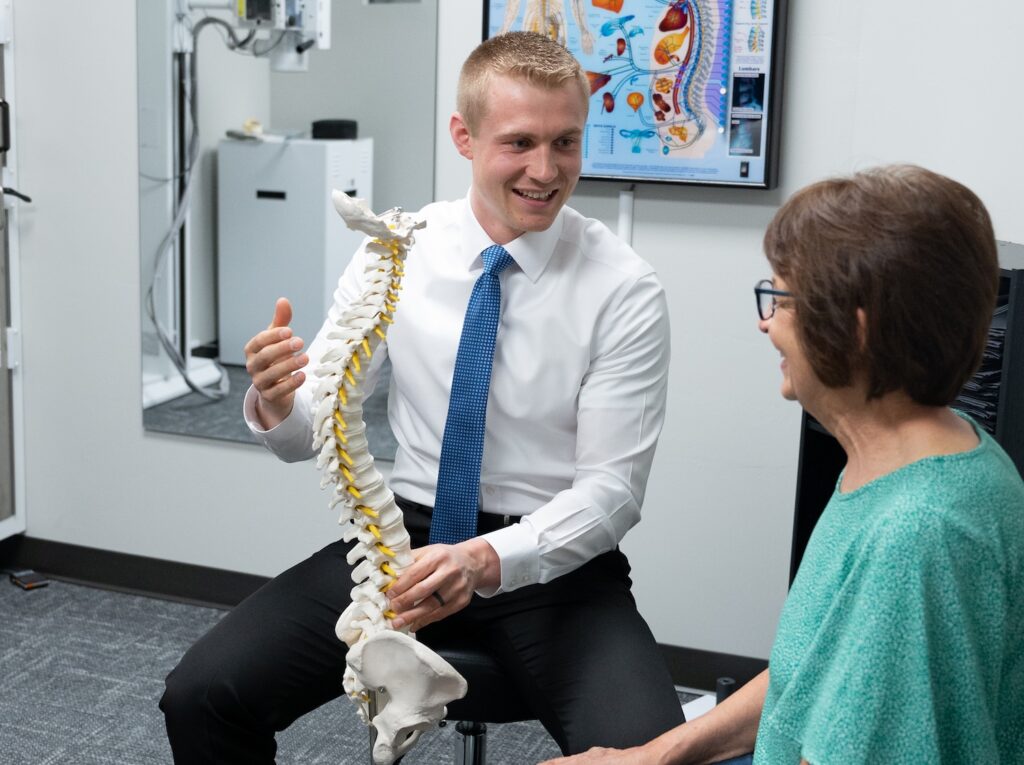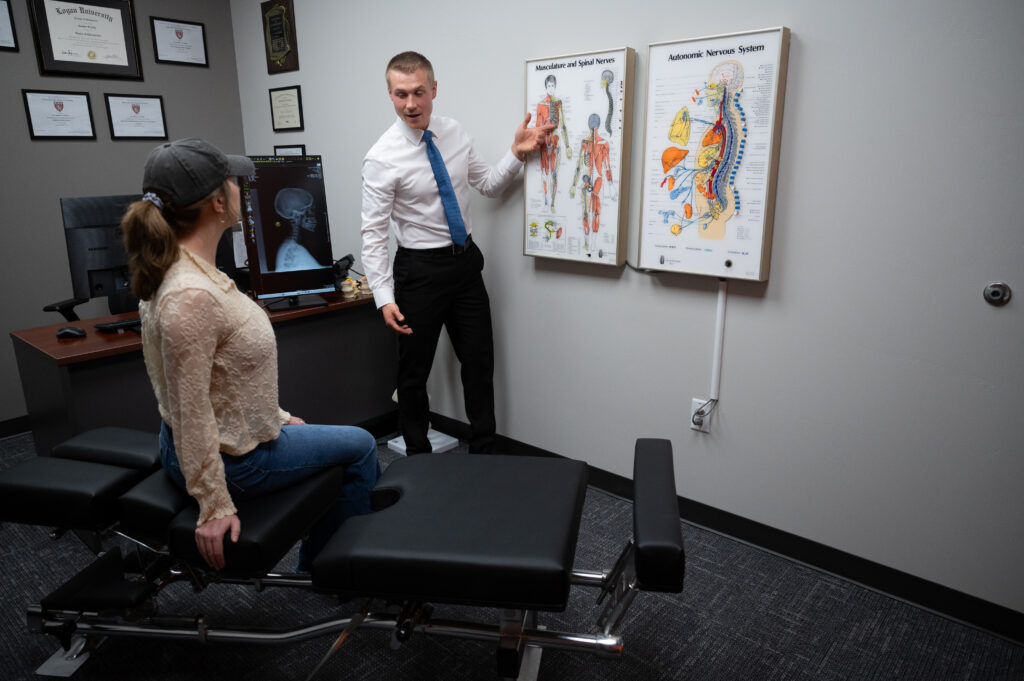

As a local chiropractor, I want to help you understand how managing back pain naturally can be both effective and empowering for your overall health. By incorporating gentle stretching and strengthening exercises into your routine, you can significantly improve your flexibility and provide essential support for your spine. Techniques such as yoga not only promote relaxation but also help enhance your posture, which is vital for preventing and alleviating pain.
It’s important to go beyond just treating the symptoms; understanding the root causes of your back pain is key to long-term relief. By integrating ergonomic practices into your daily activities—whether at work, home, or during exercise—you can make a substantial difference in how your body feels. I encourage you to explore these natural methods further with me, so together we can transform your approach to back pain relief and enhance your overall well-being.
Understanding Back Pain: Causes and Symptoms
As a local chiropractor, I often see patients struggling with back pain, a common issue that can arise from various sources.
It’s important to understand the root causes and symptoms of your discomfort, as this knowledge can empower you to take the right steps toward healing.
Back pain can result from muscle strain, poor posture, or underlying conditions such as arthritis or herniated discs. By identifying these triggers, we can effectively address the problem through natural healing methods.
Patients frequently describe their symptoms as a dull ache, sharp pain, or stiffness in the back, which can sometimes radiate down into the legs.
Limited mobility or discomfort while sitting, standing, or bending are also common signs. It’s helpful to observe when the pain intensifies or eases, as this can provide valuable insights into its origins.
If you’ve recently lifted something heavy or suffered an injury, these experiences may explain your discomfort.
Understanding these factors is crucial, as it not only guides you towards the appropriate treatment but also helps in preventing future episodes of pain.
Remember, taking action early can lead to better outcomes, and chiropractic care can play a significant role in your journey to recovery.
Let’s work together to find a natural and effective solution to your back pain!
The Benefits of Gentle Stretching
As a local chiropractor, I often see patients who are looking for relief from back pain, and one effective method I recommend is gentle stretching. Integrating simple stretches into your daily routine can make a significant difference in easing tension and enhancing flexibility.
When you take the time to stretch, you’re not just loosening up; you’re also increasing blood flow to your muscles, which helps reduce stiffness and supports the healing process.
Gentle stretching plays a crucial role in promoting better posture, which is vital for preventing future discomfort. By working to loosen tight muscles, you create more space within your spine, leading to improved alignment. This alignment can help reduce strain on your back during everyday activities, making your life more comfortable.
Moreover, stretching fosters a greater awareness of your body. It helps you become more mindful of your movements, allowing you to identify and avoid actions that could exacerbate your pain.
As part of a holistic approach to health, gentle stretching can be a powerful tool in your journey towards relief and well-being.
Strengthening Exercises for a Stronger Back
As a local chiropractor, I want to emphasize the importance of incorporating targeted strengthening exercises into your routine for a healthier back. Strengthening your back muscles isn’t just about building strength; it’s a vital step in improving your posture, enhancing stability, and alleviating discomfort.
Let’s start with some foundational exercises. One effective movement is the bridge. To perform this, lie on your back with your knees bent and feet flat on the floor. Lift your hips off the ground, engaging your lower back and glutes. This is a fantastic way to activate and strengthen those important muscle groups.
Another great exercise is the bird-dog. Begin on your hands and knees, then extend one arm forward while extending the opposite leg back. This exercise not only strengthens your back but also enhances your core stability, which is crucial for overall spinal health.
Don’t overlook the plank! Holding a plank position engages multiple core muscles, providing significant support for your back. It’s a simple yet effective way to build endurance and strength.
As you become more comfortable with these exercises, consider adding resistance with weights or resistance bands to further challenge your muscles. Always prioritize proper form to avoid injury; your safety is paramount.
I recommend practicing these exercises at least three times a week to see the best results. Remember, a stronger back isn’t just about support; it’s key to your overall well-being and vitality.
If you have any questions or need guidance on exercise techniques, feel free to reach out to me. Together, we can work towards a healthier, stronger back.
The Role of Yoga in Back Pain Relief
As a local chiropractor, I often see patients seeking relief from back pain through traditional methods. However, I want to introduce you to the unique benefits of incorporating yoga into your healing routine.
Yoga is an excellent complement to chiropractic care, as it promotes flexibility, strength, and balance—key components for maintaining a healthy back.
Through specific yoga poses, you can effectively stretch tight muscles and strengthen weaker ones, which helps alleviate the tension that can contribute to pain. This is particularly important in conjunction with the adjustments and treatments I provide, as a more balanced body can enhance the effectiveness of chiropractic care.
Additionally, yoga encourages proper alignment and posture, fostering a heightened awareness of your body. This awareness not only helps prevent future injuries but also enhances your daily movements.
The breathing techniques utilized in yoga are beneficial for pain management, as they can promote relaxation and reduce stress—two factors that often exacerbate discomfort.
I recommend starting with gentle poses such as Child’s Pose or Cat-Cow to ease into your practice. As you become more comfortable, you’ll discover that yoga not only aids in relieving back pain but also contributes to your overall well-being.
This makes it a valuable addition to your holistic pain management strategy alongside chiropractic care.
Mindfulness and Meditation Techniques
As your local chiropractor, I want to share how incorporating mindfulness and meditation techniques into your daily routine can significantly enhance your journey toward alleviating back pain. These practices are designed to help you cultivate a deeper awareness of your body, which in turn promotes relaxation and reduces tension in the muscles and joints.
Begin with simple breathing exercises. Focus on inhaling deeply through your nose, holding that breath for a moment, and then exhaling slowly through your mouth. This practice not only brings your attention to the present moment but also calms both your mind and body, creating an ideal environment for healing.
Consider exploring guided meditations specifically tailored for pain relief. There are many apps and online resources that offer these sessions, making it easy for you to find what works best for you. As you meditate, visualize your pain dissipating and allow yourself to let go of any negative thoughts associated with your discomfort.
Additionally, I encourage you to practice mindfulness during your daily activities. Whether you’re walking, sitting, or even standing, pay attention to how your body feels and make any necessary adjustments to your posture.
Incorporating Ergonomics Into Daily Life
As a local chiropractor, I want to emphasize the importance of ergonomics in your daily life, particularly for managing and preventing back pain. Many of my patients are surprised to learn how much their workspace setup can impact their spinal health.
For instance, ensuring that your chair provides adequate support for your lower back is crucial. Your feet should rest flat on the ground to maintain proper posture. Additionally, positioning your computer screen at eye level helps prevent the urge to lean forward, which can lead to discomfort and strain on your back.
When it comes to lifting objects, it’s essential to use proper techniques. Always remember to bend at your knees and keep your back straight to protect your spine. Avoid twisting your torso while carrying heavy items, as this can lead to serious injuries.
If your job requires long hours of sitting, make it a habit to take regular breaks to stretch and walk around. Even small movements can help alleviate tension and keep your body feeling better.
By incorporating these ergonomic practices into your everyday routine, you can significantly improve your posture and reduce the likelihood of back pain. It’s important to recognize that even minor adjustments can lead to significant improvements in how you feel throughout the day.
Your comfort and well-being are paramount, and I encourage you to prioritize them in your daily activities!
Lifestyle Changes for Long-Term Back Health
As a local chiropractor, I want to share some essential insights that can help you achieve long-term back health. While making ergonomic adjustments is an important first step, it’s just the beginning of your journey. To truly alleviate back pain and prevent future issues, it’s crucial to adopt a holistic approach that incorporates lifestyle changes.
First and foremost, I encourage you to integrate regular physical activity into your daily routine. Activities such as swimming, walking, or yoga are excellent low-impact options that not only strengthen your back muscles but also enhance your flexibility. These exercises can be gentle yet effective in promoting overall back health.
Next, let’s talk about posture. Whether you’re sitting at a desk, standing in line, or lifting objects, maintaining good posture is vital. Proper alignment helps distribute your body’s weight evenly, which can significantly reduce strain on your back. Pay attention to your body mechanics during daily activities to avoid unnecessary stress.
Your sleep environment is another key factor. A supportive mattress and the right pillow can substantially improve your sleep quality and, in turn, your back health. If you wake up feeling sore, it might be time to reassess your bedding.
Nutrition also plays a critical role in back health. I recommend a balanced diet that includes anti-inflammatory foods to help manage pain and support healing. Additionally, staying well-hydrated is essential, as well-hydrated muscles and joints work more effectively.
Lastly, don’t overlook the impact of stress on your body. Chronic tension can lead to muscle tightness and exacerbate pain. Incorporating mindfulness practices or meditation can help you manage stress levels and contribute to your overall well-being.
Conclusion
As your local chiropractor, I want to share some valuable insights into how you can manage back pain naturally and improve your overall health. By incorporating gentle stretching, strengthening exercises, and the soothing practice of yoga into your daily routine, you can cultivate a stronger and more resilient spine.
It’s also essential to consider ergonomics—how you position yourself while sitting, standing, or lifting—to prevent unnecessary strain on your back. Additionally, embracing mindfulness in your daily activities can help you become more aware of your body and its needs, further supporting your journey toward wellness.
Remember, by making these lifestyle adjustments, you’re not just addressing back pain; you’re investing in a healthier, more active future. I encourage you to start implementing these techniques today and experience the positive changes for yourself! If you have any questions or need guidance, don’t hesitate to reach out. I’m here to help you on your path to better back health.