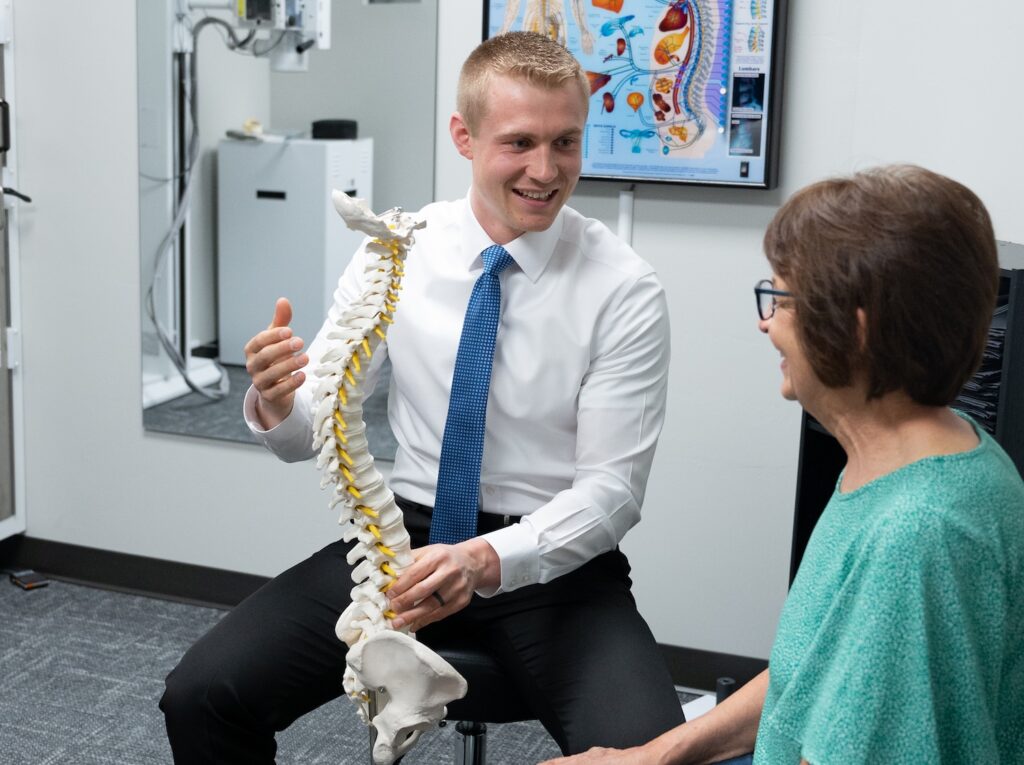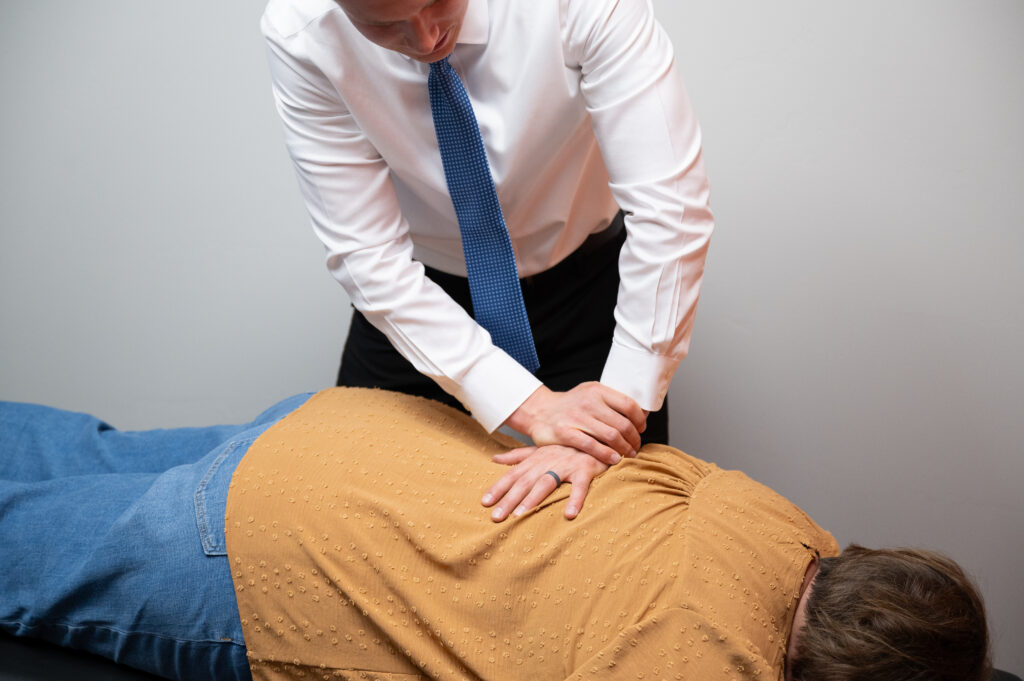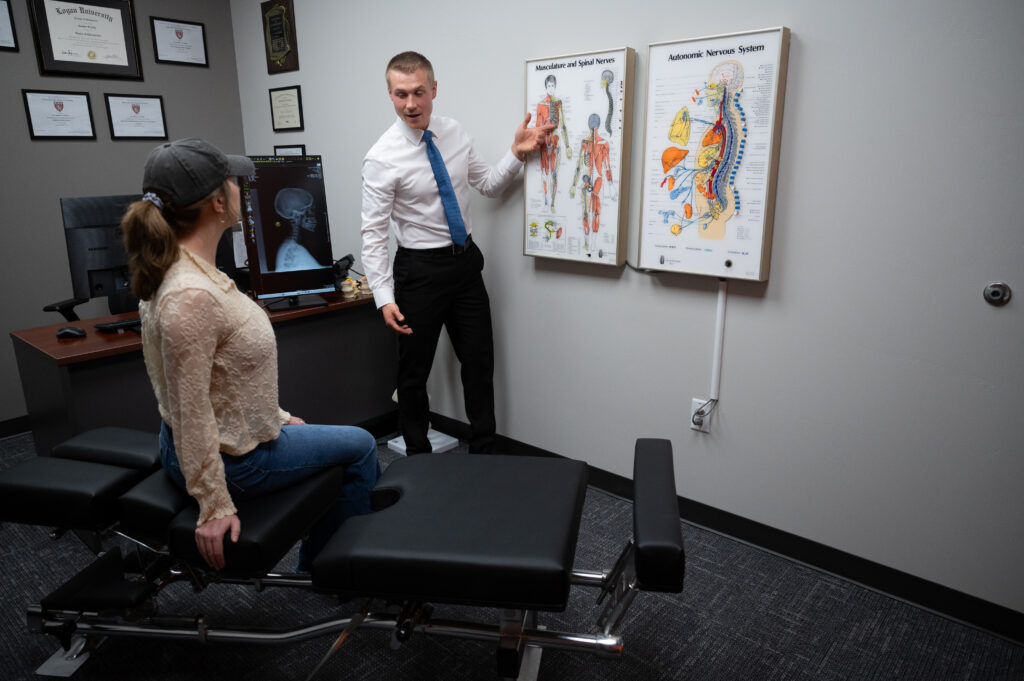

As a local chiropractor, I understand that navigating the journey of injury recovery can be quite challenging. Many people assume that simply resting is sufficient, but there's so much more to consider if you want to truly maximize your athletic performance during this time. Proper nutrition and rehabilitation exercises specifically designed for your injury play crucial roles in your recovery.
At our practice, we emphasize the importance of balancing your physical healing with mental resilience. This holistic approach can significantly enhance your recovery process. If you're interested in learning how to optimize every aspect of your healing journey for the best outcomes, let's discuss some essential components. Together, we can explore how chiropractic care and natural healing methods can make a meaningful difference in your recovery.
Understanding Injury Types
As a local chiropractor, I want to help you understand the various types of injuries you may encounter on your journey to recovery. It's essential to recognize that different injuries require tailored approaches to healing, and having this knowledge can empower you to navigate your recovery effectively.
First, let's talk about acute injuries. These occur suddenly, often as a result of a specific incident, like a fall or collision, leading to sprains or fractures. If you experience an acute injury, addressing it promptly is crucial. Immediate treatment can significantly impact your recovery time, and chiropractic care can play a vital role in ensuring proper alignment and healing.
Next, we've chronic injuries. These develop gradually, often due to repetitive stress or overuse, and can sneak up on you, manifesting in conditions like tendinitis or stress fractures. It's vital to be aware of early warning signs, as ignoring these symptoms can prolong your recovery. Chiropractic adjustments, along with lifestyle modifications, can help alleviate pain and restore function over time.
Soft tissue injuries are another critical area to consider. These involve muscles, tendons, and ligaments, and can range from mild strains to severe tears. Understanding the severity of your soft tissue injury is essential for seeking appropriate treatment. As a chiropractor, I can help assess the extent of your injury and guide you through personalized rehabilitation strategies to promote healing.
Lastly, let's not forget about joint injuries. These can be particularly complex, often involving inflammation and instability. Whether you're dealing with a dislocated shoulder or a knee injury, understanding the specific type of joint injury is crucial for developing an effective recovery plan. Chiropractic care can help restore joint mobility, reduce inflammation, and support overall joint health.
Importance of Nutrition
As a local chiropractor, I want to emphasize the vital role nutrition plays in your recovery process, especially as you heal from injuries. When your body is in recovery mode, it requires additional nutrients to support the healing process effectively. This is why focusing on a balanced diet is crucial. It should be rich in proteins, carbohydrates, healthy fats, vitamins, and minerals.
Let's start with proteins, which are essential for repairing tissues and building muscle. Incorporating lean meats, fish, eggs, dairy, legumes, and nuts into your meals can significantly aid your recovery. I recommend including a source of protein in every meal to provide your body with the necessary building blocks it needs to heal.
Carbohydrates are your body's primary energy source, and they're vital for fueling your recovery. Whole grains, fruits, and vegetables not only offer energy but also deliver essential nutrients that assist in the healing process.
Don't forget about healthy fats; they play a crucial role in reducing inflammation and supporting overall health. Foods like avocados, olive oil, and fatty fish are fantastic options to include in your diet.
Hydration is just as important as the food you eat. Drinking an adequate amount of water helps transport nutrients to your cells and flushes out toxins, both of which are essential during recovery.
Additionally, we mustn't overlook the importance of micronutrients. Vitamins C and D, along with minerals such as zinc and magnesium, are significant players in your healing journey. Incorporating foods like citrus fruits, leafy greens, nuts, and seeds can help you meet these nutritional needs.
As you explore the natural healing benefits of chiropractic care, remember that nutrition is a key component in your path to recovery. By nurturing your body with the right foods, you'll be supporting not only your healing process but also your overall well-being.
Effective Rehabilitation Exercises
To recover effectively from an injury, it's essential to integrate rehabilitation exercises into your routine, and as your local chiropractor, I'm here to guide you through this healing process. These exercises play a vital role in restoring strength, flexibility, and mobility, ultimately helping you return to your optimal performance level.
I recommend starting with a consultation so we can create a personalized rehabilitation program that suits your specific injury and individual needs.
Initially, we'll focus on gentle stretching exercises to maintain flexibility in the affected area. For example, if you've injured your ankle, we might incorporate calf stretches and ankle circles to promote mobility.
As you progress, we can safely introduce strengthening exercises that emphasize low-impact movements, ensuring we don't strain your injury. Utilizing resistance bands and bodyweight exercises, like squats and lunges, can effectively build strength while minimizing pressure on your injury.
Another crucial component of your rehabilitation is balance exercises. We can incorporate stability challenges such as single-leg stands or balance boards to improve your proprioception, which is key to preventing future injuries.
As your confidence and strength grow, we can begin to introduce more dynamic movements that mimic the activities specific to your sport or daily life.
Remember, consistency is vital. It's often more beneficial to engage in shorter, frequent sessions rather than sporadic, intense workouts.
Pay attention to your body: if something doesn't feel right, don't hesitate to reach out so we can adjust your rehabilitation approach to avoid setbacks.
Lastly, tracking your progress is important—celebrating small victories can keep you motivated throughout your journey.
Mental Conditioning Techniques
As a local chiropractor, I want to emphasize the importance of mental conditioning alongside physical rehabilitation in your recovery process. Your mind plays a crucial role in healing, and by focusing on mental strategies, you can enhance your overall recovery experience.
One powerful technique I recommend is visualization. Take some time to picture yourself fully healed and performing at your best. This mental imagery can significantly boost your confidence and keep you motivated, especially during challenging moments in your recovery.
Mindfulness is another key aspect to consider. By practicing mindfulness, you can stay present in the moment and alleviate any anxiety related to your healing journey. Techniques such as meditation and deep breathing are excellent ways to manage stress and cultivate a positive mindset. Engaging in mindfulness exercises will help you connect with your body and acknowledge the progress you're making, no matter how small.
Positive self-talk is also vital in your recovery. It's important to replace any negative thoughts with affirmations that highlight your strength and determination. Whenever you feel doubt creeping in, remind yourself of your past accomplishments and the resilience you've shown. This practice will help to build a mental framework that supports your recovery journey.
Incorporating a structured routine can provide you with stability during this uncertain time. I encourage you to establish a daily practice that includes both physical rehabilitation and mental conditioning exercises. This consistency will give you a sense of control over your recovery process.
Lastly, don't underestimate the power of connection. Engaging with others who understand your journey can be incredibly beneficial. Whether it's fellow athletes or a support group, sharing experiences can provide the encouragement and motivation you need. Surrounding yourself with positive influences will strengthen your mental resilience and keep you focused on your goals.
As your chiropractor, I'm here to guide you not only through the physical aspects of your recovery but also to support your mental well-being, ensuring a holistic approach to healing.
Setting Realistic Goals
Achieving a steady recovery involves not just mental conditioning but also the importance of setting realistic goals that can help you stay focused and motivated throughout your healing journey. As a local chiropractor, I believe that when you establish achievable targets, you create a clear roadmap for your recovery.
Start by evaluating your current physical condition and understanding any limitations that may arise due to injury or misalignment in your body. This self-assessment is crucial to setting specific, measurable, attainable, relevant, and time-bound (SMART) goals.
For example, rather than aiming to participate in a strenuous activity like running a marathon in just a month, consider starting with gentler movements such as walking short distances or gradually increasing the time you spend on light jogging. It's important to break larger goals into smaller, manageable milestones.
Celebrate each small victory, whether it's completing a rehabilitation exercise suggested during your chiropractic sessions or experiencing an improvement in your range of motion. These incremental successes can significantly boost your morale and reinforce your commitment to the recovery process.
Flexibility is another key aspect to keep in mind. You may encounter setbacks along the way, and that's entirely normal in the healing process. Instead of abandoning your goals, be willing to adjust them as necessary.
Always keep your ultimate goal in sight, but allow yourself the grace to adapt as you progress. Open communication with your healthcare providers, including your chiropractor, is vital—they can offer valuable insights and guidance to help you recalibrate your objectives effectively.
Lastly, remember that patience is crucial. Recovery isn't a race; it's a process that takes time. By setting realistic goals, you'll not only enhance your physical healing but also cultivate a resilient mindset that can positively impact all areas of your life.
Conclusion
As a local chiropractor, I want to emphasize that injury recovery goes beyond just taking a break. It's an excellent opportunity to improve your overall athletic performance. By incorporating proper nutrition, tailored rehabilitation exercises, and mental conditioning, you can make a significant impact on your recovery and future performance.
It's essential to stay positive throughout your healing process and seek professional guidance, like chiropractic care, which is designed to meet your individual needs. Setting realistic goals during your recovery can not only facilitate healing but also enhance your abilities when you return to your sport.
Embracing this journey with the right mindset and support can lead to a remarkable transformation in your athletic performance. Remember, chiropractic care focuses on natural healing and can help restore balance and function to your body, setting you up for success as you get back in the game!