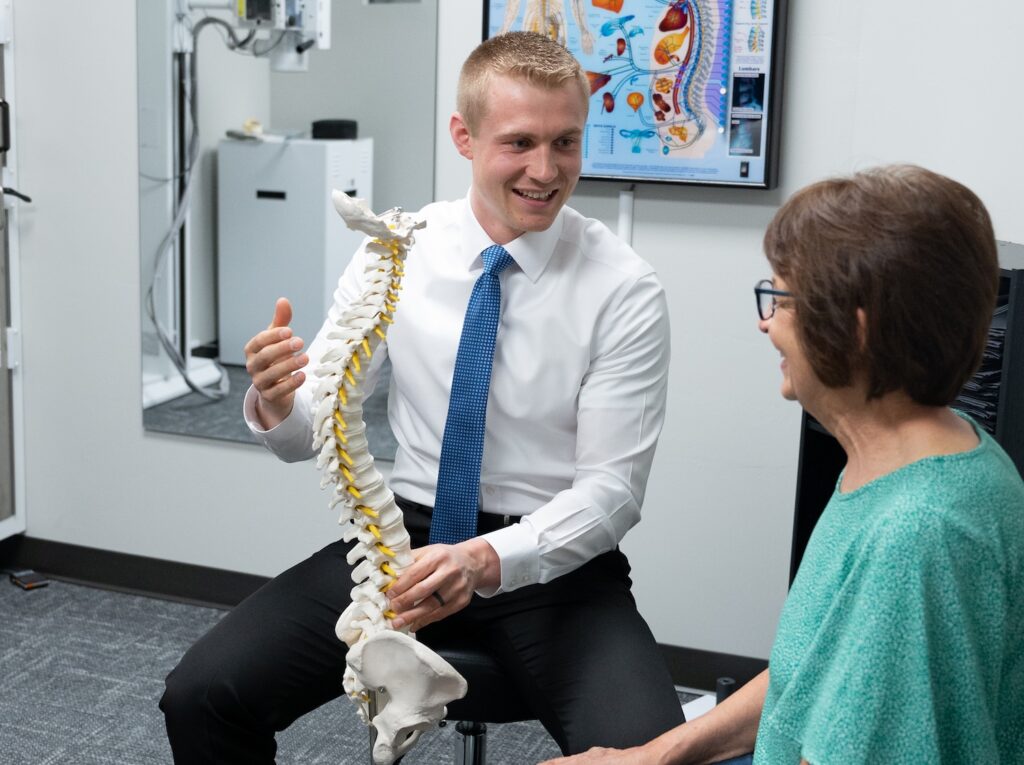
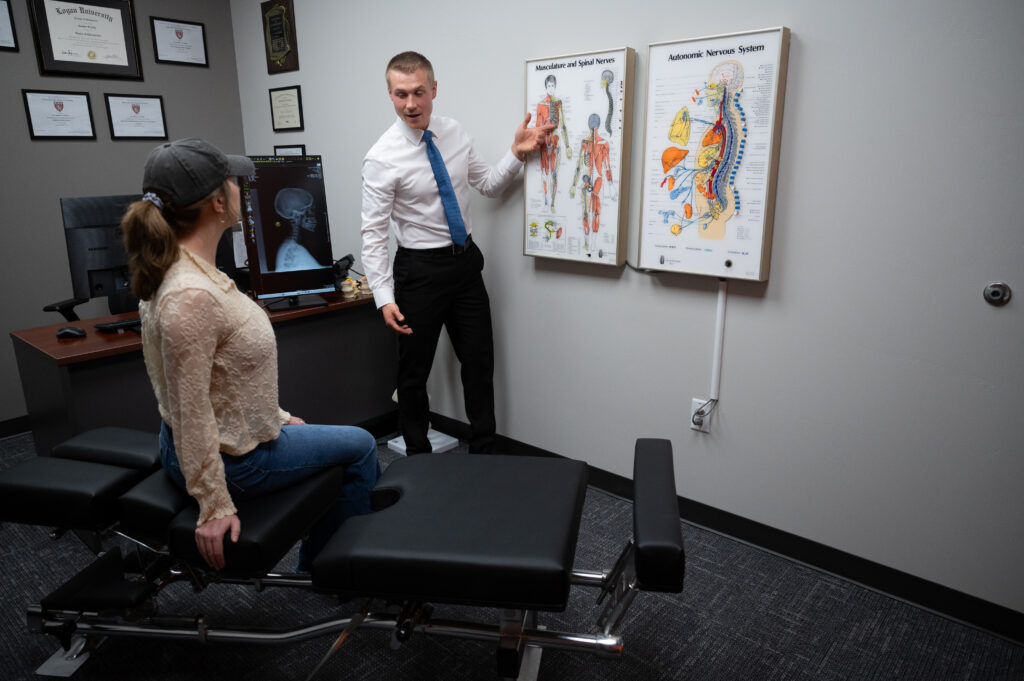
As a local chiropractor, I want to emphasize the importance of a proactive approach to managing chronic pain through preventive care. It's essential to regularly consult with healthcare professionals like myself to help identify potential pain triggers before they escalate.
Incorporating strategies such as a balanced diet, consistent sleep patterns, and gentle physical activity can significantly influence your pain levels. However, chiropractic care offers even more than these foundational practices. Through spinal adjustments and holistic techniques, we can work together to enhance your overall well-being and resilience. Imagine not just coping with your pain, but actively regaining control over your life. Let's explore how natural healing can empower you on your journey to better health.
Understanding Chronic Pain
Understanding chronic pain is crucial for anyone seeking relief, and as your local chiropractor, I want to help you grasp its complexities. Chronic pain isn't just a physical sensation; it also involves emotional and psychological factors that can significantly affect your overall well-being. It typically lasts longer than three months and can arise from various sources, such as injuries, chronic illnesses, or conditions like fibromyalgia.
As you go about your daily activities, you may notice that chronic pain can impact your mood and energy levels. Feelings of frustration, anxiety, or even depression are common, and these emotions can intensify your pain experience. It's important to recognize how your mental state can shape your perception of pain and your ability to cope with it.
The body's response to pain is a complex process that includes how your nervous system interprets pain signals. You may find that during stressful periods or when you're feeling fatigued, your pain may feel more pronounced.
Chronic pain often doesn't follow a predictable pattern; some days may feel better than others, leading to uncertainty about when flare-ups might occur. As your chiropractor, I encourage you to learn how to manage this unpredictability. By understanding that chronic pain is a result of both physical and emotional influences, you can take proactive steps toward alleviating discomfort.
Chiropractic care offers a natural approach to managing chronic pain by addressing spinal alignment, improving mobility, and promoting overall wellness. Together, we can explore strategies tailored to your individual needs that may help improve your quality of life and empower you to take control of your pain management journey.
Importance of Preventive Care
As a local chiropractor, I want to emphasize the vital role that preventive care plays in managing chronic pain and enhancing your overall well-being. Many people may not realize that by taking proactive steps, you can significantly reduce the severity and frequency of your pain episodes.
Regular chiropractic check-ups and screenings can help identify potential issues in your musculoskeletal system before they escalate, allowing us to address them early on. This approach not only aids in pain management but also supports both your physical and mental health.
Incorporating preventive measures into your routine can empower you to take charge of your pain management. For example, maintaining a healthy weight can relieve pressure on your joints, which can alleviate discomfort related to conditions like arthritis.
Additionally, engaging in low-impact exercises, often recommended in chiropractic care, can strengthen your muscles and improve flexibility, further supporting your body's resilience.
Preventive care in chiropractic also involves monitoring your overall health and wellness. Regular consultations with me allow us to assess your progress and adjust your treatment plan as needed.
This ensures that you're utilizing the most effective strategies for pain management, minimizing side effects and maximizing benefits from our therapies.
Furthermore, engaging in preventive care fosters a sense of community and support. Connecting with others who share similar experiences can provide the motivation and encouragement you need as you navigate your pain management journey.
Ultimately, prioritizing preventive care lays the groundwork for a healthier, more balanced life. By focusing on prevention and the natural healing methods chiropractic care offers, you not only work towards alleviating chronic pain but also enhance your overall quality of life, enabling you to participate fully in the activities you enjoy.
Let's work together on your path to wellness!
Lifestyle Adjustments
As a local chiropractor, I want to share how simple lifestyle adjustments can profoundly impact your ability to manage chronic pain. You don't need to make drastic changes to your routine; even small, manageable shifts can lead to significant improvements in your well-being.
One of the first steps I recommend is to focus on a balanced diet. Incorporating anti-inflammatory foods, such as a variety of fruits, vegetables, and whole grains, can play a crucial role in reducing pain levels. Staying well-hydrated is equally important; drinking enough water supports your body's functions and can help ease discomfort.
Let's also discuss the importance of sleep. Quality sleep is vital for effective pain management. I advise establishing a consistent sleep schedule, creating a calming bedtime routine, and ensuring your sleeping environment is comfortable. Reducing screen time before bed can significantly enhance your sleep quality, which in turn can help in pain relief.
Physical activity is another key component of pain management. While it may seem counterintuitive to exercise when you're in pain, gentle, regular movement can strengthen your muscles and enhance flexibility, which may alleviate discomfort. Find activities that you enjoy, whether it's walking, swimming, or practicing yoga, and aim for consistency to reap the benefits.
Don't overlook the impact of stress on your chronic pain. High stress levels can exacerbate your symptoms, so incorporating stress management techniques, such as mindfulness meditation, deep breathing exercises, or journaling, can be beneficial. Setting aside dedicated time for relaxation can significantly influence your pain levels.
Lastly, consider the power of community. Connecting with a support network can be incredibly helpful. Sharing your experiences with friends, family, or support groups can provide not only emotional relief but also practical strategies to cope with pain.
Physical Therapy Options
Chiropractic care offers a holistic approach to managing chronic pain effectively. By collaborating with a skilled chiropractor, you can create a personalized treatment plan that caters to your unique needs and wellness goals.
Chiropractic care emphasizes improving mobility, strength, and overall function, which can significantly reduce pain over time. Here are three key chiropractic options you might consider:
- Spinal Manipulation: This hands-on technique involves the chiropractor using controlled force to adjust misaligned joints, particularly in the spine. This can help alleviate pain, enhance blood circulation, and restore range of motion.
- Exercise Recommendations: Tailored exercise programs can strengthen muscles, improve flexibility, and boost endurance. Your chiropractor will guide you through specific movements designed to target the areas contributing to your discomfort, ensuring you perform them safely and effectively.
- Therapeutic Modalities: A variety of therapeutic modalities, such as heat, cold, ultrasound, or electrical stimulation, can be employed to relieve pain and encourage healing. Your chiropractor will assess which modalities are most appropriate for your condition.
Integrating these chiropractic options into your chronic pain management strategy can lead to significant improvements in your quality of life.
It's essential to remain consistent with your treatments and maintain open communication with your chiropractor about your progress and any concerns you may have.
With commitment and the right approach, you can take charge of your pain and enhance your overall well-being through natural healing.
Mindfulness and Relaxation Techniques
As a chiropractor, I want to emphasize the importance of incorporating mindfulness and relaxation techniques into your pain management routine. These practices can significantly improve your overall well-being and complement the chiropractic care you receive. By developing a heightened awareness of your body and thoughts, you can respond to pain in a more constructive way.
Mindfulness can help you stay present, which is essential in reducing anxiety and the emotional burden that often accompanies chronic pain.
To get started, find a quiet space where you can focus without distractions. Deep breathing exercises are a fantastic way to begin your journey. Inhale deeply through your nose, allowing your lungs to fill completely, then exhale slowly through your mouth. Repeat this for several minutes to calm both your mind and body.
You may also want to try progressive muscle relaxation, where you systematically tense and then relax each muscle group. This technique can help you identify areas of tension and promote relaxation.
Meditation is another valuable tool that I encourage you to explore. Dedicate just a few minutes each day to sit quietly, close your eyes, and concentrate on your breath or a calming mantra. This practice can foster a sense of peace and may help reduce the perception of pain over time.
In addition to these techniques, incorporating yoga into your routine can further enhance your relaxation efforts. Even gentle stretches can alleviate muscle tension and improve flexibility, both of which are beneficial for pain relief and overall health.
Nutritional Considerations
As a local chiropractor, I want to emphasize the significant role that nutrition plays in managing chronic pain. Many individuals mightn't realize that what they consume can either worsen or ease their pain symptoms. Therefore, it's crucial to be mindful of your dietary choices.
By focusing on anti-inflammatory foods, you can support your body in reducing inflammation and managing pain more effectively. Here are three important nutritional considerations to keep in mind:
- Incorporate Omega-3 Fatty Acids: Foods that are high in omega-3 fatty acids, such as salmon, walnuts, and flaxseeds, are known to help lower inflammation. I recommend incorporating these foods into your meals several times a week to aid in your pain management.
- Emphasize Fruits and Vegetables: A vibrant variety of fruits and vegetables is packed with antioxidants, which help combat oxidative stress and inflammation. Aim to consume at least five servings each day. Consider options like berries, leafy greens, and sweet potatoes, which are particularly beneficial.
- Limit Processed Foods and Sugars: Highly processed foods often contain unhealthy fats and sugars that can trigger inflammation in the body. By cutting back on these items, you may notice a significant reduction in your pain levels.
Making these dietary changes goes beyond simply eating healthier—it's about empowering yourself to take control of your chronic pain.
By being intentional with your nutritional choices, you can create an environment that supports healing and overall well-being. With patience and consistency, these adjustments can lead to meaningful improvements in your journey toward pain management.
As your chiropractor, I'm here to guide you and provide support as you explore these natural healing approaches.
Sleep Hygiene Practices
As a chiropractor dedicated to helping you manage chronic pain and improve your overall well-being, I want to emphasize the vital role that quality sleep plays in your healing journey. Good sleep hygiene can significantly impact your pain levels, making it essential to establish healthy sleep habits.
To start, I recommend setting a consistent sleep schedule. Try to go to bed and wake up at the same time every day, including weekends. This practice helps regulate your body's internal clock, leading to more restorative sleep.
Next, it's important to create a calming bedtime routine. Engage in relaxing activities such as reading a book, enjoying a warm bath, or practicing deep breathing exercises. These rituals send signals to your body that it's time to unwind and prepare for sleep.
Make sure your sleeping environment promotes rest. Keep your bedroom dark, quiet, and cool. You might consider using blackout curtains, earplugs, or a white noise machine to create a peaceful atmosphere.
Be mindful of your screen time before bed. The blue light from phones, tablets, and computers can interfere with melatonin production, making it harder for you to fall asleep. Instead, choose low-light activities that don't involve screens to help your body transition to sleep more naturally.
Pay attention to what you consume in the hours leading up to bedtime. Avoid caffeine and heavy meals, as these can disrupt your ability to fall asleep or stay asleep. If you find yourself unable to sleep, get out of bed and engage in a quiet, relaxing activity until you feel sleepy again.
By implementing these sleep hygiene practices, you can better manage your chronic pain and enhance your overall quality of life.
Medication Management
As a local chiropractor, I want to help you understand the important role that pain medications can play in managing chronic pain. While many people rely on these medications, it's essential to be informed about the various types available and how they work.
Knowing the proper dosages and administration guidelines is crucial to ensuring both effectiveness and safety in your treatment plan. In addition to medications, it's equally important to monitor any potential side effects, as this can help us adjust your approach to pain management if necessary.
Types of Pain Medications
Managing chronic pain can often feel daunting, but as a chiropractor, I want to help you understand the various types of pain medications available and how they fit into a holistic approach to healing.
It's important to know your options so you can collaborate with your healthcare provider to develop a personalized plan that aligns with your goals for health and wellness.
Here are three main categories of pain medications you might come across:
1. Non-opioid Analgesics: These are commonly used over-the-counter options like acetaminophen and nonsteroidal anti-inflammatory drugs (NSAIDs). They often serve as the first line of defense for mild to moderate pain and can assist in reducing inflammation.
However, while these medications can provide temporary relief, they don't address the underlying causes of pain, which is where chiropractic care can play a vital role.
2. Opioids: For more intense pain, some doctors may prescribe opioids such as morphine or oxycodone. While these medications can be effective in managing severe pain, they come with risks, including the potential for dependency and various side effects.
As a chiropractor, I emphasize the importance of exploring natural healing methods and lifestyle changes that can help manage pain without the need for these stronger medications.
3. Adjuvant Medications: This category includes antidepressants and anticonvulsants that can be particularly beneficial for neuropathic pain. Although these medications aren't specifically designed for pain relief, they can enhance the overall effectiveness of your pain management strategy.
In conjunction with chiropractic treatments, these can help improve your quality of life.
As we work together to address your pain, I encourage you to consider how chiropractic care and natural healing modalities can complement or even reduce your reliance on medications.
Your journey to wellness is unique, and I'm here to support you every step of the way.
Dosage and Administration Guidelines
Understanding the right approach to pain management is essential, especially when exploring chiropractic care and natural healing methods. As your chiropractor, I want to emphasize the importance of following my recommendations closely. Together, we'll determine the best treatment plan tailored to your specific condition, age, and overall health.
It's crucial not to make adjustments to your treatment on your own, as doing so can hinder your progress or lead to unwanted side effects.
When it comes to any supplements or natural remedies I might suggest, always take them as instructed. Some may need to be taken with food for better absorption, while others work best on an empty stomach.
If you're using any topical treatments, make sure to clean the area thoroughly and adhere to the recommended usage schedule. For instance, if you're using a topical patch, apply it to a hairless area of skin and remember to rotate the application site as instructed.
If you're incorporating multiple therapies or supplements, keep a record of what you're taking and when. Using a medication management app or setting reminders can help ensure you're following the plan effectively.
Consistency is key in achieving the best results, so sticking to your schedule is essential for optimal pain management.
As we work together on your healing journey, don't hesitate to ask questions or express any concerns about your treatment. Your understanding and participation are vital to your success in managing pain naturally.
Monitoring Side Effects
As a Chiropractor, I understand that monitoring side effects is essential for anyone managing chronic pain, especially when exploring natural healing methods.
Keeping track of how your body responds to various treatments can provide valuable insights for both you and your healthcare team. Here are three key steps to help you effectively monitor side effects and enhance your healing journey:
- Keep a Journal: Start by documenting your daily symptoms, the natural therapies or adjustments you're receiving, and any side effects you notice. This practice can reveal important patterns and help you identify what works best for your body.
- Establish a Routine: Make it a habit to assess how you're feeling after your chiropractic sessions or any other natural treatments. Setting aside specific times each day to reflect on your condition can help you stay attuned to changes and track your progress.
- Communicate with Your Chiropractor: Don't hesitate to share your observations with me or your healthcare provider. An open dialogue about your experiences will enable us to tailor your treatment plan, ensuring you receive the most effective care for your unique needs.
Building a Support Network
As a local chiropractor, I want to emphasize the importance of building a strong support network when managing chronic pain. Surrounding yourself with understanding friends, family, and healthcare professionals can create a solid foundation that helps you navigate the complexities of chronic pain. These connections not only offer emotional support but also practical assistance and valuable insights into various coping strategies, including chiropractic care.
Start by reaching out to those closest to you. Share your experiences and explain how chronic pain impacts your daily life. This level of honesty fosters empathy, allowing your loved ones to provide specific support that caters to your needs.
I also encourage you to seek out support groups, whether in-person or online, where you can connect with others who share similar challenges. Engaging in conversations and exchanging strategies with peers can be incredibly empowering and help you feel less isolated.
Incorporating healthcare professionals into your support network is vital. As your chiropractor, I can provide tailored guidance and treatment options that focus on natural healing methods. I'm here to educate not only you but also your loved ones about your condition and how chiropractic care can play a role in your pain management journey.
Beyond emotional support, practical help from your network can significantly improve your quality of life. Discuss how your friends and family can assist you, whether it's running errands, accompanying you to appointments, or simply being there to lend an ear.
Open communication is key, and expressing gratitude for their support can strengthen these relationships.
Tracking Progress and Adjustments
Tracking your progress in managing chronic pain is vital, especially when exploring chiropractic care and natural healing methods. By actively monitoring your pain levels and the effectiveness of the treatments we recommend, you can gain insights into what works best for you. This proactive approach allows you to take charge of your pain management journey.
Here are three key steps to help you effectively track your progress:
1. Keep a Pain Diary: We encourage you to document your daily pain levels, any triggers you notice, and the relief methods you try. Be sure to include any changes in your symptoms as well as emotional and physical factors that may affect your pain.
This comprehensive view won't only help you understand your own patterns, but it will also provide valuable information for us to tailor your chiropractic care more effectively.
2. Set Specific Goals: It's important to establish clear and measurable goals for your pain management. Whether your aim is to reduce the intensity of your pain or to increase your activity levels, having defined objectives can serve as a source of motivation and a way to gauge your progress.
We recommend revisiting these goals regularly to see how you're doing and to adjust them as needed.
3. Review and Adjust: We suggest scheduling regular reviews of your pain management plan with our chiropractic team. During these sessions, we can discuss your pain diary findings and evaluate your goals together.
We'll be open to adjusting your treatment plan, which may include modifications to your chiropractic adjustments, therapies, and lifestyle recommendations based on your tracked progress.
Conclusion
As your local chiropractor, I want to share with you how managing chronic pain through preventive care can truly enhance your quality of life. It's all about taking proactive measures to support your body's natural healing abilities. Regular chiropractic check-ups are essential, as they help align your spine and improve your overall function, which can significantly reduce the severity and frequency of pain.
In addition to chiropractic adjustments, adopting healthy lifestyle choices is crucial. This includes maintaining a balanced diet, staying hydrated, and engaging in physical activities that suit your body. Exercising not only strengthens your muscles but also promotes better mobility and reduces discomfort.
Incorporating mindfulness techniques, such as meditation or deep breathing exercises, can also have a positive impact on your pain levels. Coupled with good sleep hygiene—ensuring you get enough restful sleep—you'll find that your overall well-being improves.
Don't forget the importance of building a supportive community. Surrounding yourself with friends, family, or support groups can provide encouragement and motivation. Tracking your progress with a journal can help you see the improvements over time.
Take charge of your health today, and embrace a more natural, manageable approach to living with chronic pain. Together, we can work towards a better, pain-free future.