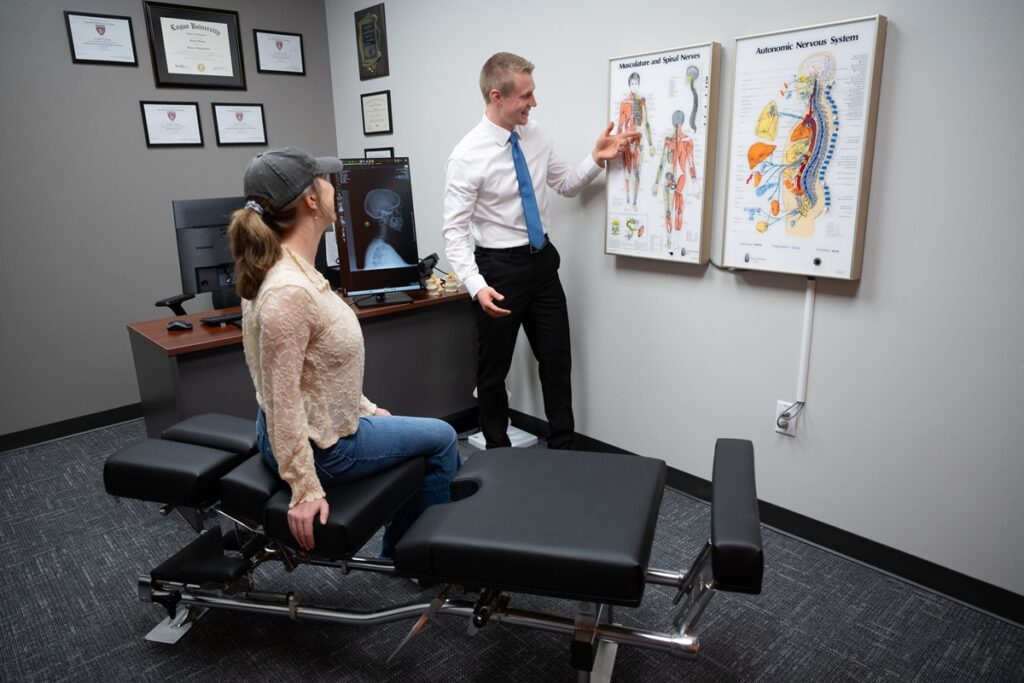

If you’ve experienced whiplash, you know how debilitating the symptoms can be. As a local chiropractor, I want to empower you to take charge of your recovery with natural techniques that promote healing and wellness. Whiplash can lead to neck pain, stiffness, and headaches, but there are effective ways to alleviate these symptoms without resorting to medications or invasive procedures.
One of the most beneficial techniques is to apply ice to the affected area in the first 48 hours after an injury. This can help reduce inflammation and numb the pain. After that initial period, switching to heat can provide soothing relief and promote blood flow to the area, aiding in healing.
In addition to ice and heat, gentle stretches can be incredibly helpful. Simple neck rolls and side-to-side movements can keep your muscles flexible. It’s essential to listen to your body and not push through pain; gentle stretching is about comfort, not strain.
Mindfulness practices, such as deep breathing or meditation, can also play a significant role in managing pain. Stress can exacerbate discomfort, so taking time to relax your mind can help you feel better overall.
Above all, chiropractic care is a powerful option for treating whiplash symptoms. A chiropractor can assess your spine and neck alignment, providing adjustments that can relieve pressure, enhance mobility, and promote natural healing. Regular chiropractic visits can help you regain strength and reduce the risk of future issues.
Remember, it’s crucial to consult with a healthcare professional who specializes in spinal health, like a chiropractor, to create a personalized recovery plan. By choosing chiropractic care, you’re opting for a natural approach to wellness that addresses the root of your pain.
Take control of your recovery journey with these tips, and consider chiropractic care as your go-to solution for pain relief and optimal health. Your body deserves the best care, and chiropractic can help you achieve a healthier, pain-free life.
Key Takeaways
- Start by applying ice to your neck for the first 24 to 48 hours after an injury. This helps reduce swelling and numbs pain, setting the stage for a quicker recovery.
- Incorporate gentle neck stretches, like tilts and rolls, into your daily routine. These movements help maintain flexibility and can alleviate discomfort, promoting a healthier neck.
- After the initial swelling has gone down, consider using heat therapy, such as a heating pad. This can help relax tight muscles and improve blood flow, aiding in healing.
- Remember to stay hydrated and practice good posture. This not only supports your overall health but also reduces strain on your neck, allowing for better healing and function.
- If you experience persistent pain, don’t hesitate to consult a chiropractor. Chiropractic care is a natural and effective way to address pain and promote overall wellness. Additionally, consider mindfulness techniques to help manage stress and support your emotional resilience during the recovery process.
By focusing on these natural methods and seeking chiropractic care, you can work towards alleviating whiplash symptoms and achieving optimal health.
Understanding Whiplash and Its Symptoms
When you’ve experienced a sudden jolt to your neck, such as during a car accident, you might be dealing with whiplash. This injury occurs when your head moves forward and then backward rapidly, straining the muscles and ligaments in your neck. Common symptoms include neck pain, stiffness, and headaches. Additionally, some people may experience dizziness, fatigue, or difficulty concentrating.
It’s important to recognize these signs, as they can significantly affect your daily life. You might find that tasks you once performed easily become challenging, and the discomfort could disrupt your sleep. Whiplash symptoms can appear right away or may develop a few days later, so it’s crucial to monitor how you’re feeling.
As a chiropractor, I want to emphasize that understanding whiplash is the first step toward managing your recovery. Chiropractic care is a natural and effective way to address whiplash injuries. By focusing on spinal alignment and restoring proper function to your neck, we can help alleviate pain and promote healing without the need for medications or invasive procedures.
Here are some general tips to support your recovery from whiplash:
- Apply Ice: In the first 24 to 48 hours after your injury, applying ice can help reduce swelling and numb the pain. Just be sure to use a cloth to protect your skin.
- Gentle Movement: While rest is important, gentle neck movements can help maintain flexibility. Simple neck stretches can aid in recovery but should be done cautiously.
- Stay Hydrated: Drinking plenty of water supports overall health and can help your body heal more effectively.
- Practice Good Posture: Maintaining proper posture helps reduce strain on your neck. Be mindful of how you sit and stand throughout the day.
- Consult with a Chiropractor: Seeking chiropractic care can provide you with personalized treatment to address your specific needs. A chiropractor can help restore your neck’s proper alignment, relieve pain, and get you back to your normal activities.
If you notice any troubling signs or your symptoms persist, it’s essential to consult with a healthcare professional who understands the benefits of chiropractic care. By taking these steps, you can support your body’s natural healing process and work towards optimal health.
The Importance of Rest and Recovery
Rest and recovery are vital components in healing from whiplash, as your body needs time to repair the strained muscles and ligaments in your neck. When you prioritize rest, you allow inflammation to decrease and promote effective healing. While it may be tempting to jump back into your regular activities, pushing yourself too soon can actually prolong your recovery process.
As your local chiropractor, I want to emphasize the importance of a holistic approach to recovery, which includes not just rest, but also supportive practices that enhance your healing journey. Here’s a simple table outlining different aspects of rest and recovery that can help guide you:
| Aspect | Importance | Tips |
|---|---|---|
| Sleep Quality | Enhances healing processes | Create a calming bedtime routine to unwind, ensuring a restful night’s sleep. |
| Hydration | Supports muscle recovery | Drink plenty of water throughout the day to keep your body hydrated and support healing. |
| Mindfulness | Reduces stress and pain perception | Incorporate deep breathing exercises or meditation to manage stress and improve your overall wellbeing. |
| Activity Level | Prevents further injury | Pay attention to your body’s signals. A gentle approach to movement can aid recovery without causing strain. |
| Support System | Aids emotional well-being | Don’t hesitate to reach out to friends or family for support; emotional wellness is just as important as physical recovery. |
In addition to these tips, consider incorporating chiropractic care into your recovery plan. Chiropractic adjustments can help to restore proper alignment and function to your spine, which may alleviate tension and discomfort in your neck. By focusing on natural healing methods, you can enhance your recovery process and work towards achieving optimal health. Remember, your body has an incredible ability to heal itself when given the right tools and support.
Gentle Stretches to Relieve Neck Tension
To ease neck tension, incorporating gentle stretches isn’t only beneficial but can also complement your chiropractic care. Simple neck tilt exercises and shoulder rolls can promote relaxation and enhance flexibility, making a noticeable difference in your recovery journey.
As a chiropractor, I emphasize the importance of natural healing and maintaining optimal spinal health. These stretches can help alleviate discomfort, but they’re most effective when paired with regular chiropractic adjustments. Adjustments can realign your spine, relieve pressure on nerves, and improve your overall well-being.
Here are some easy techniques you can try at home:
- Neck Tilts: Sit or stand up straight. Slowly tilt your head to one side, bringing your ear toward your shoulder. Hold for a few seconds, then switch sides. This stretch helps release tension in the neck muscles.
- Shoulder Rolls: While sitting or standing, roll your shoulders up toward your ears and then back down in a circular motion. Repeat this several times. Shoulder rolls help improve circulation and ease tightness in the upper back.
Incorporating these gentle stretches into your daily routine can significantly contribute to your neck health.
Neck Tilt Exercises
When dealing with whiplash symptoms, incorporating neck tilt exercises into your daily routine can be a fantastic way to relieve tension and enhance mobility. As a chiropractor, I advocate for these natural, gentle methods to help your body heal without the need for medications or invasive procedures.
Begin by finding a comfortable position, whether sitting or standing. Gently tilt your head toward your right shoulder, allowing the left side of your neck to stretch. Hold this position for 15-30 seconds, and then return to the center. After that, do the same on your left side. This simple movement can help alleviate tightness and promote better range of motion.
Next, slowly tilt your head forward, bringing your chin toward your chest. This stretch helps to relax the muscles along the back of your neck. Hold this position for another 15-30 seconds.
Finally, carefully tilt your head back, gazing up at the ceiling, and hold for the same duration. These exercises should be performed 2-3 times a day for optimal results.
While doing these exercises, remember to breathe deeply and avoid any sudden movements. Gentle consistency is vital in your journey to feeling better.
Additionally, consider integrating regular chiropractic care into your routine. Chiropractic adjustments can significantly enhance your recovery by realigning your spine and improving your overall health. Embrace these natural methods to achieve lasting wellness and relief!
Shoulder Rolls Technique
In addition to neck tilt exercises, incorporating shoulder rolls into your routine can significantly relieve neck tension and enhance your overall mobility.
As a chiropractor, I often emphasize the importance of gentle, natural techniques for promoting wellness.
To perform shoulder rolls, begin by sitting or standing up straight. Take a deep breath in, and as you inhale, lift your shoulders up towards your ears. Then, as you exhale, roll them back and down in a smooth and controlled motion. Aim to repeat this sequence 5 to 10 times.
For added relief, you can also reverse the direction, rolling your shoulders forward. This simple technique effectively releases built-up tension in your neck and shoulders, fostering relaxation.
It’s important to execute these movements gently to avoid strain. Regular practice of shoulder rolls can improve blood circulation and flexibility, supporting your body’s natural healing processes.
Integrating this into your daily routine can be a valuable part of your whiplash recovery strategy and overall health journey.
Remember, chiropractic care is an excellent choice for achieving optimal health and wellness. By focusing on natural healing methods like shoulder rolls, you can empower your body to experience relief and vitality without the need for medications or invasive procedures.
Embrace these simple techniques, and you’ll be on your way to a more relaxed and healthier you!
The Role of Physical Therapy in Healing
Chiropractic care is a vital approach to alleviating whiplash symptoms and supporting your body’s natural healing process. When you visit a chiropractor, they’ll assess your condition and develop a personalized treatment plan focused on restoring your mobility and reducing pain without the need for medications or invasive procedures.
Chiropractors utilize spinal adjustments and hands-on techniques that help improve flexibility and decrease muscle tension. These gentle adjustments can promote better alignment of the spine, which is crucial for optimal function and pain relief.
As you engage in chiropractic sessions, you’ll find that your range of motion improves, allowing you to return to your daily activities with greater ease. Your chiropractor will also educate you on proper posture and body mechanics to help prevent future injuries. This knowledge equips you with the tools to take charge of your health and wellness.
In addition to spinal adjustments, chiropractors can offer advice on lifestyle changes and exercises that support your recovery and overall well-being. Simple tips like maintaining a healthy diet, staying hydrated, and incorporating gentle stretching into your routine can make a significant difference in how you feel.
Committing to chiropractic care not only speeds up your healing but empowers you to feel stronger and more capable as you move forward in life.
Alternative Therapies for Whiplash Relief
When looking for ways to relieve whiplash, chiropractic care stands out as an effective and natural option that can support your recovery. As a chiropractor, I want to emphasize the importance of spinal health in achieving overall wellness. Whiplash often results from the sudden movement of the head and neck, which can lead to misalignments in the spine.
Through targeted spinal adjustments, chiropractors can help restore proper alignment, reduce pain, and improve mobility, allowing your body to heal more effectively.
In addition to chiropractic adjustments, gentle stretching and exercises can be incredibly beneficial. Simple neck stretches and movements can enhance flexibility and reduce muscle tension. Remember to listen to your body and avoid any movements that cause discomfort.
Incorporating regular gentle exercise into your routine can also promote circulation, aiding in your recovery.
While some people explore acupuncture or massage therapy, chiropractic care focuses directly on the root of the problem—your spine. This approach not only addresses current discomfort but also helps prevent future issues.
Another natural way to support your healing is by maintaining a healthy diet. Foods rich in anti-inflammatory properties, like turmeric and ginger, can help reduce pain. Staying hydrated is also essential for muscle recovery.
In summary, if you’re seeking relief from whiplash, consider prioritizing chiropractic care. By addressing spinal alignment and incorporating gentle movements and a healthy lifestyle, you can take meaningful steps toward recovery and optimal health.
Utilizing Heat and Cold Therapy
When dealing with whiplash, incorporating heat and cold therapy can significantly alleviate your discomfort. As a chiropractor, I often recommend these techniques to my patients because they’re effective and natural methods for pain relief.
Heat therapy is wonderful for relaxing tight muscles. It increases blood flow to the affected area, which can help reduce muscle tension and promote a sense of relaxation. On the other hand, cold therapy is great for minimizing inflammation and numbing any pain you may be experiencing. It can be particularly useful right after an injury to help control swelling.
By combining these two therapies, you can enhance your relief and support your body’s natural healing processes. Here are a few tips for using heat and cold therapy effectively:
- Heat Application: Use a heating pad or a warm towel on the affected area for about 15-20 minutes. Always make sure it’s warm, not too hot, to avoid burns.
- Cold Application: Use an ice pack or a bag of frozen vegetables wrapped in a towel for about 10-15 minutes. This can help reduce swelling, especially in the first 48 hours after your injury.
- Alternate Between Heat and Cold: After the initial injury phase, you can alternate between heat and cold. For example, use heat for 20 minutes, then cold for 15 minutes. This can help manage both pain and inflammation effectively.
- Listen to Your Body: Pay attention to how your body responds. If you find that one method seems to work better for you than the other, feel free to adjust your routine accordingly.
Remember, while heat and cold therapy can be beneficial, chiropractic care is the best choice for addressing the root cause of your pain and promoting overall wellness.
A chiropractor can provide personalized treatment plans to help you recover from whiplash and improve your spinal health. If you’re experiencing discomfort, consider reaching out to a local chiropractor for a comprehensive evaluation and treatment plan tailored to your needs. Your journey to optimal health starts with taking proactive steps towards natural healing!
Benefits of Heat Therapy
While managing whiplash symptoms, incorporating heat therapy into your routine can provide significant relief and support your recovery. As a chiropractor, I want to emphasize how beneficial heat therapy can be in enhancing your overall wellness. Here’s how it works and the advantages you can enjoy:
- Improved Circulation: Applying heat encourages blood flow, which is crucial for healing. It brings essential nutrients to the injured tissues, helping them recover more quickly.
- Muscle Relaxation: The warmth from heat therapy helps to ease tightness and stiffness in your muscles. This not only alleviates discomfort but also improves your range of motion, making it easier for you to move freely.
- Pain Relief: Heat has a soothing effect that can help diminish the pain signals your brain receives. This natural form of relief allows you to feel more comfortable while you heal.
For effective heat therapy, consider using a hot water bottle, a heating pad, or a warm towel. Just remember to apply the heat for 15-20 minutes at a time, ensuring that you protect your skin from burns.
As a chiropractor, I believe in the power of natural healing methods like heat therapy, and I encourage you to explore how chiropractic care can complement this approach.
Through regular adjustments and personalized care, we can work together to improve your spine health, enhance your body’s natural healing capabilities, and help you achieve optimal wellness.
Cold Therapy Techniques
Incorporating cold therapy into your recovery plan can be a powerful ally in managing whiplash symptoms, complementing the benefits of chiropractic care. Cold therapy helps reduce inflammation, numb pain, and constrict blood vessels, all of which can alleviate discomfort in your neck and back.
To effectively utilize cold therapy, you can easily use ice packs or even frozen vegetables wrapped in a towel to protect your skin. Apply the cold source for 15-20 minutes at a time, several times a day, especially during the first 48 hours after your injury.
It’s important to listen to your body; if you find that the cold causes increased pain or discomfort, remove the cold pack right away. Remember to take breaks between applications to prevent skin damage, as your skin needs time to recover.
While cold therapy can be beneficial, don’t forget the importance of seeking chiropractic care for a holistic approach to your healing. Chiropractors can help realign your spine, improve mobility, and address the root cause of your pain, enhancing your overall recovery process.
As a general tip, combining cold therapy with gentle stretches and maintaining good posture can further support your healing journey. By embracing these natural methods alongside chiropractic care, you can promote healing from whiplash and move towards optimal health.
Combining Heat and Cold
Cold therapy plays a crucial role in an effective recovery strategy for whiplash, but when combined with heat therapy, it can significantly enhance your healing process. Cold therapy is excellent for reducing inflammation, while heat therapy promotes blood flow and helps relax tight muscles.
As your local chiropractor, I want to share some simple and effective ways to use both therapies for optimal recovery:
- Start with cold therapy: Begin by applying ice packs to the affected area for about 15-20 minutes. This helps manage swelling and numbs the pain, giving you some immediate relief.
- Transition to heat therapy: After a few days of using cold therapy, switch to a warm towel or a heating pad. This will help soothe tight muscles and improve circulation, which is vital for healing.
- Alternate treatments: For maximum relief, alternate between heat and cold every few hours. This back-and-forth can help control pain and promote healing effectively.
Remember, these therapies aren’t just for temporary relief; they can support your overall recovery journey.
Pairing these treatments with regular chiropractic care can help address the root causes of your pain and promote long-term wellness. If you’re looking for a natural, drug-free way to enhance your recovery, consider incorporating chiropractic adjustments into your routine. Your body will thank you for it!
Over-the-Counter Pain Relief Options
When you’re experiencing whiplash, finding effective relief is essential. While many people often turn to over-the-counter medications, I encourage you to consider the benefits of chiropractic care as a natural and holistic approach to healing.
Chiropractic care focuses on restoring proper alignment to the spine and supporting overall wellness, which can be particularly effective for whiplash injuries. Instead of relying on pain relievers like ibuprofen or naproxen that merely mask the pain, a chiropractor can help address the root cause of your discomfort by realigning your spine and reducing inflammation naturally.
If you’re looking for non-pharmaceutical approaches to manage your symptoms, here are some tips to consider:
- Gentle Stretching: Incorporate gentle neck stretches into your routine to improve mobility and reduce stiffness. This can help alleviate tension and promote healing.
- Hot and Cold Therapy: Applying a warm compress can relax tense muscles, while cold packs can help reduce inflammation. Alternating between the two can provide relief and support recovery.
- Hydration and Nutrition: Staying hydrated and eating a balanced diet rich in anti-inflammatory foods can aid the healing process. Consider incorporating fruits, vegetables, and healthy fats into your meals.
- Mind-Body Techniques: Practices such as yoga and meditation can help reduce stress and promote relaxation, which may ease muscle tension related to whiplash.
- Chiropractic Adjustments: Regular visits to a chiropractor can provide long-term relief and help restore your body’s natural balance. Chiropractic adjustments can enhance your body’s ability to heal itself and improve overall function.
Always remember, while over-the-counter options can provide temporary relief, they don’t address the underlying issues. Consulting with a chiropractor can set you on the path to recovery, helping you regain your comfort and well-being naturally.
Embrace the power of chiropractic care as a holistic solution for whiplash and overall health!
Mindfulness and Relaxation Techniques
Practicing mindfulness and relaxation techniques can significantly aid your recovery from whiplash by reducing stress and promoting healing.
These methods not only help you focus your mind but also release tension, contributing to your overall well-being. Here are some effective techniques that you can easily incorporate into your daily routine to support your healing journey:
- Deep Breathing: Begin by taking slow, deep breaths. Inhale deeply through your nose, letting your abdomen expand, and then exhale gently through your mouth. This simple practice calms your nervous system and can help ease pain, making it a perfect complement to your chiropractic care.
- Progressive Muscle Relaxation: This technique involves tensing and then relaxing each muscle group in your body, starting from your toes and working your way up to your head. By doing this, you can release physical tension that may be contributing to your discomfort.
- Meditation: Spend a few minutes each day in a quiet spot, focusing on your breath or repeating a calming word or phrase. Meditation can enhance your emotional resilience, making it easier to cope with the challenges of recovery.
Incorporating these practices into your daily routine can make a significant difference in managing your whiplash symptoms.
Coupled with regular chiropractic adjustments, these techniques can help you achieve better alignment, reduced pain, and improved mobility, allowing your body to heal naturally.
When to Seek Professional Help
How can you tell if your whiplash symptoms need professional attention? If you’re experiencing severe pain that doesn’t ease up with home care, it’s a good idea to consult a chiropractor.
Look out for other warning signs, such as ongoing headaches, dizziness, or blurred vision. If you feel tingling or numbness in your arms or hands, these may suggest nerve involvement, and it’s important to seek a professional evaluation.
If your symptoms are affecting your daily activities or seem to be getting worse, getting help is crucial. A chiropractor can assess your condition and offer natural treatment options, such as spinal adjustments and therapeutic exercises, to help you find relief and promote healing.
Remember, emotional well-being is just as important. Feelings of anxiety or depression related to your injury can impact your recovery, and addressing these with a holistic approach can be beneficial.
Listen to your body—if something doesn’t feel right or you’re unsure, it’s always wise to reach out for guidance. A professional opinion can help create a tailored recovery plan, allowing you to regain your normal life more quickly and naturally.
As a general tip, incorporating gentle stretches and staying hydrated can support your healing process at home.
Prioritizing your spinal health is key to achieving optimal wellness!
Conclusion
Incorporating these techniques can significantly help alleviate your whiplash symptoms while prioritizing your overall wellness. As a chiropractor, I emphasize the importance of combining rest with gentle stretches to promote healing and comfort. Using heat therapy for muscle relaxation and cold therapy to reduce inflammation can be incredibly beneficial.
Don’t underestimate the power of mindfulness and maintaining proper posture in your recovery journey. These practices can not only aid in alleviating pain but also contribute to your overall spinal health. Additionally, chiropractic care is an excellent option for addressing whiplash symptoms, as it focuses on restoring proper alignment and function to your spine, allowing your body to heal naturally.
If your symptoms persist or worsen, I encourage you to seek chiropractic care. A trained chiropractor can provide personalized treatment plans designed to address your specific needs and help you regain your quality of life. Remember, healing takes time, so be patient with yourself as you work towards feeling better. Your well-being is worth the effort, and with the right approach, you can achieve optimal health naturally!