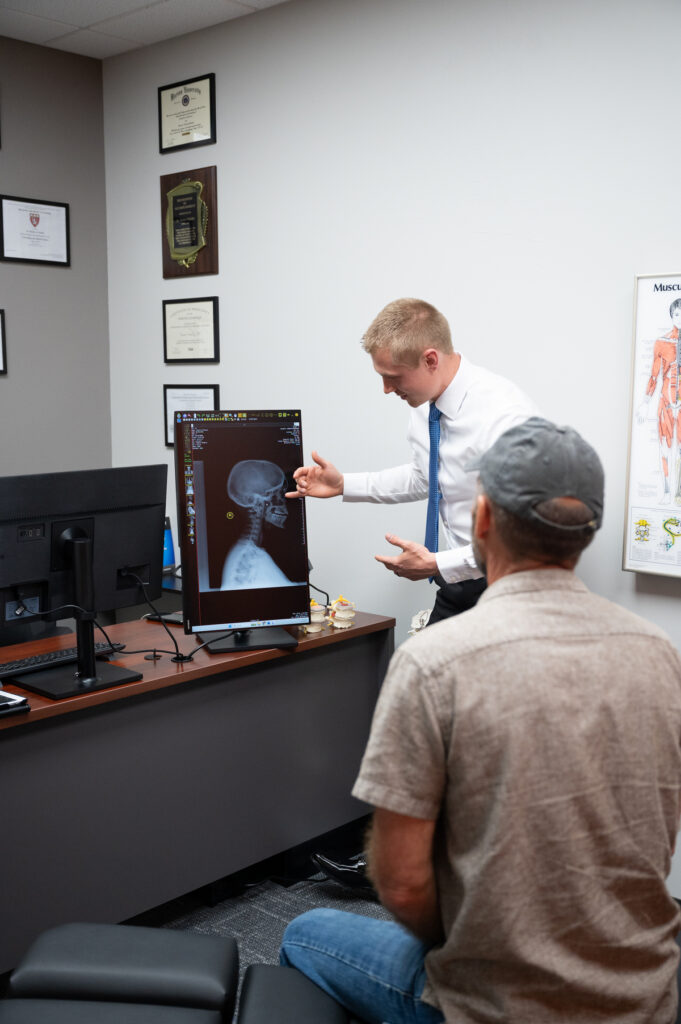
When it comes to alleviating migraines, understanding your personal triggers and the underlying causes is crucial. As a chiropractor, I believe that small lifestyle changes can make a significant difference in your overall wellness and migraine experience. Simple adjustments to your sleep patterns and diet can greatly impact how your body responds to stress and tension.
In addition to these basics, incorporating chiropractic care into your routine can provide natural relief from migraines. Chiropractic adjustments help align your spine, reduce nerve tension, and promote better blood flow, all of which can alleviate migraine symptoms and improve your overall health.
Stress management is another key factor. Techniques such as deep breathing exercises, yoga, or meditation can help keep stress levels in check. Furthermore, alternative therapies like massage and acupuncture can complement chiropractic care and enhance your healing journey.
Are you ready to discover effective methods that could transform your approach to managing migraines? By focusing on natural solutions, including regular chiropractic visits, you can take charge of your health and work towards a life with fewer migraines and greater wellness. Remember, every detail counts—so make sure to prioritize your spine health and overall well-being!
Key Takeaways
- To help manage migraines effectively, it’s essential to maintain a consistent sleep schedule. This not only regulates your internal clock but also minimizes migraine triggers, allowing your body to function optimally. Remember, a well-rested body is better equipped to handle stress and discomfort.
- Staying hydrated is crucial for overall health, especially for migraine prevention. Aim to drink at least eight glasses of water daily. Dehydration can lead to headaches, so keeping your body hydrated supports not just your spinal health but your entire well-being.
- Understanding your body’s reactions to certain foods can be beneficial. Consider keeping a food diary to identify any dietary triggers. By focusing on fresh, whole foods rather than processed items, you can nourish your body and reduce the likelihood of migraines. This approach aligns perfectly with a holistic lifestyle that chiropractic care promotes.
- Managing stress is vital for reducing the frequency and severity of migraines. Incorporate relaxation techniques into your daily routine, such as yoga, meditation, and deep breathing exercises. These practices not only alleviate tension but also complement chiropractic care, enhancing your overall wellness journey.
- Creating a serene and organized environment can significantly decrease stress levels. By reducing clutter and noise around you, you set the stage for relaxation, which is essential in minimizing migraine onset. Pairing this with regular chiropractic adjustments can further enhance your physical and mental well-being.
By integrating these simple yet effective strategies into your life, you can take a proactive approach to managing migraines. Remember, chiropractic care is a powerful ally in your quest for optimal health and natural pain relief.
Understanding Migraines: Causes and Symptoms
Understanding Migraines: Causes and Symptoms
When you experience a migraine, it’s important to recognize what’s going on in your body. Migraines aren’t just ordinary headaches; they’re complex neurological events that can cause significant discomfort. During a migraine, the blood vessels in your brain can expand and become inflamed, leading to intense pain. You may also notice additional symptoms such as nausea, light sensitivity, or visual disturbances.
There are various factors that can lead to the onset of a migraine. Hormonal changes, stress, and certain foods can play a significant role. Some people even experience a prodrome phase, where subtle signals like mood changes or fatigue occur before the pain starts.
Understanding these causes and symptoms can empower you to recognize when a migraine is on the horizon. By identifying your unique patterns, you can be better prepared to manage the pain. One effective way to address migraines and enhance your overall well-being is through chiropractic care.
Chiropractic adjustments can help align your spine, which may reduce nerve irritability and improve blood flow. This natural approach not only targets the root causes of migraines but also promotes general health and wellness.
Here are some tips to help you manage migraine symptoms:
- Stay Hydrated: Dehydration can be a trigger for migraines, so make sure you’re drinking enough water throughout the day.
- Maintain a Regular Sleep Schedule: Consistent sleep patterns can help reduce the frequency of migraines.
- Practice Stress Management: Techniques such as deep breathing, yoga, or meditation can help alleviate stress, which is a common trigger.
- Consider Regular Chiropractic Care: Regular visits to a chiropractor can help keep your spine aligned and contribute to overall wellness.
Identifying Triggers: What to Look For
To manage your migraines effectively, it’s essential to identify what triggers them. Many factors can contribute to headaches, including environmental changes, food choices, and stress levels. By becoming aware of these triggers, you can take proactive steps towards relieving your symptoms and enhancing your overall well-being.
One of the best ways to address these triggers is through chiropractic care. Regular chiropractic adjustments can help ensure that your spine is aligned, which can improve your nervous system function and reduce the frequency and intensity of migraines. When your body is in proper alignment, it can handle stress better, which is crucial since stress is a common migraine trigger.
Moreover, consider keeping a migraine diary to track what you eat, your activity levels, and any environmental factors that might coincide with your headaches. This can help you identify patterns and adjust your lifestyle accordingly. Simple practices like staying hydrated, maintaining a balanced diet, and incorporating relaxation techniques—such as deep breathing or gentle stretching—can also support your health.
Common Environmental Factors
While many factors can trigger migraines, it’s essential to recognize common environmental elements that often go unnoticed. By paying attention to your surroundings, you may find valuable insights that can help alleviate your pain and promote overall wellness.
Bright or flickering lights, such as those from fluorescent bulbs, can strain your eyes and potentially spark a migraine. Opting for softer, natural lighting where possible can create a more soothing environment.
Excessive noise, from loud music to construction sounds, can also contribute to discomfort. Consider using earplugs or noise-canceling headphones to create a quieter space for relaxation.
Weather changes, like sudden shifts in temperature or humidity, can trigger migraine attacks for some individuals. While we can’t control the weather, being mindful of how it affects your body can help you prepare.
Strong odors from perfumes or cleaning products may also be problematic, so consider using natural alternatives that are less likely to provoke your symptoms.
By identifying these common triggers, you can take steps to modify your environment, potentially reducing the frequency of your migraines. Keeping a migraine diary can be an excellent tool for tracking patterns and pinpointing which elements affect you most.
Additionally, incorporating chiropractic care into your wellness routine can provide significant benefits for those suffering from migraines. A chiropractor can help improve spinal alignment and reduce tension, which may contribute to your headaches.
Regular adjustments can promote better overall health, leading to fewer migraine occurrences and a greater sense of well-being.
Dietary Influences to Consider
Understanding how your diet influences migraines is essential for managing your symptoms effectively. As a local chiropractor, I believe that holistic approaches, including dietary choices, can play a significant role in achieving optimal health and wellness. You might be surprised to learn how certain foods can either trigger or help alleviate your headaches. Keeping a food diary can be a helpful tool in identifying patterns between what you eat and when your migraines occur.
Here’s a quick reference table of common dietary triggers and healthier alternatives that can support your overall wellness:
| Trigger Foods | Healthier Alternatives |
|---|---|
| Aged cheeses | Fresh cheeses |
| Processed meats | Fresh meats |
| Chocolate | Carob or fruits |
| Caffeinated drinks | Herbal teas |
Incorporating these alternatives can not only help you manage migraines but also promote a healthier lifestyle overall. Remember, while dietary adjustments can be beneficial, regular chiropractic care is a fantastic way to support your body’s natural healing processes and achieve pain relief. By focusing on your spine and overall wellness, you can enhance your health and potentially reduce the frequency and severity of migraines. Always consult with a healthcare professional about the best strategies for your individual needs, and consider how chiropractic care can be a vital component of your health journey.
Stress and Lifestyle Changes
Identifying stress and lifestyle changes that can trigger migraines is key for effective management, and chiropractic care can play a vital role in this process.
Start by tracking your daily habits, such as your sleep patterns, diet, and exercise routine. Make a note of any stressful situations you face, like work deadlines, family conflicts, or financial worries. These stressors often lead to tension headaches or can make migraine episodes worse.
Be mindful of your caffeine intake; both excessive consumption and sudden withdrawal can lead to headaches. Irregular meal times can also cause low blood sugar, which may trigger migraines. By recognizing these patterns, you can make necessary adjustments to your lifestyle.
Consider incorporating relaxation techniques like yoga or meditation into your routine to help manage stress effectively. These practices not only promote relaxation but also support spinal health, which is crucial for overall wellness. Regular chiropractic adjustments can help keep your spine aligned, reducing tension and improving your body’s resilience to stress.
Taking a proactive approach to your lifestyle choices can significantly decrease the frequency and intensity of your migraines. By focusing on natural healing methods, like chiropractic care, you can achieve optimal health and well-being without relying on medications or surgeries.
Lifestyle Changes to Reduce Migraine Frequency
Making simple lifestyle changes can significantly reduce the frequency of migraines for many individuals. One essential step is to establish a consistent sleep schedule. Going to bed and waking up at the same time each day helps regulate your body’s internal clock, which can help minimize migraine triggers. Additionally, managing stress is crucial. Regular exercise or mindfulness practices such as yoga or meditation can promote relaxation and reduce tension that often leads to migraines. These activities not only improve your overall health but also support the alignment of your spine, which plays a key role in overall wellness.
Staying hydrated throughout the day is also vital, as dehydration is a common trigger for migraines. Limiting caffeine and alcohol intake can help maintain better sleep quality and prevent headaches. Furthermore, creating a calm and organized environment can lower stress levels; clutter and noise can exacerbate tension.
Remember to take regular breaks from screens to ease eye strain, which can contribute to discomfort. By incorporating these lifestyle changes, you can foster a more migraine-friendly routine and enhance your overall well-being.
As a chiropractor, I encourage you to consider chiropractic care as a natural and effective option for pain relief and wellness. Through spinal adjustments and holistic approaches, chiropractic care can help alleviate tension, improve sleep, and promote better health. By prioritizing these practices, you can achieve optimal health and reduce the occurrence of migraines, all while embracing a natural path to wellness.
Dietary Adjustments for Migraine Relief
You might be surprised to learn that what you eat can significantly influence how often and how intensely you experience migraines. As a chiropractor, I believe in the power of natural healing and wellness, and making thoughtful dietary adjustments can play a big role in managing your migraines. Here are four key changes to consider:
- Stay Hydrated: Make sure to drink plenty of water throughout the day. Dehydration can be a major trigger for migraines, so aim for at least eight glasses daily to keep your body and mind functioning optimally.
- Identify Food Triggers: Keeping a food diary can help you uncover potential migraine triggers, such as aged cheeses, processed meats, or alcohol. By avoiding these foods, you may reduce the frequency of your migraine episodes.
- Regular Meals are Key: Eating at consistent times helps stabilize your blood sugar levels, which is important for overall health and can help prevent headaches. Skipping meals can lead to a drop in blood sugar, potentially resulting in migraines.
- Incorporate Omega-3 Fatty Acids: Foods rich in omega-3s, like salmon and walnuts, can reduce inflammation in the body. Including these foods in your diet may help alleviate migraine symptoms and support overall wellness.
Remember, while dietary changes can be beneficial, chiropractic care is also an excellent way to support your health and manage pain naturally. Regular chiropractic adjustments can help ensure your nervous system is functioning optimally, which can contribute to reducing the frequency and intensity of migraines.
Stress Management Techniques
Managing stress is crucial for alleviating the frequency and intensity of migraines, and chiropractic care can play a key role in achieving this. By incorporating chiropractic adjustments into your wellness routine, you can improve your spinal alignment and nervous system function, which may help reduce stress and tension in your body.
To complement your chiropractic care, consider practicing deep breathing exercises. Inhale slowly through your nose and exhale through your mouth to help calm your mind. Mindfulness meditation, even for just a few minutes each day, can center your thoughts and release built-up tension.
Engaging in physical activity, such as a brisk walk, is another effective way to manage stress. Movement not only promotes spinal health but also releases endorphins that can elevate your mood.
Journaling is a wonderful tool for expressing your feelings and identifying sources of stress. Make time for hobbies and relaxation, whether that’s reading or listening to music, to create a balanced lifestyle.
Don’t forget the importance of support. Reach out to friends, family, or a professional therapist if you need someone to talk to. By prioritizing these stress management strategies alongside your chiropractic care, you can empower yourself to cope better with migraines and enhance your overall well-being naturally. Remember, chiropractic care is a safe and effective way to manage pain and promote a healthier life!
The Role of Hydration in Migraine Prevention
Staying properly hydrated is crucial for preventing migraines, and as a chiropractor, I want to emphasize how important hydration is for your overall health and wellness. When you don’t drink enough water, dehydration can lead to painful headaches, including migraines. By prioritizing your water intake, you not only support your body’s natural functions but also help reduce the risk of migraine episodes.
Incorporating hydration into your daily routine is simple and can have a significant impact on your well-being. Here are a few tips to ensure you stay hydrated:
- Set a Daily Goal: Aim for at least eight glasses of water a day. You can adjust this based on your activity level and climate.
- Carry a Water Bottle: Keep a reusable water bottle with you throughout the day. This makes it easier to sip water regularly and helps you keep track of your intake.
- Infuse Your Water: If plain water isn’t appealing, try adding slices of fruits like lemon or cucumber for a refreshing twist.
- Eat Water-Rich Foods: Incorporate fruits and vegetables that have high water content, such as watermelon, cucumbers, and oranges, into your diet. They contribute to your overall hydration.
- Listen to Your Body: Pay attention to signs of dehydration, such as dry mouth or fatigue. If you feel these symptoms, make it a priority to hydrate.
Remember, alongside proper hydration, chiropractic care can play a vital role in managing migraine pain. By ensuring your spine is aligned and your nervous system is functioning optimally, you can help your body cope better with stressors that may trigger migraines.
Regular chiropractic adjustments not only promote spinal health but also enhance overall wellness, allowing you to live a healthier, pain-free life.
Take these simple steps to stay hydrated and consider incorporating chiropractic care into your wellness routine for a holistic approach to migraine prevention and overall health!
Importance of Water Intake
Hydration is a vital component of overall health and can play a significant role in migraine prevention. As a chiropractor, I want to emphasize the importance of staying properly hydrated not just for your well-being, but also for managing pain and discomfort. Here are four key reasons why water intake is essential, especially when considering natural approaches to health:
- Promotes Healthy Blood Flow: When you’re adequately hydrated, your body can maintain proper circulation. This means that oxygen and nutrients can effectively reach your brain and spinal cord, which can help reduce the likelihood of migraines.
- Helps Regulate Body Temperature: Staying cool is crucial for preventing heat-related triggers that may lead to migraines. Proper hydration assists your body in regulating its temperature, keeping you comfortable and less prone to discomfort.
- Aids Digestive Health: Drinking enough water supports healthy digestion. A well-functioning digestive system means less discomfort, which can be a trigger for migraines. By focusing on hydration, you can help keep your digestive system running smoothly.
- Enhances Mood and Focus: Well-hydrated individuals often experience improved mood and cognitive function. This clarity can help you stay resilient against common migraine triggers, allowing you to manage stress better.
Incorporating hydration into your daily routine is a simple yet effective way to support your overall wellness. Remember to drink water consistently throughout the day—keeping a water bottle handy can help you stay on track.
If you’re struggling with migraines or any discomfort, consider visiting your local chiropractor. They can provide natural strategies to alleviate pain and promote a healthier lifestyle, free from the need for medications or surgeries. Your journey to optimal health starts with simple changes—like staying hydrated!
Dehydration Triggers Migraines
Dehydration can trigger a series of reactions in your body that may lead to migraines, making it essential to stay hydrated for your overall health. When your body doesn’t have enough water, it can affect blood flow and oxygen to the brain, resulting in headaches. Even mild dehydration can impact your well-being and increase your chances of experiencing migraines.
As a chiropractor, I emphasize the importance of hydration in maintaining not just spinal health but overall wellness. To help prevent migraines, make it a habit to drink plenty of water throughout the day, especially during hot weather or while engaging in physical activity. Listen to your body; if you’re feeling thirsty, that’s a clear signal that it’s time to hydrate.
In addition to drinking water, incorporating hydrating foods such as fruits and vegetables into your diet can support your fluid balance. These natural options not only keep you hydrated but also provide essential nutrients that benefit your body and spine.
Staying well-hydrated is a simple yet powerful way to reduce the frequency and severity of migraines. Remember, chiropractic care can also play a pivotal role in your journey to optimal health by addressing spinal alignment and improving overall body function. By combining proper hydration with regular chiropractic check-ups, you can work towards a healthier, pain-free life.
Medical Treatments: Over-the-Counter and Prescription Options
When migraines strike, finding effective relief is essential, and there are many approaches you can explore. While medications like over-the-counter pain relievers or prescriptions may come to mind, I want to share how chiropractic care can play a pivotal role in managing migraines naturally.
- Chiropractic Adjustments: Regular spinal adjustments can help relieve tension in your neck and spine, which are often linked to migraine triggers. By aligning your spine, you may experience fewer and less intense migraines.
- Lifestyle Changes: Maintaining a healthy lifestyle can significantly reduce the frequency of migraines. This includes proper hydration, a balanced diet rich in whole foods, and regular exercise. These changes support overall wellness and can help keep migraines at bay.
- Stress Management: High stress levels can contribute to migraine onset. Incorporating relaxation techniques such as deep breathing, yoga, or meditation into your routine can help lower stress and reduce the likelihood of migraines.
- Posture Awareness: Poor posture can lead to muscle tension in your neck and shoulders, which may trigger migraines. Be mindful of your posture while sitting or working, and take breaks to stretch and move around.
- Sleep Hygiene: Aim for consistent sleep patterns and create a calming bedtime routine. A good night’s sleep is crucial for preventing migraines and promoting overall health.
While it’s always a good idea to consult with a healthcare provider about your specific needs, embracing chiropractic care and these natural strategies can empower you to take charge of your health and reduce the impact of migraines on your life.
Alternative Therapies: Acupuncture and Herbal Remedies
If you’re seeking effective ways to manage migraines without relying on traditional medicine, consider exploring chiropractic care alongside alternative therapies like acupuncture and herbal remedies. Chiropractic care focuses on spinal health and alignment, which can significantly impact your overall wellness and reduce headache frequency and intensity.
Many patients experience relief from migraines through regular chiropractic adjustments that help align the spine, improve nerve function, and enhance blood flow. This natural approach not only addresses the root causes of headaches but also promotes overall health and wellness.
In addition to chiropractic treatments, some people find acupuncture beneficial in alleviating pain, while certain herbal remedies can support your body’s natural healing processes. However, it’s important to prioritize chiropractic care as a foundational part of your wellness routine.
Here are some tips to help manage migraines and support your overall health:
- Stay Hydrated: Drink plenty of water throughout the day to keep your body hydrated.
- Maintain Good Posture: Pay attention to your posture while sitting or standing, as poor alignment can contribute to headaches.
- Manage Stress: Practice relaxation techniques such as meditation or deep breathing exercises to reduce stress levels, which can trigger migraines.
- Get Regular Chiropractic Adjustments: Schedule regular visits to your chiropractor to maintain spinal health and prevent headaches.
Benefits of Acupuncture
Migraines can be incredibly challenging to deal with, but as a local chiropractor, I want to share how natural methods, particularly chiropractic care, can help you find relief and promote better overall health.
- Pain Relief: Chiropractic adjustments focus on aligning the spine and alleviating tension in the body. This can reduce the frequency and intensity of migraine pain, allowing you to enjoy your daily life more fully.
- Enhanced Circulation: Proper spinal alignment can improve blood flow throughout your body, which may help in reducing migraine triggers and symptoms.
- Stress Reduction: Chiropractic care promotes relaxation and can help manage stress levels. Since stress is a common trigger for migraines, regular adjustments can assist in keeping you calm and centered.
- Natural Healing: Unlike medications, chiropractic care works with your body’s natural healing ability. It’s a safe, drug-free approach to managing pain without the risk of side effects associated with pharmaceuticals.
Incorporating chiropractic care into your wellness routine can be a game-changer for managing migraines. Along with adjustments, consider practicing good posture, staying hydrated, and managing stress through techniques like deep breathing or meditation.
Together, these practices can help you achieve optimal health and reduce the likelihood of migraine occurrences. Remember, your spine plays a crucial role in your overall well-being, so take care of it!
Effective Herbal Remedies
Herbal remedies can be a helpful addition to your overall wellness journey, especially when it comes to managing migraines. While chiropractic care is your best option for natural pain relief and achieving optimal health, certain herbs may offer complementary support.
For instance, feverfew and butterbur are two herbs that many people find useful. Feverfew has been traditionally used to help prevent migraines, while butterbur might assist with both prevention and relief. If you experience nausea with your headaches, ginger can be beneficial due to its natural anti-inflammatory properties.
Additionally, applying peppermint oil to your temples could provide soothing effects. It’s important to remember that before trying any new herbal treatments, you should chat with your healthcare provider to ensure they won’t interfere with your chiropractic care or any other personal health considerations.
Beyond herbal remedies, maintaining a healthy lifestyle is crucial. Staying hydrated, managing stress through techniques like yoga or meditation, and ensuring you have good posture can all contribute to reducing migraine frequency and severity.
Incorporating regular chiropractic adjustments can also help align your spine and relieve tension, which may lessen headaches. By focusing on a holistic approach that includes chiropractic care and mindful lifestyle choices, you can take significant steps toward better health and wellness.
The Importance of Sleep in Migraine Management
Managing migraines can be a challenging journey, but one key factor that’s often overlooked is the importance of quality sleep. As a chiropractor, I believe that prioritizing sleep isn’t just beneficial for your overall health but also essential for reducing the frequency and intensity of migraines.
By creating a sleep-friendly environment and incorporating natural wellness practices, you can take significant steps toward alleviating migraine symptoms. Here are four practical tips to improve your sleep:
- Stick to a Schedule: Just like your spine benefits from routine adjustments, your body thrives on consistency. Try to go to bed and wake up at the same time every day, even on weekends. This helps regulate your body’s internal clock, promoting better sleep quality.
- Limit Screen Time: The blue light emitted by screens can disrupt your natural sleep cycle. Aim to reduce screen exposure at least an hour before bedtime. Instead, consider engaging in gentle stretching or spinal exercises that can relax your body and prepare you for a restful night.
- Create a Relaxing Routine: Establish a calming pre-sleep routine. Activities such as deep breathing, light yoga, or even a soothing chiropractic self-care technique can signal to your body that it’s time to wind down and prepare for sleep.
- Optimize Your Sleep Environment: Your bedroom should be a sanctuary for sleep. Keep it dark, cool, and quiet to encourage deeper rest. Consider using supportive pillows and a comfortable mattress, as proper spinal alignment during sleep is crucial for overall wellness and can help reduce migraine episodes.
Keeping a Migraine Diary for Better Control
Keeping a migraine diary is a fantastic way to take charge of your health and manage your migraines naturally. By recording the frequency, duration, and intensity of your migraines, you can uncover patterns that may be contributing to your discomfort. It’s important to jot down details like what you eat, your sleep habits, stress levels, and any activities you engage in, as these can all influence your migraines.
Make it a routine to document your experiences each day. This practice not only helps you identify potential triggers—like certain foods or environmental factors—but also equips you with valuable information you can share with your chiropractor. They can use these insights to better understand your condition and adjust your care accordingly.
Be sure to regularly review your diary. Look for common themes and consider making lifestyle adjustments that could help alleviate your symptoms. Incorporating practices like regular spinal adjustments through chiropractic care can also play a significant role in reducing migraine frequency and intensity. Chiropractic care focuses on aligning your spine and improving your overall wellness, which can lead to a decrease in headaches.
Conclusion
Incorporating consistent lifestyle habits and stress-reduction techniques can significantly help alleviate your migraines, and chiropractic care plays a vital role in this process. By identifying triggers, making dietary adjustments, and prioritizing sleep, you can take control of your symptoms. Chiropractic care focuses on spinal health, which is essential for optimal nervous system function and can help reduce the frequency and severity of migraines.
Consider exploring gentle chiropractic adjustments, which can relieve tension and improve spinal alignment. This not only helps with pain relief but also supports your overall well-being. Additionally, keeping a migraine diary can enhance your understanding of your condition, allowing you to identify patterns and triggers more effectively.
Here are some general tips to help you manage your migraines naturally:
- Stay Hydrated: Dehydration can be a trigger for many people, so drink plenty of water throughout the day.
- Maintain a Regular Sleep Schedule: Aim for consistent sleep patterns by going to bed and waking up at the same time each day.
- Practice Relaxation Techniques: Activities such as yoga, meditation, or deep-breathing exercises can help reduce stress, which may be a trigger for your migraines.
- Monitor Your Diet: Keep track of foods that may provoke your migraines and consider incorporating more whole, natural foods into your meals.
- Regular Chiropractic Visits: Schedule regular check-ups with a chiropractor who can help ensure your spine is aligned and functioning properly, which can lead to fewer migraine episodes.
By focusing on these strategies and prioritizing chiropractic care, you can work towards a life with fewer migraine interruptions and improved overall health. Embrace the journey to natural wellness, and remember that you have the power to influence your health positively.