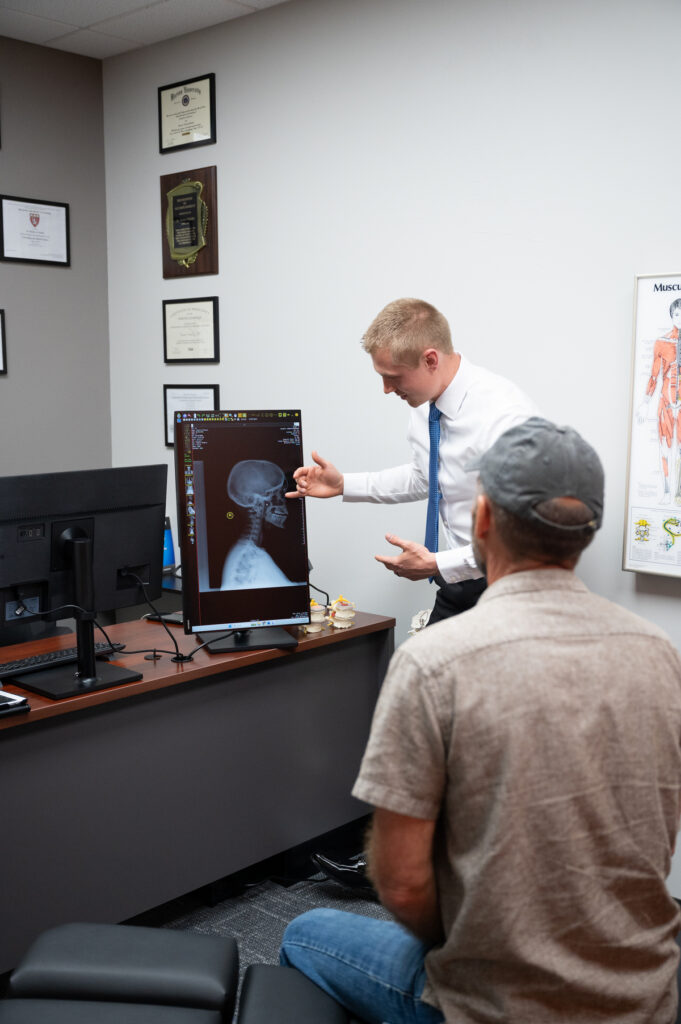

If you frequently find yourself dealing with headaches, it may be beneficial to consider how your spinal alignment could be contributing to your discomfort. When your spine is misaligned, it can create pressure on nerves and tension in muscles, leading to more frequent and severe headaches. By understanding the relationship between your spine and your nervous system, you may discover new avenues for relief that you haven’t yet explored.
Chiropractic care is an excellent approach to addressing these issues. By focusing on spinal adjustments, a chiropractor can help realign your spine, reducing nerve pressure and alleviating muscle tension. This, in turn, can significantly decrease the frequency and intensity of your headaches.
In addition to chiropractic adjustments, there are simple lifestyle changes you can make to support your spinal health and overall well-being. Here are a few tips to consider:
- Maintain Good Posture: Be mindful of your posture, especially when sitting at a desk or using your phone. Keeping your spine aligned can help reduce strain on your neck and back.
- Stay Hydrated: Drinking plenty of water can help prevent dehydration, which is a common headache trigger.
- Incorporate Regular Movement: Aim to take breaks and stretch throughout the day. Simple neck and shoulder stretches can relieve tension and improve circulation.
- Prioritize Sleep: Ensure you’re getting enough restful sleep. A proper sleep position can also support spinal alignment.
- Manage Stress: Engaging in relaxation techniques, such as deep breathing or meditation, can help reduce stress, which is often a headache trigger.
By exploring the connection between your spinal alignment and headaches, you can take proactive steps toward better health. Chiropractic care not only addresses the underlying issues but also promotes a holistic approach to wellness. Embrace these tips and consider scheduling a chiropractic consultation to find the relief you deserve!
Key Takeaways
How Spinal Alignment Eases Headaches for Beginners
Are you tired of dealing with headaches that just won’t go away? Did you know that spinal alignment can be a powerful solution for alleviating headache pain and improving your overall well-being? As your local chiropractor, I’m here to share some valuable insights on how proper spinal care can make a significant difference in your life.
- Easing Nerve Pressure: When your spine is misaligned, it can put pressure on the nerves that travel from your spine to your head. This pressure can lead to headaches. By ensuring your spine is aligned, we can relieve that pressure, helping to ease your headache pain and improve how your body functions overall.
- Boosting Circulation: Proper spinal alignment doesn’t just help with pain relief; it also enhances blood flow throughout your body. Better circulation can lead to fewer headaches and reduced intensity when they do occur. So, maintaining a healthy spine is key to keeping those pesky headaches at bay.
- Chiropractic Adjustments: One of the most effective ways to correct misalignments is through chiropractic adjustments. These gentle, non-invasive treatments support your nervous system’s optimal function, helping to reduce the triggers that can lead to headaches. Regular visits to the chiropractor can transform your health!
- Reducing Muscle Tension: Misalignments in your spine can cause muscle tension and strain, which are common contributors to headaches. By restoring spinal health, we can minimize this tension, allowing your muscles to relax and reducing your headache frequency.
- Long-term Wellness: Committing to regular chiropractic care not only promotes optimal spinal health but also helps prevent future headaches. It’s all about creating a healthy lifestyle that prioritizes natural wellness. As you focus on your spinal health, you’ll likely notice improvements in other areas, too!
Tips for Healthy Living:
- Pay attention to your posture, especially if you spend long hours sitting at a desk. Keep your back straight and your shoulders relaxed.
- Stay hydrated! Drinking plenty of water can help prevent headaches.
- Make time for regular physical activity. Exercise can reduce muscle tension and improve circulation.
- Practice relaxation techniques like deep breathing or yoga to help manage stress, another common headache trigger.
Remember, chiropractic care is your best choice for natural pain relief and achieving optimal health. If you’re ready to explore how spinal alignment can help you, don’t hesitate to reach out for an appointment. Your journey to a headache-free life starts here!
Understanding Headaches: Types and Triggers
What types of headaches have you experienced, and what triggers them? Understanding the different types of headaches can empower you to manage your discomfort more effectively. Tension headaches, commonly caused by stress or poor posture, can present as a nagging dull ache. Migraines, on the other hand, can strike with intense, throbbing pain and may be triggered by certain foods, bright lights, or hormonal shifts. While cluster headaches are less common, they can be incredibly painful and tend to occur in cycles.
You might also deal with sinus headaches, which are linked to sinus infections or allergies, causing pressure around your forehead and eyes. Identifying your specific triggers is crucial. One effective method is to keep a headache diary; this can help you spot patterns and avoid situations that might lead to pain.
In addition to tracking your triggers, chiropractic care can play a significant role in alleviating headaches. By addressing spinal misalignments and improving overall spinal health, chiropractic adjustments can help reduce tension and improve your body’s function. Gentle spinal adjustments can relieve pressure on nerves and improve circulation, which may lessen the frequency and intensity of headaches.
To further support your wellness, consider incorporating some simple lifestyle changes. Staying hydrated, practicing good posture, and incorporating regular physical activity can all contribute to reducing headaches. Additionally, consider relaxation techniques like deep breathing or yoga to manage stress effectively.
With a proactive approach that includes chiropractic care and healthy habits, you can take control of your headaches and enhance your overall quality of life. Remember, your journey to optimal health starts with understanding your body and making mindful choices.
The Role of Spinal Alignment in Overall Health
Your spinal alignment is crucial for your overall health and well-being. When your spine is properly aligned, it helps your nervous system function more effectively and can significantly reduce muscle tension. This is where chiropractic care comes in as a natural and effective way to maintain spinal health.
By visiting your local chiropractor, you aren’t just addressing pain; you’re investing in your body’s ability to operate at its best. Chiropractors focus on realigning your spine and ensuring that your body is in harmony, which can lead to improved energy levels, better posture, and enhanced mobility.
Here are some simple tips to help you maintain good spinal health:
- Practice Good Posture: Whether you’re sitting at a desk or standing, make sure to keep your back straight and shoulders back. Consider using ergonomic furniture to support your spine.
- Stay Active: Regular physical activity strengthens your back and core muscles, which support your spine. Simple exercises like walking, stretching, and yoga can make a big difference.
- Mind Your Sleep Position: Choose a mattress that provides good support and try to sleep on your back or side with a pillow that keeps your neck aligned with your spine.
- Stay Hydrated: Proper hydration helps maintain the elasticity of spinal discs, reducing the risk of injury.
- Visit Your Chiropractor Regularly: Regular adjustments can help keep your spine aligned and your body functioning optimally.
Importance of Proper Posture
Proper posture is often overlooked, yet it’s essential for maintaining spinal alignment and overall health.
As a chiropractor, I want to emphasize how crucial it’s to sit and stand correctly. When you adopt proper alignment, you significantly reduce the strain on your spine and the surrounding muscles, helping to prevent discomfort and headaches.
Good posture helps keep your spine in a neutral position, allowing your body to function optimally. By being mindful of your posture throughout the day, whether you’re working at your desk or walking, you can promote better alignment and support your overall well-being.
Here are some simple tips to help you maintain good posture:
- Sit Up Straight: When sitting, keep your back straight and shoulders relaxed but not slumped. Your feet should be flat on the floor, and your knees should be at or below hip level.
- Shoulders Back: Keep your shoulders back and relaxed. This helps align your spine and reduces tension in your upper back and neck.
- Head Alignment: Make sure your head is aligned over your spine, not jutting forward. Imagine a string pulling the top of your head toward the ceiling.
- Take Breaks: If you’re sitting for long periods, take regular breaks to stand up, stretch, and walk around. This will promote circulation and relieve any built-up tension.
- Support Your Back: If you’re at a desk, consider using a chair that supports your lower back. You can also use a cushion to help maintain the natural curve of your spine.
By incorporating these habits into your daily routine, you can see significant improvements in your health and comfort.
Nervous System Functionality
Maintaining proper posture is essential for more than just looking good; it plays a crucial role in supporting your spinal health and, ultimately, the function of your nervous system. When your spine is properly aligned, it enables your nervous system to communicate effectively with all parts of your body. This seamless communication helps regulate vital bodily functions—from muscle movement to organ performance.
If your spine is misaligned, it can disrupt these signals, leading to issues such as headaches, fatigue, and discomfort. That’s why prioritizing spinal alignment through good posture is so important. By focusing on your posture, you not only enhance your overall health but also promote natural healing and wellness.
As a chiropractor, I encourage you to keep an eye on your posture throughout the day. Here are some simple tips you can implement right away:
- Sit Up Straight: Whether you’re working at a desk or relaxing at home, keep your back straight and shoulders back. Consider using an ergonomic chair that supports your lower back.
- Stand Tall: When standing, distribute your weight evenly on both feet and keep your head level. Imagine there’s a string pulling you up from the top of your head.
- Take Breaks: If you’re sitting for long periods, take regular breaks to stand, stretch, and move around. This helps keep your spine flexible and reduces tension.
- Stay Active: Engaging in regular physical activity strengthens your muscles and supports good posture. Activities like yoga or Pilates can be particularly beneficial.
- Visit Your Chiropractor: Regular chiropractic adjustments can help maintain spinal alignment, reduce pain, and enhance your overall well-being.
By incorporating these tips into your daily routine and considering chiropractic care, you can improve your posture and, in turn, support your nervous system’s functionality. This proactive approach will likely lead to increased energy levels and clearer mental focus, allowing you to enjoy a healthier, more vibrant life.
Muscle Tension Reduction
When your spine isn’t aligned properly, it can lead to muscle tension and discomfort, creating a cycle that can affect your overall health. Issues like poor posture or misaligned vertebrae can cause tightness in your neck, shoulders, and back, leaving you feeling tired and irritable. Fortunately, by focusing on improving your spinal alignment through chiropractic care, you can significantly reduce muscle tension, promote relaxation, and enhance your overall well-being.
Here’s a simple breakdown of how spinal alignment affects muscle tension:
| Spinal Alignment Issues | Effects on Muscle Tension |
|---|---|
| Poor posture | Increased neck tension |
| Misaligned vertebrae | Back pain |
| Scoliosis | Uneven shoulder tension |
| Herniated discs | Limited mobility |
| Tension headaches | Overall discomfort |
As a chiropractor, I encourage you to consider the benefits of regular adjustments to keep your spine aligned. This not only alleviates existing tension but also helps prevent future issues. Here are a few tips to help you maintain a healthy spine and reduce muscle tension on your own:
- Practice Good Posture: Whether sitting or standing, keep your back straight and shoulders back. Use ergonomic furniture if possible.
- Stay Active: Regular physical activity can help strengthen the muscles that support your spine and improve overall flexibility.
- Stretch Regularly: Incorporate gentle stretches into your daily routine to relieve tension in your neck, shoulders, and back.
- Mind Your Sleep: Ensure you’re sleeping on a supportive mattress and pillow that promotes proper spinal alignment.
- Stay Hydrated: Drinking plenty of water can help keep your muscles hydrated and functioning well.
Through proper spinal care and awareness, you can take control of your health and well-being. Chiropractic care is a natural and effective way to support your body, reduce muscle tension, and promote a healthier lifestyle. If you’re experiencing discomfort or simply want to maintain your well-being, don’t hesitate to reach out for a consultation. Together, we can work towards achieving your optimal health!
How Misalignment Contributes to Headaches
When your spine is misaligned, it can create pressure on your nerves, leading to discomfort and headaches. This misalignment can also cause muscle tension as your body tries to compensate, which only adds to your pain. Additionally, poor posture can exacerbate these issues, creating a cycle that can be tough to break.
As a chiropractor, I want to emphasize that proper spinal alignment is crucial for your overall health and well-being. Chiropractic care is a natural and effective way to address these misalignments, providing you with relief from headaches and other discomforts without the need for medications or surgical interventions.
Here are some general tips to help you maintain a healthy spine and reduce headache frequency:
- Practice Good Posture: Whether sitting at a desk or standing, keep your back straight and shoulders relaxed. Consider using ergonomic chairs or support cushions.
- Stay Active: Regular physical activity helps strengthen your back muscles and improve flexibility, which can support better spinal alignment.
- Take Breaks: If you work at a desk or spend long hours in one position, take breaks to stretch and move around. This can help relieve tension and prevent misalignment.
- Consider Chiropractic Adjustments: Regular visits to a chiropractor can help keep your spine aligned and reduce the likelihood of headaches caused by misalignment.
- Stay Hydrated: Drinking plenty of water supports overall health and can help reduce muscle tension.
Nerve Compression Effects
Misalignment in the spine can lead to nerve compression, which often results in debilitating headaches. When the vertebrae shift out of their proper position, they can pinch nearby nerves, interrupting the vital communication between your brain and body. This disruption can trigger pain signals, resulting in the intense headaches you may experience. You might notice these headaches becoming more frequent after long periods of poor posture or following an injury.
It’s important to understand that the alignment of your spine is crucial for your overall nervous system health. By addressing spinal misalignments through chiropractic care, you can relieve nerve pressure, which may help reduce the frequency and intensity of your headaches.
Here are some simple tips for maintaining good spinal health and reducing headache occurrences:
- Practice Good Posture: Make a conscious effort to sit and stand tall. Keep your shoulders back and your head aligned over your spine.
- Take Breaks: If you work at a desk or in front of a screen for long periods, take regular breaks to stretch and move around. This can help relieve tension in your neck and back.
- Stay Active: Regular physical activity, such as walking or yoga, can strengthen your muscles and improve your spinal alignment.
- Use Ergonomic Furniture: If you spend a lot of time sitting, consider using ergonomic chairs and desks to support proper posture.
- Stay Hydrated: Drinking plenty of water can help keep your spinal discs hydrated and healthy.
At our chiropractic practice, we focus on restoring alignment to ensure your nerves function optimally. This natural approach can help alleviate headache pain and promote overall wellness. Remember, taking care of your spine is a key step toward achieving optimal health!
Muscle Tension Relationships
Poor spinal alignment can have a significant impact on your overall health, particularly when it comes to muscle tension and headaches. When your spine is misaligned, it can lead to unnecessary stress on the surrounding muscles, causing tightness and discomfort. This is especially true for muscle groups in your neck and upper back, which often become overworked as they try to compensate for the misalignment.
This tension can create a cycle of pain, where tight muscles contribute to further misalignment, leading to increased headaches. That’s why it’s crucial to address any spinal issues you may have. By focusing on improving your spinal alignment through chiropractic care, you can effectively relieve muscle tension, reduce the frequency of headaches, and enhance your overall well-being.
Chiropractic care is a natural and effective way to achieve optimal health. Regular adjustments can help restore proper alignment, allowing your body to function more efficiently.
Additionally, here are some tips to help you maintain a healthy spine and reduce muscle tension at home:
- Practice Good Posture: Be mindful of your posture whether you’re sitting at a desk, standing, or walking. Keeping your spine aligned can prevent unnecessary strain on your muscles.
- Stay Active: Incorporate regular physical activity into your routine. Gentle exercises like stretching, yoga, or walking can help keep your muscles flexible and reduce tension.
- Ergonomic Workspace: If you spend a lot of time at a desk, ensure your workspace is ergonomically designed. This includes having your computer screen at eye level and using a chair that supports your lower back.
- Hydration and Nutrition: Drink plenty of water and eat a balanced diet rich in anti-inflammatory foods. Proper hydration and nutrition can help support muscle health.
- Regular Chiropractic Visits: Make chiropractic care a part of your wellness routine. Regular adjustments can help keep your spine aligned and your muscles relaxed.
Poor Posture Consequences
Your posture is crucial for maintaining proper spinal alignment, and overlooking it can lead to various issues, including headaches. When your spine is out of alignment, it can place additional strain on your muscles and nerves, resulting in discomfort. You may notice:
- A constant throbbing pain around your temples.
- Increased tension in your neck and shoulders.
- Greater sensitivity to light and sound.
- Trouble focusing due to pain.
- Frequent fatigue due to poor sleep quality.
These symptoms can significantly impact your daily life. By improving your posture, you’re not just standing taller; you’re also taking important steps towards alleviating headaches and boosting your overall well-being.
Chiropractic care is an excellent choice for addressing these issues naturally. Regular chiropractic adjustments can help restore spinal alignment, reduce muscle tension, and enhance your body’s ability to heal itself.
Here are a few simple tips you can incorporate into your daily routine to support better posture and overall health:
- Be Mindful of Your Sitting Position: Ensure that your back is straight, your shoulders are relaxed, and your feet are flat on the floor when sitting.
- Take Regular Breaks: If you’re sitting for long periods, take short breaks to stretch and move around. This can help relieve tension and improve circulation.
- Strengthen Your Core: Engage in exercises that strengthen your core muscles, which support your spine and help maintain good posture.
- Use Ergonomic Furniture: Consider using chairs and desks that promote good posture, especially if you spend a lot of time at a computer.
- Practice Good Sleep Habits: Ensure your mattress and pillows support your spine properly to enhance sleep quality and reduce fatigue.
The Anatomy of the Spine and Nervous System
Understanding the anatomy of the spine and nervous system is essential for effectively managing headaches. Your spine is made up of 33 vertebrae, which are grouped into cervical, thoracic, lumbar, sacral, and coccygeal regions. Among these, the cervical spine is particularly important, as it contains nerves that supply your head and neck. When your spine is properly aligned, these nerves can work efficiently, allowing for seamless communication between your brain and body.
The nervous system, which includes both the central and peripheral systems, is responsible for everything from our sensations to our movements. When the spine is misaligned, it can irritate nearby nerves, leading to tension and discomfort that often results in headaches. This is where chiropractic care comes into play. By focusing on spinal alignment and health, you can significantly reduce the frequency and intensity of headaches.
Chiropractic adjustments aim to restore proper alignment to your spine, which helps enhance nerve function and overall well-being. This natural approach to health not only targets headaches but also promotes a healthier lifestyle by encouraging better posture and movement patterns.
Here are some general tips to maintain a healthy spine and help keep headaches at bay:
- Stay Active: Engage in regular physical activity to strengthen your back and neck muscles, which support your spine.
- Practice Good Posture: Be mindful of how you sit and stand. Good posture minimizes strain on your spine and can help prevent headaches.
- Stay Hydrated: Drinking plenty of water keeps your body hydrated, which is crucial for overall health and can help reduce headache triggers.
- Limit Screen Time: Take breaks from screens to avoid eye strain and tension buildup in your neck.
- Consider Chiropractic Care: Regular visits to a chiropractor can help maintain spinal health, alleviate discomfort, and enhance overall wellness.
Signs You May Have Spinal Misalignment
If you’ve been struggling with persistent headaches, it could be a sign that your spine isn’t aligned properly. Your spine plays a crucial role in your overall health, and understanding its alignment is essential for finding relief. Here are some common signs that may indicate spinal misalignment:
- Ongoing neck or back pain that just won’t go away.
- Numbness or tingling sensations in your arms or legs.
- Difficulty turning your head due to limited range of motion.
- Shoulders or hips that appear uneven or out of balance.
- Feeling chronically fatigued, even after a good night’s sleep.
These symptoms may suggest that your spine is under stress, which can put pressure on your nerves and lead to discomfort. If you notice any of these signs, it’s important to seek the help of a chiropractor. Chiropractic care focuses on natural healing and can effectively address spinal misalignment, leading to relief from headaches and other discomforts.
In addition to seeking professional help, here are some tips to promote a healthier spine:
- Maintain good posture while sitting and standing to reduce strain on your spine.
- Incorporate gentle stretching and strengthening exercises into your daily routine to support spinal health.
- Stay active with low-impact activities like walking or swimming to keep your body moving without overexertion.
- Make sure your sleep environment is supportive. A good mattress and pillow can make a big difference in spinal alignment.
Techniques for Improving Spinal Alignment
To enhance your spinal alignment and promote overall wellness, there are several effective techniques you can incorporate into your daily routine. As a chiropractor, I firmly believe that chiropractic care is one of the best ways to achieve optimal health and relief from discomfort. By focusing on posture correction exercises, setting up an ergonomic workspace, and engaging in targeted stretching and strengthening activities, you can significantly improve your spinal health and feel better each day.
Let’s delve into some practical strategies you can adopt to ease headaches and boost your daily comfort:
- Posture Correction Exercises: Simple exercises designed to strengthen your back and core can make a huge difference in your spinal alignment. Consider incorporating exercises like shoulder blade squeezes or wall angels to promote proper posture. These exercises help counteract the effects of slouching and can alleviate pressure on your spine.
- Ergonomic Workspace Setup: Creating an ergonomic workspace is crucial for maintaining spinal health, especially if you spend long hours at a desk. Ensure that your chair supports your lower back, your monitor is at eye level, and your keyboard is positioned to keep your wrists straight. A well-organized workspace can reduce strain on your spine and encourage good posture.
- Targeted Stretching and Strengthening: Regular stretching can alleviate tension in your muscles and improve flexibility. Focus on stretches that target the spine, such as cat-cow stretches or gentle twists. Additionally, strengthening exercises that focus on your core and back muscles can provide the support your spine needs.
By integrating these techniques into your lifestyle, you can experience the benefits of improved spinal alignment and overall wellness. Remember, chiropractic care is an excellent option for those seeking natural healing and pain relief. If you’re looking for personalized guidance, don’t hesitate to reach out to your local chiropractor.
Together, we can work towards your health goals and help you live a more comfortable, pain-free life!
Posture Correction Exercises
Incorporating posture correction exercises into your daily routine is a fantastic way to enhance your spinal alignment and alleviate discomfort, including headaches.
These simple yet effective exercises aren’t just beneficial for your posture; they can also support your overall health and wellness.
As a chiropractor, I believe that maintaining a healthy posture is essential for optimal spinal health, and these exercises can easily be integrated into your life.
Here are five effective exercises you can do anywhere, anytime:
- Chin Tucks: This exercise is simple yet powerful. Gently pull your chin back, as if trying to create a double chin. This alignment helps position your head directly over your shoulders, reducing strain on your neck and upper back.
- Shoulder Blade Squeezes: Sit or stand tall and draw your shoulder blades together as if trying to hold a pencil between them. Hold this position for a few seconds. This movement strengthens the muscles that support your upper spine and helps combat slouching.
- Wall Angels: Stand with your back against a wall, feet a few inches away from it. Slide your arms up and down the wall while keeping your elbows and wrists in contact. This exercise promotes shoulder mobility and encourages proper posture.
- Cat-Cow Stretch: Get on all fours, and alternate between arching your back (like a cat) and rounding it (like a cow). This fluid motion enhances spinal flexibility and helps relieve tension throughout your back.
- Seated Torso Twists: While sitting in a chair, gently twist your torso to one side, using your hands to assist the movement. Hold for a few seconds, then switch sides. This exercise improves spinal mobility and encourages a healthy range of motion.
By regularly practicing these exercises, not only can you improve your posture, but you can also enhance your overall well-being.
Remember, chiropractic care is a natural and effective way to address pain and promote wellness.
If you’re experiencing discomfort or wish to improve your posture further, consider consulting with a chiropractor who can provide personalized guidance and support for your journey to optimal health.
Always listen to your body and make these exercises part of your daily routine for lasting benefits!
Ergonomic Workspace Setup
Creating an ergonomic workspace is a vital step in supporting your spinal health and preventing discomfort, especially during those long hours spent at a desk. As a chiropractor, I want to share some simple yet effective tips to help you maintain proper spinal alignment and promote overall wellness.
Start with your chair: Adjust it so that your feet rest flat on the floor, and your knees are at a 90-degree angle. This position not only supports your spine but also encourages proper blood circulation. Your desk height is also important; it should allow your elbows to stay close to your body and bent at a right angle while you type. This helps reduce strain on your shoulders and neck.
Next, consider your monitor placement. Position it at eye level, about an arm’s length away, to avoid straining your neck. You want to keep your head in a neutral position, which is essential for maintaining spinal alignment.
Invest in a supportive chair that promotes the natural curve of your spine. Look for features like lumbar support that help keep your lower back in a healthy position.
Finally, keep frequently used items within easy reach to minimize twisting or leaning. This small adjustment can make a significant difference in how your body feels throughout the day.
Stretching and Strengthening Techniques
Incorporating stretching and strengthening techniques into your daily routine can significantly enhance your spinal alignment and overall health. These exercises not only promote flexibility but also build the essential muscle support your spine requires.
As a chiropractor, I believe that a well-aligned spine is crucial for optimal health, and these simple exercises can be a fantastic addition to your wellness journey.
Here are some effective techniques to consider integrating into your regimen:
- Cat-Cow Stretch: This gentle flow involves arching and rounding your back, which helps to improve flexibility and mobility in your spine. It’s a great way to start your day or to unwind after sitting for long periods.
- Plank Holds: By engaging your core and back muscles, plank holds not only build strength but also improve stability, which is vital for maintaining good posture and spinal alignment.
- Child’s Pose: This soothing stretch helps to elongate the spine and relieve tension, making it an excellent way to relax and reset your body, especially after a long day.
- Wall Angels: Performing wall angels strengthens the muscles in your shoulders and upper back, which can greatly enhance your posture. Good posture is essential for preventing discomfort and maintaining spinal health.
- Seated Forward Bend: This stretch helps to lengthen your spine while also targeting the hamstrings. It’s a wonderful way to promote flexibility and ease tension in your back.
Remember, while these exercises can be very beneficial, they’re most effective when combined with regular chiropractic care. A chiropractor can help ensure that your spine is properly aligned, which enhances the effectiveness of your stretches and strengthens your body’s natural healing processes.
Prioritizing chiropractic care is a proactive step towards achieving pain relief and maintaining a healthy lifestyle. Embrace these techniques and take charge of your wellness today!
The Benefits of Chiropractic Care for Headaches
Chiropractic care is an excellent option for anyone seeking relief from headaches, particularly tension and migraine headaches. By correcting spinal misalignments, chiropractors can help restore proper function to your nervous system. This restoration not only reduces the frequency and intensity of headaches but also enhances your overall well-being.
When your spine is properly aligned, it takes pressure off your nerves and muscles, improving circulation and reducing strain. You might be surprised to find that regular chiropractic adjustments can help you identify common headache triggers, such as poor posture or muscle tension. As you receive care, you may notice improvements in your flexibility and range of motion, which can help you manage stress and tension that often lead to headaches.
Chiropractic care takes a holistic approach to health. Your chiropractor may recommend simple lifestyle changes, ergonomic adjustments to your workspace, or nutritional tips that can further support your health journey. By making these adjustments, you can experience not only relief from headaches but also a significant boost in your overall quality of life.
Here are a few practical tips you can incorporate into your daily routine to complement your chiropractic care:
- Maintain good posture while sitting and standing to reduce strain on your spine.
- Take regular breaks from screens to prevent tension buildup in your neck and shoulders.
- Stay hydrated and consider incorporating anti-inflammatory foods into your diet to support your overall health.
- Practice relaxation techniques, such as deep breathing or gentle stretching, to help manage stress.
With ongoing chiropractic care, you can empower yourself to tackle daily challenges more effectively and live a healthier, pain-free life. Choose chiropractic care as your go-to solution for natural pain relief and wellness!
Exercises to Support Spinal Health
Maintaining spinal health is essential for overall well-being, and chiropractic care plays a crucial role in achieving this. By integrating specific exercises into your routine, you can significantly enhance the health of your spine.
Here are some easy-to-follow exercises that can support your spinal health and complement your chiropractic treatments:
- Cat-Cow Stretch: This gentle movement involves alternating between arching and rounding your back. It’s a fantastic way to improve flexibility while easing tension in your spine.
- Plank: Engaging your core with planks is vital for spinal support. A strong core helps protect your spine from injury and alleviates discomfort.
- Chin Tucks: Performing chin tucks is a simple yet effective way to align your head with your spine. This exercise helps reduce neck strain and promotes better posture.
- Child’s Pose: This relaxing stretch not only feels good but also promotes spinal relaxation. It’s an excellent way to release tension and restore balance to your back.
- Wall Angels: Stand against a wall and move your arms up and down. This exercise enhances shoulder mobility and helps alleviate tightness that can affect spinal alignment.
Incorporating these exercises into your daily routine can make a significant difference in your spinal health.
Lifestyle Changes for Better Posture
To achieve better posture and enhance your overall well-being, making small yet impactful lifestyle changes can be incredibly beneficial. One of the first steps is to be mindful of your sitting habits. Ensure that your chair is adjusted so that your feet rest flat on the floor, and keep your back straight against the chair. When using your phone or computer, elevate the device to eye level to prevent the strain of looking down, which can lead to discomfort in your neck and spine.
Remember to take regular breaks throughout your day; standing up, stretching, and walking around every hour can help relieve built-up tension in your body. These simple actions can be a great way to keep your spine healthy and aligned.
Incorporating core-strengthening exercises into your routine is also essential for supporting your spine. Strong core muscles help maintain proper posture and can alleviate pressure on your back. Additionally, consider using a supportive pillow while sleeping to ensure that your neck is properly aligned—this can further prevent discomfort and promote spinal health.
Pay attention to how you carry your belongings as well. Opting for a backpack with padded straps that evenly distributes weight can significantly reduce strain on your back.
Lastly, practice mindfulness about your posture throughout the day. Remind yourself to stand tall and engage your core muscles. These simple changes, alongside regular chiropractic care, can greatly enhance your spinal health and overall wellness. Chiropractic care is a natural and effective way to relieve pain, improve posture, and support a healthier lifestyle. By choosing chiropractic, you’re investing in your long-term health and vitality.
When to Seek Professional Help for Headaches
If you’re dealing with persistent or severe headaches, it’s important to know when to seek professional help, especially from a chiropractor. Ignoring these symptoms can lead to ongoing discomfort and potential complications.
Here are some signs that it’s time to reach out for chiropractic care:
- Headaches happening more than once a week: Frequent headaches can indicate underlying issues that a chiropractor can address.
- Severe pain disrupting your daily activities: If your headaches are so intense that they hinder your ability to work or enjoy life, it’s time to get help.
- New headaches after age 40: Changes in your body as you age can sometimes lead to headaches that require a professional assessment.
- Headaches with visual disturbances or confusion: These symptoms can be serious and should be evaluated by a chiropractor who can help determine their cause.
- Ongoing headaches after a head injury: If you’ve had a fall or bump to the head, it’s crucial to get checked out to ensure everything is aligned properly.
Chiropractic care focuses on spinal health, which is essential for overall wellness. Misalignments in the spine can lead to headaches and other discomforts.
By addressing these misalignments through gentle adjustments and natural healing methods, a chiropractor can help alleviate your symptoms and promote better health.
Remember, it’s always better to take a proactive approach to your health. Don’t wait for your headaches to worsen; prioritize your well-being and seek help when you need it.
In the meantime, consider some simple tips for managing headaches at home:
- Stay hydrated: Dehydration can trigger headaches, so drink plenty of water throughout the day.
- Practice good posture: Maintaining proper posture can reduce spinal tension, which may help prevent headaches.
- Take regular breaks: If you’re working at a desk or staring at a screen, take short breaks to stretch and relax your muscles.
- Manage stress: Incorporate relaxation techniques like deep breathing, meditation, or yoga into your routine.
By focusing on natural wellness and spinal education, chiropractic care can be your path to optimal health and relief from headaches.
Don’t hesitate to reach out for support on your journey to wellness!
Conclusion
In conclusion, maintaining proper spinal alignment is crucial for easing headaches, as it helps reduce nerve pressure and muscle tension. By recognizing the important connection between your spine and overall well-being, you can take proactive steps towards lasting relief. Simple exercises, ergonomic adjustments in your daily routine, and regular chiropractic care can significantly help you break the cycle of discomfort.
Consider incorporating gentle stretches and strengthening exercises into your daily life to support your spinal health. Pay attention to your posture, especially when sitting for long periods, and make adjustments to your workspace to ensure it is ergonomically friendly. Additionally, visiting your chiropractor regularly can ensure that your spine is aligned, helping to alleviate headaches and promote overall wellness.
Remember, a healthier spine leads to a happier, headache-free life. Prioritizing your spinal health not only helps relieve pain but also enhances your quality of life. Embrace the natural healing power of chiropractic care for optimal health and well-being, and don’t hesitate to reach out for support on your journey to a pain-free existence!