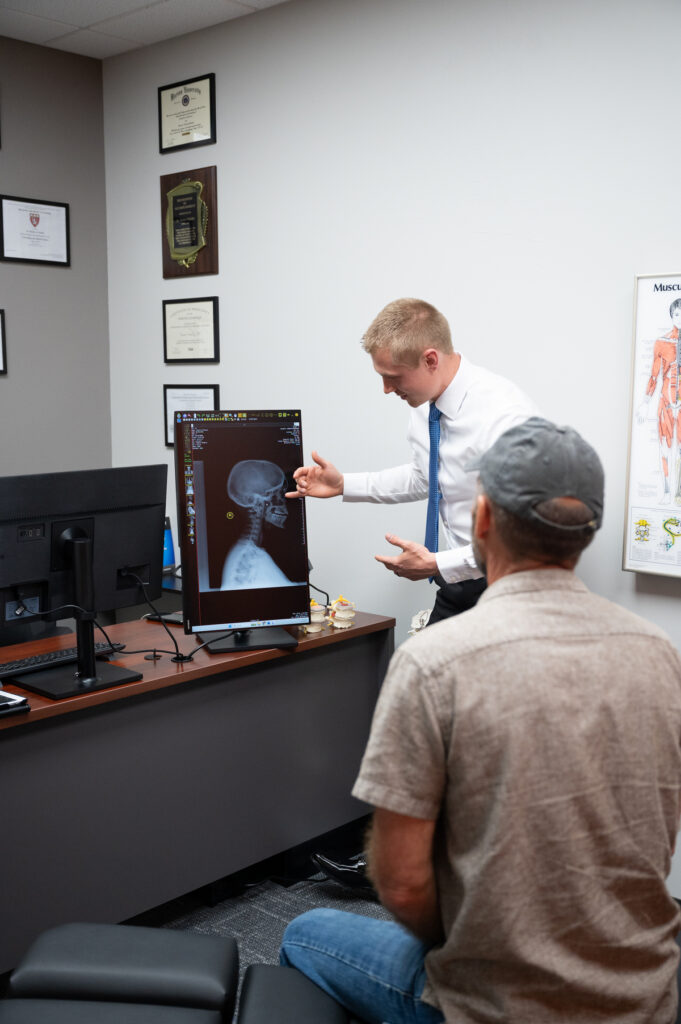
When it comes to finding relief from migraines, the frequency of your visits to a chiropractor can significantly impact your progress. To start, you might consider scheduling weekly or biweekly appointments. During these visits, we will focus on correcting spinal misalignments and identifying your specific triggers, all of which can contribute to your migraine episodes.
As you begin to notice improvements, we can adjust your schedule to every few weeks or even quarterly, depending on your individual needs. But how do you determine the best plan for yourself? Let’s take a look at a few key factors that can help in customizing your treatment plan.
- Individual Response: Each person responds differently to chiropractic care. Some may notice immediate relief, while others might take a bit longer. It’s important to communicate with your chiropractor about your progress and any changes in your symptoms.
- Lifestyle Factors: Your daily habits, such as stress levels, diet, and sleep patterns, can significantly influence the frequency of your visits. Incorporating healthier lifestyle choices can enhance your overall wellness and potentially reduce the need for frequent visits.
- Home Care: In addition to your chiropractic adjustments, practicing good posture, engaging in regular physical activity, and using relaxation techniques can help manage migraines. Simple practices like stretching, staying hydrated, and maintaining a consistent sleep schedule can make a big difference.
- Ongoing Education: Understanding your body and how it functions can empower you to take control of your health. Consider asking your chiropractor for tips and resources on spinal health and wellness.
By prioritizing chiropractic care, you are choosing a natural and effective approach to achieve optimal health and find relief from migraines. Remember, every step you take towards a healthier lifestyle can contribute to managing your pain and enhancing your overall well-being.
Key Takeaways
- In the beginning, it’s important to visit your chiropractor more often. This helps to fix any misalignments in your spine and sets a good foundation for your treatment.
- After the first month, it’s time to check in on how you’re feeling overall and see how well the treatment is working. Based on your progress, we can make any necessary adjustments to your care plan.
- Follow-up visits are generally recommended every 2–4 weeks. This allows us to assess how effective the treatment is and to make any changes if needed.
- For ongoing wellness and to maintain the progress you’ve made, scheduling check-ups every 3–6 months is a good practice.
- If you notice any changes in how often you’re getting migraines or if their intensity increases, don’t hesitate to reach out. Prompt evaluations can help ensure you stay on track with your healing journey.
Remember, chiropractic care is a natural and effective way to find relief from migraines and achieve optimal health. Make sure to stay in tune with your body, maintain a healthy lifestyle, and prioritize regular chiropractic visits for the best results.
Understanding Migraines: Types and Triggers
Migraines can be a real challenge, often appearing out of nowhere and disrupting your day. Understanding the different types of migraines and their triggers is essential for managing them effectively. For instance, some people experience migraines with aura, which include visual disturbances before the headache strikes. Others may face the more common migraine without aura. By recognizing your specific symptoms, you can take steps to address them.
One of the key factors in managing migraines is identifying your triggers. Common culprits include stress, certain foods, hormonal fluctuations, and lack of sleep. Keeping a diary to log your migraines can be incredibly helpful in spotting patterns. You may find that certain triggers consistently lead to attacks, allowing you to avoid them in the future.
Environmental factors can also play a role in provoking migraines. Strong odors, bright lights, and other stimuli may trigger an episode. By understanding these triggers, you can take proactive measures to reduce your risk.
In addition to recognizing triggers, consider incorporating chiropractic care into your wellness routine. Chiropractic adjustments can help alleviate tension in the spine, which may contribute to headaches and migraines. Regular chiropractic sessions can also promote overall well-being, helping your body function at its best.
To improve your quality of life and tackle migraines head-on, here are some general tips to consider:
- Stay Hydrated: Dehydration can be a trigger, so make sure to drink plenty of water throughout the day.
- Practice Relaxation Techniques: Stress management through techniques like deep breathing, meditation, or yoga can be beneficial.
- Maintain a Regular Sleep Schedule: Aim for consistent sleep patterns to help regulate your body’s natural rhythms.
- Keep a Healthy Diet: Pay attention to the foods that trigger your migraines and opt for a balanced diet rich in fruits, vegetables, and whole grains.
- Consider Chiropractic Care: Regular adjustments can help reduce spinal tension and promote overall health, potentially minimizing migraine occurrences.
The Importance of Professional Guidance
Managing migraines effectively often requires a holistic approach, and chiropractic care can play a significant role in your journey towards relief. Many individuals find that addressing spinal health can lead to a reduction in migraine frequency and intensity. A chiropractor can help create a personalized treatment plan that focuses on aligning your spine and improving overall wellness.
Through spinal adjustments, chiropractors can help alleviate tension in your neck and upper back—areas that may contribute to migraine triggers. They can also guide you in identifying potential lifestyle factors and postural habits that could be aggravating your condition, giving you a better understanding of how to manage your migraines naturally.
Chiropractors stay informed about the latest techniques and wellness strategies, offering you access to effective, drug-free treatments that focus on your body’s innate ability to heal. By regularly visiting a chiropractor, you can benefit from ongoing assessments to monitor your progress and make necessary adjustments to your care.
Additionally, working closely with a chiropractor fosters a supportive environment where you can openly discuss your experiences and concerns. This collaborative approach empowers you to take charge of your health, leading to improved quality of life.
Incorporating simple lifestyle changes can also make a big difference. Staying hydrated, maintaining a balanced diet, practicing stress-reducing techniques like yoga or meditation, and ensuring you get enough sleep can all contribute to fewer migraine episodes. Remember, chiropractic care is a natural and effective option for achieving optimal health and wellness—don’t hesitate to explore it as a viable solution for managing your migraines!
Initial Consultation: What to Expect
During your initial consultation with our chiropractic office, we’ll take the time to discuss your symptoms and medical history in detail.
Our goal is to understand your unique situation so we can provide you with the best natural solutions for your pain relief and overall wellness.
Together, we’ll explore various chiropractic techniques and lifestyle adjustments that can help alleviate your migraine symptoms and improve your quality of life.
We’ll also create a personalized follow-up plan to monitor your progress and adjust your treatments as needed.
Remember, chiropractic care focuses on aligning the spine and nervous system, which is essential for optimal health.
In addition to your treatment plan, here are some general tips to help manage your migraines naturally:
- Stay Hydrated: Drink plenty of water throughout the day to keep your body well-hydrated.
- Maintain Good Posture: Be mindful of your posture, especially when sitting for long periods. Proper alignment can reduce strain on your spine and neck.
- Regular Exercise: Incorporate gentle exercises like walking or yoga into your routine to promote circulation and reduce tension.
- Stress Management: Engage in relaxation techniques such as deep breathing, meditation, or gentle stretching to help manage stress levels.
- Sleep Hygiene: Establish a regular sleep schedule and create a comfortable sleep environment to ensure restful nights.
By choosing chiropractic care, you’re taking a proactive step towards natural healing and better health.
We’re here to support you every step of the way on your journey to wellness!
Symptoms and Medical History
When you come in for your first consultation regarding migraine relief, it’s crucial to share your symptoms and medical history openly. Be ready to talk about how often you experience migraines, how intense they feel, and how long they typically last. Identifying any triggers—like stress, certain foods, or changes in your sleep patterns—can be very helpful. Also mention if you experience symptoms like nausea, sensitivity to light, or aura sensations before your migraines hit.
Your past medical history is a key piece of the puzzle, so be sure to discuss any previous treatments you’ve tried, any medications you’ve taken, and any other health conditions you may have. If there’s a family history of migraines or other neurological issues, that’s important to mention as well. This information allows your chiropractor to understand your unique situation and develop a personalized plan that focuses on natural healing and wellness.
Chiropractic care can be a powerful tool for managing migraines and promoting overall health. By addressing spinal alignment and nervous system function, chiropractic adjustments may help alleviate tension and improve your body’s response to stress and pain. Remember, your commitment to sharing details about your symptoms and history, along with following the advice of your chiropractor, plays a vital role in achieving the best outcomes for your health.
As a general tip, consider incorporating stress-reducing practices like gentle yoga or meditation into your routine, as these can complement your chiropractic care and support your journey toward optimal wellness.
Treatment Options Discussed
After discussing your symptoms and medical history, it’s crucial to explore various treatment options that prioritize your overall well-being. As a local chiropractor, I emphasize the importance of lifestyle adjustments to help minimize migraine triggers. Simple changes like incorporating a balanced diet, staying well-hydrated, and maintaining good sleep hygiene can significantly impact your health and help you feel better.
While many people often turn to over-the-counter pain relievers or prescription medications, I encourage you to consider the natural healing benefits of chiropractic care. Chiropractic adjustments can help alleviate tension in the body, which may contribute to migraines. Regular adjustments can improve spinal alignment and promote better nervous system function, leading to enhanced overall health.
In addition to chiropractic care, you might want to explore natural preventive measures, such as mindfulness practices, gentle stretching, and relaxation techniques, which can help reduce stress and tension that may trigger migraines. Keeping a migraine diary can also be beneficial; it allows you to track patterns and identify specific triggers, enabling you to make informed lifestyle choices.
Follow-Up Plan Established
As you embark on your journey to find relief from migraines, understanding what to expect during your initial consultation with a chiropractor is essential. Your chiropractor will take the time to assess your medical history, discuss your migraine triggers, and evaluate your symptoms. Together, you’ll develop a personalized follow-up plan tailored to your unique needs, focusing on natural healing and wellness.
Here’s a quick overview of what to expect during your consultation:
| Consultation Aspect | Details | Follow-Up Actions |
|---|---|---|
| Medical History | Discuss past migraine experiences and overall health | Adjust chiropractic care as needed |
| Triggers | Identify potential triggers like stress, posture, or diet | Develop strategies to avoid them |
| Treatment Options | Review natural treatment methods, including spinal adjustments | Schedule regular follow-ups for ongoing support |
This structured approach ensures that you’re on the right path toward effective migraine management through chiropractic care.
General Tips for Migraine Relief:
- Stay Hydrated: Drink plenty of water throughout the day to help prevent dehydration, a common trigger for migraines.
- Maintain Good Posture: Poor posture can lead to tension in the neck and shoulders, which may contribute to migraines. Be mindful of your posture, especially while sitting at a desk.
- Manage Stress: Incorporate relaxation techniques such as deep breathing, meditation, or yoga into your routine to help reduce stress levels.
- Get Regular Adjustments: Regular chiropractic adjustments can help keep your spine aligned and may reduce the frequency and intensity of migraines.
- Keep a Migraine Diary: Tracking your migraines can help identify patterns and triggers, making it easier to address them during your consultations.
Frequency of Visits for Acute Migraine Treatment
When dealing with acute migraines, the frequency of your visits to a chiropractor can significantly influence your overall wellness and pain relief. It’s important to collaborate with your chiropractor to develop a personalized care plan tailored to your unique needs. Regular visits to your chiropractor not only help in managing your migraines but also allow for necessary adjustments to your treatment based on your progress.
Chiropractic care focuses on spinal health and the nervous system, which play a vital role in how your body processes pain. By ensuring proper spinal alignment, you can help reduce the frequency and intensity of migraine attacks.
Here are some general tips to help manage migraines naturally:
- Stay Hydrated: Dehydration can trigger migraines, so be sure to drink plenty of water throughout the day.
- Regular Sleep Schedule: Establishing a consistent sleep routine can help prevent migraines. Aim for 7-9 hours of quality sleep each night.
- Balanced Diet: Eating regular, nutritious meals can keep your blood sugar levels stable, which may help reduce migraine triggers.
- Stress Management: Engage in relaxation techniques such as yoga or deep breathing exercises to help manage stress, which is a common migraine trigger.
- Regular Chiropractic Visits: Consistent adjustments can improve your spinal health and reduce migraine frequency and severity.
Treatment Response Monitoring
Regularly monitoring your treatment response is crucial for managing acute migraines naturally, and chiropractic care can play a significant role in this process. By observing how your body responds to chiropractic adjustments and lifestyle changes, you can make informed decisions to enhance your relief. It’s beneficial to schedule visits with your chiropractor every few weeks, especially after starting a new treatment plan. This regularity allows for timely evaluations of how your body is responding, ensuring you receive the best holistic care.
| Visit Frequency | Purpose | Outcome |
|---|---|---|
| Every 2-4 weeks | Assess treatment effectiveness | Adjust chiropractic care |
| After 1 month | Evaluate overall wellness and side effects | Optimize natural healing |
| Every 3 months | Long-term wellness review | Maintain progress |
| As needed | Address immediate concerns | Find natural solutions |
In addition to your chiropractic visits, here are some general tips to help manage migraines naturally:
- Stay Hydrated: Drink plenty of water throughout the day to prevent dehydration, which can trigger migraines.
- Maintain Good Posture: Ensure that your posture is correct, especially if you sit for long periods. Poor posture can lead to tension in the neck and shoulders, exacerbating migraine symptoms.
- Incorporate Relaxation Techniques: Practices such as deep breathing, meditation, or yoga can help reduce stress levels, which is often a trigger for migraines.
- Regular Exercise: Engage in regular physical activity to promote overall health and reduce the frequency and intensity of migraines.
- Keep a Migraine Diary: Track your migraine episodes, potential triggers, and the effectiveness of your chiropractic treatments. This can help you and your chiropractor identify patterns and make necessary adjustments.
Remember to keep this schedule in mind to stay on track with your migraine management and embrace the natural healing power of chiropractic care for a healthier, pain-free life.
Individualized Care Plans
To effectively manage acute migraines, it’s important to create an individualized care plan that aligns with your unique needs. As a chiropractor, I focus on understanding the underlying causes of your migraines and how spinal health can play a key role in alleviating your symptoms.
During your initial visits, we’ll assess the severity and frequency of your migraines, along with any patterns or triggers you may have noticed. This allows us to determine an appropriate frequency for your chiropractic adjustments. In the beginning, you might benefit from more frequent visits as we work to address misalignments in your spine that could be contributing to your pain. Over time, as you start to feel better and find effective strategies for managing your migraines, we can adjust the frequency of your appointments.
It’s crucial to communicate any changes in your symptoms or how you’re feeling after each session. This feedback helps us refine your care plan and ensure we’re addressing your needs effectively. Remember, your wellness journey is dynamic, and regular check-ins will help us keep your plan on track.
In addition to chiropractic adjustments, there are several general tips you can incorporate into your routine to support your overall health and help manage migraines naturally:
- Stay Hydrated: Drink plenty of water throughout the day to prevent dehydration, which can trigger migraines.
- Maintain Good Posture: Keeping a proper posture can reduce strain on your spine and neck, potentially decreasing the frequency of migraines.
- Practice Relaxation Techniques: Incorporating stress-reducing practices like yoga, meditation, or deep breathing exercises can help manage tension that may lead to migraines.
- Get Regular Exercise: Engaging in physical activity can improve blood flow and reduce stress levels, both of which can help prevent migraines.
- Prioritize Sleep: Establish a consistent sleep routine to ensure you’re getting enough rest, as lack of sleep can trigger migraines.
Ongoing Management: When to Schedule Regular Check-Ups
Scheduling regular check-ups is key to effectively managing ongoing migraines, and chiropractic care can play an important role in this process. Regular visits to your chiropractor not only help monitor your progress but also ensure that your treatment plan is tailored to your unique needs for optimal health and wellness. Ideally, you should aim for check-ups every three to six months, depending on your individual situation.
Consider booking regular appointments with your chiropractor if you:
- Notice changes in the frequency or intensity of your migraines.
- Want to explore natural treatment options or strategies that promote healing.
- Need guidance on lifestyle factors, such as posture and stress management, that may trigger your migraines.
- Wish to discuss any discomfort or side effects you may be experiencing and explore safe, natural alternatives.
In addition to chiropractic care, here are some general tips to help manage migraines:
- Stay Hydrated: Drink plenty of water throughout the day to prevent dehydration, which can trigger headaches.
- Maintain a Healthy Diet: Eating regular, balanced meals can help stabilize blood sugar levels and prevent migraines.
- Practice Good Posture: Poor posture can contribute to tension headaches. Be mindful of your posture while sitting and standing.
- Manage Stress: Incorporate relaxation techniques such as deep breathing, yoga, or meditation into your daily routine.
- Keep a Migraine Diary: Tracking your migraines can help identify triggers and patterns, making it easier to manage them effectively.
Evaluating Treatment Efficacy: Signs to Return
To effectively evaluate your migraine treatment and promote overall wellness, it’s essential to understand your triggers and monitor your progress. Pay attention to how often you experience migraines and the intensity of each episode. By identifying consistent patterns or any worsening symptoms, you can determine when it’s best to consult with your chiropractor for a thorough reassessment.
Chiropractic care focuses on the connection between your spine and overall health. Misalignments in your spine can contribute to tension and trigger migraines. Regular chiropractic adjustments can help restore proper alignment, reduce tension, and enhance your body’s natural ability to heal.
In addition to chiropractic care, consider implementing these general tips to support your health and minimize migraine occurrences:
- Stay Hydrated: Drink plenty of water throughout the day to keep your body functioning optimally.
- Maintain a Regular Sleep Schedule: Aim for consistent sleep patterns to help regulate your body’s rhythms.
- Manage Stress: Practice relaxation techniques such as deep breathing, meditation, or yoga to lower stress levels.
- Eat a Balanced Diet: Focus on whole foods, including fruits, vegetables, whole grains, and lean proteins, to nourish your body.
- Keep a Migraine Journal: Document your migraines, noting potential triggers, to identify patterns and areas for improvement.
Recognizing Migraine Triggers
Recognizing migraine triggers is a crucial step in managing your health and finding effective relief. As a local chiropractor, I understand the impact that migraines can have on your quality of life, and I want to help you identify ways to reduce their occurrence naturally. By pinpointing what causes your migraines, you can make lifestyle adjustments that promote wellness and support your body’s natural healing processes.
Here are some common triggers to keep an eye on:
- Food and Drink: Certain foods, such as aged cheese or chocolate, may lead to migraines for some individuals. Keeping a food diary can help you track what you eat and identify potential culprits.
- Stress Levels: High stress and anxiety can be significant triggers for migraines. Incorporating relaxation techniques like deep breathing exercises, yoga, or even regular chiropractic adjustments can help manage stress and promote overall well-being.
- Sleep Patterns: Irregular sleep can disrupt your body’s natural rhythm and trigger migraines. Aim for consistent sleep patterns by establishing a calming bedtime routine and ensuring you get adequate rest.
- Environmental Factors: Bright lights, strong smells, or loud noises can contribute to migraine pain. Being mindful of your environment and making adjustments—like using softer lighting or avoiding strong scents—can help.
By staying vigilant about these triggers, you can better communicate with your chiropractor about your experiences. Together, you can create a tailored treatment plan that focuses on natural healing methods and lifestyle changes to enhance your health and reduce the frequency of migraines.
Tracking Treatment Progress
After recognizing what triggers your migraines, it’s essential to keep track of how your body is responding to various treatments. One effective way to do this is by maintaining a migraine diary. In this diary, you can note the frequency, intensity, and duration of your migraines, as well as any changes you notice in your symptoms.
Pay attention to your body – if you find that your migraines are becoming more frequent or intense, or if you start to experience new symptoms, it may be time to reassess your approach. Look for patterns that indicate your current methods mightn’t be working effectively.
In addition to tracking your symptoms, consider incorporating chiropractic care into your wellness routine. Chiropractors are trained to help align your spine and improve overall health, which can significantly reduce the frequency and severity of migraines.
Regular adjustments can help relieve tension and stress, two common triggers for migraines.
Communicate your findings with your chiropractor during your visits. They can suggest personalized treatment plans that focus on natural healing and wellness. Remember, your progress is crucial for achieving effective migraine relief and enhancing your overall quality of life.
Here are a few general tips to help you manage migraines naturally:
- Stay Hydrated: Drink plenty of water throughout the day to prevent dehydration, which can trigger migraines.
- Practice Relaxation Techniques: Engage in activities like yoga, meditation, or deep breathing exercises to reduce stress.
- Maintain a Regular Sleep Schedule: Aim for consistent sleep patterns to help your body stay balanced.
- Monitor Your Diet: Keep track of what you eat, as certain foods can trigger migraines for some individuals.
Lifestyle Changes and Their Impact on Visit Frequency
Incorporating lifestyle changes can significantly affect how often you need to see your chiropractor for migraine relief. By implementing these adjustments, not only can you reduce the frequency and intensity of your migraines, but you may also extend the time between your visits.
Here are some simple yet effective changes to consider:
- Stay Hydrated: Make sure to drink plenty of water throughout the day. Dehydration is a common migraine trigger, so keeping hydrated can help prevent those painful episodes.
- Maintain a Consistent Sleep Schedule: Establishing a regular sleep routine supports your body’s natural rhythms. Quality sleep is crucial for overall health and can help manage migraine occurrences.
- Eat Balanced Meals: Focus on a nutritious diet rich in whole foods. Avoiding known trigger foods while incorporating a variety of fruits, vegetables, and whole grains can keep your body and brain well-nourished.
- Manage Stress: Stress is a well-known factor that can lead to migraines. Incorporating relaxation techniques such as yoga or meditation into your daily routine can help minimize stress and promote overall wellness.
These lifestyle modifications not only contribute to fewer chiropractic visits but also allow you to enjoy life without the burden of migraines.
Embracing these habits can lead to a healthier, happier you! Chiropractic care is a fantastic way to support your overall health and well-being, providing natural relief and helping you thrive.
Tracking Your Migraines: Keeping a Pain Diary
Keeping a pain diary can be incredibly beneficial in managing your migraines and enhancing your overall wellness. By recording the frequency, duration, and intensity of your headaches, you can identify patterns and triggers that may contribute to your pain. Each time you experience a migraine, jot down what you were doing, what you ate, and any stressors that could have influenced it. This insight can help you pinpoint specific triggers, whether they’re certain foods, lack of sleep, or stress.
As a chiropractor, I often see how physical health can impact migraine occurrences. It’s essential to pay attention to your posture, spinal alignment, and overall body mechanics. Poor posture and spinal misalignments can contribute to tension headaches and migraines. Therefore, incorporating regular chiropractic adjustments into your wellness routine can help maintain proper spinal alignment, reduce tension, and promote better overall health.
Additionally, be sure to note any natural remedies or lifestyle changes you’ve tried. Over time, you’ll accumulate valuable information that can guide your approach to treatment. You might discover that keeping a consistent routine, practicing relaxation techniques, or improving your diet makes a difference.
Your pain diary isn’t just a record; it’s a powerful tool for understanding your migraines better. By being proactive and aware, you can take steps toward reducing your migraine frequency and severity. Consider consulting with a chiropractor to explore natural healing methods and find effective strategies tailored to your unique needs. Remember, taking care of your spine and overall health can significantly influence your wellness journey.
Collaborating With Your Healthcare Provider
Collaborating with your chiropractor is crucial for effectively managing your migraines, as they can provide personalized strategies and natural treatment options tailored to your unique symptoms and lifestyle.
Maintaining open communication with your chiropractor ensures you’re moving in the right direction toward relief.
Here are some tips for successful collaboration:
- Be open about your symptoms: Share all details regarding how often you experience migraines and their intensity. This helps your chiropractor understand your situation better and tailor their approach.
- Discuss your wellness goals: Talk about what relief means for you and what outcomes you hope to achieve through chiropractic care.
- Ask questions: Don’t hesitate to seek clarification on how chiropractic techniques or lifestyle adjustments can contribute to your health and alleviate migraine symptoms.
- Keep them informed: Regularly update your chiropractor about any changes in your migraine patterns or how you’re responding to the treatments.
Incorporating chiropractic care into your wellness routine can significantly aid in managing migraines and enhancing your overall health.
Creating a Personalized Migraine Management Plan
Creating a personalized migraine management plan is crucial for effectively addressing your unique symptoms and triggers, and chiropractic care can play a vital role in this process. Start by keeping a detailed migraine diary to track when attacks occur, their intensity, and any potential triggers like food, stress, or sleep patterns. Identifying these patterns is an essential first step in understanding how to manage your migraines naturally.
Once you’ve gathered this information, consider discussing it with a qualified chiropractor who can help tailor treatment options that suit your needs. Chiropractic care focuses on spinal health and overall wellness, which can be key in alleviating migraine symptoms. Regular spinal adjustments can help reduce tension in the neck and upper back, potentially minimizing the frequency and severity of your migraines.
Incorporating lifestyle changes is equally important. Regular exercise, staying hydrated, and maintaining a balanced diet can greatly contribute to your overall health and may help reduce migraine occurrences. Practices such as yoga and meditation can also be beneficial for managing stress, a common migraine trigger.
Set realistic goals for managing your migraines; this could include reducing their frequency or intensity. Remember, it’s about making gradual changes that fit your lifestyle. Regularly review and adjust your plan based on what works best for you. This dynamic process may require some tweaking over time, but with the right support, you can empower yourself to take control of your migraines.
Conclusion
Finding the right frequency for chiropractic visits is crucial for effectively managing your migraines. By collaborating with your chiropractor and monitoring your progress, you can develop a personalized care plan tailored to your specific needs. Regular chiropractic adjustments can help align your spine, reduce tension, and promote overall wellness, which may lead to fewer and less intense migraine episodes.
In addition to your chiropractic visits, consider making lifestyle changes that support your health. Staying hydrated, maintaining a balanced diet, and managing stress through relaxation techniques can all contribute to migraine relief. Remember that open communication with your chiropractor is key; sharing your symptoms and any changes you experience will help them adjust your treatment plan for optimal results.
Stay proactive about your health by prioritizing chiropractic care and embracing these healthy habits. This holistic approach can put you on the path to feeling better and enjoying a more vibrant life.