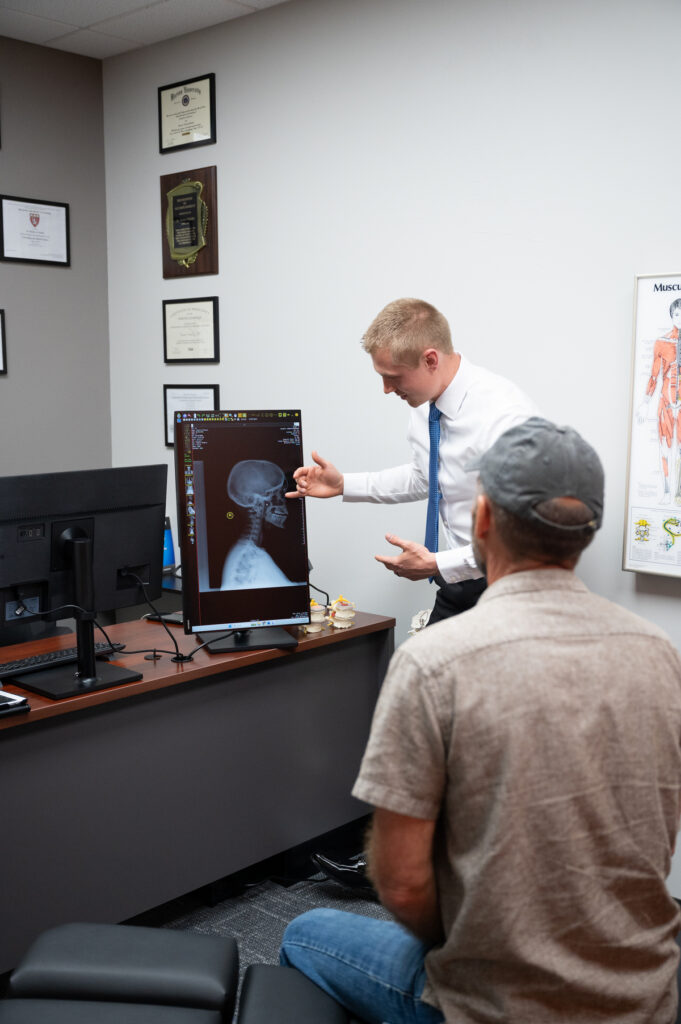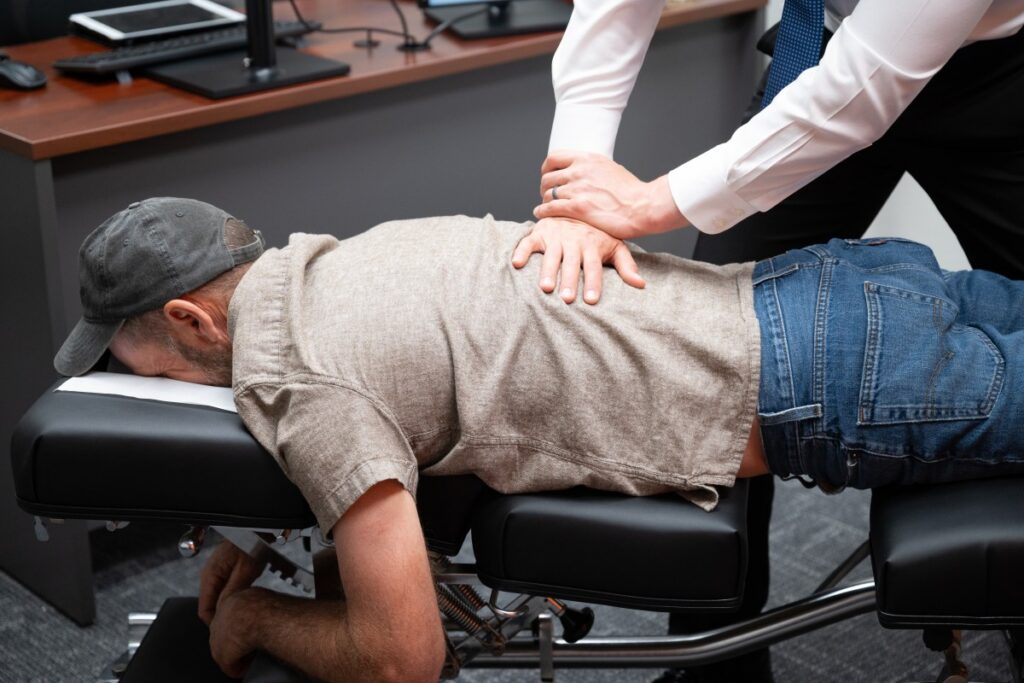

As a local chiropractor, I understand that many of you may be grappling with lower back pain and are unsure about the best way to find relief. You're likely considering conventional treatments like medications and physical therapy, which focus on providing quick relief. However, I want to share the benefits of chiropractic care and other natural healing methods that prioritize long-term wellness.
Chiropractic care is designed to address the root cause of your pain, rather than just masking the symptoms. By aligning your spine and improving your body's function, we can help you achieve lasting relief and prevent future issues. Alongside chiropractic adjustments, therapies like acupuncture can also play a supportive role in your healing journey by promoting relaxation and reducing muscle tension.
It's essential to recognize that these approaches can work hand in hand, enhancing the effectiveness of your overall treatment plan. So, how do you find the right combination that suits your needs? Together, we can explore the nuances of both conventional and alternative strategies to determine what might truly make a difference in your recovery. My goal is to empower you with the knowledge and options you need to take charge of your health and well-being.
Overview of Lower Back Pain
As a local chiropractor, I want to take a moment to discuss the prevalent issue of lower back pain, which many of you may experience at various stages in life. This discomfort can range from a dull ache to sharp, debilitating pain that significantly impacts your day-to-day activities. The causes of lower back pain are diverse and can include muscle strain, herniated discs, or even degenerative conditions like arthritis. Understanding the nature of your pain is crucial for finding effective ways to manage it naturally.
When you consider your daily routines, it's essential to recognize how certain activities might be contributing to your back pain. Lifting heavy objects, maintaining poor posture while sitting, or even being inactive for extended periods can all aggravate your discomfort. By paying attention to these habits, you can gain valuable insights into how they affect your body and contribute to your pain.
It's also important to note that lower back pain can present differently depending on your age, lifestyle, and overall health. For younger individuals, sports injuries or sudden movements are often the culprits. In contrast, as we age, the natural wear and tear on our spine can lead to chronic discomfort that might require a more holistic approach to treatment.
Additionally, your emotional well-being plays a significant role in how you perceive and manage pain. Stress and anxiety can amplify your awareness of discomfort, making it feel more intense. As a chiropractor, I believe it's vital to address both the physical and emotional aspects of your pain. By understanding the root causes and recognizing how they intertwine with your overall health, you can take meaningful steps toward relief.
In our practice, we focus on natural healing methods that promote spinal alignment and overall wellness. By exploring chiropractic care, you can discover effective strategies to alleviate your lower back pain and improve your quality of life.
Let's work together to find the best approach tailored to your individual needs.
Conventional Treatment Options
As a local chiropractor, I want to share with you some insights into managing lower back pain through natural healing methods.
While many people often turn to medications for quick relief, I encourage you to consider how chiropractic care can address the root causes of your pain.
Techniques such as spinal adjustments and tailored physical therapy can help restore proper function and alignment to your body.
By understanding these natural treatment options, you can take an active role in your recovery and overall well-being.
Let's work together to explore how chiropractic care can empower you on your healing journey.
Medications and Pain Relief
As a local chiropractor, I want to share with you some insights on managing lower back pain, especially if you're unfamiliar with chiropractic care and natural healing options.
While many individuals seek out alternative therapies for pain relief, it's important to understand that conventional medications can also play a role in your recovery journey.
Over-the-counter medications such as ibuprofen and acetaminophen are often the first line of attack for mild to moderate pain. They can effectively reduce inflammation and help with discomfort, but they're just one piece of the puzzle.
For more severe pain, some may turn to stronger medications prescribed by their doctors, like muscle relaxants or opioids. While these may provide significant relief, they come with potential risks, including dependency and side effects. That's why it's crucial to explore holistic approaches alongside any medications you may be considering.
Topical treatments like creams and patches containing menthol or capsaicin can offer localized relief without affecting your entire system. These can be particularly useful during flare-ups and can complement the chiropractic adjustments you might receive in our office.
Additionally, for those experiencing persistent pain that doesn't respond to oral medications, corticosteroid injections can be a viable option. These injections work by targeting inflammation directly at the source, offering more immediate relief.
At our chiropractic practice, we emphasize the importance of a comprehensive approach to pain management. By collaborating closely with your healthcare provider and exploring various treatment options—including chiropractic adjustments, physical therapy, and lifestyle changes—you can make informed choices that align with your healing journey.
#
Physical Therapy Techniques
As a local chiropractor, I want to emphasize how incorporating various physical therapy techniques into your recovery plan can significantly improve your management of lower back pain. Chiropractic care is centered around restoring your body's function and alleviating discomfort through natural healing methods.
Here are three essential techniques that I often recommend to my patients:
- Strengthening Exercises: These exercises focus on fortifying the core muscles that support your spine. By enhancing the strength of these muscles, you can achieve better stability and significantly lower your chances of injury, promoting a healthier back in the long run.
- Stretching and Flexibility Work: Adding stretching routines to your daily routine can help release tension in tight muscles, improve your overall range of motion, and encourage better posture. This is particularly beneficial for easing pain that stems from muscle tightness, allowing your body to move more freely and comfortably.
- Manual Therapy: This hands-on approach involves manipulating your muscles and joints to enhance mobility and improve circulation. Many of my patients experience immediate relief from this technique, which can help you regain function more swiftly and effectively.
## Physical Therapy Techniques
As a local chiropractor, I want to share how chiropractic care can be an integral part of managing lower back pain and enhancing your overall mobility. When you come to see me, I'll conduct a thorough assessment of your condition and develop a personalized treatment plan tailored specifically to your needs. This individualized approach is crucial because lower back pain can manifest differently in each person.
One of the primary techniques we utilize is a combination of spinal adjustments and therapeutic exercises. These adjustments help realign the spine and alleviate pressure on the nerves, while the exercises focus on improving flexibility and strengthening the muscles that support your back. This dual approach not only helps relieve pain but also reduces the risk of future issues.
Manual therapy is another significant aspect of chiropractic care. Through hands-on techniques, I can mobilize and manipulate your spine and surrounding muscles, which can relieve tension and enhance your movement. Many patients report not only reduced pain but also an improved range of motion after these sessions.
Education also plays a vital role in your recovery. I'll teach you about proper body mechanics and posture to help you avoid further strain on your back during daily activities. Additionally, I can provide guidance on ergonomics, ensuring that your workspace is designed to keep you comfortable and reduce discomfort.
Lastly, consistency is key in any chiropractic care plan. Regular follow-up visits are essential to reinforce the techniques you've learned and to ensure your progress continues.
Medications for Pain Relief
As a local chiropractor, I want to emphasize the holistic benefits of chiropractic care for managing lower back pain. While our primary focus is on natural healing and spinal alignment, it's important to understand that medications can also play a role in your overall pain relief strategy.
Depending on your symptoms and health history, there may be various medications that can help alleviate discomfort and enhance your daily activities.
Here are three common categories of medications that you might encounter:
- Over-the-Counter Pain Relievers: Nonsteroidal anti-inflammatory drugs (NSAIDs), such as ibuprofen or naproxen, are often recommended to help reduce inflammation and ease pain. These medications serve as a first line of defense for mild to moderate pain and can complement the benefits of chiropractic adjustments.
- Prescription Medications: In certain cases, when over-the-counter options fall short, your healthcare provider may prescribe stronger medications. This could include muscle relaxants to help with spasms or opioids for more intense pain. It's essential to use opioids with caution, as they carry a risk of dependency.
- Topical Treatments: For targeted relief, creams or patches that contain analgesics can be applied directly to the painful area. These topical treatments typically have fewer side effects than oral medications, making them a suitable option for many individuals seeking pain relief.
As your chiropractor, my goal is to work alongside you to create a comprehensive pain management plan that may include both natural healing methods and appropriate use of medications when necessary.
Together, we can find the best approach to help you feel better and improve your quality of life.
Exploring Alternative Treatments
As a local chiropractor, I want to share some insights about managing lower back pain through alternative treatments that can complement traditional methods. Many of my patients find that exploring these options not only provides relief but also empowers them to take charge of their pain management.
One of the cornerstone methods I utilize in my practice is chiropractic care. Through spinal manipulation, we work to realign the spine, which can significantly alleviate pain and improve overall function. If you're new to chiropractic care, I encourage you to schedule a visit and see how this approach may benefit you.
Physical therapy is another valuable option. A skilled therapist can create a customized exercise program aimed at strengthening your back muscles, enhancing flexibility, and promoting better posture. These targeted exercises often lead to long-term relief and help prevent future back issues.
Yoga has also become increasingly popular among my patients as a complementary treatment. By engaging in specific poses and breathing techniques, many find that they experience greater flexibility and reduced stiffness in their backs. Additionally, yoga promotes relaxation, which is essential for effective pain management.
Mindfulness and meditation are two more alternative approaches that can be quite beneficial. By concentrating on your breath and staying present in the moment, you can develop effective coping strategies for pain, lower stress levels, and enhance your overall well-being.
Lastly, I often recommend discussing herbal remedies or dietary supplements with your healthcare provider. It's important to ensure that any new treatments are appropriate for your individual health needs.
As you explore these alternative treatments, I hope you find the relief and support you need on your journey to better back health. Remember, you don't have to navigate this path alone—I'm here to help!
Acupuncture Benefits
As a local chiropractor, I often recommend various alternative treatments for managing lower back pain, and one that many of my patients find particularly beneficial is acupuncture. This ancient healing practice involves the insertion of thin needles into specific points on the body, which aims to balance energy flow and promote the body's natural healing processes.
If you're new to acupuncture, here are some key benefits that you might experience:
- Pain Relief: Many of my patients have reported significant reductions in their pain levels after just a few acupuncture sessions. This treatment can stimulate the release of endorphins—your body's natural painkillers—allowing you to feel more comfortable as you go about your daily activities.
- Reduced Muscle Tension: If tight muscles are contributing to your back pain, acupuncture can be a great way to help them relax. By specifically targeting acupuncture points, this therapy can alleviate muscle tension and enhance your overall flexibility, making movement easier and less painful.
- Improved Sleep Quality: Chronic pain often disrupts sleep, leading to fatigue and increased discomfort. Acupuncture has been shown to promote better sleep patterns, helping you achieve deeper rest and wake up feeling rejuvenated.
While everyone's experience with acupuncture may differ, many individuals find it to be a valuable component of their pain management plan.
If you're considering this treatment, I highly recommend consulting with a licensed acupuncturist who can assess your unique condition and tailor the treatment to meet your specific needs.
For those looking for holistic approaches to alleviate lower back pain, acupuncture could be worth exploring alongside chiropractic care. Together, these therapies can support your journey toward better health and wellbeing.
Chiropractic Care Insights
As a local chiropractor, I want to take a moment to educate you about how chiropractic care can be an effective solution for managing lower back pain. Our approach is hands-on and centers around the connection between your spine and nervous system.
When you come to our clinic, we start with a comprehensive assessment to pinpoint any misalignments or restrictions in your spine. These misalignments can disrupt your body's natural healing processes and lead to pain and discomfort.
During your chiropractic sessions, we use a variety of techniques, including spinal manipulation and adjustments, to help restore proper alignment. This not only alleviates pressure on nerves but also reduces inflammation and enhances mobility. Many of our patients experience immediate relief after their first visit, which often encourages them to continue their treatment journey with us.
In addition to adjustments, we're committed to empowering you with knowledge about exercises and stretches that are tailored specifically for your needs. These exercises are designed to strengthen your core, improve flexibility, and support spinal health, all of which are crucial in preventing future episodes of pain.
We also provide guidance on ergonomic practices for your daily activities, ensuring that you maintain proper posture and minimize strain on your back.
I want to emphasize that chiropractic care is generally safe and non-invasive. It's important for you to communicate openly with us about your specific condition and any other treatments you may be receiving.
This collaboration allows us to deliver the most effective care possible, helping you regain control over your lower back pain and improve your overall quality of life. We're here to support you on your journey to wellness!
Herbal Remedies and Efficacy
As your local chiropractor, I want to help you understand the potential of herbal remedies for relieving lower back pain.
Many patients explore natural options like turmeric and devil's claw, but it's essential to know how effective these remedies really are.
While they're widely used in the community, the scientific evidence supporting their benefits can differ.
Let's dive deeper into these herbal remedies and discuss what the research indicates about their efficacy, as well as how they can complement chiropractic care for optimal healing.
Common Herbal Remedies
As a chiropractor, I often encounter patients seeking relief from lower back pain. Many individuals are surprised to learn that nature offers various remedies that can complement chiropractic care.
Let's explore three popular herbal remedies that may help alleviate your discomfort:
- Turmeric: This bright yellow spice is packed with curcumin, a compound celebrated for its anti-inflammatory effects. By incorporating turmeric into your meals or considering it as a supplement, you may find it helpful in reducing pain and inflammation associated with lower back issues.
- Ginger: Known for its natural analgesic and anti-inflammatory properties, ginger is another excellent option for managing lower back pain. Whether enjoyed fresh, brewed as tea, or taken in supplement form, ginger can potentially provide pain relief and support your recovery.
- Willow Bark: Often referred to as nature's aspirin, willow bark has been utilized for centuries to ease pain. It contains salicin, which your body converts to salicylic acid, offering relief akin to that of aspirin.
Integrating these herbal remedies into your wellness routine might enhance your healing process alongside chiropractic adjustments.
However, I always recommend discussing any new treatments with your healthcare provider to ensure they align with your individual health needs. Together, we can work towards a natural and effective approach to managing your lower back pain.
Scientific Evidence Review
As a local chiropractor, I want to share some insights about herbal remedies for lower back pain, especially for those of you who may not be familiar with chiropractic care and natural healing options.
There's a lot of interesting research out there regarding herbs that might help with pain relief and inflammation. For example, herbs like turmeric and willow bark have shown potential in studies to help reduce inflammation and ease discomfort. The active ingredient in turmeric, curcumin, has demonstrated anti-inflammatory effects, which could be beneficial for managing your lower back pain.
However, while these findings are promising, it's important to approach them with a bit of caution. Many of the studies are small or lack comprehensive methodologies, which means we shouldn't take these results at face value.
It's also crucial to understand that everyone's body is different—what works for one person may not work for another. Some individuals may experience relief from these herbal remedies, while others mightn't see any change at all.
Additionally, we should consider that there aren't standardized dosages for these herbs, and they might interact with other medications you're taking. That's why it's always a good idea to talk to a healthcare provider—like me—before trying any herbal treatments.
I can help you evaluate the safety and effectiveness of these options based on your unique situation.
In conclusion, while herbal remedies can be a helpful addition to your pain management plan, they should complement, not replace, conventional medical treatments.
Conclusion
As a local chiropractor, I want to share with you the importance of managing lower back pain through a comprehensive approach that includes both conventional and alternative treatments. Many people are unfamiliar with chiropractic care and its benefits, so let's explore how combining traditional methods—like medications and physical therapy—with natural healing practices can lead to effective pain relief.
Chiropractic care focuses on the alignment of the spine and musculoskeletal system, which plays a crucial role in your overall health. By incorporating adjustments and other techniques, we can help alleviate pain, improve mobility, and support your body's natural healing process. Additionally, therapies such as acupuncture can complement chiropractic treatment by addressing pain from another angle.
It's essential to take a multidisciplinary approach to lower back pain management. I encourage you to explore these options and consider how they can work together to enhance your recovery. Each individual is unique, and finding the right combination of treatments can greatly improve your quality of life. Remember, you don't have to navigate this journey alone—I'm here to guide you every step of the way.