
Disc Bulges in Green Bay: Symptoms, Causes, and Chiropractic Care
If you’ve been told you have a disc bulge—or you suspect one because of stubborn back or leg pain—you’re not alone. Here in Green Bay, we help people every week who are dealing with disc-related pain that interrupts work, sleep, and the activities they love. The good news: with a clear plan and the right chiropractic care, most disc bulges can be managed effectively and safely.
What is a disc bulge? A disc bulge happens when one of the soft cushions between your spinal bones presses outward beyond its usual boundary. This can irritate nearby joints or nerves and cause back pain, leg pain, or numbness.
Understanding Disc Bulges
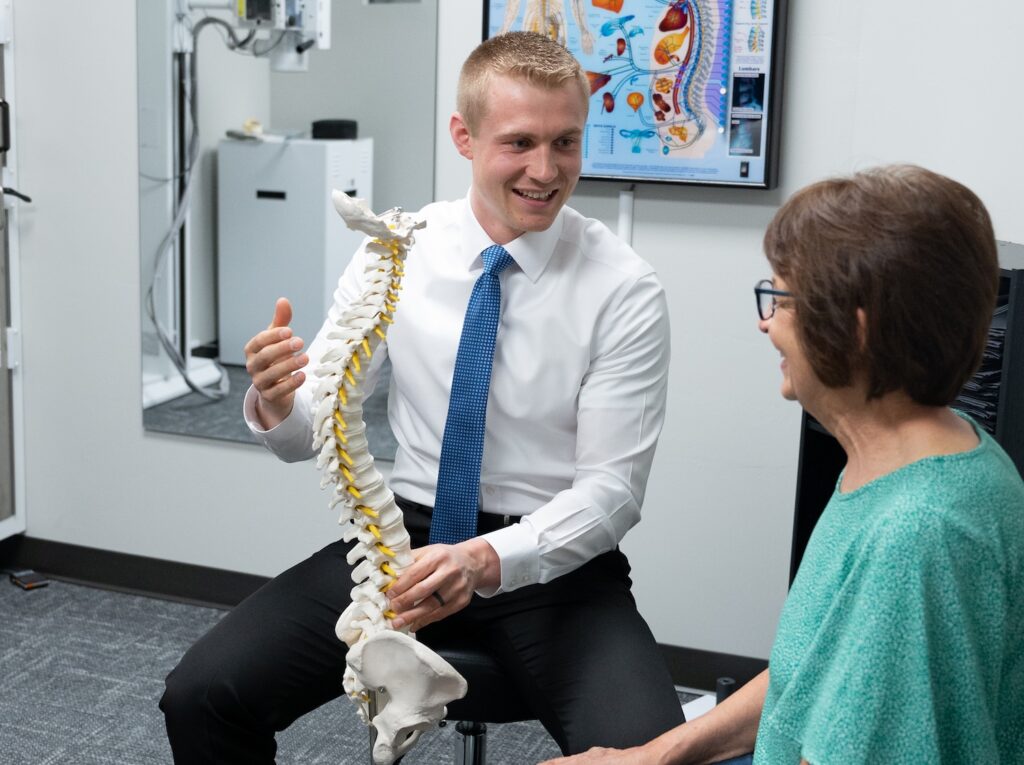
Your spine is made of a stack of bones (vertebrae) with discs in between. Discs act like shock absorbers. They have a tough outer ring and a softer, gel-like center. When the outer ring weakens or stretches, the disc can bulge outward.
A disc bulge is different from a disc herniation. With a bulge, the outer ring is still intact and pushing outward. With a herniation, the inner gel leaks through a tear. Both can irritate nearby nerves and cause symptoms like sciatica, but the mechanics are slightly different.
Most disc bulges happen in the lower back (lumbar spine) and neck (cervical spine). They often respond well to conservative, non-invasive chiropractic care that restores motion, reduces pressure, and supports healing.
Common Causes in Daily Life
Disc bulges tend to develop from a mix of everyday stress, posture, and how we move. Age-related changes in the disc are normal, and when combined with repetitive bending, twisting, or long hours of sitting, the outer disc can start to protrude.
We see this after heavy lifting, yard work, or a weekend of snow shoveling—very common here in Green Bay winters. Sometimes a single event triggers symptoms, but often it’s a “straw that broke the camel’s back” on top of weeks or months of strain.
Other contributors include deconditioning of the deep core, prior injuries, and prolonged vibration from driving. The key point: most disc bulges are manageable when we address both the irritated tissue and the habits that keep it overloaded.
Signs and Symptoms to Watch For
Symptoms can range from mild to intense. The pattern can help us pinpoint which disc and nerve may be involved.
- Low back or neck pain that may feel sharp, burning, or achy
- Pain traveling into the leg (sciatica) or into the arm and hand
- Numbness, tingling, or a “pins and needles” sensation
- Symptoms worse with sitting, bending, coughing, or first thing in the morning
- Trouble standing up straight or feeling “locked up”
- Relief when walking, changing positions, or gently unloading the spine
Not every disc bulge causes pain. Some show up on imaging with no symptoms at all. That’s why a thorough exam matters more than a scan alone.
How We Diagnose a Disc Bulge in Green Bay
At 920 Chiropractic Health & Injury Care, your evaluation starts with a detailed history and movement assessment. We’ll ask what makes your pain better or worse, how it started, and how it affects sleep, work, and exercise.
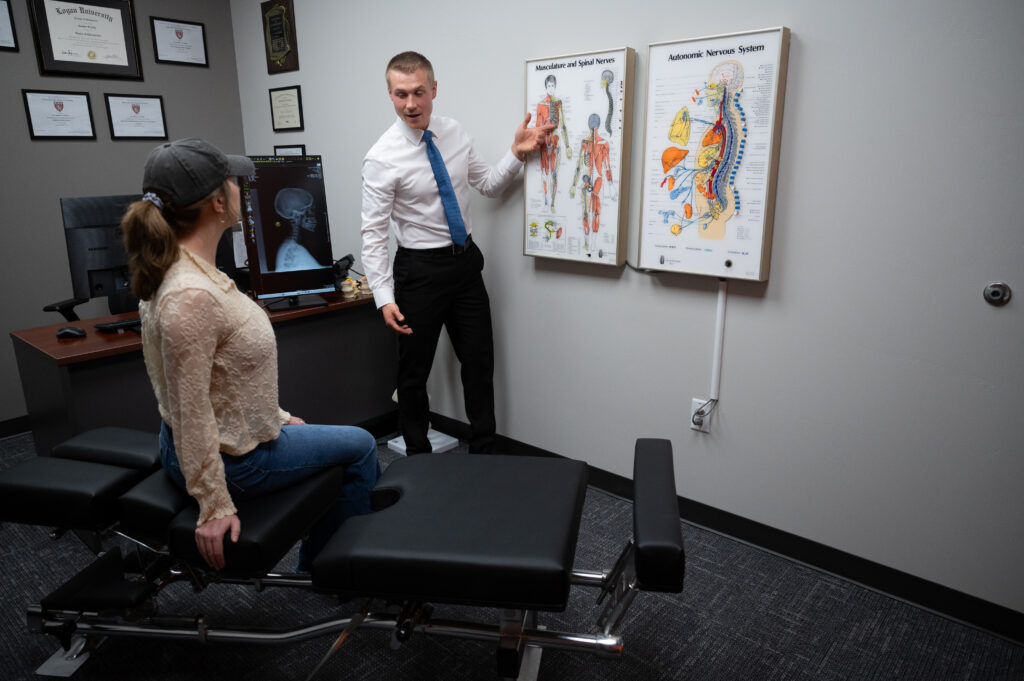
We perform orthopedic and neurological tests to check nerve tension, muscle strength, reflexes, and sensation. Simple movements—like bending, extending, or turning—help us identify patterns that reduce or centralize your symptoms.
Imaging is not always necessary. If needed, we may recommend X-rays or refer for an MRI, especially when symptoms are severe, worsening, or not improving as expected. The goal is to guide the safest, most effective plan—not to chase every finding on a scan.
How Chiropractic Care Treats Disc Bulges
Chiropractic is a first-line, non-invasive approach for disc-related back and neck pain. Our focus is to relieve pressure, improve joint motion, calm irritated nerves, and restore confident movement. Evidence-based guidelines include spinal manipulation among recommended conservative options for back pain, and manual therapy may be used for sciatica as part of a comprehensive plan tailored to you.
What that looks like in our office:
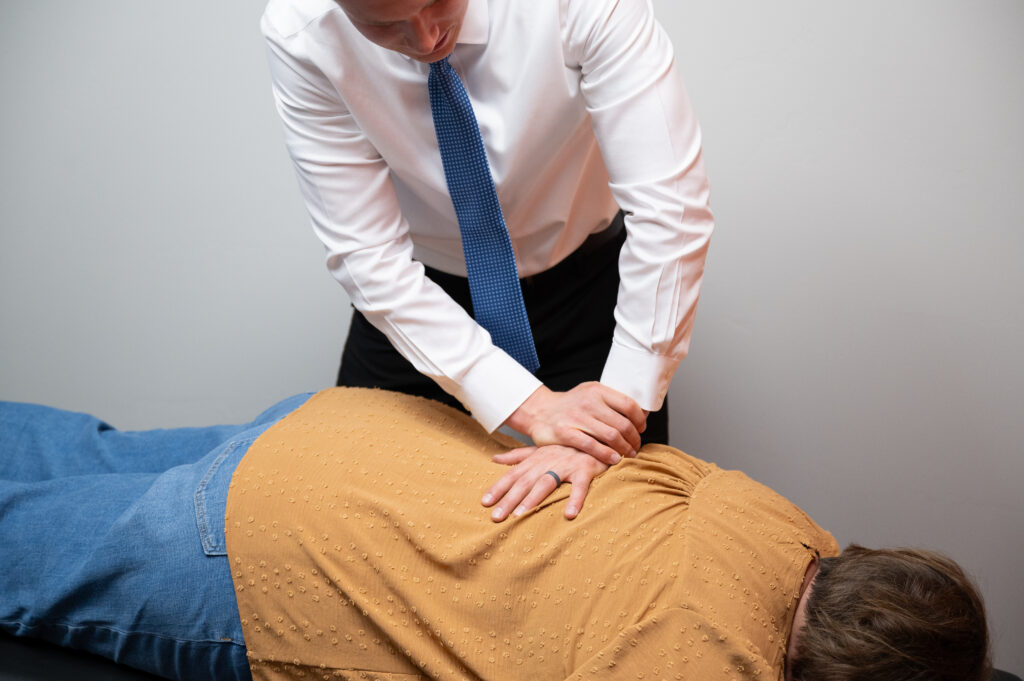
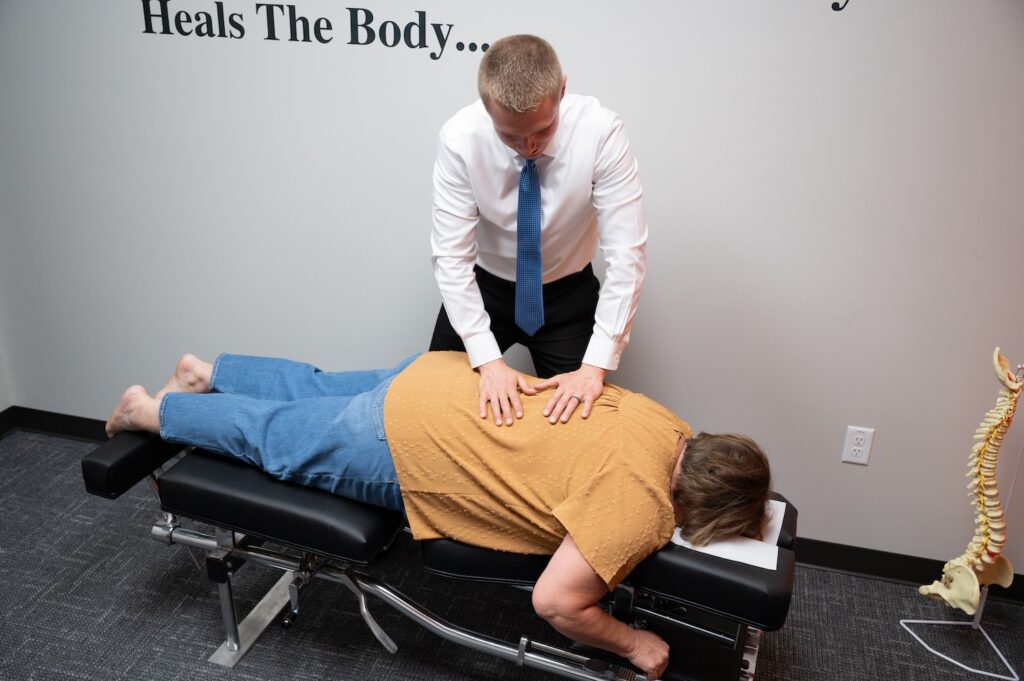
- Spinal adjustments: Gentle, precise chiropractic adjustments help restore healthy motion in the spine. Better motion can reduce mechanical stress on the disc and surrounding joints, and it helps the nervous system regulate pain more effectively.
- Non-surgical Spinal Decompression Therapy: Gentle traction of the low back increases negative pressure in the disc attempting to suck the jelly disc fluid back into the disc. It also increases nutrients and hydration to the spinal discs to keep them healthy.
What to Expect at 920 Chiropractic Health & Injury Care
Your first visit is about clarity and comfort. We listen to your story, examine carefully, and explain our findings in plain language. You’ll understand what’s going on and what we can do about it—together.
We begin with the least irritating, most effective methods. Early visits focus on calming the area, improving motion, and finding movements that relieve your specific pattern of symptoms. We pace care to your tolerance.
As your pain eases, we progress to stabilization and resilience. You’ll learn simple exercises and daily strategies that protect your spine during work, workouts, and family life. We reassess regularly and adjust your plan as you improve.
Our goal is not just to get you out of pain—it’s to help you move with confidence so episodes become less frequent and less intense.
Practical Tips for Relief and Prevention
Small changes add up. These strategies often make daily life more comfortable while you heal.
- Change positions often. Alternate sitting and standing. Take brief movement breaks every 30–45 minutes.
- Support your natural curves. Use a small lumbar roll or towel when sitting to keep a gentle inward lower back curve.
- Walk daily. Short, easy walks promote circulation and reduce stiffness.
- Choose a side-lying or back-sleeping position. Use pillows to keep your spine neutral and comfortable.
- Hip-hinge when lifting. Keep loads close, use your legs, and avoid twisting while bent.
- Let comfort guide heat or ice. Use the option that calms symptoms without numbing or overheating the skin.
- Stay engaged, not immobilized. Gentle movement usually beats bed rest for disc-related pain.
If any activity spikes pain down the arm or leg, back off and let your chiropractor know. We’ll adjust the plan.
When to See a Chiropractor
Don’t wait for a disc bulge to “settle down” on its own if it’s interfering with your day. Chiropractic care is most effective when we address the problem early and coach you through the right movements.
Consider scheduling if back or neck pain has lasted more than a few days, you feel pain shooting into an arm or leg, or you’re noticing numbness or tingling. Also reach out if symptoms keep returning after lifting, shoveling, or long drives around Green Bay.
If you’re unsure whether it’s a disc issue, we’ll help you figure it out and point you in the safest, most effective direction.
When to Seek Medical Care Urgently
Disc bulges are rarely emergencies, but certain red flags need immediate medical attention. Go to urgent care or the ER if you experience any of the following:
- Severe or worsening weakness in an arm or leg
- New loss of bowel or bladder control
- Numbness in the saddle area
- Unexplained fever with back pain
- A recent significant fall or accident
- History of cancer with new, persistent back pain
Myths and Facts About Disc Bulges
| Myth | Fact |
|---|---|
| A bulged disc always needs surgery. | Most disc bulges improve with conservative chiropractic care and smart activity changes. |
| If my MRI shows a bulge, I’ll always have pain. | Many people have bulges with no symptoms. Your exam and response to care matter most. |
| Rest until all pain is gone. | Gentle, guided movement usually helps you recover faster than strict bed rest. |
| Adjustments are unsafe for disc problems. | When performed by a trained chiropractor, spinal manipulation and mobilization are considered safe for most people; techniques are tailored to your tolerance. |
| I need imaging before starting care. | Not always. A careful history and exam often provide enough information to begin safe, effective treatment. |
Caring for Green Bay: Final Thoughts
At 920 Chiropractic Health & Injury Care, we’re proud to be part of the Green Bay community. From busy parents and desk workers to teachers, tradespeople, and weekend warriors, our mission is to help you stay active and comfortable—without unnecessary medications or procedures.
If a disc bulge is slowing you down, we’re here with clear answers and a hands-on plan. Reach out when you’re ready. Together, we’ll help you move better and feel more like yourself again.
FAQs
Do disc bulges heal?
Many improve significantly over time with the right chiropractic care, movement strategies, and daily habit changes. The body is built to adapt and heal.
What’s the difference between a disc bulge and a herniation?
A bulge is a broad outward press of the disc. A herniation is when the inner material leaks through a tear. Both can irritate nerves and cause similar symptoms.
Do I need an MRI to confirm a disc bulge?
Not necessarily. Most cases can be assessed clinically. MRI is considered when symptoms are severe, worsening, or not improving as expected.
Is chiropractic safe if I have a disc bulge?
Yes, when provided by a trained chiropractor and tailored to you. We select techniques and positions that calm symptoms and support healing.
How long until I feel better?
Many people notice progress within the first few weeks. Timelines vary based on severity, lifestyle factors, and how consistently we follow the plan.
Can I exercise with a disc bulge?
Usually yes, with the right guidance. Gentle walking and specific exercises are often helpful. We’ll show you what to do—and what to avoid—for now.
TL;DR
- A disc bulge is when the cushion between spinal bones presses outward, sometimes irritating nerves.
- Chiropractic care is a frontline, non-invasive way to relieve pain, restore motion, and support healing.
- Most disc bulges improve without surgery when we pair hands-on care with smart movement and daily habit changes.
- Seek urgent medical help for red flags like severe weakness, bowel/bladder changes, or saddle numbness.
- If you’re in Green Bay and dealing with back or leg pain, we’re here to help you find relief and get moving again.