
If you're struggling with migraines, you might find yourself exploring various treatment options. Chiropractic care has gained attention for its potential to alleviate migraine symptoms by focusing on spinal health and nerve function. Many people have experienced significant relief through targeted adjustments and tailored approaches. But how exactly does this non-invasive method work, and what specific techniques do chiropractors use to tackle migraines? Understanding these aspects could be key to enhancing your quality of life.
Understanding Migraines
Migraines can strike unexpectedly, leaving you in debilitating pain and discomfort. You might experience a range of symptoms, including intense throbbing on one side of your head, nausea, and sensitivity to light and sound. These episodes can last anywhere from a few hours to several days, making it difficult to engage in daily activities. Understanding what happens during a migraine attack is essential for managing your condition effectively.
During a migraine, your brain undergoes various changes, including alterations in blood flow and inflammation. You may also notice certain triggers that seem to set off your migraines, such as stress, hormonal fluctuations, or specific foods. Identifying these triggers can help you take preventive measures. Keeping a migraine diary can be an effective tool for tracking patterns and recognizing what might lead to your next episode.
Another key aspect of understanding migraines is recognizing the different types. You may experience a classic migraine, which includes an aura before the headache, or a common migraine without aura. Knowing which type you have can aid in selecting the right treatment options.
It's also important to remember that you're not alone in this struggle. Millions of people worldwide suffer from migraines, and there are various approaches to managing them. By understanding your migraines better, you can empower yourself to seek appropriate care and find relief, potentially improving your quality of life.
Causes of Migraines
Migraines can be triggered by various neurological factors that affect how your brain processes pain.
Additionally, certain lifestyle choices like diet, sleep patterns, and stress levels can greatly impact the frequency and intensity of your migraines.
Understanding these causes is essential for finding effective relief strategies.
Neurological Triggers Explained
Understanding the complex interplay of neurological triggers can shed light on how migraines develop. Your nervous system plays a vital role in this process. When certain triggers activate your brain's pathways, they can lead to the release of neuropeptides, which cause inflammation and pain. These triggers often include changes in brain activity, neurotransmitter fluctuations, and even genetic predispositions.
The aura some experience before a migraine is a clear example of neurological triggers at work. This phenomenon may include visual disturbances or tingling sensations, indicating that your brain is reacting to specific stimuli. Additionally, abnormal electrical activity in your brain can create a cascade of events, ultimately leading to a full-blown migraine attack.
Hormonal changes, particularly fluctuations in estrogen, can also be significant triggers. If you're a woman, you might notice migraines coincide with your menstrual cycle.
Stress and anxiety affect your body's chemistry, further complicating the situation. Understanding these neurological triggers can empower you to identify patterns and seek effective chiropractic care tailored to your needs.
Lifestyle Factors Impacting Migraines
Many everyday lifestyle factors can greatly influence the frequency and intensity of migraines. For instance, your sleep patterns play an essential role. Whether you're getting too much or too little sleep, both can trigger migraines. Aim for a consistent sleep schedule to help stabilize your body's rhythms.
Diet also impacts your migraine episodes. Certain foods, like aged cheeses, processed meats, and artificial sweeteners, might lead to headaches. Keep a food diary to identify any specific triggers. Additionally, dehydration is a common culprit, so make sure you drink enough water throughout the day.
Stress management is important too. High-stress levels can lead to muscle tension and, ultimately, migraines. Consider incorporating relaxation techniques like yoga or meditation into your routine. Regular physical activity can also help reduce stress and improve overall well-being.
Lastly, don't forget about screen time. Prolonged exposure to screens can contribute to eye strain and migraines. Take regular breaks to rest your eyes.
How Chiropractic Care Works
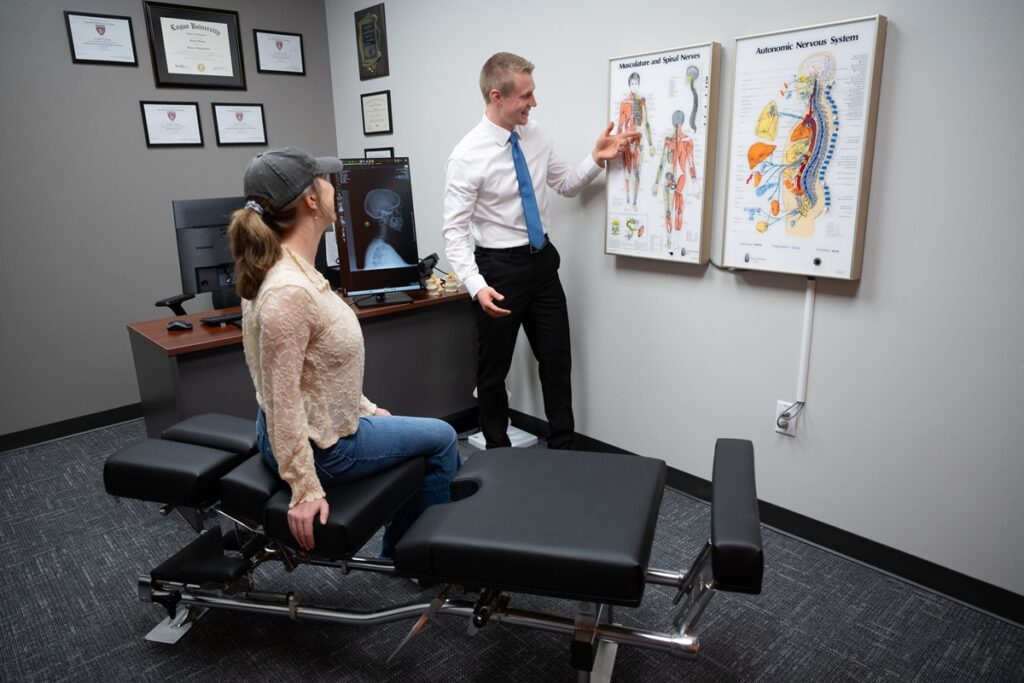
Chiropractic care focuses on spinal manipulation to alleviate tension and improve alignment.
By enhancing nerve function, it can directly impact how your body responds to pain, including migraines.
Understanding these mechanisms helps you appreciate the potential benefits of chiropractic treatment for migraine relief.
Spinal Manipulation Benefits
When it comes to finding relief from migraines, spinal manipulation offers a promising approach that targets the root of the issue. By adjusting the spine, chiropractors aim to restore proper alignment, which can alleviate tension and pressure in the surrounding muscles and nerves. This realignment helps improve blood flow and reduces inflammation, both of which are essential in managing migraine symptoms.
You might notice that after a spinal manipulation session, there's a significant reduction in the frequency and intensity of your migraines. This technique also promotes better posture, which can play an important role in preventing migraine triggers.
Additionally, spinal manipulation may enhance the overall function of your neck and back, leading to less strain and discomfort. Chiropractors often tailor their manipulation techniques to suit your specific needs, ensuring a personalized approach to your care.
Nerve Function Improvement
Improving nerve function is a critical aspect of how chiropractic care can effectively alleviate migraine symptoms. When you visit a chiropractor, they focus on enhancing the communication between your brain and body through spinal adjustments. Misalignments in your spine can disrupt nerve signals, leading to increased tension and pain, which may trigger migraines.
By realigning your spine, chiropractic adjustments help restore proper nerve function. This process reduces inflammation and allows your body to better manage pain signals. As nerve pathways become clearer, you'll likely experience fewer migraine episodes and less intensity during those that do occur.
Additionally, chiropractic care may help alleviate muscle tension around the neck and shoulders, areas often associated with migraine pain. When these muscles relax, the pressure on surrounding nerves decreases, further enhancing your overall well-being.
Regular chiropractic visits can also improve your posture, reducing strain on your nervous system. This proactive approach can lead to long-term benefits, as you learn to maintain a healthier spine and nerve function.
Techniques Used by Chiropractors
Chiropractors employ a variety of techniques to alleviate migraine symptoms, focusing on spinal adjustments and soft tissue therapies. These methods aim to improve spinal alignment, enhance nerve function, and relieve muscle tension, which can all contribute to migraine relief.
Here are some common techniques you might experience during your visits:
- Spinal Manipulation: This technique involves precise adjustments to the vertebrae in your spine, which helps restore proper alignment and function. It can reduce nerve irritation and improve blood flow.
- Soft Tissue Therapy: Chiropractors often use techniques like massage or trigger point therapy to release muscle tension. This can help reduce stress on the nervous system, which may trigger migraines.
- Stretching and Strengthening Exercises: Your chiropractor may recommend specific exercises to improve flexibility and strengthen the muscles around your neck and spine. This can help prevent future migraine episodes.
- Postural Training: Poor posture can contribute to migraines. Chiropractors will assess your posture and provide guidance on how to maintain better alignment during daily activities, which can minimize strain on your body.
Benefits of Chiropractic Treatment
Chiropractic treatment offers numerous benefits for those suffering from migraines beyond the techniques used during sessions. One significant advantage is the reduction of headache frequency and intensity. By addressing spinal misalignments, chiropractors can alleviate tension in your neck and shoulders, which often contributes to migraines. You may notice a decrease in the number of migraines you experience, leading to a more comfortable daily life.
Another benefit is improved overall well-being. Chiropractic care focuses on optimizing your body's function, which can enhance your immune system and reduce stress. As you undergo treatment, you might find that not only are your migraines less frequent, but you also feel more energetic and balanced. This holistic approach encourages positive lifestyle changes that contribute to better health.
Additionally, chiropractic treatment promotes better posture. Poor posture can lead to tension in your muscles and trigger migraines. By working with a chiropractor, you'll learn how to maintain proper alignment, which can help prevent future headaches.
Finally, many patients appreciate the non-invasive nature of chiropractic care. Unlike medications that may have unwanted side effects, chiropractic adjustments provide a natural alternative for managing migraines. You'll have the opportunity to explore this drug-free approach to wellness, which many find empowering.
Evidence Supporting Chiropractic Care
When considering chiropractic care for migraine relief, it's important to look at the evidence backing it.
Clinical studies show promising findings, while many patients report significant improvements in their symptoms.
Let's explore these insights to understand how chiropractic treatment can help you.
Clinical Study Findings
How effective is chiropractic care in reducing migraine frequency and intensity? Numerous clinical studies suggest that chiropractic adjustments can play a significant role in alleviating migraine symptoms.
Here are some key findings that highlight the impact of chiropractic care on migraines:
- Reduction in Frequency: Research indicates that patients who receive chiropractic adjustments experience a notable decrease in the frequency of migraines compared to those who don't.
- Decrease in Intensity: Many studies report that chiropractic care leads to a reduction in the intensity of migraine attacks, making them more manageable.
- Improved Functionality: Patients often report enhanced daily functioning and quality of life after receiving consistent chiropractic treatments.
- Long-term Relief: Some studies reveal that regular chiropractic care can provide long-lasting relief, diminishing the need for medication over time.
These findings suggest that chiropractic care isn't just a temporary solution but rather a viable option for those seeking sustained relief from migraines.
If you're struggling with migraine pain, exploring chiropractic treatments may be worth considering.
Patient Case Outcomes
Patient case outcomes provide compelling evidence supporting the effectiveness of chiropractic care for migraine relief. Many patients report significant reductions in the frequency and severity of their migraines after undergoing chiropractic adjustments. For instance, one patient might've experienced weekly migraines for years, only to find that regular chiropractic sessions helped decrease their attacks to once a month.
Through personalized treatment plans, chiropractors assess each patient's unique situation, identifying potential triggers and addressing spinal misalignments. As you engage in this holistic approach, you may notice improvements in your overall well-being. Some patients also report enhanced sleep quality and reduced neck and shoulder tension, which can contribute to migraine relief.
Additionally, a number of success stories highlight how chiropractic manipulation can lead to immediate relief during a migraine episode. Many individuals have shared that they felt a noticeable difference in their symptoms shortly after an adjustment.
Integrating Chiropractic Into Your Plan
Integrating chiropractic care into your migraine relief plan can greatly enhance your overall well-being. By combining traditional treatments with chiropractic techniques, you can target the root causes of your migraines and improve your quality of life.
Here are four effective ways to incorporate chiropractic care into your plan:
- Regular Chiropractic Adjustments: Schedule consistent appointments with your chiropractor. These adjustments help align your spine, which can relieve tension and reduce the frequency of your migraines.
- Posture Assessment: Work with your chiropractor to evaluate your posture. Poor posture can lead to muscle tension and headaches. Your chiropractor can provide exercises and tips to improve your posture both at work and home.
- Customized Treatment Plans: Collaborate with your chiropractor to develop a tailored treatment plan. This plan can include a combination of adjustments, exercises, and lifestyle recommendations that address your specific migraine triggers.
- Stress Management Techniques: Discuss stress management strategies with your chiropractor. Techniques like deep breathing, relaxation exercises, and stretching can complement your chiropractic care and help mitigate migraine occurrences.
Finding a Qualified Chiropractor
When you're ready to seek chiropractic care for migraine relief, finding a qualified chiropractor is crucial to your success. Start by asking your primary care physician for recommendations. They often have a network of trusted professionals and can guide you toward someone experienced in treating migraines.
Next, check for credentials. Verify the chiropractor is licensed and has completed the necessary education and training. You can typically find this information on their practice website or by contacting their office directly. Look for additional certifications in headache management or related fields, which can indicate a specialized focus in treating migraines.
Read reviews and testimonials from other patients. Online platforms can provide insights into the chiropractor's approach, effectiveness, and overall patient satisfaction. This research can help you gauge the chiropractor's experience and compatibility with your needs.
During your initial consultation, pay attention to how the chiropractor communicates. They should listen to your concerns, explain their treatment approach clearly, and tailor their methods to your specific situation.
A good chiropractor will discuss a thorough plan that includes lifestyle modifications, exercises, and possibly other complementary therapies to support your migraine relief.
Finally, trust your instincts. If something feels off or you're not comfortable, don't hesitate to seek another opinion. Finding the right chiropractor can make a significant difference in managing your migraines effectively, so take the time to choose wisely. Your health and well-being depend on it.
Patient Experiences and Testimonials
Over the years, many individuals have shared their positive experiences with chiropractic care for migraine relief. You might be surprised to learn how effective chiropractic adjustments can be in alleviating migraine symptoms.
Here are a few compelling reasons why people have turned to chiropractors for their headaches:
- Reduced Frequency: Many patients report a significant decrease in the frequency of their migraines after starting chiropractic treatment. Regular adjustments can help keep tension at bay.
- Less Intensity: Along with reduced frequency, numerous individuals experience less severe migraine episodes. Adjustments may help ease the intensity of pain, making it more manageable.
- Improved Functionality: Those who've undergone chiropractic care often find they can resume daily activities without being hindered by migraines. This improvement in functionality can greatly enhance your quality of life.
- Holistic Approach: Patients appreciate that chiropractic care addresses the root cause of their migraines rather than just masking the symptoms. This thorough approach can lead to long-term relief.
Many who've tried chiropractic care for their migraines speak highly of their experiences. They often emphasize the supportive environment and personalized treatment plans that cater to their specific needs.
If you're struggling with migraines, hearing these testimonials might inspire you to explore chiropractic care as a viable option. With each story, it becomes clearer that you're not alone in your journey toward finding effective migraine relief.
Tips for Managing Migraines at Home
Chiropractic care can be a powerful ally in your battle against migraines, but it's also important to contemplate additional strategies for managing them at home. Start by tracking your migraine triggers. Keep a journal to note when migraines occur, what you ate, your stress levels, and any environmental factors. Identifying patterns can help you avoid specific triggers.
Next, establish a consistent routine. Regular sleep, meals, and exercise can notably impact your migraine frequency. Aim for seven to eight hours of sleep each night and try to go to bed and wake up at the same time daily. Staying hydrated is essential too; aim for at least eight glasses of water a day.
Incorporate relaxation techniques into your daily life. Practices like yoga, meditation, or deep breathing exercises can help alleviate stress, a common migraine trigger. When a migraine strikes, find a quiet, dark room to rest. Applying a cold compress to your forehead can help reduce pain.
Consider dietary adjustments as well. Some people find relief by avoiding certain foods like aged cheeses, processed meats, and excessive caffeine. Instead, focus on whole foods and a balanced diet rich in fruits, vegetables, and whole grains.
Lastly, don't hesitate to reach out for support. Whether from friends, family, or online communities, sharing your experiences can provide comfort and valuable tips. By combining chiropractic care with these home strategies, you can empower yourself in managing your migraines more effectively.
Conclusion
Incorporating chiropractic care into your migraine management plan can be a game changer. By focusing on spinal alignment and addressing individual triggers, you may experience reduced frequency and intensity of your migraines. With personalized treatment and expert techniques, chiropractors provide a non-invasive alternative to medication. Don't hesitate to explore this option—finding a qualified chiropractor could lead you to a path of relief and improved quality of life. Take control of your migraines and enhance your well-being today!