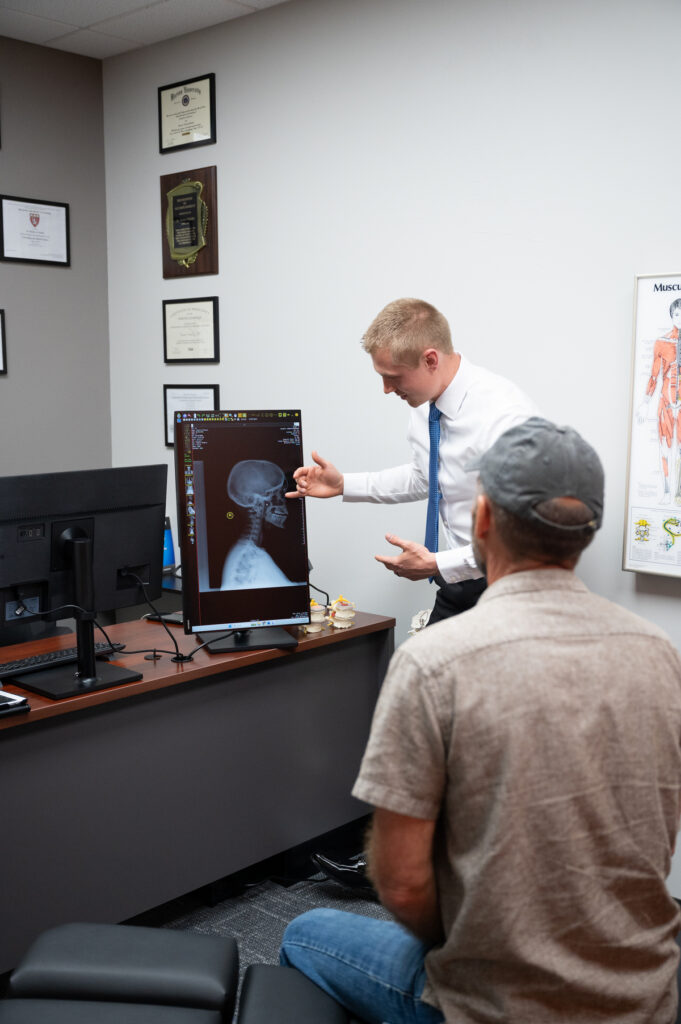

As a local chiropractor, I want to share with you an important insight: your spine plays a crucial role in the functioning of your brain. Many people don't realize that when your spine is properly aligned, it enhances the communication between your brain and body. This alignment can significantly impact various cognitive functions, including memory and problem-solving abilities. Conversely, if your spine is misaligned, it can lead to mental fog and decreased energy levels.
So, how can you ensure that your spine is supporting your cognitive health? The answer lies in a holistic approach to spinal care that may surprise you. Regular chiropractic adjustments can help restore proper alignment, which in turn can optimize your brain function. Additionally, incorporating practices such as proper posture, exercise, and nutrition can further enhance your spinal health and cognitive performance.
I invite you to explore how chiropractic care can help you unlock the full potential of your brain through effective spinal health. Together, we can work towards a better, healthier you!
The Spine-Brain Connection
As your local chiropractor, I want to emphasize the vital role your spine plays in connecting your brain to the rest of your body. It's easy to overlook, but your spine is much more than just a bony structure; it serves as a crucial communication highway. The spinal cord, which is protected by the spine, transmits signals between your brain and various parts of your body. Every thought you have and every movement you make relies on this intricate connection.
When your brain sends a signal, it travels down the spinal cord and branches out into peripheral nerves that reach your limbs and organs. This allows you to react quickly to stimuli, whether it's pulling your hand away from something hot or executing a complex dance move. If this communication is disrupted, your body can struggle to function efficiently.
Consider how injuries or conditions affecting the spine can interrupt this connection. A herniated disc or spinal misalignment can lead to pain, numbness, or weakness in different areas of your body, making it difficult to perform everyday activities. Your brain needs clear and unobstructed pathways to send and receive information, and that's where a healthy spine comes into play.
In essence, your spine doesn't just support you physically; it's crucial for your entire nervous system, influencing everything from coordination to reflexes. Understanding the spine-brain connection is key to appreciating the importance of maintaining spinal health and functionality. This ensures that your brain can effectively communicate with your body.
As your chiropractor, I encourage you to recognize the significance of your spine. By taking conscious steps to promote spinal health—such as regular chiropractic adjustments, proper posture, and exercise—you can greatly enhance your overall well-being.
Let's work together to ensure your spine is in optimal condition so your body can function at its best!
Importance of Spinal Health
As a local Chiropractor, I want to emphasize just how crucial your spinal health is to your overall well-being.
Many people may not realize that a well-aligned spine is vital for optimal brain function. When your spine is in good shape, it allows for the free flow of important signals between your brain and body, promoting better health and vitality.
Unfortunately, neglecting your spinal care can lead to a variety of issues that extend beyond just back pain, impacting your entire health.
By understanding the importance of maintaining a healthy spine, you can take proactive steps towards improving your overall quality of life.
I'm here to help guide you on that journey through natural healing and chiropractic care.
Connection to Brain Function
As a local chiropractor, I want to share with you just how vital your spine is for maintaining optimal brain function. Think of your spine as the main highway that facilitates communication between your brain and the rest of your body. When your spine is healthy and aligned, it allows signals to travel smoothly, enabling your brain to send and receive information effectively. This connection is crucial for important cognitive functions such as memory, attention, and problem-solving.
However, if your spine is misaligned or restricted, it can impede nerve transmission. This disruption may lead to cognitive decline or a sluggish mental state, which many people experience as brain fog or difficulty concentrating. You mightn't even realize that issues with your spine can impact your mental clarity. That's why it's essential to maintain proper spinal alignment through regular exercise, good posture, and, importantly, chiropractic care.
Moreover, your spine has the important job of protecting your spinal cord, which contains the nerves that directly affect your brain's performance. Any damage or compression within this area can disrupt the communication pathways, ultimately affecting how sharp and responsive your mind is.
Impact on Overall Health
As a local chiropractor, I want to emphasize the significant impact that prioritizing spinal health can have on your overall well-being. When your spine is properly aligned and functioning optimally, it not only enhances your physical health but also boosts your mental clarity and emotional stability.
A healthy spine is crucial for proper nerve function, which allows your body to communicate effectively. This means experiencing less pain and discomfort, leading to improved mood and productivity.
On the other hand, neglecting your spinal health can lead to chronic pain, fatigue, and increased stress levels. If you're facing any of these challenges, it may be time to assess your posture, daily habits, and ergonomics.
I encourage you to incorporate regular exercise, stretching, and mindful movement into your routine to strengthen your spine and improve flexibility.
Additionally, regular chiropractic care is an excellent way to maintain your spine in its ideal condition. By taking a proactive approach to your spinal health, we can help prevent potential issues before they arise, allowing you to live a more vibrant and fulfilling life.
If you have any questions about how chiropractic care can benefit you, I'm here to help!
How Posture Affects Cognition
As a local chiropractor, I want to emphasize how crucial your posture is for your brain health and cognitive function.
When your spine is properly aligned, it can significantly enhance your ability to concentrate and retain information. Conversely, poor posture can negatively impact your learning capacity and diminish your mental performance.
By maintaining good posture, you're not only supporting your spine but also optimizing your brain's ability to function at its best.
If you're interested in improving your posture and overall cognitive health, I'm here to help you on that journey through natural healing methods.
Posture and Brain Health
As a chiropractor, I want to share with you how good posture not only supports your physical health but also plays a crucial role in enhancing your brain health.
Many people may not realize that the way we hold our bodies can significantly affect our cognitive function, mood, and even creativity.
Here are three key ways that maintaining good posture can benefit your brain health:
1. Increased Blood Flow: When you practice good posture by standing or sitting up straight, you promote better circulation throughout your body.
This improved blood flow means that more oxygen and essential nutrients reach your brain, which can enhance its performance and efficiency.
2. Enhanced Focus: An upright posture helps keep your mind alert and engaged.
If you find yourself slouching, it can lead to feelings of fatigue and distraction, making it much harder to concentrate on your tasks.
By maintaining good posture, you can boost your focus and productivity.
3. Improved Mood: Good posture has been shown to positively impact your mood by helping to reduce stress and anxiety levels.
Adopting a confident stance can encourage more positive thinking, allowing you to tackle challenges with a clearer and more optimistic mindset.
As your chiropractor, I encourage you to be mindful of your posture in your daily activities.
Small adjustments can lead to significant improvements in both your physical and mental well-being.
Let's work together to promote a healthier you!
Spine Alignment and Focus
As a local chiropractor, I want to emphasize the crucial role that spine alignment plays in enhancing your focus and cognitive abilities. When your spine is properly aligned, it not only supports your overall health but also opens up pathways for improved blood flow and oxygen delivery to your brain. This means you can think more clearly and stay attentive throughout your day.
Many people don't realize that poor posture, such as slouching, can compress nerves and strain muscles, leading to feelings of fatigue and distraction. By simply adjusting how you sit or stand—ensuring your spine is aligned—you engage your core muscles and promote better stability. This can help you feel more alert and ready to tackle your tasks without the discomfort or brain fog that often accompanies poor posture.
Moreover, maintaining proper alignment sends positive signals to your brain, fostering a more optimistic mindset. When you hold your head high and keep your shoulders back, it not only boosts your confidence but also enhances your ability to concentrate. You might be surprised at how much easier it becomes to stay on task and absorb information effectively when your body is in alignment.
At our chiropractic practice, we focus on educating our patients about the importance of spine health and how it relates to your overall well-being. By prioritizing your spine alignment, you can unlock your full potential—both mentally and physically.
Impact on Learning Ability
As a local chiropractor, I want to share how your posture can significantly influence not just your focus, but also your overall learning ability.
When your body is aligned correctly—whether you're sitting or standing—your brain can function more effectively, leading to improved absorption and retention of information.
Proper posture promotes better blood flow and oxygen delivery to your brain, which are crucial for optimal cognitive performance.
Let's explore how good posture can enhance your learning experience:
- Open Chest: When you maintain an upright posture, your chest opens up, allowing for deeper breaths. This increased oxygen intake energizes your brain, helping you concentrate better and stay engaged.
- Aligned Spine: A straight spine is vital for your nervous system to work without disruption. Proper alignment enables faster communication between your brain and body, allowing you to process information more quickly and clearly.
- Relaxed Shoulders: Keeping your shoulders relaxed is essential in preventing tension headaches and fatigue. When your upper body is free from stress, your mind remains clear, which is vital for effective learning.
By understanding and improving your posture, you can unlock your potential for better learning and cognitive function.
If you have any questions about how chiropractic care can support your posture and overall well-being, feel free to reach out!
Exercises for a Healthy Spine
As a chiropractor dedicated to your overall well-being, I want to emphasize the importance of maintaining a healthy spine. Incorporating specific exercises into your daily routine can greatly enhance your spinal health. By strengthening your back muscles, improving flexibility, and promoting good posture, you can support your spine and overall wellness.
To begin, I recommend core-strengthening exercises like planks and bridges. These exercises are vital because your abdominal muscles play a crucial role in supporting your spine. Start by holding a plank position for 30 seconds, and as you build strength, gradually increase the duration. For bridges, lie on your back with your feet flat on the floor. Lift your hips towards the ceiling while squeezing your glutes at the top—this will engage your core and strengthen the muscles around your spine.
Next, it's essential to integrate stretching exercises that enhance flexibility. One of my favorites is the cat-cow stretch, which is excellent for promoting spinal mobility. Start on all fours, arch your back upward while tucking your chin (this is the cat position), then lower your belly and lift your head (the cow position). Repeat this sequence several times to help mobilize your spine.
Yoga poses can also be incredibly beneficial. Poses like downward dog and child's pose not only relieve tension but also help promote spinal alignment. These stretches support balance and improve your posture, which is crucial for maintaining a healthy spine.
Finally, I want to stress the importance of proper posture in your daily activities. Being mindful of your body mechanics while sitting, standing, or lifting can significantly reduce strain on your spine and prevent discomfort.
Nutrition for Spinal and Brain Health
As your local chiropractor, I want to emphasize that maintaining a healthy spine involves more than just regular adjustments and exercise; it's also about the nutrition you provide your body. The foods you consume can greatly influence your spine's strength, reduce inflammation, and even enhance your cognitive function.
Here are three essential nutrients to consider incorporating into your diet for optimal spinal and brain health:
- Omega-3 Fatty Acids: These powerful fats, found in fatty fish like salmon, walnuts, and flaxseeds, are vital for brain function and help decrease inflammation. Omega-3s support the integrity of your spinal discs and protect the neurons in your brain, promoting overall cognitive health and enhancing your body's ability to heal.
- Magnesium: This important mineral is crucial for proper nerve function and muscle contraction, both of which are essential for maintaining a healthy spine. Including foods rich in magnesium, such as spinach, almonds, and black beans, in your diet can help prevent muscle cramps and promote relaxation. This, in turn, allows your spine to function more effectively and reduces the risk of discomfort.
- Antioxidants: Foods abundant in antioxidants, like berries, dark chocolate, and green tea, are excellent for combating oxidative stress. By protecting your brain and spinal tissues from potential damage, antioxidants play a significant role in preserving cognitive function and maintaining the structural integrity of your spine.
Incorporating these nutrients into your daily meals can greatly benefit your spinal and brain health, complementing the chiropractic care you receive. Together, we can work towards achieving a healthier, more balanced body.
Stress and Its Impact on Both
As a local chiropractor, I want to share with you how stress can profoundly affect both your spine and brain, leading to various physical and mental health challenges.
When you experience stress, your body enters a fight-or-flight response, releasing hormones such as cortisol and adrenaline. These hormones can cause muscle tension, particularly in the neck and back, which may lead to chronic pain and discomfort.
Over time, this tension can disrupt your posture, exacerbating spinal issues and creating a cycle of pain and stress that can be difficult to break.
It's important to understand that your brain is also affected by stress. Chronic stress can impair cognitive functions such as memory, focus, and decision-making. You may find it harder to concentrate or feel overwhelmed by everyday tasks.
Since your spine is crucial to your nervous system, any misalignment or discomfort can further hinder brain function. For example, pinched nerves in your spine can lead to headaches or migraines, which can heighten your stress levels even more.
In addition, stress often leads to unhealthy coping mechanisms, such as poor dietary choices, lack of exercise, or substance use. These behaviors can negatively impact both your spinal health and brain function.
This is why it's essential to recognize the deep connection between your stress levels, spinal health, and cognitive abilities.
By being aware of these interconnections, you can take proactive steps toward improving your overall well-being. Incorporating practices such as mindfulness, relaxation techniques, and chiropractic care into your routine can significantly enhance the health of both your spine and brain.
As your chiropractor, I'm here to guide you on this journey toward a more balanced and fulfilling life, helping you to manage stress and promote healing naturally.
Tips for Optimal Spinal Care
As your local chiropractor, I'm here to help you understand the crucial role your spine plays in your overall health. A properly aligned spine isn't just about support; it also protects your nervous system, which is essential for optimal brain function.
To ensure your spine stays healthy and well-aligned, I recommend focusing on these three key areas:
1. Maintain Good Posture: It's vital to keep your spine aligned whether you're sitting at your desk or standing. Using ergonomic chairs can help support your lower back.
I often tell my patients to visualize a string gently pulling the top of their head upward—this little mental trick can help you sit and stand taller.
2. Stay Active: Regular physical activity is crucial for strengthening your back muscles and improving flexibility.
I encourage my patients to explore activities like yoga or swimming. Picture yourself moving with ease, your spine flexing naturally as you engage in these exercises. This not only helps your spine but also contributes to your overall well-being.
3. Mind Your Sleep: The quality of your sleep matters when it comes to spinal health. Choosing a supportive mattress and pillow can help maintain proper alignment while you rest.
Imagine yourself drifting off to sleep, your spine comfortably cradled by a mattress that supports you without forcing you into awkward positions.
By following these tips, you can take proactive steps towards maintaining a healthy spine.
Conclusion
As a local chiropractor, I want to emphasize the importance of spinal health in unlocking your brain's full potential. Many people are unaware of how closely our spine is linked to our cognitive function. By ensuring that your spine is properly aligned, staying active, and nourishing your body with the right nutrients, you can significantly enhance your memory, attention, and problem-solving abilities.
It's essential to understand that good posture and regular chiropractic adjustments are not just luxuries—they are vital steps toward improving your overall well-being. These simple practices can have a profound impact on how your brain functions. I encourage you to take charge of your spinal health today. By doing so, you'll not only support your spine but also allow your brain to thrive. Let's work together to help you achieve optimal health!