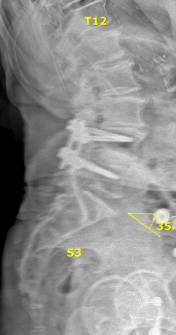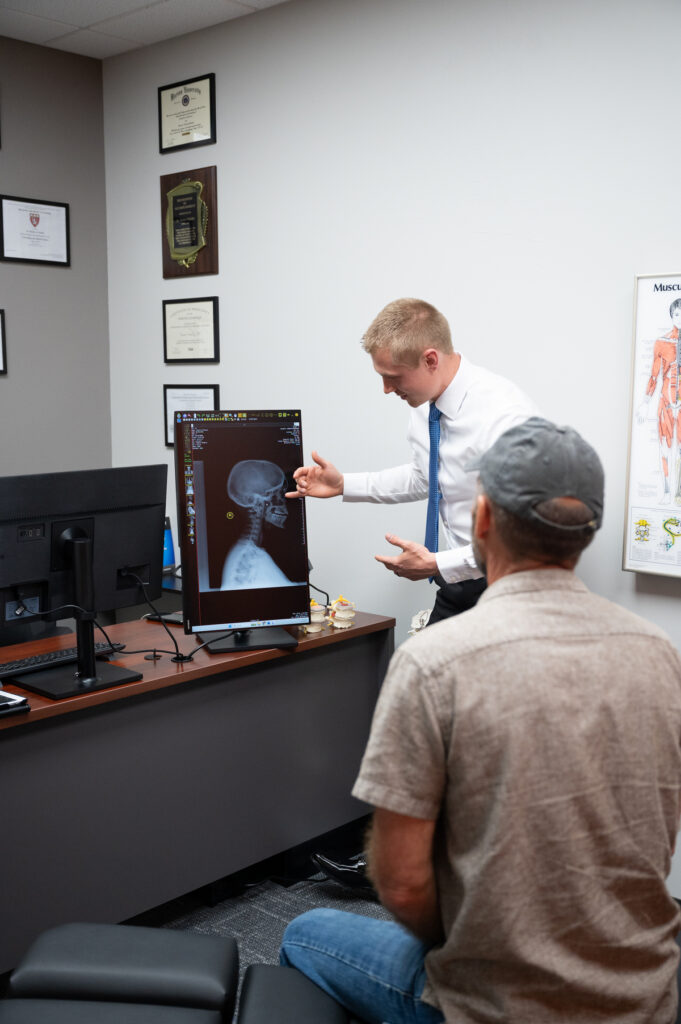
When it comes to finding relief from tension headaches, chiropractic adjustments can be incredibly beneficial. These adjustments help to realign the spine and enhance nerve function, which can significantly decrease both the frequency and intensity of your headaches. But the benefits of chiropractic care extend beyond just spinal adjustments. By incorporating healthy lifestyle changes along with your chiropractic treatments, you can elevate your overall well-being.
So, how can you effectively integrate chiropractic adjustments into your routine for maximum benefit? Here are ten effective strategies:
- Regular Chiropractic Visits: Make chiropractic care a part of your regular health routine. Consistent adjustments can help maintain spinal alignment and reduce headache occurrences.
- Posture Awareness: Pay attention to your posture throughout the day. Whether you’re sitting at a desk or using your phone, maintaining good posture can prevent unnecessary strain on your neck and back.
- Hydration: Staying well-hydrated is crucial. Dehydration can lead to tension headaches, so drink plenty of water throughout the day.
- Stretching and Exercise: Incorporate gentle stretches and regular physical activity into your daily routine. This can relieve tension in your muscles and improve blood flow.
- Mindfulness and Relaxation Techniques: Practice relaxation techniques such as deep breathing, meditation, or yoga to help manage stress, a common trigger for tension headaches.
- Sleep Hygiene: Prioritize good sleep habits. Ensure you’re getting enough restful sleep, as fatigue can lead to increased headaches.
- Ergonomic Workspaces: If you spend long hours at a desk, consider making your workspace ergonomic. Proper desk setup can reduce strain on your body.
- Limit Caffeine and Alcohol: Reducing caffeine and alcohol intake can help prevent headaches. Both can contribute to dehydration and tension.
- Warm Compresses: Applying a warm compress to your neck and shoulders can help relax tight muscles and alleviate headache pain.
- Communicate with Your Chiropractor: Keep an open line of communication with your chiropractor. Discuss any changes in your condition, so they can tailor your treatment plan effectively.
By embracing these strategies alongside your chiropractic care, you can take proactive steps toward reducing tension headaches and improving your overall health. Remember, chiropractic care is a natural, effective way to achieve optimal wellness and pain relief without the need for medications or surgeries.
Key Takeaways
- Chiropractic adjustments are a fantastic way to improve spinal alignment, which helps reduce muscle tension and eliminates common headache triggers caused by poor posture. By keeping your spine in check, you can feel more comfortable and less prone to headaches.
- When you receive regular chiropractic adjustments, you’re not just taking care of your spine; you’re also enhancing the function of your nervous system. This promotes relaxation throughout your body, which can significantly lessen the intensity of tension headaches.
- Many people don’t realize that neck and shoulder strain are major culprits behind tension headaches. Chiropractic adjustments can help relieve this strain by improving mobility and muscle function, allowing you to move freely and without pain.
- To get the best results from your chiropractic treatments, consider incorporating relaxation techniques like deep breathing or gentle stretching. These practices, when combined with adjustments, can further reduce the frequency and severity of your headaches, helping you feel your best.
- Chiropractic care takes a holistic approach to health. It not only addresses the physical aspects of tension headaches but also considers lifestyle factors like stress management and ergonomics. By making small adjustments to your daily habits, you can create a healthier environment that supports natural healing and wellness.
Remember, taking care of your spine is essential for overall well-being. Regular chiropractic visits can be a game-changer in managing and preventing tension headaches, promoting a healthier, pain-free lifestyle.
Practice Relaxation Techniques
Practicing relaxation techniques can significantly alleviate the discomfort associated with tension headaches, and I encourage you to explore these methods alongside your chiropractic care for optimal health. One of the simplest yet most effective techniques is deep breathing. Take a moment to inhale deeply through your nose, hold that breath for a few seconds, and then exhale slowly through your mouth. Repeat this a few times while concentrating on your breath. This not only helps reduce stress but also enhances overall relaxation.
Another great method is progressive muscle relaxation. This technique involves tensing each muscle group for a few seconds before releasing. Start from your toes and work your way up to your head, paying attention to how the tension dissipates with each release. This practice can complement the adjustments you receive in chiropractic care by promoting a relaxed state in your body.
Mindfulness meditation is also a beneficial practice to include in your routine. Spending just a few minutes in quiet reflection can help you center your thoughts and focus on the present moment. Guided meditation apps are available to assist you if you’re new to this practice.
Don’t forget about the benefits of gentle yoga or stretching, which can relieve tension in your neck and shoulders. This not only helps reduce headache discomfort but also supports the health of your spine, making it an excellent addition to your wellness journey. By incorporating these relaxation techniques into your daily routine, you can work towards diminishing the frequency and intensity of tension headaches while supporting your overall well-being through chiropractic care. Remember, a relaxed body is a healthier body!
Maintain Good Posture
Relaxation techniques can significantly contribute to your overall health, and one of the most effective ways to prevent tension headaches is by maintaining good posture. Proper posture reduces strain on your neck and shoulders, which can be key triggers for headaches.
Here are some simple tips to help you improve your posture and promote wellness:
- Sit Upright: Aim to keep your back straight and shoulders relaxed. Ensure your feet are flat on the floor, which helps maintain alignment and reduces tension in your body.
- Adjust Your Workspace: It’s important to create an ergonomic environment. Position your desk and chair so that your computer screen is at eye level. This adjustment can significantly reduce neck strain and promote better posture throughout your day.
- Take Breaks: Remember to stand up and stretch every 30 minutes. This practice not only helps relieve tension in your muscles but also encourages better circulation and engagement of your core muscles.
- Strengthen Core Muscles: Incorporate exercises that focus on strengthening your core. A strong core supports your spine and helps maintain proper posture, which is essential for overall health and well-being.
Incorporating these tips into your daily routine can make a big difference.
Additionally, regular chiropractic care can play a vital role in maintaining optimal posture and overall health. Chiropractors focus on spinal alignment and can help alleviate pain while providing you with personalized strategies to improve your posture.
Stay Hydrated
Staying hydrated is crucial for maintaining your overall wellness and can play a significant role in preventing tension headaches. Proper water intake not only supports your body’s functions but also helps keep your spine and nervous system healthy. When you’re not drinking enough water, you may experience symptoms like fatigue or dizziness, which can contribute to discomfort and tension in your body.
As a chiropractor, I want to share some simple hydration tips to help you stay on track and keep those headaches at bay:
- Drink Water Regularly: Make it a habit to drink water throughout the day. Carry a reusable water bottle with you to remind yourself to hydrate.
- Set Goals: Aim for a specific amount of water each day, such as eight 8-ounce glasses, and track your intake to ensure you’re meeting your hydration goals.
- Eat Hydrating Foods: Incorporate fruits and vegetables with high water content into your diet, such as cucumbers, watermelon, and oranges. These can contribute to your overall hydration.
- Listen to Your Body: Pay attention to signs of dehydration, such as dry mouth or increased thirst. If you notice these signals, increase your water intake immediately.
- Mind Your Posture: Poor posture can contribute to tension headaches. Staying hydrated helps maintain the elasticity of your spinal discs, which can support better posture and reduce discomfort.
- Combine Hydration with Chiropractic Care: Regular chiropractic adjustments can enhance your body’s ability to function optimally, including its hydration needs. When your spine is aligned, your nervous system can communicate more effectively, which can help manage tension and pain.
Importance of Water Intake
Staying hydrated is often underestimated, yet it plays a vital role in keeping tension headaches at bay. As a chiropractor, I want to emphasize the importance of water intake for your overall health and wellness. When you ensure proper hydration, your body operates more efficiently, which can significantly reduce the chances of experiencing headaches. Here’s why staying hydrated is essential:
- Supports Brain Function: Adequate hydration is key to maintaining optimal brain performance. When your brain is well-hydrated, it can focus better, reducing mental strain that often leads to headaches.
- Stabilizes Mood: Dehydration can negatively affect your mood, making you feel irritable or anxious. Drinking enough water helps keep your mood steady and balanced, which is crucial for overall well-being.
- Reduces Muscle Tension: Proper water intake is essential for keeping your muscles flexible. Staying hydrated helps prevent tightness and discomfort, which can contribute to tension headaches.
- Enhances Circulation: Good hydration promotes better blood flow, ensuring that your brain gets the oxygen it needs to function well. This can help prevent headaches caused by poor circulation.
To keep tension headaches at bay, make it a habit to drink plenty of water throughout your day. Remember, your well-being is closely linked to proper hydration.
Additionally, combining adequate water intake with regular chiropractic care can enhance your overall health and help manage pain naturally. By focusing on natural wellness strategies like these, you can achieve a more balanced and pain-free life.
Signs of Dehydration
Dehydration can creep up on anyone, and being aware of its signs early is crucial for maintaining overall health and wellness. Recognizing these indicators not only helps you stay hydrated but also supports your spinal health and overall vitality. Here are some common signs of dehydration and what you can do about them:
| Sign | Description | Action Required |
|---|---|---|
| Dry Mouth | A sticky feeling due to lack of saliva | Sip on water regularly |
| Fatigue | Feeling low in energy and tired | Hydrate and take breaks to rest |
| Dark-Colored Urine | Indicates concentration of waste | Increase your fluid intake |
| Dizziness | Lightheadedness and balance issues | Sit down, breathe, and drink water |
Staying hydrated is essential not only for your general health but also for a healthy spine. Proper hydration supports the discs in your spine, allowing them to function optimally and reducing the risk of discomfort and tension.
Pay attention to your body’s signals. If you notice any signs of dehydration, listen to your body and respond accordingly. Remember, regular hydration can help prevent tension headaches, which are often linked to dehydration and muscle tightness in the neck and back.
In addition to drinking plenty of water, consider incorporating more fruits and vegetables into your diet, as they can provide hydration and essential nutrients. Regular chiropractic care can also play a vital role in your overall wellness by ensuring your spine is aligned and functioning well, helping to enhance your body’s natural ability to stay healthy.
Hydration Tips and Tricks
Staying hydrated is essential not only for preventing tension headaches but also for supporting your overall health and wellness. As a chiropractor, I understand the connection between proper hydration and spinal health. When your body is well-hydrated, it functions better, allowing for improved mobility and reduced pain.
Here are some simple tips and tricks to help you maintain your hydration goals throughout the day:
- Carry a Water Bottle: Keep a refillable water bottle with you at all times. This not only serves as a constant reminder to drink more water, but it also encourages you to sip throughout the day, which can aid in keeping your spine and joints lubricated.
- Set Reminders: Use your smartphone or a hydration app to set hourly reminders to take a few sips. Staying consistent can help prevent dehydration, which can contribute to tension in your muscles and spine.
- Flavor Your Water: If plain water doesn’t excite you, try adding slices of fruits or herbs! Lemon, cucumber, or mint can enhance the taste, making it more enjoyable to drink and ensuring you stay hydrated.
- Track Your Intake: Keeping a hydration journal or using an app to log your daily water consumption can help you stay accountable. Monitoring your intake can help identify patterns and ensure you’re meeting your hydration needs.
By incorporating these strategies into your daily routine, you can enhance your hydration and support your overall well-being. Remember, proper hydration is a key component of maintaining a healthy spine and preventing discomfort.
Along with regular chiropractic care, staying hydrated can significantly improve your quality of life. So, keep sipping and take care of your body!
Limit Caffeine and Alcohol Intake
While that morning coffee or evening glass of wine might seem enjoyable, it’s important to recognize how excess caffeine and alcohol can contribute to tension headaches. Caffeine, for example, can lead to dehydration and withdrawal headaches, particularly if you suddenly reduce your intake. If you find yourself reaching for that extra cup of coffee or soda, consider gradually cutting back to avoid triggering headaches.
On the other hand, alcohol can disrupt your sleep and lead to dehydration, which can worsen headache issues. If you’re someone who experiences tension headaches, it’s wise to limit alcohol consumption and opt for lighter beverages.
Instead of leaning on caffeine and alcohol for energy or relaxation, look for healthier alternatives that promote overall wellness. Herbal teas or flavored water can serve as excellent substitutes that won’t negatively impact your head.
As a chiropractor, I encourage you to explore natural methods to alleviate pain and promote well-being. Maintaining a balanced lifestyle, which includes managing your caffeine and alcohol intake, can play a significant role in reducing tension headaches. Chiropractic care can also support your body’s natural healing processes, helping to relieve tension and improve overall health. By making mindful choices and incorporating chiropractic care, you can take proactive steps toward feeling your best.
Incorporate Regular Exercise
Incorporating regular exercise into your daily routine can significantly help reduce the frequency and intensity of tension headaches. As a chiropractor, I often emphasize the importance of movement for spinal health and overall wellness. Engaging in activities like walking, yoga, or swimming not only helps alleviate stress but also supports a healthy spine, which is crucial for preventing headaches.
By staying consistent with your exercise plan, you can enhance your overall well-being and work towards a headache-free lifestyle. Remember, movement promotes better circulation, reduces muscle tension, and improves posture—all of which are vital for maintaining a healthy spine.
Additionally, consider pairing your exercise routine with regular chiropractic adjustments. These adjustments can help keep your spine aligned and functioning optimally, further reducing the likelihood of tension headaches. So, make it a point to move your body regularly and consult with your chiropractor to achieve the best results for your health!
Benefits of Physical Activity
Engaging in regular physical activity isn’t only vital for your overall well-being, but it can also provide significant relief from tension headaches. As a chiropractor, I believe that combining exercise with chiropractic care creates a powerful approach to achieving optimal health.
Here are some of the key benefits of incorporating exercise into your routine, especially for managing headaches:
- Reduced Stress: Physical activity is a natural way to lower stress hormones in your body. When you feel relaxed, it can help ease the tension that often leads to headaches. Consider activities like walking, yoga, or swimming, which can be gentle yet effective.
- Improved Sleep: Regular exercise can enhance the quality of your sleep. Better sleep means less fatigue and a decrease in headache frequency. Aim for at least 30 minutes of activity most days, and you might find yourself sleeping more soundly.
- Enhanced Mood: Exercise releases endorphins—your body’s natural mood lifters. A better mood can help reduce the emotional triggers that lead to tension headaches. Find an activity you enjoy, whether it’s dancing, biking, or going for a hike, and make it a part of your weekly routine.
- Increased Flexibility: Staying active improves your flexibility and muscle strength. This can relieve muscle tension that contributes to headaches. Incorporate stretching exercises or a gentle yoga practice to maintain elasticity in your muscles and joints.
Remember, chiropractic care is an excellent complement to your exercise routine. It aligns your spine, promotes proper posture, and ensures that your nervous system functions optimally, all of which can contribute to headache relief and overall wellness.
If you experience tension headaches, consider discussing your symptoms with a chiropractor who can help create a personalized plan that includes both exercise and spinal adjustments. Together, we can work towards a healthier, headache-free life.
Recommended Exercise Types
Incorporating specific types of exercise into your routine can significantly alleviate tension headaches and enhance your overall well-being, particularly when coupled with chiropractic care.
As a chiropractor, I emphasize the importance of activities that promote relaxation and reduce muscle tension, as these can complement the benefits of spinal adjustments.
Yoga is an excellent choice, as it combines gentle stretching, deep breathing, and mindfulness. These aspects not only help relieve stress but also improve spinal alignment and flexibility.
Pilates is another fantastic option; it strengthens your core and promotes good posture, which can alleviate neck and shoulder strain—common culprits of tension headaches.
Consider low-impact aerobic exercises like walking or swimming. These activities are great for boosting endorphins, which can help reduce stress levels and improve your mood.
Additionally, incorporating gentle stretching routines into your daily life can target tight muscles, making it easier for your body to maintain proper alignment.
Remember, the key is to find exercises you enjoy, as this will make it easier to stay consistent. By embracing these activities alongside regular chiropractic care, you’ll not only tackle tension headaches but also enhance your physical and mental health.
If you’re experiencing persistent headaches or discomfort, don’t hesitate to consult your chiropractor to explore personalized care options that can help you achieve optimal health.
Consistency and Routine Importance
Maintaining a consistent routine that includes regular exercise is crucial for effectively managing tension headaches and overall wellness. By prioritizing physical activity, you not only alleviate stress but also promote better spinal health, which is fundamental to achieving optimal well-being.
Here are four simple tips to help you integrate exercise into your daily routine:
- Set a Schedule: Choose specific days and times for your workouts. Having a set routine can help your body adapt and create a lasting habit. Remember, consistency is key!
- Start Small: If you’re new to exercise, begin with just 10-15 minutes a day. Gradually increase the duration and intensity as your body becomes stronger. This won’t only help prevent injury but also make it easier to stick with your routine.
- Find Enjoyable Activities: Engage in exercises you genuinely enjoy, whether it’s walking, yoga, or swimming. When you look forward to your workouts, you’re more likely to stay committed and reap the benefits for your spine and overall health.
- Stay Flexible: Life can be unpredictable, and you may miss a workout here and there. That’s perfectly okay! Just focus on getting back on track the next day. Remember, it’s about the long-term journey to wellness, not perfection.
Incorporating these habits can significantly enhance your health, helping to reduce tension headaches and improve your quality of life.
And don’t forget, regular chiropractic care can further support your efforts by addressing any spinal misalignments that may contribute to discomfort. Embrace a healthier lifestyle and listen to your body—your spine will thank you!
Create a Comfortable Workspace
Creating a comfortable workspace is essential for maintaining your spinal health and overall well-being. As a chiropractor, I want to emphasize the importance of proper ergonomics in your daily setup. Start by assessing your chair; it should provide excellent lumbar support to maintain the natural curve of your spine. Your desk height is also crucial; ensure that your elbows can rest comfortably at a 90-degree angle while typing.
If you work on a computer, position your screen at eye level to help prevent neck strain. For those using laptops, consider investing in a stand or an external monitor to enhance your posture.
A tidy workspace can significantly reduce distractions, which is vital for your focus and mental clarity. Aim to keep your area organized and free from clutter. Incorporating soft lighting, particularly natural light, can alleviate glare and minimize eye strain, creating a more soothing environment.
Additionally, having your essential tools within arm’s reach can prevent unnecessary stretching or straining, which can lead to discomfort. Personalize your workspace with items that uplift your mood, such as plants or inspiring artwork. These small touches can help create a more positive and motivating atmosphere.
Lastly, don’t forget about the importance of regular breaks. Taking time to stretch and move around can help relieve tension that builds up throughout the day. This practice not only supports your physical health but also enhances your productivity. Remember, a comfortable workspace isn’t just about aesthetics; it plays a crucial role in preventing tension headaches and promoting a healthier spine.
Manage Stress Effectively
Stress can significantly contribute to tension headaches, making it crucial to manage it effectively for your overall well-being. As a local chiropractor, I want to share some practical strategies that not only help alleviate stress but also promote natural healing and optimal health through chiropractic care. Here are four simple tips you can implement:
- Practice Mindfulness: Taking a few minutes each day for mindfulness meditation can make a big difference. It helps you focus on the present moment, reducing stress and anxiety. This practice complements chiropractic care by promoting relaxation and enhancing your body’s ability to heal naturally.
- Stay Active: Engaging in regular physical activity is essential for your well-being. Exercise releases endorphins, which are natural mood lifters. Aim for at least 30 minutes of moderate exercise most days. Not only does this improve your mood, but it also supports your spinal health, making chiropractic adjustments more effective.
- Establish Boundaries: It’s important to learn to say no when you feel overwhelmed. Setting limits on your commitments can help you manage stress. When you prioritize your well-being, you create space for relaxation and self-care, which is essential for maintaining a healthy spine.
- Connect with Others: Never underestimate the power of social support. Spending time with friends and family can lighten your emotional load and promote a sense of belonging. Sharing your feelings can provide relief and is a great complement to the holistic approach of chiropractic care.
Incorporating these strategies into your daily routine can lead to better stress management, which in turn supports your overall health and wellness. Remember, chiropractic care is a fantastic way to achieve natural pain relief and enhance your body’s healing capabilities.
Use Cold or Warm Compresses
Whether you’re battling the discomfort of a tension headache or simply seeking a way to unwind, using cold or warm compresses can offer a natural and effective relief. Cold compresses, such as a bag of ice or a cold cloth, work by numbing the area and reducing inflammation. Just apply it to your forehead or the back of your neck for about 15-20 minutes. This can significantly alleviate the throbbing sensation associated with headaches.
Conversely, warm compresses are excellent for relieving muscle tension. A warm towel or heating pad can help soothe tight muscles and enhance blood circulation, promoting relaxation. Place it on your neck or shoulders to melt away built-up stress and tension.
As a chiropractor, I encourage you to explore both methods to discover which one brings you the most comfort. You might even find that alternating between cold and warm compresses maximizes your relief. This simple remedy not only helps with headaches but can also enhance your overall well-being.
Ensure Adequate Sleep
Adequate sleep is crucial for maintaining overall health and wellness, especially when it comes to preventing tension headaches. When your body is deprived of rest, it can lead to increased stress and discomfort, paving the way for those pesky headaches.
As a chiropractor, I want to share some practical tips to help you improve your sleep quality, which in turn can enhance your spinal health and overall well-being:
- Set a Sleep Schedule: Aim to go to bed and rise at the same time every day, even on weekends. This routine helps your body establish a natural rhythm, promoting better sleep and reducing tension.
- Create a Relaxing Sleep Environment: Transform your bedroom into a peaceful sanctuary. Keep the space dark, quiet, and cool to encourage restful sleep. A comfortable mattress and supportive pillows can also make a significant difference for your spine.
- Limit Screen Time Before Bed: Try to avoid screens at least an hour before you sleep. The blue light emitted from phones, tablets, and computers can disrupt your body’s natural sleep cycle, making it harder to nod off.
- Engage in Relaxation Techniques: Incorporate calming activities before bedtime, such as gentle stretching, reading a book, or practicing deep breathing exercises. These can help ease tension in your muscles and prepare your body for a good night’s sleep.
Explore Alternative Therapies
Have you thought about exploring natural therapies for your tension headaches? As a chiropractor, I believe that incorporating spinal care into your wellness routine can be a game changer for relieving pain and promoting overall health.
Chiropractic care is particularly effective for tension headaches. By performing spinal adjustments, we can help realign your spine, which eases the tension in your neck and shoulders. This often leads to a significant reduction in headache frequency and intensity. Many patients report feeling better after just a few sessions, making chiropractic a strong choice for those struggling with headaches.
In addition to chiropractic adjustments, I recommend incorporating mindfulness practices like yoga or meditation into your daily routine. These techniques can help you manage stress, which is a common trigger for tension headaches. Even just a few minutes of deep breathing or gentle stretching can make a big difference.
You might also want to consider some natural remedies like herbal teas or supplements, such as feverfew or butterbur, to complement your chiropractic care. However, it’s always a good idea to talk to your chiropractor before trying something new to ensure it aligns with your treatment plan.
Conclusion
Incorporating chiropractic adjustments into your daily routine can significantly alleviate tension headaches. As a chiropractor, I believe that these adjustments are one of the most effective ways to find natural relief from headaches. Alongside chiropractic care, practicing relaxation techniques, maintaining good posture, and staying hydrated can greatly enhance your overall well-being and boost the effectiveness of your adjustments.
To further support your health, consider limiting your intake of caffeine and alcohol. Regular exercise is another key component for reducing tension and improving your overall health. Managing stress is essential, and I encourage you to explore activities like yoga or meditation, which can complement the benefits of chiropractic care.
Don’t overlook the power of cold or warm compresses—they can provide immediate relief when tension headaches arise. Prioritizing quality sleep is also crucial, as it allows your body to recover and rejuvenate.
Exploring alternative therapies, like massage or acupressure, can also contribute to your health, but remember that chiropractic care should be your primary focus for natural healing and pain relief. By integrating these strategies into your life, you can pave the way for a headache-free existence and enjoy the vibrant health you deserve!