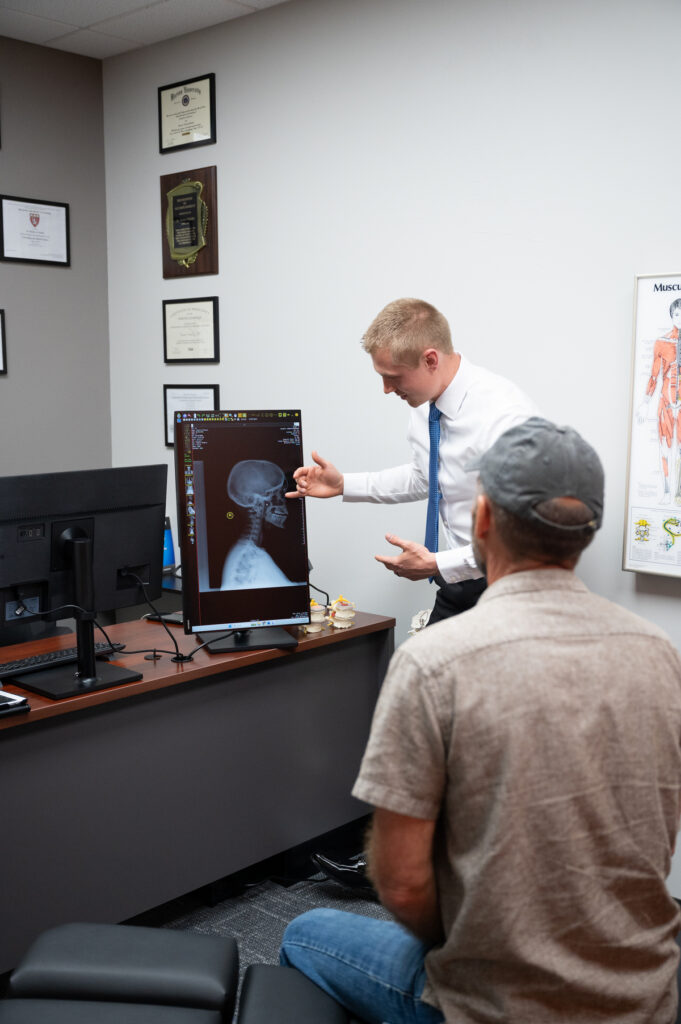

If you’ve ever dealt with the intense discomfort of a headache or migraine, you understand how it can disrupt your daily life. Finding effective ways to manage these episodes is essential, and a holistic approach can make a significant difference. By identifying your specific triggers and incorporating gentle lifestyle changes, you can greatly reduce both the frequency and severity of these headaches. Curious about how chiropractic care can support you in this journey? Let’s dive into some practical tips that can enhance your well-being and help you live a more comfortable life.
- Stay Hydrated: Dehydration is a common trigger for headaches. Make sure you’re drinking enough water throughout the day to keep your body functioning optimally.
- Maintain Good Posture: Poor posture can lead to tension in your neck and shoulders, contributing to headaches. Focus on maintaining an upright posture while sitting and standing, and consider chiropractic adjustments to help align your spine.
- Regular Chiropractic Visits: Regular adjustments can help alleviate tension in your back and neck, which may be causing headaches. A chiropractor can identify misalignments and work to correct them, promoting overall wellness.
- Manage Stress: Stress is a significant contributor to headaches. Incorporate relaxation techniques like deep breathing, yoga, or meditation into your routine to help manage stress levels.
- Get Enough Sleep: Quality sleep is crucial for overall health. Establish a consistent sleep schedule and create a calming bedtime routine to improve your sleep quality and reduce headache occurrences.
- Watch Your Diet: Certain foods can trigger headaches. Keep a food diary to identify any potential triggers. Eating balanced meals with plenty of fruits and vegetables can support overall health and wellness.
- Exercise Regularly: Engaging in regular physical activity can help reduce stress and tension, which are often linked to headaches. Low-impact exercises, like walking or swimming, are great options.
By incorporating these tips into your daily routine and prioritizing chiropractic care, you can take significant steps toward managing your headaches and improving your overall health. Embracing a natural approach not only alleviates pain but also promotes a healthier, more vibrant lifestyle.
Key Takeaways
- Start by keeping a headache diary to pinpoint your unique triggers. This can include certain foods, stressors, and dehydration. By identifying these factors, you can work towards avoiding them and improving your overall well-being.
- Establishing a consistent sleep schedule is essential for optimal health. Aim for 7–9 hours of restorative sleep each night. Quality sleep can significantly reduce the frequency and intensity of headaches and migraines.
- Staying properly hydrated is key. Make it a habit to drink water regularly throughout the day. Limiting caffeine and sugary beverages can also help maintain your hydration levels and reduce headache occurrences.
- Good posture plays a vital role in preventing tension headaches. Be mindful of your posture, especially during prolonged screen time. Taking regular breaks to stretch and move around can alleviate tension that leads to headaches.
- Incorporating relaxation techniques into your daily routine can help manage stress effectively. Practices like deep breathing and meditation can promote relaxation and reduce headache triggers.
- Seek chiropractic care as a natural and effective way to address headaches and migraines. Chiropractors can help align your spine and improve nervous system function, which may lead to reduced headache frequency and intensity.
- Consider regular chiropractic adjustments as part of your wellness journey. These adjustments can enhance overall health, promote better posture, and reduce tension, contributing to a happier, headache-free life.
Identify and Avoid Triggers
To effectively manage headaches and migraines, it’s essential to identify and avoid your specific triggers. A great way to start is by keeping a detailed headache diary. Record when your headaches occur, what you ate, any stressors, and your daily activities. This practice can help uncover patterns and potential culprits behind your discomfort. Common triggers include certain foods, dehydration, caffeine, and stress.
Once you have pinpointed your triggers, you can take proactive steps to minimize their impact. If you notice that certain foods tend to trigger your headaches, consider eliminating them from your diet. Staying hydrated throughout the day is crucial to prevent dehydration, which can also lead to headaches. Be mindful of your caffeine intake; while it can provide relief for some, it may also contribute to headaches for others.
Managing stress is vital for overall wellness and headache prevention. Incorporating relaxation techniques like deep breathing exercises or meditation into your daily routine can help you stay calm and reduce the frequency of headaches.
Additionally, chiropractic care can play a significant role in managing and preventing headaches. Regular adjustments can help improve spinal alignment, which may reduce tension and stress on your body. By addressing the root cause of your headaches through chiropractic care, you can achieve better overall health and wellness naturally. Remember, a holistic approach to health, including proper hydration, nutrition, stress management, and chiropractic adjustments, can lead to lasting relief and improved quality of life.
Maintain a Consistent Sleep Schedule
Getting enough quality sleep is essential for managing headaches and migraines, and one of the best ways to enhance your sleep is by establishing a consistent sleep schedule. As a chiropractor, I often see how the alignment of the spine can impact overall health, including sleep quality. Practicing good sleep hygiene is vital for better rest and overall well-being.
Here are some tips to help you create a sleep-friendly environment:
- Stick to a Routine: Go to bed and wake up at the same time every day, even on weekends. This regularity helps regulate your body’s internal clock.
- Create a Relaxing Bedtime Ritual: Engage in calming activities before bed, such as reading or gentle stretching. This can signal to your body that it’s time to wind down.
- Optimize Your Sleep Environment: Make your bedroom a sanctuary for sleep. Keep it dark, cool, and quiet. Consider investing in a supportive mattress and pillows that promote proper spinal alignment.
- Limit Screen Time: Avoid screens from phones, tablets, and TVs at least an hour before bed. The blue light emitted can disrupt your natural sleep cycle.
- Stay Active: Regular physical activity can help you fall asleep faster and enjoy deeper sleep. Just be sure not to exercise too close to bedtime.
Establishing these habits not only promotes better sleep but can also help reduce the frequency and severity of your headaches.
Sleep Hygiene Practices
Maintaining a consistent sleep schedule is crucial for not only managing headaches and migraines but also for overall health and wellness. A well-regulated sleep routine helps your body’s internal clock function optimally, leading to restorative sleep that contributes to spinal health and pain relief.
Here are some simple sleep hygiene practices that can support your sleep schedule and enhance your well-being:
- Set a bedtime: Pick a bedtime that allows for 7-9 hours of sleep and make it a habit to stick to it, even on weekends. This consistency can help your body heal naturally and reduce the frequency of headaches.
- Create a calming bedtime routine: Engage in relaxing activities before bed, such as reading a book or enjoying a warm bath. These soothing practices can ease tension in your body and mind, promoting better sleep.
- Limit screen time: Try to avoid screens for at least an hour before bed. The blue light emitted by devices can interfere with your sleep cycle and exacerbate headaches. Instead, consider gentle stretches or breathing exercises to help prepare your body for rest.
- Optimize your sleep environment: Ensure your bedroom is a sanctuary for sleep. Keep it cool, dark, and quiet to create the ideal setting for restorative slumber. A comfortable mattress and supportive pillows can also make a significant difference in your spinal health.
Ideal Sleep Duration
A consistent sleep schedule is an important part of maintaining overall health and wellness, especially when it comes to spinal health. Most adults need between 7 to 9 hours of sleep each night, but it’s essential to listen to your body and determine what works best for you. If you often find yourself feeling tired or irritable during the day, it might be a sign that you need more rest.
To help support your body’s natural healing processes, establish a regular bedtime and wake-up time—even on weekends. This routine keeps your internal clock regulated, which can improve sleep quality and may reduce the occurrence of headaches and migraines. These headaches can sometimes be linked to tension in the spine, and ensuring you’re well-rested can contribute to a healthier back.
In addition, consider reducing screen time before bed. The blue light emitted by screens can interfere with your body’s ability to wind down. Instead, create a calming pre-sleep routine that includes gentle stretches or relaxation techniques to help alleviate any tension in your spine.
Stay Hydrated
Staying hydrated is crucial for overall health, and it plays a significant role in preventing headaches and migraines. As a chiropractor, I often see patients who experience discomfort due to dehydration. When you’re not drinking enough water, your body can show signs of dehydration such as fatigue, dizziness, and even increased pain in your spine and joints.
Proper hydration helps maintain the elasticity of your spinal discs, which is essential for spinal health. When these discs are well-hydrated, they can better absorb shock and support your spine during daily activities. This can reduce strain on your back and neck, leading to less discomfort and improved overall wellness.
Here are a few simple tips to ensure you stay hydrated and support your spinal health:
- Carry a Water Bottle: Keep a reusable water bottle with you throughout the day. This makes it easier to track your water intake and reminds you to drink regularly.
- Set Reminders: Use your phone or a timer to remind you to take a sip of water every hour. Staying consistent is key!
- Add Flavor: If plain water doesn’t appeal to you, try adding slices of lemon, cucumber, or berries for a refreshing twist that encourages you to drink more.
- Monitor Your Intake: Aim for at least eight 8-ounce glasses of water a day, but listen to your body. If you’re active or live in a hot climate, you may need more.
- Combine with Chiropractic Care: Regular chiropractic adjustments not only help align your spine but also promote better nerve function, which can enhance your body’s ability to maintain hydration and overall health.
Importance of Water Intake
Hydration is essential for overall health and plays a significant role in managing headaches and migraines. As a chiropractor, I understand the importance of maintaining optimal wellness, which includes ensuring you’re drinking enough water throughout the day.
Proper hydration can help reduce the frequency and intensity of headaches, allowing you to feel your best. Here are some straightforward tips to ensure you’re staying well-hydrated:
- Set Reminders: Use your phone or a simple timer to nudge you to drink water every hour. This small habit can make a big difference in your hydration levels.
- Carry a Water Bottle: Keep a reusable water bottle handy wherever you go. Having it within reach makes it easy to sip water throughout your day, which supports not only hydration but also your spinal health by promoting nutrient transport and detoxification.
- Flavor Your Water: If you find plain water unappealing, try adding slices of lemon, cucumber, or a few mint leaves. This not only enhances the taste but can also make drinking water feel more refreshing and enjoyable.
- Track Your Intake: Consider using a simple app or keeping a journal to record how much water you consume each day. This can help you stay accountable and ensure you meet your hydration goals.
Remember, staying hydrated is just one of the many ways to take charge of your health and well-being. Regular chiropractic care can also support your body’s natural healing processes, helping you achieve optimal health and pain relief.
Make hydration a priority, and pair it with regular visits to your chiropractor for the best results in your wellness journey.
Signs of Dehydration
Often, you mightn’t realize you’re dehydrated until your body starts sending out distress signals. As your local chiropractor, I want to emphasize the importance of recognizing these signs, as they can significantly affect your overall well-being and spinal health. Common indicators of dehydration include persistent thirst, a dry mouth, and feelings of fatigue. You may also experience headaches or dizziness, which can further impact your daily activities and overall comfort.
If you notice your urine is dark yellow or has a strong odor, that’s a clear sign you need to hydrate. Additionally, dry skin and reduced sweating can indicate that your body is lacking the fluids it needs to function optimally. Remember, staying hydrated isn’t just about quenching your thirst; it’s essential for your overall health and can play a role in preventing headaches and migraines, which are common complaints in our practice.
To help you avoid dehydration and its negative effects on your body, make it a habit to drink water throughout the day. This is especially crucial during hot weather or while engaging in physical activities. Keeping a water bottle close by can serve as a reminder to sip throughout the day.
As you focus on hydration, remember that chiropractic care also plays a key role in maintaining your health. By ensuring your spine is properly aligned, you can enhance your body’s natural ability to heal and function effectively. So, along with drinking plenty of water, consider visiting your chiropractor regularly to support your journey towards optimal health and wellness. Taking these simple steps can lead to a more vibrant, pain-free life!
Practice Relaxation Techniques
Practicing relaxation techniques can significantly alleviate the frequency and intensity of headaches and migraines, making them valuable tools for your overall health. By integrating these methods into your daily routine, you can effectively manage stress, which is often a key contributor to discomfort. Furthermore, chiropractic care can complement these practices, enhancing your well-being and providing natural relief.
Here are four effective relaxation techniques to consider:
- Deep Breathing: This is a simple but powerful technique. Focus on taking slow, deep breaths. Inhale deeply through your nose, hold for a few seconds, and then exhale slowly through your mouth. Aim to practice this for several minutes, allowing your body to relax and your mind to clear.
- Progressive Muscle Relaxation: This involves tensing and then relaxing each muscle group in your body, starting from your toes and working your way up to your head. This technique helps release tension that can build up and lead to headaches. It’s a great way to reconnect with your body and relieve stress.
- Meditation: Set aside a few minutes each day to meditate. Find a quiet place, close your eyes, and focus on your breath or a calming mantra. Meditation not only helps reduce stress but also promotes mental clarity, which can be beneficial for your spinal health.
- Gentle Yoga: Engaging in gentle yoga stretches can help release tension and improve flexibility. This practice enhances blood flow and can reduce headache triggers. Additionally, it complements chiropractic care by promoting better posture and spinal alignment.
Incorporating these relaxation techniques into your daily routine can empower you to take charge of your health and well-being. Remember, chiropractic care is an excellent option for addressing pain naturally and supporting your body’s ability to heal itself.
Consider Dietary Adjustments
When it comes to managing headaches and migraines, dietary adjustments can play a significant role in alleviating discomfort and supporting your overall wellness. As a chiropractor, I want to emphasize the importance of natural healing and how the right foods can complement your journey to optimal health.
Certain foods and beverages can trigger headaches, so it’s essential to identify and limit these potential culprits. Common offenders include aged cheeses, processed meats, and alcohol. Instead, I encourage you to focus on a balanced diet that nourishes your body and supports your spine.
Here’s a simple guide to help you make healthier dietary choices:
| Foods to Avoid | Foods to Include | Hydration Tips |
|---|---|---|
| Aged cheeses | Fresh fruits | Drink plenty of water |
| Processed meats | Leafy greens | Try herbal teas |
| Alcohol | Whole grains | Limit caffeine intake |
| Chocolate | Lean proteins | Keep an eye on your hydration levels |
| Artificial sweeteners | Omega-3 fatty acids | Avoid sugary drinks |
By incorporating more whole foods into your diet, you not only support your body’s natural healing processes but also enhance the benefits of chiropractic care. Proper nutrition can reduce inflammation and promote better spinal health, which is key to ongoing pain relief and wellness.
Utilize Over-the-Counter Medications
When it comes to managing headaches and migraines, many people often turn to over-the-counter (OTC) medications. While these can provide temporary relief, I want to emphasize the benefits of chiropractic care as a natural and effective approach to addressing the underlying causes of your headaches.
Chiropractic care focuses on the alignment of your spine and the overall health of your nervous system, which can significantly contribute to reducing headache frequency and intensity.
Here are some natural strategies you can incorporate to manage headaches without relying on medication:
- Spinal Adjustments: Regular chiropractic adjustments can help realign your spine, relieve tension in your neck and back, and improve overall function. This can lead to a reduction in headache symptoms.
- Hydration: Dehydration is a common trigger for headaches. Ensure you’re drinking plenty of water throughout the day to keep your body well-hydrated.
- Posture Awareness: Poor posture, especially when sitting at a desk or looking at screens, can lead to tension headaches. Be mindful of your posture and take breaks to stretch and move around.
- Stress Management: Stress can be a significant contributor to headaches. Explore relaxation techniques such as deep breathing, meditation, or yoga to help manage stress levels.
- Regular Exercise: Engaging in regular physical activity can improve circulation and reduce muscle tension, both of which can help prevent headaches.
- Sleep Hygiene: Ensure you’re getting adequate and restful sleep. Establishing a consistent sleep schedule can help your body recover and reduce headache occurrences.
While OTC medications may offer quick relief, they often don’t address the root cause of headaches. By incorporating chiropractic care and these natural strategies into your routine, you can achieve more sustainable results and improve your overall well-being.
If headaches persist, consider consulting with a chiropractor who can provide personalized care tailored to your needs. Your journey to optimal health starts with a holistic approach!
Explore Natural Remedies
As a chiropractor, I often hear from patients seeking natural remedies to alleviate headaches and migraines. It’s important to understand that addressing these issues can often be achieved effectively through chiropractic care, aiming to promote optimal spinal health and overall wellness.
One powerful approach is through spinal adjustments, which can help alleviate tension in the neck and upper back—areas that often contribute to headache pain. By ensuring your spine is properly aligned, you can reduce nerve interference and improve blood flow, which may lead to significant relief from headaches.
In addition to chiropractic adjustments, consider incorporating natural remedies into your daily routine. Essential oils, such as peppermint or lavender, can be beneficial. Inhaling their aromas or using them diluted with a carrier oil for topical application can promote relaxation and ease tension.
Herbal teas, like ginger or chamomile, are also excellent choices. These teas are known for their anti-inflammatory properties and can be a soothing addition to your wellness routine. Staying well-hydrated is crucial as well; ensure you drink plenty of water throughout the day to support overall health.
Furthermore, practices like acupressure and yoga can complement your chiropractic care. Applying pressure to specific points on your body can release tension, while gentle stretches can enhance flexibility and promote relaxation.
Lastly, prioritize a consistent sleep schedule. Quality rest is essential for your body to heal and can significantly reduce the frequency and intensity of headaches.
Conclusion
By incorporating these seven essential tips into your daily routine, you can take proactive steps to manage your headaches and migraines naturally, with chiropractic care being a key component. Start by identifying your triggers, which may include stress, certain foods, or poor posture. Maintaining a consistent sleep schedule and staying hydrated can greatly benefit your overall health, as hydration plays a crucial role in preventing headaches.
In addition, practicing relaxation techniques such as deep breathing, yoga, or meditation can help reduce tension and promote a sense of well-being. Consider making dietary adjustments by incorporating more whole foods and reducing processed items, which can also positively impact your health.
Chiropractic care is an excellent option for pain relief, as it focuses on aligning the spine and improving nervous system function. Regular adjustments can alleviate tension in the neck and shoulders, which often contribute to headache pain. Moreover, keeping over-the-counter medications as a backup is fine, but exploring natural remedies like herbal teas or essential oils can complement your wellness routine.
By embracing these strategies and considering chiropractic care as a holistic approach to health, you’ll be better equipped to manage your symptoms and enhance your quality of life. Take charge of your health today and experience the benefits of a natural, pain-free lifestyle!