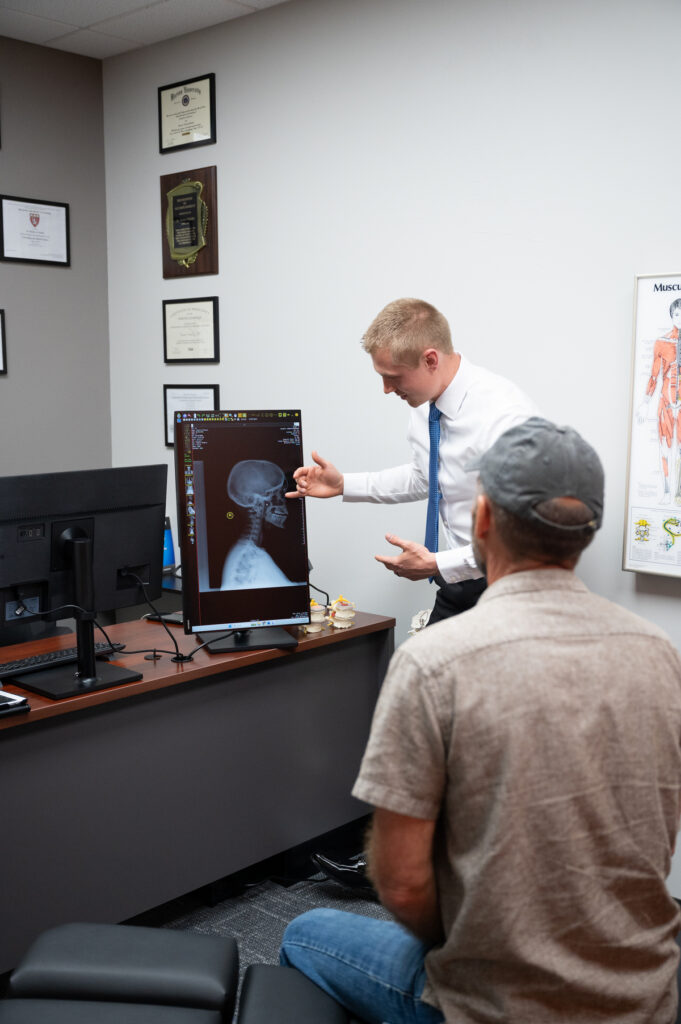

If you’re experiencing back pain, know that you’re not alone in this struggle. Many individuals face similar challenges, but the good news is that there are natural methods to find relief. As your local chiropractor, I want to share some effective strategies that can help alleviate your discomfort and enhance your spinal health.
Incorporating simple exercises, making dietary adjustments, and using various natural techniques can significantly improve your situation. You might be surprised at how beneficial these approaches can be, especially when you consider the holistic advantages they offer. I encourage you to explore these options and see which one resonates with you the most. What will you try first on your journey to a pain-free life?
Practice Regular Stretching and Strengthening Exercises
As a local chiropractor, I want to emphasize the importance of incorporating regular stretching and strengthening exercises into your routine to alleviate back pain effectively. These exercises are fundamental in enhancing your flexibility, fortifying your core muscles, and providing essential support to your spine.
To begin, I recommend gentle stretches such as the cat-cow and child’s pose, which can help release tension in your back. Additionally, hamstring stretches can be beneficial in relieving tightness in your lower back, promoting overall comfort.
When it comes to strengthening your muscles, focus on exercises like planks and glute bridges. These movements specifically target the muscles that stabilize your spine, ensuring better support during your daily activities.
Aim to dedicate at least 15-30 minutes to both stretching and strengthening exercises three times a week. It’s crucial to listen to your body and modify any exercises as necessary to avoid discomfort.
Consistency is vital; with time, you’ll likely experience improved mobility and a significant reduction in back pain. Always remember to consult with your healthcare provider before beginning any new exercise regimen, especially if you have existing conditions or concerns.
Natural healing through chiropractic care can be complemented beautifully with these exercise practices, leading to a healthier spine and overall well-being.
Maintain Proper Posture Throughout the Day
As a local chiropractor, I want to emphasize the importance of maintaining proper posture throughout your day. This practice is crucial in alleviating back pain and preventing future discomfort. It’s essential to be aware of how you sit, stand, and move in your daily life.
When sitting, ensure your feet are flat on the floor, your knees are aligned with your hips, and your back is straight against the chair. It’s vital to avoid slouching or leaning forward for long periods, as this can strain your back.
While standing, aim to distribute your weight evenly on both feet and engage your core muscles to support your spine. If you spend a lot of time at a desk, consider investing in an ergonomic chair that encourages proper posture. Additionally, position your computer screen at eye level to minimize neck strain.
I can’t stress enough the importance of taking regular breaks to stretch and realign your body. It’s helpful to routinely check in on your posture, as this awareness can prevent the development of habits that lead to pain.
Apply Heat or Cold Therapy
As your local chiropractor, I want to share with you the benefits of using heat or cold therapy for back pain relief. When you’re experiencing discomfort, applying these therapies can significantly improve your situation.
Heat therapy is fantastic for relaxing and soothing tense muscles, making it an excellent choice when you’re feeling tight or stiff. On the other hand, cold therapy is effective at reducing inflammation and numbing sharp pain, which is particularly helpful after any acute injuries or flare-ups.
Knowing when to use each method is key to enhancing your comfort and supporting your recovery process. I’m here to guide you through these techniques and help you find the best approach for your individual needs.
Benefits of Heat Therapy
As a local chiropractor, I often emphasize the benefits of heat therapy for those struggling with back pain. If you’re seeking quick relief from discomfort, heat therapy can be a valuable addition to your pain management routine.
Here’s how it works and the benefits you can expect:
- Enhanced Circulation: Applying heat increases blood flow to the affected area, which helps deliver much-needed oxygen and nutrients to promote healing.
- Muscle Relaxation: The warmth from heat therapy can significantly ease muscle tension, allowing for a greater range of motion. This is particularly beneficial if your back pain is related to tight muscles.
- Pain Relief: Heat therapy interrupts the pain signals that travel to your brain, often providing immediate relief from discomfort. This can be especially helpful during flare-ups.
- Stress Reduction: The soothing effects of heat can help lower stress levels, which is important because stress often contributes to muscle tension and pain.
Integrating heat therapy into your daily routine can greatly enhance your approach to managing back pain.
It’s a simple yet effective method that complements chiropractic care and natural healing practices.
If you have any questions about how to implement heat therapy or how it fits into your overall treatment plan, don’t hesitate to ask during your next visit!
Advantages of Cold Therapy
As a local chiropractor, I want to share with you the importance of cold therapy in managing back pain, especially during acute flare-ups. Many people are familiar with heat therapy, but cold therapy has its own set of benefits that can be incredibly effective.
When you apply cold packs to your back, they work by constricting blood vessels. This helps to reduce inflammation and numb sharp pain, providing you with much-needed relief, particularly after an injury or strenuous activity.
Cold therapy can also play a significant role in minimizing muscle spasms, allowing your back to relax and recover more effectively.
To use cold therapy, you can wrap ice packs in a cloth and apply them for about 15-20 minutes at a time. It’s important to give your skin a break to prevent frostbite, so always listen to your body—if the cold becomes uncomfortable, it’s best to remove it.
Incorporating cold therapy into your pain management plan can be a strategic way to enhance your overall healing process. As we explore these natural healing methods together, remember that effective pain management often includes a combination of therapies.
Explore Alternative Therapies
As a chiropractor dedicated to helping my patients find relief from back pain, I encourage you to explore alternative therapies that can enhance your healing journey. Many individuals have discovered the benefits of these approaches, which can work alongside conventional treatments to improve your overall well-being.
Here are four alternative therapies I recommend considering:
- Acupuncture: This time-honored practice involves the insertion of fine needles into specific points on your body. It can effectively relieve pain and encourage your body’s natural healing processes.
- Chiropractic Care: My primary focus is on spinal alignment and mobility. Through targeted adjustments, I can help realign your spine, which often leads to significant reductions in pain and improved function.
- Massage Therapy: Regular massage can be incredibly beneficial. It helps to relieve muscle tension and bolster circulation, both of which can contribute to alleviating back pain.
- Herbal Remedies: Incorporating certain herbs, such as turmeric and ginger, into your routine can provide anti-inflammatory benefits that support pain relief when used correctly.
Consider integrating one or more of these therapies into your daily life. You might be surprised at the relief and improvement you can achieve.
As always, I’m here to guide you through the process and help you find the best combination of treatments tailored to your needs.
Incorporate Mindfulness and Relaxation Techniques
As your local chiropractor, I want to share how incorporating mindfulness and relaxation techniques can significantly alleviate your back pain. Many patients may not realize the power of mindfulness in managing discomfort. By enhancing your awareness of your body and the sensations you experience, you can better understand your pain, which often leads to reduced stress levels.
Breathing techniques are another effective tool you can use for immediate relief. Simply focusing on your breath can help calm your nervous system and ease tension in your muscles.
Additionally, guided meditation can support your healing journey by allowing you to cultivate a sense of calm and comfort, helping you to let go of the stress that may be contributing to your pain.
Together, these practices can complement our chiropractic care, promoting a holistic approach to your well-being and encouraging natural healing.
Let’s work together to create a comprehensive plan that incorporates these beneficial techniques into your daily routine.
Benefits of Mindfulness Practices
As a local chiropractor, I want to share with you the incredible benefits of incorporating mindfulness practices into your routine, especially if you’re dealing with back pain.
Many people may not realize that stress and tension can significantly contribute to discomfort in the back. By focusing your mind and calming your body, you can create a healthier internal environment that supports your overall well-being.
Here are some key advantages of mindfulness that I believe can greatly complement your chiropractic care:
- Reduces Stress: Mindfulness techniques help to lower stress levels, which in turn can decrease muscle tension in your back. This is important for your recovery and overall spinal health.
- Enhances Awareness: Practicing mindfulness increases your awareness of your body, enabling you to recognize and address the triggers of your pain. This self-awareness is crucial for effective healing.
- Promotes Relaxation: Mindfulness encourages deep relaxation, which helps ease tight muscles and improves your flexibility. This can enhance the effectiveness of your chiropractic adjustments and promote better alignment.
- Improves Mood: Regular mindfulness practice has been shown to boost mood, making it easier for you to cope with chronic pain. A positive mindset can be a powerful ally in your healing journey.
Incorporating mindfulness into your daily routine can significantly enhance the benefits of chiropractic care and support your journey toward a pain-free life.
If you have any questions about how to get started, feel free to ask during your next visit!
Breathing Techniques for Relief
As your chiropractor, I want to share some valuable insights on how you can relax your body and enhance the benefits of your chiropractic care through simple breathing techniques.
Finding a comfortable position—whether you choose to sit or lie down—is the first step. Begin by inhaling deeply through your nose, allowing your abdomen to rise and expand fully. Hold that breath for just a moment, and then exhale slowly through your mouth, consciously releasing any tension you may be holding, especially in your back.
I encourage you to repeat this breathing process for several minutes, concentrating solely on the rhythm of your breath. As you do this, visualize the stress and tension in your back dissipating.
To further aid your relaxation, consider using a counting method: inhale for a count of four, hold for another four, and then exhale for four. This structured approach not only calms your mind but also helps your body relax, which can significantly alleviate back pain and support the healing process we aim for in chiropractic care.
Guided Meditation for Healing
As a local chiropractor, I want to introduce you to an incredible practice that can complement your journey towards healing: guided meditation.
While many of you may already be aware of breathing techniques, incorporating guided meditation into your routine can significantly enhance your relaxation and support your body’s natural ability to recover from back pain.
Here’s how to get started:
- Choose a Calm Environment: Find a quiet, comfortable space where you can either sit or lie down without interruptions. This will help you fully engage in the process.
- Set a Healing Intention: As you begin your meditation, focus on your desire for pain relief and overall healing. Setting a clear intention can help direct your energy and focus.
- Listen to Guided Sessions: Use audio guidance tailored specifically for back pain relief. These sessions will help you concentrate and deepen your meditative experience, promoting relaxation and healing.
- Make It a Habit: For optimal results, practice regularly—aim for just 10-15 minutes each day. Consistency is key to maximizing the benefits of guided meditation.
By incorporating these techniques alongside your chiropractic care, you may find a more holistic approach to managing and alleviating your back pain.
This combination can empower your healing journey and improve your overall well-being.
Stay Active With Low-Impact Activities
As your local chiropractor, I want to emphasize the importance of engaging in low-impact activities to enhance your back health without placing unnecessary strain on your body. Simple exercises such as walking, swimming, and cycling are excellent ways to maintain an active lifestyle while ensuring your joints and back remain protected.
These activities not only improve flexibility and strengthen your muscles but also promote better circulation, which is vital for alleviating back pain. You don’t have to push your limits; gentle movements can yield significant benefits.
Practices like yoga or tai chi are particularly effective in helping you develop better posture and core strength, which are essential in reducing the risk of future discomfort. I recommend aiming for at least 30 minutes of these activities several times a week.
Always listen to your body, and feel free to modify movements if something doesn’t feel right—this is key to preventing injury and ensuring a sustainable practice. Staying active isn’t only beneficial for relieving back pain but also contributes to your overall well-being.
Make Dietary Adjustments for Inflammation Relief
As a local chiropractor, I want to share some valuable insights on how dietary adjustments can significantly aid in relieving inflammation and back pain. While staying active with low-impact exercises is essential, what you eat can also play a crucial role in your recovery journey. By focusing on anti-inflammatory foods, you can help alleviate discomfort and promote healing.
Here are some dietary changes I recommend:
- Incorporate Omega-3 Fatty Acids: Consider adding foods like salmon, walnuts, and flaxseeds to your diet. These foods are known to help reduce inflammation and can be beneficial for your overall health.
- Boost Antioxidant Intake: Make an effort to include plenty of fruits and vegetables in your meals, particularly berries and leafy greens. These foods work to combat oxidative stress, which can contribute to inflammation.
- Limit Processed Foods: Pay attention to your intake of sugar and refined carbohydrates. Reducing these can lower inflammation markers in your body, which is important for pain relief.
- Stay Hydrated: Don’t underestimate the power of hydration. Drinking enough water is vital for maintaining spinal health and can help reduce stiffness, making it easier for you to move comfortably.
By making these dietary adjustments, you can enhance your overall well-being and support your efforts to manage back pain naturally.
Conclusion
As a local chiropractor, I want to share with you seven natural approaches to help alleviate your back pain and enhance your overall well-being. First and foremost, regular stretching is essential; it keeps your muscles flexible and can alleviate tension. Maintaining good posture throughout your daily activities is equally important, as it prevents undue strain on your spine.
In addition, utilizing heat or cold therapy can provide immediate relief and reduce inflammation. I encourage you to explore alternative therapies such as acupuncture or massage, which can complement your chiropractic care and promote healing. Practicing mindfulness and stress management techniques can also be beneficial, as stress often contributes to muscle tension.
Staying active with low-impact exercises, like walking or swimming, helps strengthen your back and improve flexibility. Lastly, consider making dietary adjustments that support your spine’s health, such as incorporating anti-inflammatory foods.
By embracing these strategies, you can take proactive steps towards a pain-free life. Remember, chiropractic care is here to guide and support you on this journey to better health.