
If you’re experiencing back pain, I want to share how integrating various therapies can significantly improve your comfort and overall health. As a chiropractor, I’ve seen firsthand how approaches like chiropractic adjustments and mindfulness practices work together to provide relief. Each method brings its own unique benefits, contributing not just to pain management, but to enhancing your overall well-being.
You might be wondering how to effectively incorporate these therapies into your daily routine. It’s easier than you think! Let’s explore some of the best strategies to address your back pain in a holistic manner. By understanding and embracing these natural healing techniques, you can empower yourself on your journey toward a pain-free life.
Physical Therapy Techniques
When it comes to managing back pain, chiropractic care can be a game-changer. Many people may not realize that targeted spinal adjustments and exercises can significantly strengthen the muscles that support your spine, enhancing stability and alleviating discomfort. Stretching is also crucial; it helps maintain flexibility and prevents stiffness, which can exacerbate pain.
In my practice, I often incorporate manual therapy, which includes hands-on techniques designed to relieve tension and improve mobility in the spine and surrounding muscles. This approach helps restore proper alignment and function, leading to better overall health.
Additionally, I emphasize the importance of posture training. By learning how to sit and stand correctly, you can reduce strain on your back during everyday activities.
I may also suggest natural modalities like therapeutic ultrasound or electrical stimulation, which can help alleviate pain and promote healing without the use of medication.
Remember, consistency is vital for achieving lasting results. By regularly attending your chiropractic sessions and following my recommendations, you’ll significantly increase your chances of long-term relief.
Embracing chiropractic care not only helps manage your back pain but also empowers you to take control of your health and well-being.
Mindfulness and Meditation Practices
As a local chiropractor, I want to share how incorporating mindfulness and meditation practices into your daily routine can significantly alleviate back pain and enhance your overall well-being. By focusing on the present moment, you can effectively reduce the stress and tension that often contribute to back discomfort.
Start with simple breathing exercises; set aside a few minutes each day to sit in a comfortable position and concentrate on your breath. This practice not only grounds you but also promotes relaxation, which is essential for maintaining a healthy spine.
I also recommend exploring guided meditations specifically designed for pain relief. These meditations can lead you through visualizations that encourage healing and help ease discomfort in your back. As you engage in these practices regularly, you’ll likely develop greater body awareness, allowing you to recognize tension before it intensifies.
Furthermore, consider integrating mindfulness into your everyday activities, such as walking or eating. By paying close attention to your movements, you can identify habits that may be placing unnecessary strain on your back.
With consistent practice, these mindfulness techniques can transform your relationship with pain and significantly improve your quality of life.
Chiropractic Adjustments
As a local chiropractor, I want to take a moment to explain how chiropractic adjustments can significantly help manage back pain by addressing the root musculoskeletal issues that may be causing your discomfort.
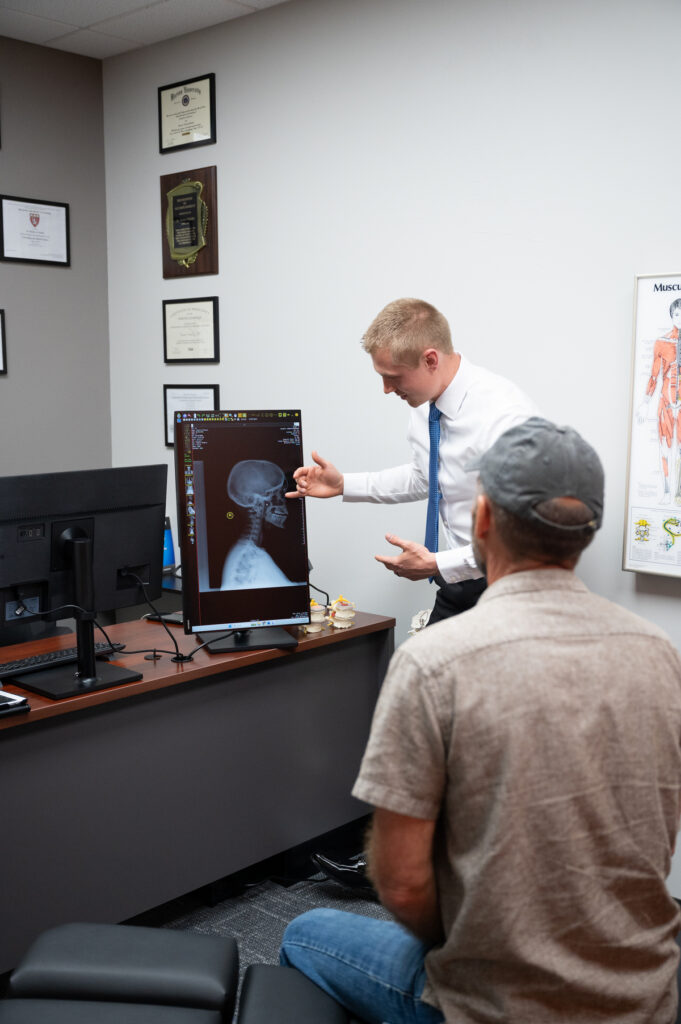
When you come to my office, I’ll conduct a thorough assessment of your spine and joints to pinpoint any misalignments. These misalignments can lead to pain and restricted movement, but with chiropractic adjustments, we can work together to restore proper alignment and function to your body.
Many patients report feeling immediate relief following an adjustment, and regular sessions can be crucial in maintaining the health of your spine over time.
In my practice, I often integrate adjustments with complementary therapies such as stretching or strengthening exercises to support your recovery process. Additionally, I provide guidance on posture and ergonomics to help prevent future flare-ups and ensure long-lasting results.
Understanding the benefits of chiropractic care can empower you on your journey to better health, and I’m here to support you every step of the way.
Let’s work together to enhance your well-being and improve your quality of life!
Acupuncture for Pain Relief
As a local chiropractor, I want to share with you the potential benefits of acupuncture in managing back pain.
This holistic approach can significantly aid in reducing inflammation and enhancing circulation, which are crucial for your recovery.
The treatment itself is quite simple; it involves the careful insertion of fine needles at specific points on your body to stimulate healing.
I encourage you to consider how integrating acupuncture into your overall pain management plan can complement your chiropractic care and support your journey towards a pain-free life.
Benefits of Acupuncture
As a local chiropractor, I want to introduce you to a complementary approach to managing back pain: acupuncture.
While many individuals turn to conventional treatments for relief, acupuncture is a time-honored practice that harnesses the body’s inherent ability to heal itself. By targeting specific points on the body, acupuncture promotes the release of endorphins, which can significantly alleviate pain.
Patients often find that acupuncture not only helps ease their discomfort but also enhances their overall sense of well-being. Many report feeling more relaxed and experiencing lower levels of stress, both of which are crucial for improving your quality of life.
Furthermore, acupuncture can aid in improving blood circulation and reducing inflammation, addressing some of the root causes of back pain.
Incorporating acupuncture into your wellness plan is a holistic approach that nurtures both your physical and emotional health. As you explore different treatment options, consider how acupuncture can help you feel more balanced and rejuvenated.
Together, we can create a comprehensive strategy for your health that goes beyond mere symptom relief.
Treatment Process Explained
When considering chiropractic care for back pain relief, understanding the treatment process can help alleviate any concerns you may have.
First, you’ll have an initial consultation with a licensed chiropractor who’ll evaluate your condition and discuss your symptoms in detail. They’ll explain how chiropractic adjustments work and develop a personalized treatment plan tailored to your needs.
During a typical session, you’ll lie comfortably on a treatment table while the chiropractor uses their hands to apply controlled, gentle pressure to specific areas of your spine and joints. You might hear some popping or cracking sounds, which can be completely normal, and the process shouldn’t be painful.
Sessions usually last about 30 to 60 minutes, and many patients find them to be quite soothing.
After your adjustment, you may experience immediate relief, but it’s important to remember that optimal results often come from a series of sessions.
Open communication with your chiropractor throughout the process is essential, as they can adjust your treatment plan based on your feedback and progress.
Embracing chiropractic care can be a positive step towards achieving better overall health and wellness.
Massage Therapy Benefits
As a local chiropractor, I want to share with you the incredible benefits of massage therapy as part of a holistic approach to health and wellness.
Massage therapy can provide effective pain relief by targeting specific areas of discomfort in your body. It promotes muscle relaxation, which can help alleviate tension and stiffness, making it easier for you to go about your daily activities.
Additionally, incorporating massage therapy into your wellness routine can lead to improved mobility outcomes, ultimately enhancing your overall quality of life.
You’ll find that with regular sessions, you can move more freely and comfortably, allowing you to enjoy your life to the fullest. Embracing natural healing methods like massage therapy can be a game-changer in your journey towards better health.
Pain Relief Techniques
As a local chiropractor, I want to educate you about effective pain relief options for back pain, particularly through the use of massage therapy. Many people may not realize that massage can play a vital role in alleviating discomfort by focusing on tense muscles and enhancing circulation.
When you receive a massage, the applied pressure helps to lower pain levels and fosters a sense of relaxation, which is particularly beneficial for those who experience chronic pain or muscle tightness.
Moreover, massage therapy contributes to your overall well-being. It stimulates the release of endorphins, which are your body’s natural painkillers. This not only helps in reducing pain but can also elevate your mood and provide immediate relief.
By incorporating regular massage sessions into your wellness routine, you may find yourself better equipped to manage back pain effectively.
I encourage you to consider scheduling an appointment with a licensed massage therapist, as this can be a valuable part of your journey towards natural healing and improved quality of life.
Muscle Relaxation Benefits
As a local chiropractor, I want to share one of the key benefits of integrating massage therapy into your wellness routine: muscle relaxation. Understanding how this works can significantly enhance your overall health and well-being. Here’s how relaxed muscles can positively impact you:
- Reduced Tension: Massage therapy effectively alleviates tightness in your muscles, particularly in the back and surrounding areas. This relief can lead to a noticeable decrease in discomfort, making daily activities more enjoyable.
- Improved Blood Flow: When your muscles are relaxed, blood circulation improves. This enhanced flow brings vital nutrients and oxygen to your muscles, which is essential for recovery and overall muscle function.
- Stress Relief: Relaxed muscles contribute to lower cortisol levels (the stress hormone), allowing you to feel more at ease. This reduction in stress can have a cascading effect on your mental and emotional health.
- Better Sleep Quality: With less tension and discomfort, you’re likely to experience improved sleep quality. Restful sleep is crucial for healing and rejuvenation, helping your body to recharge effectively.
By incorporating massage therapy into your health regimen, you can experience these benefits firsthand.
If you have any questions about how chiropractic care and natural healing techniques can further support your muscle relaxation and overall wellness, feel free to ask!
Improved Mobility Outcomes
As a local chiropractor, I want to share how incorporating massage therapy into your wellness routine can lead to remarkable improvements in your mobility. Many people aren’t aware of how effective massage can be in relieving tension in tight muscles. By easing this tension, your body can move more freely, resulting in an increased range of motion that makes everyday activities not only easier but also more enjoyable.
Regular massage therapy sessions can also enhance circulation, which is crucial for delivering essential nutrients to your muscles and joints. This improved blood flow can significantly aid in speeding up recovery from injuries, helping to reduce stiffness and alleviate pain.
Furthermore, massage therapy is a powerful tool for promoting relaxation. Lowering stress levels can be particularly beneficial, as stress often contributes to muscle tightness and discomfort. As you experience these positive changes, you may find yourself feeling more confident in your movements, allowing you to engage in physical activities you may have previously shied away from.
I encourage you to consider massage therapy as part of your path to a healthier, more mobile lifestyle. Together with chiropractic care, it can provide a holistic approach to improving your overall well-being.
Yoga for Strength and Flexibility
As a chiropractor, I often emphasize the importance of incorporating yoga into your daily routine to significantly improve both strength and flexibility.
This holistic practice can be a vital component in alleviating back pain and enhancing overall spinal health. By engaging in targeted yoga poses, you can effectively stretch tight muscles while also building core stability, which plays a crucial role in supporting your spine.
Here are four beneficial yoga practices I recommend exploring:
- Downward Dog: This pose is excellent for stretching the spine and hamstrings while simultaneously strengthening your arms and legs. It helps create length in the spine, which is essential for maintaining proper alignment.
- Cat-Cow Stretch: This gentle flow is particularly effective for improving spinal flexibility and relieving tension in the back. It encourages movement through the vertebrae, enhancing mobility and reducing stiffness.
- Warrior II: This pose not only strengthens your legs but also opens your hips, contributing to overall stability and balance. Strong legs and hips are essential for proper posture and can reduce the strain on your back.
- Child’s Pose: A restorative pose that provides a gentle stretch for the back while promoting relaxation and deep breathing. This pose is perfect for unwinding and relieving accumulated stress in the spine.
Incorporating these practices into your routine can complement chiropractic care and support your journey toward a healthier, pain-free back.
Heat and Cold Therapy
As your local chiropractor, I want to share with you some effective ways to find relief from back pain through heat and cold therapy. Many people are unfamiliar with these simple yet powerful techniques, and understanding them can greatly enhance your healing process.
Heat therapy is a fantastic way to soothe tight muscles and improve blood circulation. Techniques such as using warm compresses or heating pads can relax your muscles and promote healing. When applying heat, I recommend doing so for 15-20 minutes at a time. It’s vital to ensure that the heat is comfortable and doesn’t burn your skin.
On the flip side, cold therapy is equally important when it comes to managing pain. Utilizing ice packs or cold compresses can help reduce inflammation and numb any sharp pain you may be experiencing. For optimal results, apply cold therapy for 10-15 minutes, and make sure to let your skin return to its normal temperature before reapplying.
Combining these therapies can be particularly effective. I often suggest starting with cold therapy to address inflammation and then switching to heat therapy for muscle relaxation. It’s essential to listen to your body throughout this process; if your pain persists, please don’t hesitate to reach out to me or another healthcare professional for further assistance.
Pilates for Core Stability
As a local chiropractor, I want to share how Pilates can significantly enhance your core stability, which is crucial for relieving back pain and improving your posture. Many of my patients find that incorporating Pilates into their wellness routines complements the chiropractic adjustments I provide.
By focusing on controlled movements and mindful breathing, you can strengthen your core and offer better support to your spine. Here are four key benefits of adding Pilates to your regimen:
- Strengthens Core Muscles: Engaging your deep abdominal muscles is vital. This support plays a fundamental role in stabilizing your lower back, which can help reduce discomfort and prevent injuries.
- Enhances Flexibility: Regular participation in Pilates can improve your overall flexibility. This is important because increased flexibility can help alleviate stiffness, a common contributor to back pain.
- Improves Posture: Pilates fosters greater body awareness, which is key to maintaining proper alignment during daily activities. Good posture can relieve stress on your spine and reduce pain.
- Reduces Stress: The mindful approach of Pilates promotes relaxation. This can be especially beneficial in alleviating the tension that often exacerbates back pain, complementing the healing effects of chiropractic care.
Aromatherapy and Essential Oils
As a local chiropractor, I want to share how aromatherapy and essential oils can be valuable tools in your journey to alleviate back pain. These natural remedies can provide soothing benefits that help reduce inflammation and promote relaxation, which are essential components of effective pain management.
Consider incorporating oils such as lavender, peppermint, or eucalyptus into your routine. Lavender oil is well-known for its calming properties, making it an excellent choice for reducing anxiety and promoting restful sleep. On the other hand, peppermint oil offers a refreshing, cooling sensation that can relieve muscle tension and discomfort.
To make the most of these oils, you can add a few drops to a diffuser, which will disperse the scent throughout your space, or mix them with a carrier oil for a gentle massage on your lower back. Additionally, creating a warm bath infused with essential oils can be a wonderful way to unwind after a long day, allowing the aromatic scents to elevate your mood while also providing relaxation.
It’s important to remember to choose high-quality essential oils, as their potency can vary significantly.
And if you have any concerns about using these oils, I encourage you to consult with a healthcare professional. Together, we can explore holistic approaches to healing and enhance your overall well-being with these fragrant allies!
Cognitive Behavioral Therapy (CBT)
As a local Chiropractor, I want to share how Cognitive Behavioral Therapy (CBT) can be an essential part of your healing journey.
Understanding the connections between your thoughts, emotions, and physical pain is crucial for overall well-being. CBT helps you develop effective coping strategies, enabling you to manage discomfort more effectively and enhance your daily life.
Moreover, the behavioral change techniques offered by CBT empower you to take control of your pain management, leading to a more holistic approach to your health.
Understanding Pain Connections
As a local chiropractor dedicated to your overall wellness, I want to emphasize that back pain isn’t just a physical issue; it has strong connections to your mental health as well. Understanding these connections can greatly enhance your treatment and healing process.
Here are four important relationships to consider:
- Stress and Muscle Tension: High levels of stress can lead to muscle tightness, which often exacerbates back pain. By managing stress through relaxation techniques, you can help alleviate tension in your back.
- Negative Thoughts: If you tend to think negatively about your pain, it can actually make your perception of it worse. Adopting a more positive mindset can be a powerful tool in managing your pain levels.
- Emotional Well-being: Conditions like anxiety and depression can increase your sensitivity to pain. By addressing these emotional factors, perhaps through counseling or mindfulness practices, you can improve your overall experience of pain.
- Behavioral Patterns: Many people avoid activities because of their pain, leading to a cycle of inactivity that can worsen discomfort. It’s important to gradually engage in movement and activity, as guided by a chiropractor, to break this cycle.
By recognizing these connections, you can take proactive steps toward managing your back pain more effectively.
I’m here to support you on that journey with natural healing methods.
Coping Strategies Development
When it comes to managing back pain, developing effective coping strategies is crucial for your recovery, and chiropractic care can play a significant role in this process. One of the most helpful approaches is Cognitive Behavioral Therapy (CBT), which empowers you to challenge and change those negative thoughts surrounding your pain. By identifying unhelpful beliefs, you can shift your mindset, which often leads to reduced anxiety and improved mood.
I encourage you to start by keeping a pain journal to document your thoughts and feelings related to your discomfort. This practice helps increase your awareness, allowing you to recognize patterns and triggers that may be contributing to your pain.
Additionally, incorporating relaxation techniques, such as deep breathing exercises or mindfulness practices, can be incredibly beneficial in managing stress that often accompanies chronic pain.
As your chiropractor, my goal is to help you focus on what you can control—your responses to the pain—rather than the pain itself.
Behavioral Change Techniques
As a local chiropractor, I want to share how incorporating Behavioral Change Techniques, especially through Cognitive Behavioral Therapy (CBT), can significantly improve your management of back pain.
Understanding and adjusting the way you think about pain can lead to better coping strategies and overall well-being. Here are some effective techniques that I encourage you to consider:
- Identify Negative Thoughts: Begin by recognizing and challenging any harmful beliefs you may have about your back pain. Often, our mindset can influence our perception of pain.
- Practice Relaxation Techniques: Integrating deep breathing exercises or mindfulness practices into your daily routine can help reduce stress and tension in your body, which is crucial for healing.
- Set Realistic Goals: It’s important to break down your recovery journey into manageable steps. Celebrate small victories along the way to keep your motivation high and maintain a positive outlook.
- Develop Positive Habits: Engaging in regular physical activity and adopting a healthy lifestyle can greatly support your recovery process. Simple changes can make a big difference in how you feel.
By understanding and applying these techniques, you can empower yourself in your journey toward a healthier back and enhanced quality of life.
Conclusion
As a local chiropractor, I want to emphasize how integrating various therapies can significantly improve your back pain management and overall well-being. By combining physical techniques, such as chiropractic adjustments, with mindfulness practices, acupuncture, and even aromatherapy, we can create a holistic treatment plan tailored specifically to your needs.
It’s important to listen to your body throughout this process. Each individual responds differently to various therapies, so seeking professional guidance is crucial as you explore these options. With consistency and the right strategies, you can find relief from your discomfort and enhance your quality of life. Remember, chiropractic care is not just about adjusting your spine; it’s about fostering a comprehensive approach to health and healing. Let’s work together to find what works best for you.