You might be surprised to learn that preventing chronic diseases can be achieved through simple lifestyle changes. By focusing on a balanced diet, engaging in regular physical activity, and effectively managing stress, you can greatly enhance your overall well-being. These strategies not only promote physical health but also contribute to mental resilience. However, understanding how to implement these tips in your everyday life can make all the difference. Let's explore how you can start making these changes today for a healthier tomorrow.
Embrace a Balanced Diet
Many people overlook the importance of a balanced diet in preventing chronic diseases. You might think that what you eat doesn't greatly impact your health, but research shows otherwise. A well-balanced diet is your first line of defense against conditions such as heart disease, diabetes, and obesity. By focusing on nutrient-rich foods, you can support your body and reduce your risk.
Start by incorporating a variety of fruits and vegetables into your meals. Aim for a colorful plate; different colors often mean different nutrients. Leafy greens, berries, and citrus fruits are particularly powerful in fighting inflammation and boosting your immune system.
Whole grains like brown rice and quinoa should be staples in your diet, providing essential fiber and energy. Don't forget about healthy fats! Avocados, nuts, and olive oil can help maintain heart health and lower cholesterol.
Lean proteins such as chicken, fish, and legumes can keep you full while providing the necessary building blocks for your body. Limit processed foods, sugary snacks, and excessive salt. These can lead to weight gain and other chronic conditions.
Instead, prepare meals at home whenever possible, as this allows you to control ingredients and portions.
Stay Physically Active
Regular physical activity is essential for maintaining overall health and preventing chronic diseases. When you stay active, you reduce the risk of conditions like heart disease, diabetes, and obesity.
Plus, it helps improve your mood, boost your energy levels, and enhance your quality of life. Whether you prefer structured workouts or simply moving more throughout the day, finding ways to incorporate physical activity into your routine is vital.
Here are some tips to help you stay physically active:
Choose Activities You Enjoy: Whether it's dancing, hiking, or playing a sport, pick activities that excite you. You're more likely to stick with it if you enjoy what you're doing.
Set Realistic Goals: Start with small, achievable goals. Aim for at least 150 minutes of moderate aerobic activity each week. Breaking this down into manageable chunks can make it less overwhelming.
Incorporate Movement into Daily Life: Look for opportunities to move throughout your day. Take the stairs instead of the elevator, walk or bike to work, or do a quick workout during your lunch break.
Find a Workout Buddy: Exercising with a friend can make physical activity more enjoyable and keep you accountable. You're less likely to skip a workout if someone's counting on you.
Manage Stress Effectively
Staying physically active can help reduce stress levels, but managing stress effectively is just as important for preventing chronic diseases. You need to recognize your stressors and develop strategies to tackle them head-on. Start by identifying what causes your stress—whether it's work deadlines, family responsibilities, or financial concerns. Once you pinpoint these triggers, you can take proactive steps to address them.
Incorporate relaxation techniques into your daily routine. Practices like deep breathing, meditation, or yoga can greatly lower your stress levels. Even just a few minutes of focused breathing can make a difference. Don't underestimate the power of a short break; stepping away from a problem can give you a fresh perspective.
You should also prioritize self-care. Make time for activities you enjoy, whether that's reading, gardening, or spending time with loved ones. These moments of joy can help balance out the stress in your life.
Additionally, maintaining a healthy sleep schedule is vital. Lack of sleep can exacerbate stress, so aim for 7-9 hours of quality rest each night.
Finally, don't hesitate to reach out for support. Talking to friends, family, or a professional can provide you with the tools needed to manage stress more effectively. Remember, you're not alone in this journey. By taking these steps, you can create a more balanced life and protect yourself from chronic diseases.
Conclusion
By embracing a balanced diet, staying physically active, and managing stress effectively, you can greatly reduce your risk of chronic diseases. Remember to fill your plate with colorful fruits and veggies, move your body regularly, and take time for relaxation. These simple lifestyle changes can lead to improved health and well-being. So, start today—your future self will thank you for the positive choices you make now!
A pinched nerve can disrupt sleep, work, and daily life. Learn what causes pinched nerves and how chiropractic care in Green Bay, WI can help you find relief.
I am so grateful for Dr. Shultz, Faith and even the new girl whose name escapes me.😬. I came in with a severe herniated disc with nerve impingement which made it hard for me to stand for more than a couple minutes and had me walking either a walker. For 8 months I was passed around from dr to dr either no relief from anything. Within 4 session I was able to ditch the walker and I am improving with every session. I have my life back and look forward to a future with no pain! Thanks you guys, you’re amazing!
⭐⭐⭐⭐⭐
I had a really great experience at 920 chiropractic. Everyone was friendly and professional, and they made me feel comfortable right away. The Dr. Hunter listened to my concerns, explained everything clearly, and took great care of me. I really appreciated how attentive and welcoming they were. I’d definitely recommend this clinic to anyone looking for quality chiropractic care!
I couldn’t be happier with the care I’ve received from Dr. Hunter. I started with some minor back pain, and now my back feels great. I’m also more flexible than I’ve been in years. I highly recommend Dr. Hunter!
Faith and Mikayla always greet you will always smile and are happy to see you for your visit! Dr. Schultz takes the time to listen and explains his process, I went from having back pain and migraines everyday to having minimal migraines and back pain is 99% pain free. Please give 920 Chiropractic a chance and you will feel the results!
I would highly recommend Dr. Schultz. I have been dealing with neuropathy for over the past year. I've been under the care of the neurologist for over a year. All he did was try to mask the pain in my feet and hands with pills. None of them worked. They only made me gain weight. I saw Dr. Schultzs ad on Facebook and booked an appointment. My first time I saw him opened my eyes as to why I was having my pain. After my first appointment, I felt the results. No more waking up in the middle of the night in constant pain. Dr. Schultz and his staff are great. I highly recommend 920 Chiropractic and Dr. Schultz!
From the consultation on I’ve had excellent service and treatment.
Dr. Schultz did a great job diagnosing and explaining the problems I was having and provided a clear treatment plan. After just a few adjustments my back and neck were feeling much better.
Amazing atmosphere!!! From my first visit, I have felt nothing but seen, heard, and valued. Dr. Schultz has done a wonderful job! I felt results after my first visit. Would highly recommend:)
I absolutely love the staff here everyone is so friendly and the adjustments are very tailored to what I need! I highly recommend 920 Chiro Dr.Schultz is awesome!
The two AMAZING ladies at the front desk, Faith and Emmalee are so nice and good at what they do!<br><br>I would 100% recommend going here to get adjusted by Hunter because he gets the job done and makes sure you get adjusted and listens to any issues you have!
Dr. Schultz at 920 Chiropractic is my new hero! I had an incredibly painful case of lumbar radiculopathy (AKA Sciatica) that he was able to get me relief from in a very reasonable amount of time. I'm so grateful to have found the professional care I needed at an affordable price. My back and legs haven't felt this good in years!
Dr. Schulz and his staff are super! It took awhile to feel the benefit of the adjustments and decompression, but my back and hips feel much better! The dull low back pain is very seldom now and I don't have the pain in my hips like I did when I started! Dr. Schulz is very knowledgeable and I love that he took x-rays to start with! I definitely recommend him!
i was recommended by a friend and i’m so thankful for her! i’ve noticed quite a difference in my back! faith and dr. schultz are so kind and i always leave with a fun fact about the spine or other bones! 10/10
Dr. Hunter is so thorough with all of his care, you can tell he loves treating patients. Dr. Hunter is extraordinary at his job. If you are looking for a professional and welcoming chiropractor 920 chiropractor is the place!
Dr. Schultz is a great person and chiropractor. He truly cares about his patients and I always feel so much better after visiting! Faith is super awesome as well and knows me by name when I walk in!
Hunter and Faith are extremely welcoming and genuinely care about you feeling better. My lower back pain is virtually gone and I feel great everyday!(:
First time at a chiropractor and I was a little nervous but everyone was very nice! Dr Schultz is great and is very thorough with his explanations on the process of getting you back to 100%!
Hunter is always super helpful and the receptionist is always super sweet. My first time ever at a chiropractor in my life was at this practice it’s been such a great experience each time 🤩
Dr Schultz, Faith, and Mikayla are an absolute amazing team! From the first appt, I felt very welcomed, and listened to about my concerns. My concerns were addressed and are being treated, and I feel amazing! Dr. Schultz is very knowledgeable and explains things very well. If you’re looking for a great chiropractic team, I HIGHLY recommend!!
I can’t say enough great things about Dr. Schultz. I came in dealing with ongoing back/neck pain, and he created a treatment plan that actually worked. He explains what he’s doing and why, which I really appreciate. You can tell he knows what he’s talking about and genuinely cares about helping his patients feel better long-term, not just providing a quick fix. Faith his receptionist is also so friendly and makes you feel comfortable right when you walk in the door!
Dr. Hunter does such an amazing job in helping me feel better in ways the benefit my whole body. As well as teaching me different tricks to help myself feel better!
I’ve had a truly wonderful experience with 920 Chiropractor. Everyone there has been fantastic to work with—so kind, supportive, and helpful. Dr. Schultz did an excellent job explaining everything and putting together a care plan that made sense for me. You can tell he genuinely cares about how his patients are feeling and progressing. The decompression and roller tables have been amazing, and I’m finally starting to feel things getting back to where they should be.
"If you're looking for a chiropractor who truly cares about his patients, you've found the right place. I had significant back issues, and after just a few weeks, I’m already feeling much better. From the moment you walk in and are greeted by Kayla's warm smile to Dr. Hunter's informative approach during every visit, you can genuinely feel the care and dedication here. It’s refreshing to go to a place that prioritizes your well-being. Thank you both!"
I highly recommend Dr. Schultz at 920 Chiro he is the real deal.His passion and knowledge for chiropractic care is evident. Beautiful office, friendly staff, and advanced technology. He is always accommodating when I call and want to get in on short notice.
Hi I'm tori I started beginning of september felt like I was 50 when i'm only 35 constant headaches, unbelievable back pain, constant pain all day every day<br>Could not sit without being in Tears from my back hurting so bad, I had Always thought chiropractors where a waste of money but I was desperate so I saw an ad for first visit at a price under $50 came with a set of x rays and thought to myself, what do I have to lose so I called made an appointment went<br>And the amount of things I learned and forty five minutes made me thinking no flipping way we'll I'm so glad I did go because I haven't felt the way I do now since senior year in high school I have 3 kids and I can't remember the last time I was as flexible as I am now.<br>Or the last time I did not have to complain about back pain or the last time I didn't have a migraine but here I am living life 24 weeks will make the homemade whip cream sweet
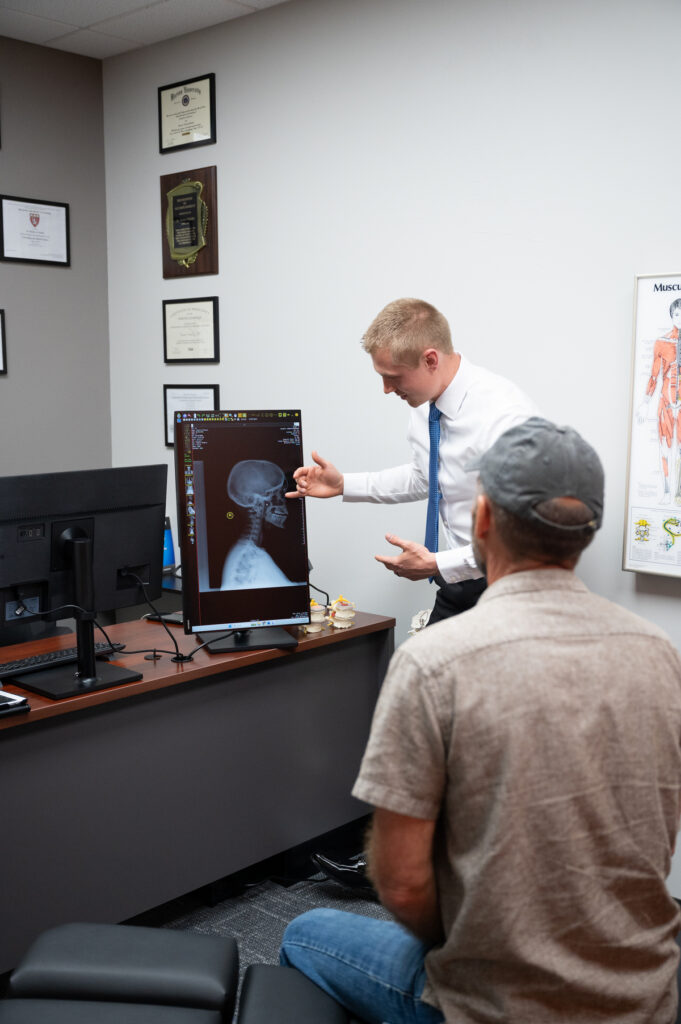
If you’ve never been to a chiropractor or you’re looking for a new one, I highly recommend Dr. Hunter Schultz. I had never been to a chiropractor and at 920Chiro the staff immediately made me feel at ease. Dr. Schultz formed a treatment plan specific to me and showed he truly cares by explaining it in detail, sharing his knowledge with the use of x-rays and charts..
This is a great chiropractor for those needing help with lower back pain! Dr. Schulz is kind and gentle, and doesn't just do those "one size fits all" treatments. Recommend 100%!
Dr. Schultz was the first chiropractor that ever truly listened and cared about my concerns. He was thorough and completely explained the how and why about the treatment he was providing. I knew every step of the way what he was doing and how it was helping me. He is totally affordable compared to other chiropractors I have been to, and has actually given me positive results! I highly recommend Dr Schultz at 920 Chiropractic if you want worthwhile and beneficial care.
Dr. Schultz is incredibly knowledgeable and explains everything he is doing and how it helps perfectly. Definitely feeling a lot better as a result of working with him and will continue to do so!
Excellent professional service. From the moment I walked through the door to reoccurring visits I feel welcomed. Dr. Schultz put a plan together and has been very communicative and a great listener. I would highly recommend Dr. Schultz and his staff.
Dr. Schultz has helped me go from having several headaches a week to none! He is so full of knowledge, so compassionate, and really wants to help with not only pain, but other aspects of life like sleep, digestion, etc.
Dr. Schultze is truly top-notch!<br>Not only is he an exceptional chiropractor, but he's also a compassionate and dedicated healthcare provider. He takes the time to genuinely listen to his patients and tailors his care to support their unique health journeys. His adjustments are both gentle and precise—offering not just short-term relief, but meaningful, long-lasting results. If you're looking for individualized chiropractic care with a personal touch, Dr. Schultze is the one to choose!
Exceptional chiropractic care focused on precision and long-term results. Pain relief isn’t just immediate…it’s lasting. The attention to alignment and function makes a noticeable difference in daily life. Highly recommend for anyone seeking true, effective relief and a higher standard of care.
Dr. Schultz is a doctor who truly and sincerely cares about you and your family's wellbeing and health! The practice is welcoming and the staff are very professional and kind. You're going to receive high quality care with Dr. Schultz. If you are even questioning about coming in, don't hesitate any longer. Make the appointment and take charge of your health! :)
A friendly staff and inviting atmosphere partnered with knowledgeable, caring, and effective chiropractic care makes for a great experience every time. Highly recommend giving it a try.
Dr. Schultz is AMAZING! His precise adjustments and thorough approach truly showcase his expertise. I felt immediate relief after my visit, and his genuine care for my well-being made the experience outstanding. Highly recommend his top-notch care!