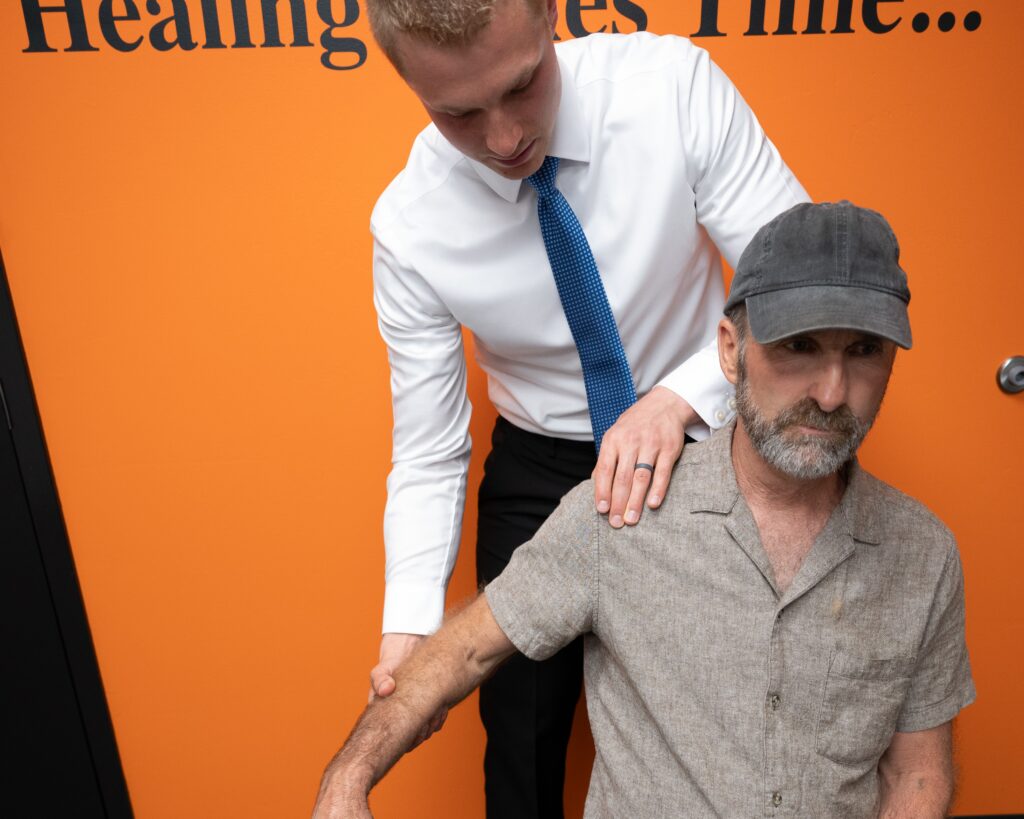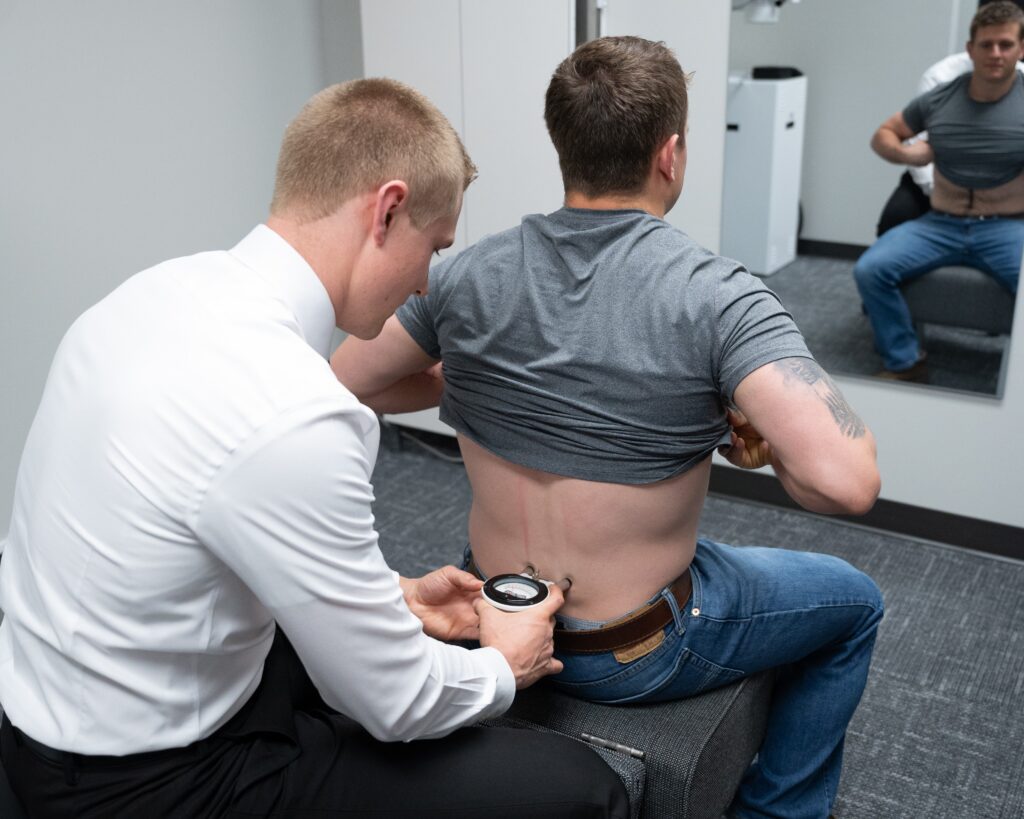

When it comes to back pain, one size definitely doesn't fit all. You might find that standard treatments often overlook the specific factors that contribute to your discomfort, leaving you frustrated and in search of relief. Tailored treatments take into account your unique lifestyle, emotional state, and physical challenges, offering a more effective path to recovery. But what exactly does this personalized approach entail, and how can it truly transform your experience with back pain? Exploring these questions could lead you to the answers you need.
Understanding Back Pain
What causes back pain, and why does it affect so many people? You might be surprised to learn that back pain isn't just a result of injury or aging. It can stem from various factors, including your lifestyle, posture, and even emotional stress.
When you sit for long periods or lift heavy objects without proper technique, your muscles and ligaments can become strained, leading to discomfort. Additionally, poor posture can put unnecessary pressure on your spine, contributing to pain over time.
You're also likely to experience back pain if you're not getting enough exercise. Physical activity strengthens the muscles that support your back, helping to maintain proper alignment. When you're sedentary, those muscles weaken, making you more susceptible to injury.
Moreover, emotional stress can lead to muscle tension, and that tension can manifest as back pain. Recognizing these influences is essential for understanding your own pain.
Another factor to take into account is your body mechanics. If you regularly engage in activities that require repetitive motions or awkward positions, you may be setting yourself up for back pain.
Even sleeping in an uncomfortable position can impact your spinal health. By recognizing these underlying issues, you can take proactive steps to address them.
Ultimately, understanding back pain requires a holistic view of your lifestyle and habits. By identifying the various factors at play, you can start to take control of your back health and seek tailored treatments that actually work for you.
Common Causes of Back Pain
Back pain can arise from a variety of common causes that often go unnoticed in daily life. One significant factor is poor posture, especially if you spend long hours sitting at a desk or using a smartphone. Slouching or leaning forward can strain your back muscles and lead to discomfort.
Another common cause is muscle strain. Lifting heavy objects improperly or engaging in sudden physical activity can put a strain on your back muscles, resulting in pain. Even everyday activities, like bending over to pick something up or twisting your body, can lead to muscle injuries if not done carefully.
In addition, age plays a role in back pain. As you get older, the discs in your spine can degenerate, leading to conditions such as osteoarthritis or herniated discs. These conditions can cause significant discomfort and limit your mobility.
Weight is another contributing factor. Carrying excess weight puts additional strain on your back, making it more susceptible to pain. Similarly, a lack of physical activity can weaken your back muscles, making them less capable of supporting your spine.
Finally, stress can manifest physically, leading to muscle tension in your back. This tension can contribute to chronic pain if not managed properly.
Identifying these common causes in your own life can help you take proactive steps to alleviate back pain and seek tailored treatments that address the underlying issues.
Limitations of Standard Treatments
Standard treatments for back pain often focus on symptom relief rather than addressing the underlying causes. You might find that over-the-counter painkillers, physical therapy, or even steroid injections provide temporary comfort but don't resolve the root issues. This short-term approach can lead to a cycle of dependency on medications without truly improving your condition.
Moreover, standard treatments often ignore individual differences. What works for one person may not work for another, yet many practitioners apply a one-size-fits-all method. You could be left feeling frustrated when the prescribed treatments don't align with your specific needs or lifestyle.
Additionally, standard approaches may overlook the psychological factors contributing to your back pain. Stress and anxiety can exacerbate physical discomfort, but traditional treatments often neglect this aspect, focusing solely on the physical symptoms. This oversight can leave you feeling unheard and misunderstood, which might hinder your recovery.
Another limitation is the potential for side effects. Pain medications, while effective for some, can lead to gastrointestinal issues, dependency, or other health complications. You might find yourself weighing the risks of medication against the benefits, complicating your treatment journey further.
Ultimately, relying on standard treatments can lead to a superficial understanding of your back pain, leaving you without a thorough solution that addresses both your symptoms and their underlying causes. It's essential to reflect on more personalized approaches that look at your overall health and specific circumstances.
Benefits of Personalized Approaches
When it comes to back pain, personalized approaches can greatly improve your pain management.
By tailoring treatments to your specific needs, you're more likely to see enhanced recovery outcomes.
This individualized strategy not only addresses your unique symptoms but also empowers you on your healing journey.
Individualized Pain Management
While many treatments for back pain follow a one-size-fits-all approach, individualized pain management can greatly enhance your recovery journey. By tailoring strategies to your specific needs, preferences, and lifestyle, you'll likely experience more effective relief. You're unique, and so are your pain triggers; understanding this can lead to targeted interventions that work best for you.
Individualized pain management allows you to explore various modalities—like physical therapy, medication, or alternative therapies—based on what suits you. It also fosters a stronger relationship with your healthcare provider, who can guide you through choices that align with your personal goals. This collaborative approach can help you feel more in control, boosting your confidence as you navigate your recovery.
Moreover, tracking your progress and adjusting your plan as needed can help you pinpoint what's working and what isn't. This flexibility guarantees you're not stuck in a rigid framework, allowing for continuous improvement in your pain management strategy.
Ultimately, personalized approaches not only address your physical discomfort but also consider your emotional well-being, making a significant impact on your overall quality of life.
Enhanced Recovery Outcomes
Personalized treatment plans greatly enhance recovery outcomes for individuals dealing with back pain. When you receive a tailored approach, your specific symptoms and lifestyle factors are taken into account.
This means the strategies you implement—whether it's physical therapy, medication, or alternative treatments—are more likely to be effective for your unique situation.
You'll notice quicker pain relief, improved mobility, and a greater overall sense of well-being. Personalized plans help you stay motivated and engaged in your recovery, as you can see real progress based on your specific needs.
Furthermore, addressing the root causes of your pain rather than just the symptoms fosters longer-lasting results.
Assessing Individual Needs
To effectively manage your back pain, it's essential to identify your unique pain triggers.
This understanding allows you to create personalized treatment plans that truly address your needs.
Unique Pain Triggers
Identifying unique pain triggers is vital for effectively managing back pain. Every individual experiences pain differently, and recognizing what specifically aggravates your back can make a considerable difference in your treatment journey. Factors such as your posture, daily activities, and even your emotional state can play a role in your pain levels.
You might find that certain movements, like lifting heavy objects or sitting for long periods, exacerbate your discomfort. Alternatively, stress or anxiety could lead to muscle tension, worsening your back pain. Keeping a pain diary can help you track these triggers, giving you insights into patterns that may not be immediately obvious.
Additionally, your lifestyle choices, such as exercise habits and sleep quality, can greatly impact your pain experience. If you notice that specific exercises lead to increased pain, it's important to take note.
Understanding these unique triggers allows you to be proactive rather than reactive. By pinpointing what causes your pain, you can better communicate with healthcare professionals and make informed decisions about your management strategies.
This individualized approach is key to finding relief and improving your quality of life.
Personalized Treatment Plans
Creating a treatment plan tailored to your specific needs is fundamental for effectively managing back pain. Every individual's experience with pain is unique, influenced by factors such as lifestyle, medical history, and the nature of the pain itself.
To start, you should assess your pain's intensity, location, and triggers. This information helps in pinpointing the most effective interventions.
Next, consider your daily activities and how they affect your back health. For instance, if you have a sedentary job, incorporating regular movement and ergonomic adjustments can be essential.
It's also important to evaluate your physical fitness level, as this impacts the types of exercises and therapies you can safely pursue.
Consulting with healthcare professionals, like physical therapists or chiropractors, is critical. They can provide personalized recommendations based on your assessments and help you set realistic goals.
Keep in mind that your treatment plan should include a mix of therapies, such as physical therapy, medication, and lifestyle changes.
Lastly, it's important to remain engaged in your treatment. By actively participating in discussions about your plan, you'll be better equipped to manage your back pain effectively.
Ongoing Assessment Importance
Regularly evaluating your progress is key to fine-tuning your back pain management plan. You need to assess how well your current strategies are working and identify any areas that might require adjustment. This ongoing assessment helps you understand your body's responses to treatments, whether they're exercises, medications, or alternative therapies.
By keeping a journal or using a pain-tracking app, you can monitor your symptoms and any changes over time. This data will give you valuable insights into patterns and triggers, enabling you to make informed decisions about your treatment.
Sometimes, what worked initially may lose its effectiveness, so it's crucial to stay flexible and open to change.
Don't hesitate to communicate with your healthcare provider about your findings. They can guide you in modifying your plan based on your ongoing assessments. Together, you can explore new options or tweak existing ones to optimize your pain relief.
Types of Tailored Treatments
When it comes to back pain, a variety of tailored treatments can effectively address your specific needs. Understanding the different options available will help you make informed decisions about your care.
Physical therapy is one of the most common tailored treatments. A physical therapist will assess your condition and create a personalized exercise program aimed at strengthening your back muscles, improving flexibility, and enhancing overall function. This can lead to significant pain relief and improved mobility.
Chiropractic care is another option. Chiropractors focus on spinal alignment and use manual adjustments to relieve pain and restore proper function. They often incorporate other techniques like massage and stretching, providing a thorough approach to your back pain.
Medication can also be tailored to your situation. Depending on the severity of your pain, your doctor may prescribe anti-inflammatory drugs, muscle relaxants, or pain relievers. It's essential to discuss your medical history and any other medications you're taking to avoid interactions.
In some cases, injections, such as epidural steroid injections, may be recommended to reduce inflammation and pain. These treatments can provide temporary relief, allowing you to participate in physical therapy more effectively.
Lastly, alternative therapies like acupuncture and massage therapy can complement traditional treatments. These methods focus on promoting relaxation and alleviating pain through different techniques, tailored to your preferences.
Choosing the right combination of these tailored treatments can lead to a more effective and personalized approach to managing your back pain.
Success Stories and Case Studies
Over the years, many individuals have found relief from back pain through tailored treatments, showcasing a range of success stories that highlight their journeys.
Take, for example, Sarah, a 35-year-old graphic designer who struggled with chronic lower back pain for years. After trying various generic treatments with little success, she sought a personalized approach. By working closely with a specialist, Sarah discovered that her pain stemmed from a combination of muscle imbalances and poor posture. Through targeted exercises and ergonomic adjustments, she not only alleviated her pain but also improved her overall work performance.
Then there's Mike, a 50-year-old construction worker whose back pain had him questioning his ability to continue in his profession. Traditional treatments failed him, but after a thorough assessment, his healthcare provider created a customized plan that included physical therapy and specific strength-building exercises tailored to his job demands. Within weeks, Mike felt stronger and more capable, ultimately returning to work with confidence.
You might also find inspiration in Emily's story. After a car accident left her with debilitating pain, she underwent an extensive evaluation that revealed underlying stress and tension contributing to her discomfort. With a mix of mindfulness techniques and tailored physical therapy, Emily not only reduced her pain but also learned to manage stress effectively, leading to a more fulfilling life.
These stories illustrate the transformative power of tailored treatments, proving that personalized care can make all the difference in overcoming back pain.
Moving Forward With Customized Care
Moving forward with customized care can be a game-changer for anyone dealing with back pain. Instead of following a one-size-fits-all approach, tailored treatments address your specific needs, lifestyle, and pain triggers. By embracing this personalized strategy, you can enhance your recovery and improve your overall quality of life.
Here are three key benefits of customized care for back pain:
- Targeted Solutions: Customized care allows you to identify the root cause of your pain. Whether it's a herniated disc, muscle strain, or poor posture, tailored treatments focus on your unique condition, leading to more effective relief.
- Holistic Approach: Personalized plans often incorporate various therapies, including physical therapy, chiropractic care, and exercise regimens. This all-encompassing approach guarantees that you're not just treating the symptoms but also addressing underlying issues.
- Continuous Adaptation: Your body and pain levels can change over time. Customized care means your treatment plan can evolve, adapting to your progress and any new challenges that arise. This flexibility keeps you on the path to recovery.
As you move forward, seek professionals who prioritize personalized care. They'll assess your specific situation and work with you to create a plan that truly fits your needs.
Conclusion
Incorporating tailored treatments for your back pain can make a significant difference in your recovery journey. By addressing your unique needs and triggers, you'll find more effective relief and improved quality of life. Don't settle for one-size-fits-all solutions; work closely with your healthcare provider to create a personalized plan that suits you best. Embracing this customized approach not only alleviates symptoms but also empowers you to take charge of your health and well-being.