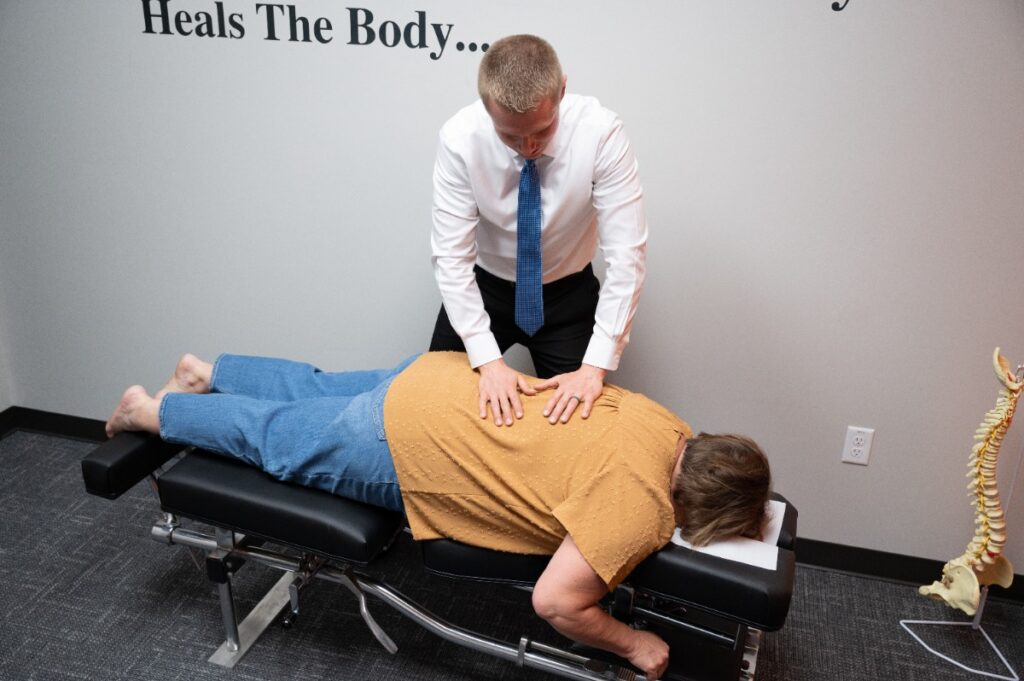
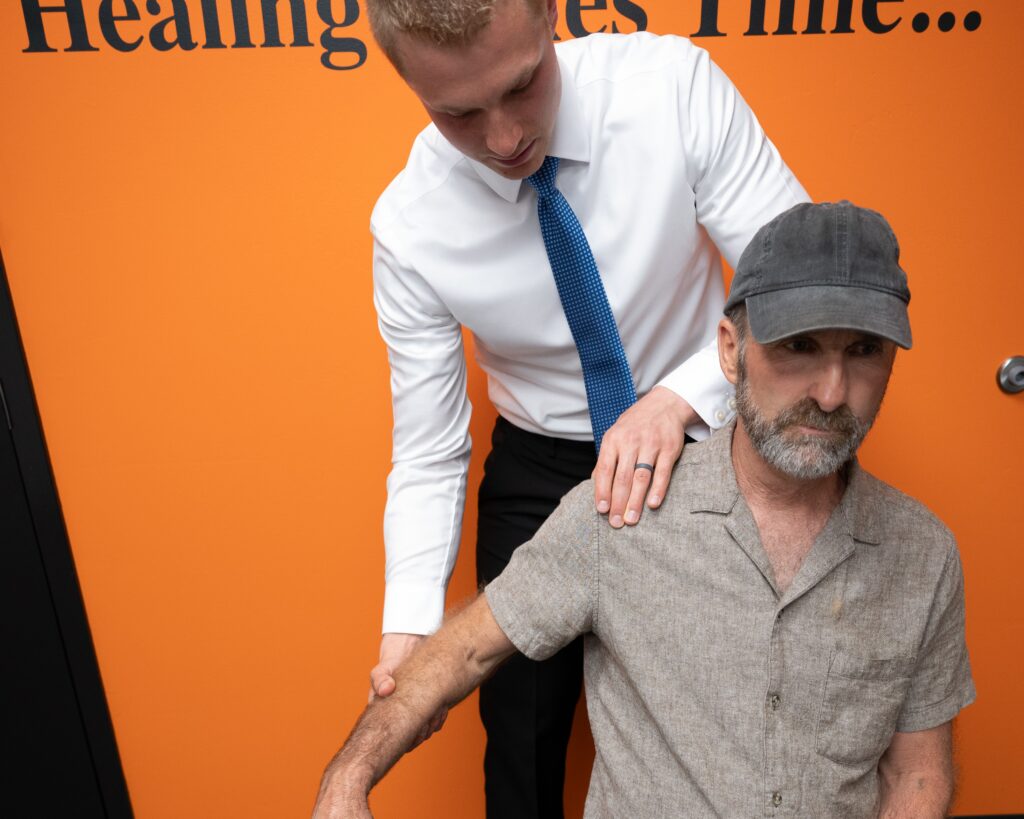

Shoulder pain is one of the most common complaints we hear about here at 920 Chiropractic Health & Injury Care in Green Bay, WI. Whether it crept up slowly over time or came on suddenly after an injury, shoulder pain has a way of interrupting just about everything — sleeping, driving, reaching for something on a shelf, even getting dressed in the morning. The good news is that most shoulder pain responds very well to conservative, non-surgical care. Understanding how physical therapy and rehabilitation fit into that picture can make a real difference in how quickly and fully you recover.
What does it mean to treat shoulder pain with physical therapy and rehabilitation?
Physical therapy and rehabilitation for shoulder pain refers to a structured, hands-on approach to restoring movement, reducing pain, and rebuilding strength in the shoulder joint and surrounding muscles. Rather than relying on medication or surgery, this approach addresses the underlying mechanical causes of shoulder dysfunction through guided exercise, manual therapy, and patient education.
- What Causes Shoulder Pain?
- How Physical Therapy and Rehabilitation Work for the Shoulder
- The Role of Chiropractic Care in Shoulder Recovery
- Practical Tips for Supporting Shoulder Recovery at Home
- When to See a Chiropractor for Shoulder Pain
- Comparing Common Shoulder Conditions
- Myths vs. Facts About Shoulder Pain and Rehab
- Final Thoughts from 920 Chiropractic Health & Injury Care
What Causes Shoulder Pain?
The shoulder is one of the most mobile joints in the entire body. That incredible range of motion is exactly what allows you to throw a ball, reach overhead, or give someone a hug. But all that mobility comes with a trade-off — the shoulder is also one of the most vulnerable joints to injury and dysfunction.
Here in Green Bay, WI, Dr. Hunter Schultz sees a wide variety of shoulder complaints at 920 Chiropractic Health & Injury Care. Some of the most common causes include rotator cuff injuries, which involve the group of four muscles and tendons that stabilize the shoulder. These can be strained, partially torn, or fully torn depending on the mechanism of injury. Overuse — common in athletes, manual laborers, and office workers who reach repeatedly — is a frequent culprit.
Shoulder impingement syndrome is another very common issue. This happens when the tendons of the rotator cuff become compressed under the bony arch at the top of the shoulder, causing inflammation, pain, and reduced range of motion. Frozen shoulder, or adhesive capsulitis, develops when the connective tissue around the shoulder joint becomes tight and inflamed, severely limiting movement. Bursitis — inflammation of the fluid-filled sac that cushions the joint — is another frequent source of shoulder discomfort.
Posture plays a bigger role in shoulder pain than most people realize. Rounded shoulders and a forward head posture — extremely common in people who spend long hours sitting at a desk — can shift the mechanics of the entire shoulder girdle. Over time, this places abnormal stress on the tendons, muscles, and joint itself. Cervical spine (neck) dysfunction can also refer pain into the shoulder and upper arm, which is why a thorough evaluation is so important before beginning any rehab program.
How Physical Therapy and Rehabilitation Work for the Shoulder
Physical therapy and rehabilitation for shoulder pain is not a one-size-fits-all process. It is a carefully progressed plan that typically moves through distinct phases, each building on the last. Understanding what to expect can help you stay motivated and engaged in your own recovery.
The first phase focuses on reducing pain and inflammation and restoring basic mobility. During this stage, gentle range-of-motion exercises, soft tissue work, and modalities to manage discomfort are the priority. Pushing too hard too soon at this stage can actually delay healing, so a gradual approach is key.
The second phase shifts toward strengthening the muscles that support the shoulder. The rotator cuff muscles are small but critically important for shoulder stability. When they are weak, other larger muscles tend to compensate, leading to imbalanced movement patterns and ongoing pain. Targeted strengthening exercises for the rotator cuff, shoulder blade stabilizers (the scapular muscles), and the muscles of the upper back are central to this phase.
The third phase focuses on functional movement — retraining the shoulder to move correctly through the activities you need it for, whether that means returning to a sport, getting back to physical work, or simply regaining the ability to reach without pain. Neuromuscular re-education, which means retraining the brain-to-muscle communication pathways, is an important part of this stage. Research suggests that this kind of progressive, rehabilitation-based approach is among the most effective conservative treatments available for many common shoulder conditions.
Manual therapy — hands-on techniques that improve joint mobility and reduce soft tissue tension — is often incorporated throughout all phases of shoulder rehabilitation. This is one area where chiropractic care and physical therapy overlap and complement each other beautifully.
The Role of Chiropractic Care in Shoulder Recovery
Chiropractic care brings a unique and valuable perspective to shoulder rehabilitation. Dr. Hunter Schultz at 920 Chiropractic Health & Injury Care takes a whole-body approach to shoulder pain — because the shoulder does not exist in isolation. The cervical spine, thoracic spine, and even the biomechanics of the ribcage can all influence how the shoulder functions and heals.
Chiropractic adjustments to the thoracic spine (the mid-back) have been shown to improve shoulder mobility and reduce pain in patients with certain shoulder conditions. This is because the thoracic spine directly influences the position and movement of the shoulder blades, which in turn affects how the entire shoulder joint functions. When the mid-back is stiff or restricted, the shoulder has to work harder and move less efficiently, which contributes to overuse and injury.
Similarly, the cervical spine can be a hidden contributor to shoulder symptoms. Nerve roots that exit the lower neck travel directly into the shoulder, arm, and hand. When a cervical joint is restricted or a nerve root is irritated, the resulting pain and weakness can closely mimic a local shoulder problem. Identifying and addressing this kind of cervicogenic shoulder pain is an important part of what Dr. Hunter Schultz evaluates during a comprehensive examination.
Beyond spinal adjustments, chiropractic care at 920 Chiropractic Health & Injury Care may also include soft tissue therapy, rehabilitative exercises, postural correction strategies, and patient education. The goal is always to help you move better, feel better, and understand what your body needs to stay healthy long-term.
Practical Tips for Supporting Shoulder Recovery at Home
Recovery from shoulder pain is not just something that happens in the clinic — what you do between visits matters just as much. Here are some simple, evidence-aligned habits that can support your progress.
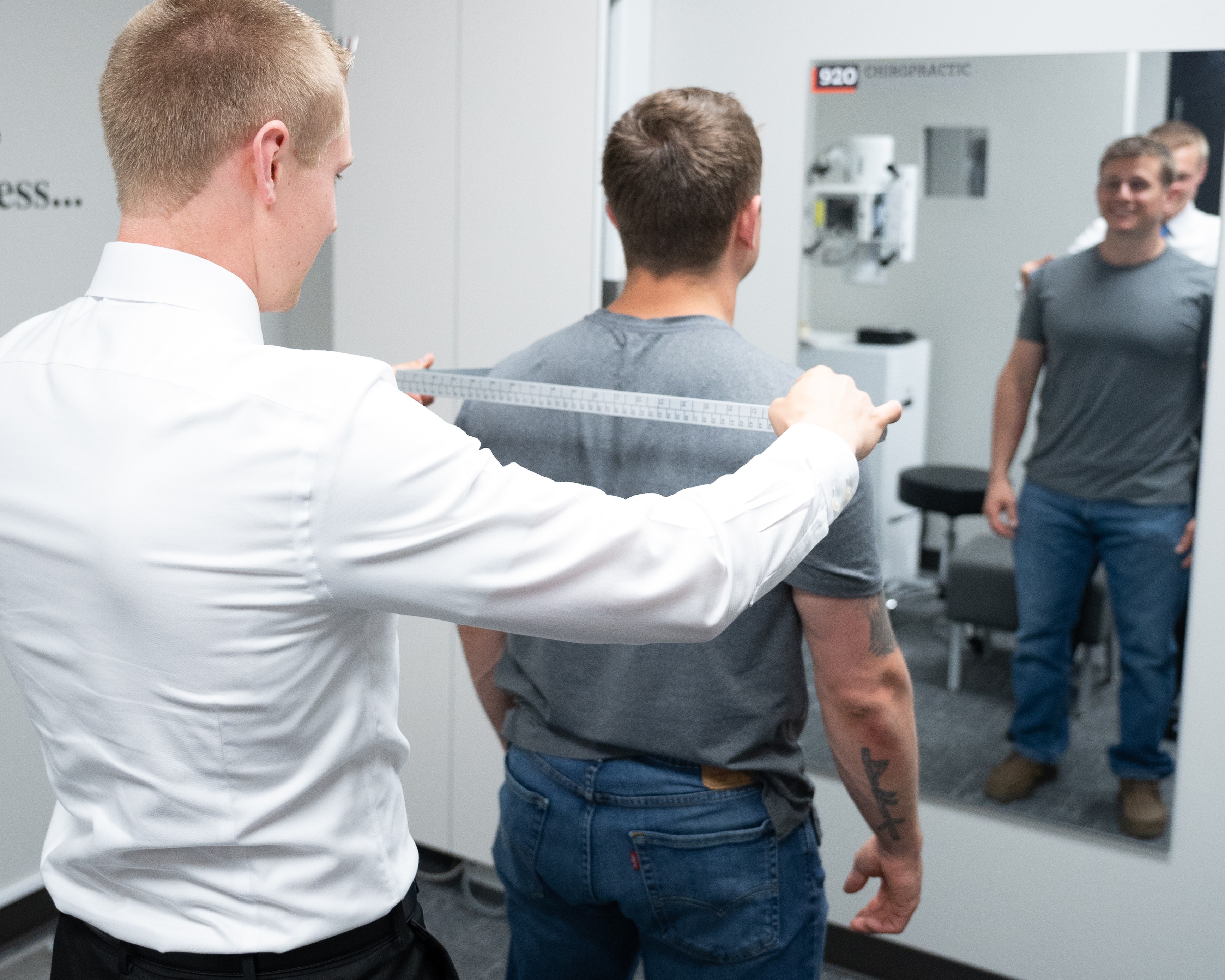
Postural awareness is one of the most powerful things you can practice daily. Try to avoid letting your shoulders round forward, especially when sitting at a computer or looking at your phone. Think about drawing your shoulder blades gently back and down rather than letting them wing forward. This small shift can dramatically reduce the load on the rotator cuff and shoulder tendons throughout the day.
Sleep position can also have a significant impact. Sleeping directly on the painful shoulder is one of the most common ways people aggravate their shoulder pain overnight. If you are a side sleeper, try sleeping on the unaffected side with a pillow tucked in front of you to support the injured arm. Back sleeping with a small pillow under the elbow can also reduce shoulder stress.
Gentle, pain-free movement is generally better than complete rest. Complete immobilization of the shoulder tends to lead to stiffness and delayed recovery for most conditions. Unless you have been specifically instructed to rest by a healthcare provider, light movement within a comfortable range is typically beneficial. Your chiropractor or rehabilitation provider can guide you on what movements are appropriate for your specific situation.
Ergonomics matter, too. If you work at a desk, make sure your monitor is at eye level, your keyboard allows your elbows to stay close to your body, and your chair supports an upright posture. Small adjustments to your workspace can reduce the cumulative strain that builds up over hours of computer use.
When to See a Chiropractor for Shoulder Pain
Many people wait far too long to seek care for shoulder pain, hoping it will simply go away on its own. While minor muscle soreness from unusual activity often does resolve within a few days, persistent or worsening shoulder pain deserves professional attention. As a general guideline, if your shoulder pain has been present for more than one to two weeks without clear improvement, it is worth getting evaluated.
Dr. Hunter Schultz and the team at 920 Chiropractic Health & Injury Care are experienced in evaluating shoulder complaints and distinguishing between the many possible causes. Early assessment means faster, more targeted care — and typically a quicker recovery.
There are certain situations where a medical referral is the appropriate first step rather than chiropractic care. If you experience sudden, severe shoulder pain after a significant fall or trauma, you should seek emergency evaluation to rule out fracture or dislocation. Shoulder pain accompanied by chest pain or shortness of breath can occasionally signal a cardiac issue and warrants immediate medical attention. Rapid onset of significant weakness or numbness in the arm and hand that cannot be explained by a known injury should also be evaluated medically without delay.
For the vast majority of shoulder pain presentations — including rotator cuff strains, impingement, bursitis, postural dysfunction, and stiffness — chiropractic evaluation and conservative rehabilitation are a highly appropriate and effective starting point.
Comparing Common Shoulder Conditions
| Condition | Primary Cause | Key Symptom | Common Rehab Focus |
|---|---|---|---|
| Rotator Cuff Strain | Overuse, trauma, or repetitive reaching | Pain with lifting or reaching overhead | Rotator cuff strengthening, scapular stability |
| Shoulder Impingement | Postural dysfunction, repetitive motion | Painful arc of motion (especially 60–120 degrees) | Postural correction, rotator cuff activation |
| Frozen Shoulder (Adhesive Capsulitis) | Inflammation and scarring of joint capsule | Severe stiffness, limited range of motion in all directions | Gradual mobility restoration, gentle stretching |
| Shoulder Bursitis | Repetitive use, direct pressure, inflammation | Localized tenderness, pain with movement | Reducing inflammation, restoring pain-free range |
| Cervicogenic Shoulder Pain | Cervical spine restriction or nerve irritation | Pain radiating into shoulder and arm from neck | Cervical and thoracic spinal care, nerve mobilization |
Myths vs. Facts About Shoulder Pain and Rehab
Myth: Rest is always the best treatment for shoulder pain.
Fact: Complete rest can actually slow recovery for many shoulder conditions. While it is important to avoid movements that cause sharp pain or worsen symptoms, gentle, guided movement helps maintain circulation, prevent stiffness, and support tissue healing. Evidence indicates that active rehabilitation typically leads to better outcomes than prolonged immobilization for most common shoulder injuries.
Myth: If it hurts, there must be serious structural damage.
Fact: Pain is not always an accurate reflection of tissue damage. Many people experience significant shoulder pain from postural dysfunction, muscle imbalance, or joint restriction — none of which involve torn tissue. Conversely, imaging studies sometimes show rotator cuff changes in people who have no pain at all. A thorough clinical evaluation is far more useful than imaging alone for guiding care.
Myth: You need an MRI before starting physical therapy or chiropractic care.
Fact: For most non-traumatic shoulder pain, conservative care can begin without advanced imaging. Clinical examination, movement testing, and a detailed history are often sufficient to identify the most likely cause and begin an appropriate treatment plan. Imaging is reserved for cases where there is concern about significant structural injury or when symptoms do not respond as expected.
Myth: Shoulder surgery is inevitable if therapy doesn’t work quickly.
Fact: The majority of shoulder conditions — including rotator cuff injuries and impingement — respond well to conservative care over time. Research published in peer-reviewed journals has found that structured rehabilitation produces outcomes comparable to surgery for many patients with rotator cuff tears and impingement syndrome. Surgery remains an important option when truly needed, but it is rarely the only or first option.
Myth: Chiropractic care is only for back and neck problems.
Fact: Chiropractors are trained to evaluate and treat musculoskeletal conditions throughout the body, including the shoulder, hip, knee, and more. The relationship between spinal mechanics and extremity function is well-established, and chiropractic care is a recognized part of comprehensive shoulder rehabilitation for appropriate patients.
Final Thoughts from 920 Chiropractic Health & Injury Care
Shoulder pain can feel discouraging — especially when it limits the everyday activities that you take for granted. But the truth is, with the right evaluation and a thoughtful rehabilitation plan, the vast majority of people recover well. You do not have to accept shoulder pain as a permanent part of your life.
At 920 Chiropractic Health & Injury Care in Green Bay, WI, Dr. Hunter Schultz is passionate about helping patients in our community understand what is happening in their bodies and feel empowered to take an active role in their recovery. Whether you are dealing with a recent shoulder injury, a nagging ache that has been building for months, or the stiffness of a frozen shoulder, there is a path forward — and it often does not require surgery or long-term medication.
If you are living with shoulder pain and you are ready to explore conservative, hands-on care, we encourage you to reach out to our team. Serving the Green Bay community and surrounding areas, 920 Chiropractic Health & Injury Care is here to help you move better and feel like yourself again.
Frequently Asked Questions About Shoulder Pain and Rehabilitation
How long does it take to recover from shoulder pain with physical therapy and chiropractic care?
Recovery time varies significantly depending on the condition, its severity, and how long it has been present. Minor muscle strains may resolve within a few weeks, while conditions like frozen shoulder can take several months of consistent care. Dr. Hunter Schultz will give you a realistic timeline based on your specific evaluation findings.
Can chiropractic adjustments directly treat the shoulder joint?
Yes. Chiropractors can perform gentle mobilization or manipulation of the shoulder joint itself, in addition to addressing related areas of the cervical and thoracic spine. The specific techniques used depend on the nature of the condition and what is most appropriate for each individual patient.
Is shoulder pain from a car accident different from regular shoulder pain?
Post-traumatic shoulder pain from a car accident can involve different injury patterns, including soft tissue trauma, joint sprains, and occasionally more significant structural injuries. It is important to have a thorough evaluation after any accident, even if symptoms seem mild at first. 920 Chiropractic Health & Injury Care in Green Bay, WI is experienced in injury care following accidents.
Can poor posture really cause shoulder pain?
Absolutely. Forward head posture and rounded shoulders alter the mechanics of the entire shoulder girdle, increasing compression on the rotator cuff tendons and reducing the shoulder’s ability to move efficiently. Addressing postural habits is often a central part of shoulder rehabilitation.
Should I apply heat or ice to a sore shoulder?
Generally, ice is helpful for acute injuries and inflammation in the first 48–72 hours, while heat may be more soothing for chronic stiffness and muscle tension. When in doubt, it is best to ask your chiropractor which is more appropriate for your specific situation, as it can vary depending on the nature of the condition.
Do I need a referral to see a chiropractor for shoulder pain in Wisconsin?
In Wisconsin, you do not typically need a physician referral to see a chiropractor. You can contact 920 Chiropractic Health & Injury Care directly to schedule an evaluation with Dr. Hunter Schultz and begin the process of getting answers and relief.
TL;DR — Key Takeaways
- Shoulder pain is one of the most common musculoskeletal complaints, and most cases respond well to conservative care, including physical therapy and chiropractic rehabilitation.
- Common causes include rotator cuff injuries, impingement, bursitis, frozen shoulder, and postural dysfunction — all of which can be assessed and addressed without surgery in many cases.
- Chiropractic care addresses not just the shoulder itself but also the cervical and thoracic spine, which directly influence shoulder mechanics and pain.
- Home habits like posture awareness, sleep position, and ergonomics play an important supporting role in shoulder recovery.
- If shoulder pain has lasted more than one to two weeks or is limiting your daily activities, it is worth scheduling an evaluation at 920 Chiropractic Health & Injury Care in Green Bay, WI with Dr. Hunter Schultz.