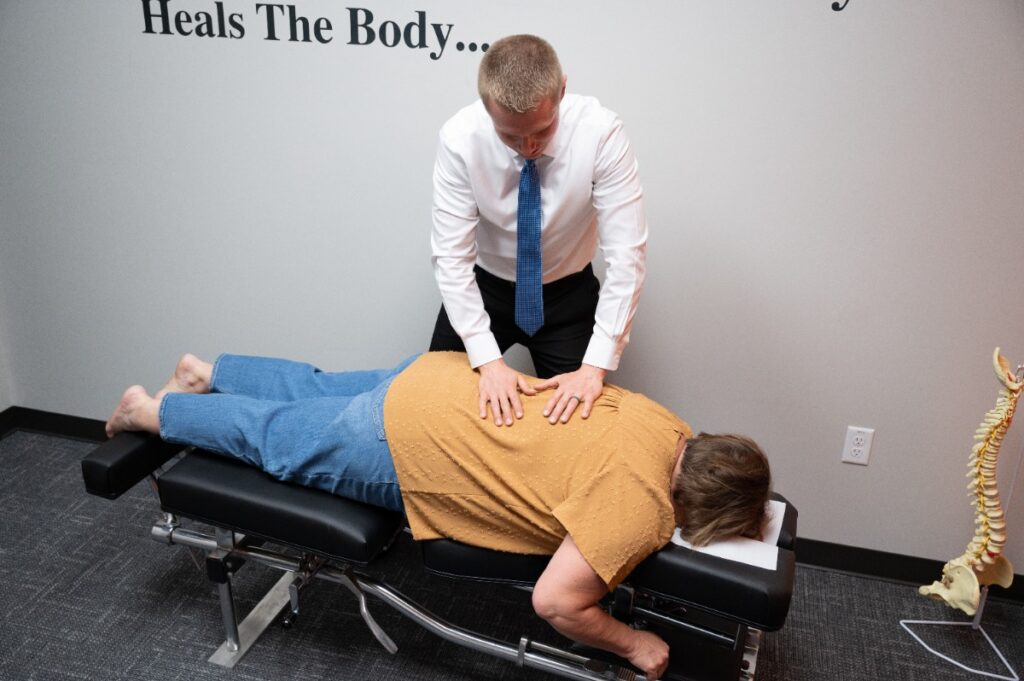

You might not realize how much your desk job is affecting your posture and overall health. Poor habits can lead to chronic pain, decreased productivity, and even mood swings. Seeking professional help can provide tailored solutions that address your specific posture issues, from slouching to wrist strain. With the right guidance, you can improve your posture and enhance your work experience. But what exactly can these experts offer that you can't achieve on your own? Consider the transformative possibilities that await you.
Common Posture Problems
When you sit at your desk for hours, it's easy to develop common posture problems that can lead to discomfort or even injury. One of the most frequent issues is slouching. You might find yourself leaning forward, causing your shoulders to round and your back to arch. This position can strain the muscles in your neck and back, leading to tension and pain.
Another common problem is the forward head posture. You may unconsciously push your head forward while looking at your screen, which puts additional pressure on your neck and spine. This can result in headaches and a stiff neck, making it difficult to concentrate on your work.
You might also experience wrist strain if your hands aren't positioned correctly on your keyboard. If your wrists are bent or unsupported, it can lead to discomfort over time. Poor chair height can exacerbate this issue, making it essential to adjust your workstation ergonomically.
Additionally, if you cross your legs or sit on one foot, you can create an imbalance in your hips and lower back. This misalignment can lead to discomfort and affect your overall posture.
Finally, prolonged sitting can tighten your hip flexors, making it harder to maintain proper alignment even when you stand up.
Being aware of these common posture problems is the first step toward improving your comfort and productivity. By making small adjustments to your workspace and being mindful of your posture, you can greatly reduce the risks associated with long hours at your desk.
Impact on Health
Sitting at a desk for extended periods can have significant repercussions on your health. You might think that just sitting down to work is harmless, but the truth is that poor posture and prolonged sitting can lead to various health issues.
When you neglect your posture, you put unnecessary strain on your muscles and joints, which can result in:
- Chronic Pain: Back, neck, and shoulder pain can become a daily reality, making it difficult to focus and be productive.
- Reduced Circulation: Sitting for long stretches can impede blood flow, increasing your risk for blood clots and varicose veins.
- Decreased Energy Levels: A slouched position can hinder your lung capacity, leading to fatigue and decreased concentration.
Over time, these issues can escalate and lead to more serious health concerns, such as musculoskeletal disorders and even cardiovascular disease.
You might also find that poor posture affects your mood and mental health, leading to increased stress and anxiety levels.
If you're already experiencing discomfort, it's essential to recognize that your desk job might be contributing to these health problems.
Taking proactive steps to improve your posture can make a significant difference in how you feel both physically and mentally.
Don't wait for pain to become a constant companion; addressing these posture issues now can pave the way for a healthier, more productive work life.
Benefits of Professional Help
Seeking professional help for posture issues can greatly enhance your well-being and productivity at work. When you consult a specialist, you gain access to targeted advice tailored to your specific needs. They can identify the root causes of your discomfort, helping you understand how your posture impacts your overall health.
One of the most significant benefits of professional help is the personalized assessment you receive. A trained expert can analyze your posture, ergonomics, and daily habits, pinpointing areas for improvement. This tailored approach guarantees you're not just receiving generic advice; you're getting solutions that fit your unique situation.
Additionally, professionals can introduce you to effective exercises and stretches designed to strengthen your muscles and improve flexibility. These techniques not only alleviate pain but also prevent future issues, allowing you to stay productive and focused throughout your day.
Another advantage is the accountability that comes with working with a professional. Regular check-ins and follow-ups can motivate you to stay committed to your posture improvement journey. Knowing someone is monitoring your progress can make all the difference in sticking to your goals.
Lastly, investing in professional help can lead to long-term benefits. Improved posture can enhance your confidence, reduce fatigue, and even boost your mood, making your work environment more enjoyable.
Ergonomic Solutions
Implementing ergonomic solutions can greatly reduce the strain on your body while working at a desk. By making a few adjustments to your workspace, you can enhance your comfort and productivity, preventing long-term health issues related to poor posture.
Here are some effective ergonomic solutions you should consider:
- Adjustable Chair: Invest in a chair that supports your lower back and allows you to adjust the height. Your feet should be flat on the floor, with your knees at a 90-degree angle.
- Monitor Positioning: Place your monitor at eye level, about an arm's length away, to minimize neck strain. The top of the screen should be at or slightly below eye level, so you can look straight ahead without tilting your head.
- Keyboard and Mouse Placement: Keep your keyboard and mouse at a comfortable height that allows your elbows to remain close to your body, ideally forming a 90-degree angle. Your wrists should be in a neutral position, not bent up or down.
Tips for Improvement
Improving your desk posture can considerably enhance your comfort and productivity. Start by adjusting your chair to guarantee your feet rest flat on the floor. If your feet don't reach, use a footrest. Keep your knees at a 90-degree angle, and avoid crossing your legs to promote better circulation.
Next, position your computer monitor at eye level, about an arm's length away. This prevents neck strain and allows you to keep your head straight. If you're using a laptop, consider investing in a stand or an external monitor to achieve this height. Remember to align the top of the screen with your eyes, so you don't have to tilt your head.
Your keyboard and mouse should be close enough that you can keep your elbows at a 90-degree angle while typing. Use a wrist rest if necessary, but make sure your wrists remain straight. Avoid leaning forward, as this can lead to back and shoulder pain. Instead, sit back in your chair and use your armrests for support.
Take regular breaks to stretch and move around. Set a timer to remind yourself to stand, walk, or do some quick stretches every 30 minutes. This will help relieve tension and improve circulation.
Finally, consider investing in ergonomic accessories like a lumbar support pillow or a sit-stand desk to further enhance your workspace comfort. By implementing these tips, you'll notice a significant improvement in your overall well-being at work.
Conclusion
In summary, addressing desk job posture issues is essential for your overall well-being. By seeking professional help, you can identify specific problems and learn effective strategies to improve your posture. Embracing ergonomic solutions and incorporating simple tips into your daily routine can greatly enhance your comfort and productivity. Remember, making these changes isn't just about feeling better; it's about preventing long-term health issues and boosting your mood. Take the first step toward a healthier you today!