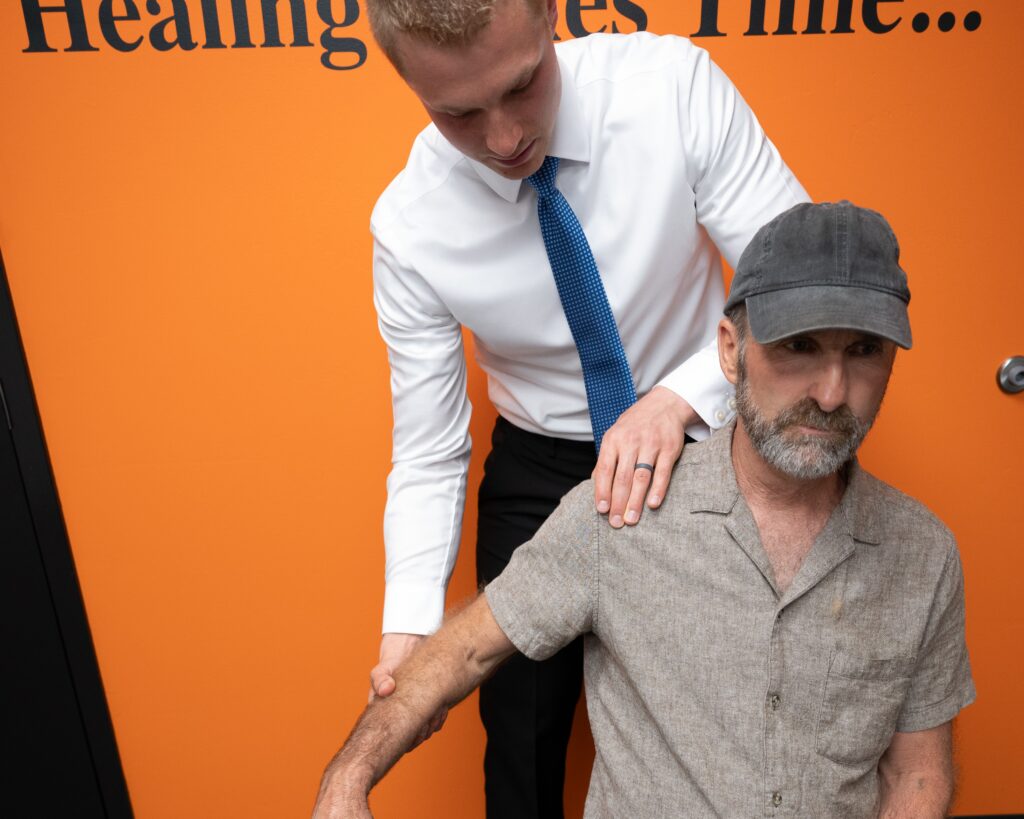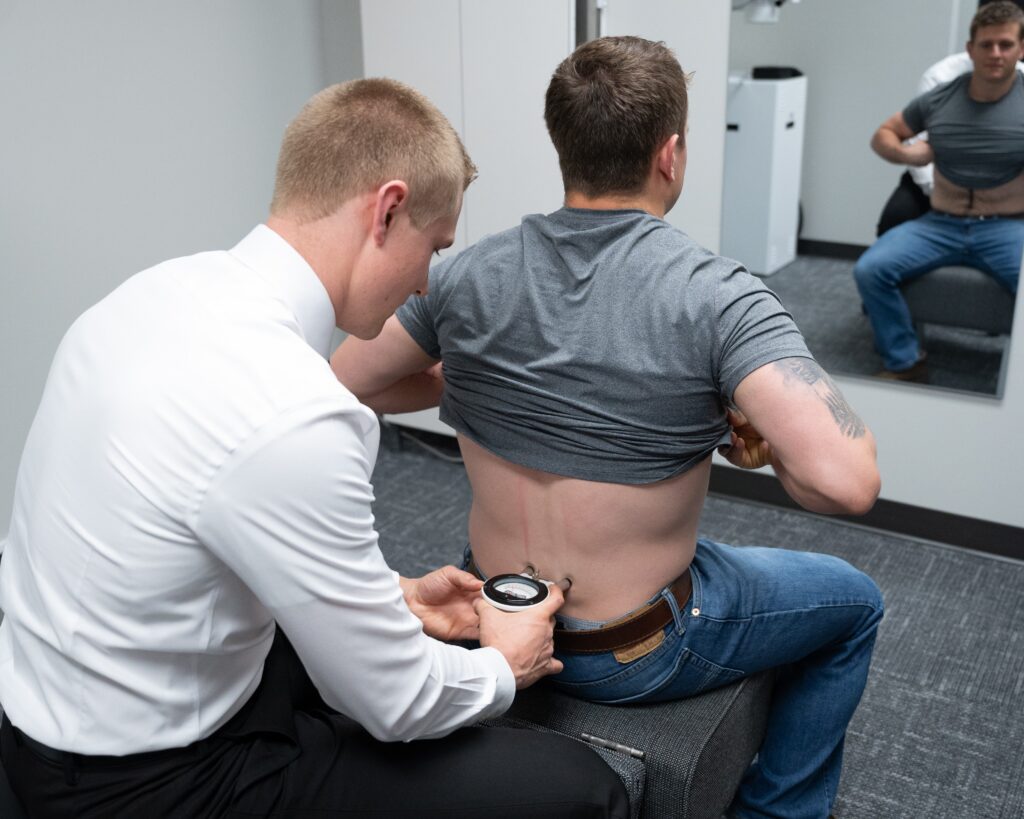


If you’ve recently been in a car accident in Green Bay, you may be dealing with pain, stiffness, headaches, or that unsettling feeling that something just isn’t right — even if the accident seemed minor. These are incredibly common experiences after a collision, and they can leave you wondering what to do next. The good news is that chiropractic care is one of the most widely recommended conservative, non-invasive options for recovering from car accident injuries. At 920 Chiropractic Health & Injury Care, Dr. Hunter Schultz works with patients throughout the Green Bay community to help them understand their injuries and find a path toward healing.
What are common chiropractic treatments after a car accident?
After a car accident, chiropractors commonly use spinal manipulation, soft tissue therapy, rehabilitative exercises, and other non-invasive techniques to address injuries like whiplash, muscle strain, and joint dysfunction. These treatments aim to reduce pain, restore range of motion, and support the body’s natural healing process without relying on surgery or prescription medication.
Why Chiropractic Care After a Car Accident?
Car accidents — even low-speed fender-benders — can place enormous stress on the spine and surrounding soft tissues. The force of impact, even at relatively slow speeds, can jolt the head and neck in ways the body simply isn’t designed to handle. This kind of sudden trauma often leads to misalignments in the spine, muscle tension, inflammation, and nerve irritation that can linger for weeks or even months if left unaddressed.
Many people make the mistake of assuming that if they aren’t in severe pain right away, they don’t need to seek care. The reality is that adrenaline and the body’s natural stress response can mask pain for hours or even days after an accident. By the time symptoms become obvious, underlying injuries may already be causing more significant problems. Seeking a professional evaluation sooner rather than later can make a meaningful difference in how well and how quickly you recover.
Chiropractic care is widely recognized as a first-line conservative treatment option for musculoskeletal injuries. Organizations like the American Chiropractic Association and national clinical guidelines consistently support chiropractic care as a safe and effective approach for managing the types of injuries commonly associated with motor vehicle collisions. Here in Green Bay, patients from all walks of life turn to 920 Chiropractic Health & Injury Care because they want drug-free, hands-on care that actually addresses the root of their problem.
Common Car Accident Injuries Chiropractors Treat
Understanding what you’re dealing with is the first step toward feeling better. Car accidents can cause a range of injuries, many of which respond well to chiropractic care. Here are some of the most frequently seen conditions at our Green Bay practice.
Whiplash and Cervical Strain
Whiplash is probably the most well-known car accident injury. It occurs when the head is rapidly thrown forward and then snapped backward — or vice versa — during a collision. This forceful motion can strain the muscles, ligaments, and joints in the neck, leading to pain, stiffness, headaches, and reduced range of motion. Whiplash doesn’t always show up on standard X-rays, which is one reason people sometimes dismiss it. But the discomfort is very real, and chiropractic care has been shown to be an effective conservative treatment for cervical whiplash injuries.
Spinal Misalignments (Subluxations)
The impact of a collision can shift the vertebrae in your spine out of their optimal position. Chiropractors call these misalignments subluxations. When vertebrae are not properly aligned, they can create pressure on nearby nerves, restrict normal movement, and contribute to pain throughout the back, neck, and even into the arms or legs. Correcting these misalignments is at the core of what chiropractic care is all about.
Muscle and Soft Tissue Injuries
Beyond the spine itself, car accidents frequently injure the muscles, tendons, and ligaments throughout the back, shoulders, and neck. These soft tissue injuries can cause persistent aching, muscle spasms, and limited flexibility. Left untreated, they can develop into chronic problems that interfere with daily life long after the accident itself is a distant memory.
Headaches and Concussion-Related Symptoms
Post-accident headaches are extremely common and are often connected to tension in the neck and upper back, or to changes in spinal alignment following the collision. While chiropractic care is not a treatment for concussion itself, it can help address the musculoskeletal contributors to post-accident headaches. Dr. Hunter Schultz always conducts a thorough evaluation to ensure patients with head-related symptoms receive appropriate referrals if needed.
Common Chiropractic Treatments Used After a Collision
One of the things patients appreciate most about chiropractic care is that it isn’t one-size-fits-all. A good chiropractor takes the time to assess your specific injuries before recommending a personalized plan of care. At 920 Chiropractic Health & Injury Care, Dr. Hunter Schultz uses a variety of evidence-informed techniques to support recovery.
Spinal Manipulation and Chiropractic Adjustment
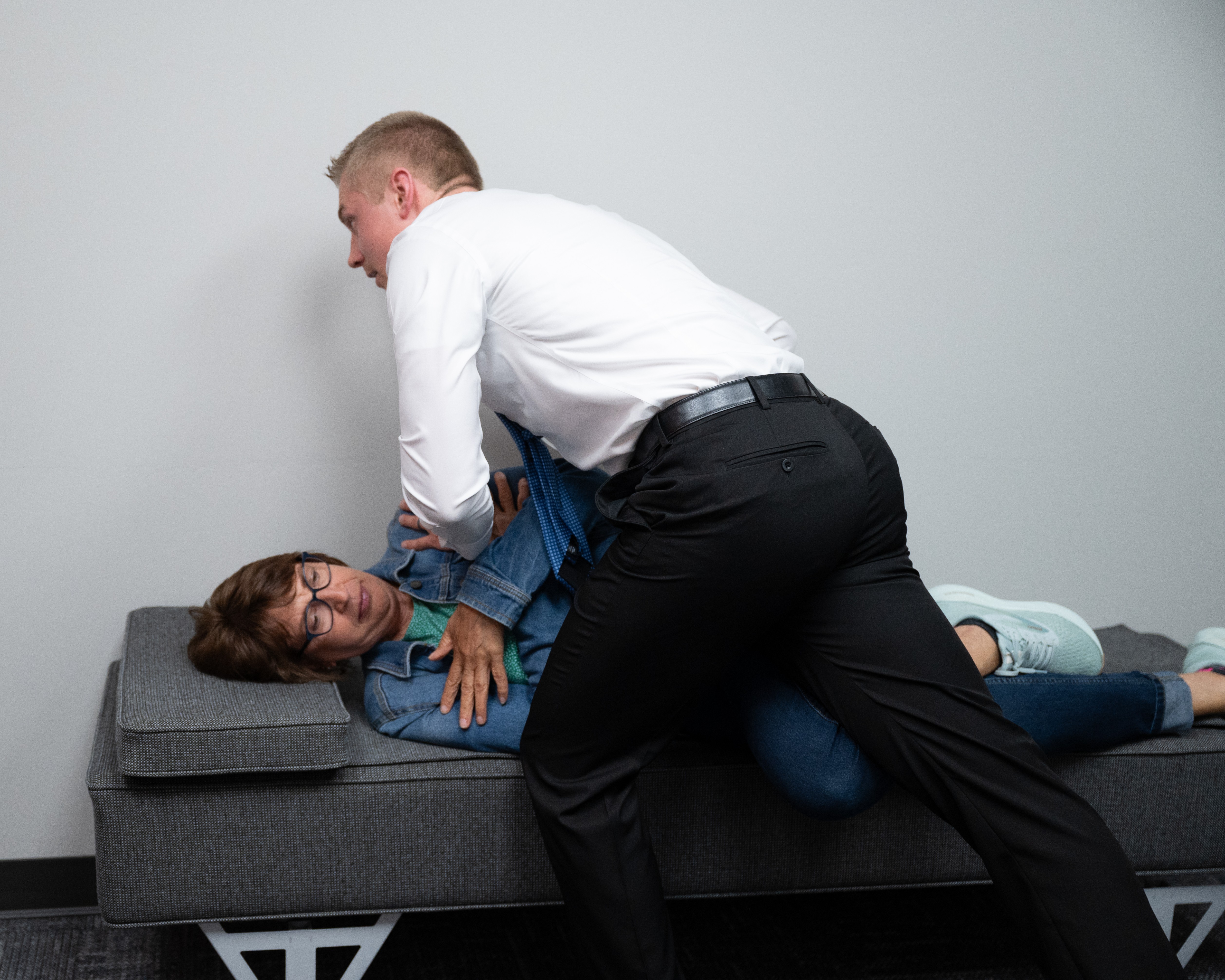
Spinal manipulation — commonly called a chiropractic adjustment — is the cornerstone of chiropractic treatment. Using controlled, precise force applied to specific joints of the spine, the adjustment is designed to restore proper alignment, improve mobility, and reduce nerve irritation. Research published in reputable journals, including those indexed by the National Institutes of Health, suggests that spinal manipulation can be effective for reducing pain and improving function in patients with acute musculoskeletal injuries. For many accident patients, adjustments provide noticeable relief fairly quickly, though full recovery typically requires a course of care.
Soft Tissue Therapy
Because car accidents cause so much injury to muscles, tendons, and ligaments, soft tissue therapies play a crucial role in post-accident care. Techniques like myofascial release, trigger point therapy, and instrument-assisted soft tissue mobilization can help break up scar tissue, reduce muscle spasms, and improve circulation to injured areas. These approaches work hand-in-hand with spinal adjustments to address both the structural and muscular components of your injuries.
Rehabilitative Stretching and Exercise Guidance
Healing isn’t just about what happens in the treatment room. Dr. Hunter Schultz often provides patients with specific stretches and gentle exercises designed to support recovery between visits. These movements help restore flexibility, strengthen supportive muscles, and prevent compensatory movement patterns that can lead to new problems down the road. Patients who actively participate in their rehabilitation tend to recover more completely and more quickly.
Therapeutic Modalities
Depending on the nature and severity of your injuries, additional therapeutic tools may be incorporated into your care plan. These can include intersegmental traction, non-surgical spinal decompression, or heat and cold applications — all of which are designed to reduce inflammation, manage pain, and support tissue healing. These modalities are typically used as complementary tools alongside the primary chiropractic treatments.
How Chiropractic Care Fits Into Your Recovery
Recovering from a car accident is rarely a straight line. Some days you’ll feel significantly better; other days, you may notice more soreness or stiffness — especially in the early stages of care when your body is actively healing. This is completely normal, and it’s something Dr. Hunter Schultz discusses openly with patients at 920 Chiropractic Health & Injury Care so there are no surprises along the way.
Chiropractic care fits best as part of a collaborative, conservative approach to recovery. For most accident-related injuries, the goal is to reduce pain and inflammation first, then progressively restore range of motion and function, and finally work on strengthening and long-term resilience. Your care plan will be adjusted as you improve, so you’re always receiving treatment that matches where your body actually is in the healing process.
It’s also worth noting that chiropractic care can coexist well with other forms of conservative treatment. Many Green Bay patients who come to 920 Chiropractic Health & Injury Care after an accident are also working with their primary care physician or a physical therapist. Coordinated care like this often leads to the best overall outcomes.
Practical Tips for Recovering After a Car Accident
While professional care is essential after a car accident, there are things you can do at home to support your recovery between appointments. These suggestions are general wellness recommendations — always follow the specific guidance of your chiropractor.
Stay as gently active as possible. Complete bed rest is generally not recommended for musculoskeletal injuries. Gentle movement — short walks, light stretching — helps maintain circulation and prevents muscles from stiffening further. Listen to your body and avoid activities that significantly worsen your pain, but don’t feel like you need to be completely sedentary.
Apply ice during the first 48-72 hours after injury to help manage acute inflammation. After that initial period, switching between ice and heat can help ease muscle tension and soreness. Again, follow the specific recommendations your chiropractor gives you, as individual injuries vary.
Pay attention to your sleep posture. After a whiplash injury or neck strain, sleeping on a supportive pillow that keeps your head and neck in a neutral position can make a real difference in how you feel the next morning. Sleeping on your stomach is particularly hard on the neck and is best avoided during recovery.
Stay hydrated, eat nourishing foods, and give yourself permission to rest when you need it. Healing is a full-body process, and the basics of good self-care matter more than people often realize during recovery.
When to See a Chiropractor After a Car Accident
The short answer is: as soon as possible. Ideally, you should seek an evaluation within the first few days after a car accident, even if you’re not yet in significant pain. Early assessment allows a chiropractor to identify injuries that might not yet be symptomatic and begin care before inflammation and compensatory patterns become entrenched.
You should definitely seek care if you’re experiencing any of the following: neck or back pain that started after the accident, persistent headaches, stiffness or reduced range of motion, pain that radiates into the arms or legs, numbness or tingling, or a general sense that something “isn’t right” even without clear pain. These are all signs that your musculoskeletal system may have been affected by the collision and warrants professional attention.
There are also situations that require immediate emergency medical evaluation rather than chiropractic care. These include loss of consciousness, severe neurological symptoms such as sudden weakness or loss of bladder and bowel control, signs of a broken bone, or any symptoms that suggest a serious internal injury. In these cases, go directly to an emergency room. Dr. Hunter Schultz and the team at 920 Chiropractic Health & Injury Care are always willing to help coordinate your care and refer you to the appropriate providers when needed.
Treatment Approaches: A Side-by-Side Look
|
Approach |
Type of Care |
Addresses Root Cause? |
Common Use After Car Accident |
|---|---|---|---|
|
Chiropractic Adjustment |
Non-invasive, hands-on |
Yes — restores spinal alignment and joint mobility |
Whiplash, spinal misalignment, joint dysfunction |
|
Pain Medication |
Pharmaceutical |
No — manages symptoms only |
Short-term pain relief; does not address underlying injury |
|
Soft Tissue Therapy |
Non-invasive, manual |
Partially — reduces muscle tension and scar tissue |
Muscle strains, ligament sprains, myofascial tightness |
|
Physical Therapy |
Non-invasive, rehabilitative |
Partially — focuses on strength and function |
Functional rehabilitation post-injury |
|
Surgery |
Invasive |
Depends on the procedure |
Typically reserved for severe structural damage unresponsive to conservative care |
Myths vs. Facts About Chiropractic Care After a Car Accident
Myth: If I’m not in serious pain, I don’t need to see a chiropractor after an accident.
Fact: Adrenaline and inflammation responses can delay the onset of pain by hours or even days after a collision. Many significant injuries — including whiplash — may not become fully symptomatic right away. Getting evaluated promptly, even when symptoms are mild, allows for earlier detection and treatment of underlying damage.
Myth: Chiropractic adjustments are dangerous or painful after a car accident.
Fact: Chiropractic care is widely regarded as a safe, non-invasive approach to musculoskeletal treatment. A qualified chiropractor will thoroughly assess your injuries before beginning any treatment and will modify techniques as needed based on your condition. Some mild soreness after an adjustment is normal and typically resolves within a day or two.
Myth: Chiropractic care is only for back pain.
Fact: While chiropractic care is well-known for addressing back pain, it is equally applicable to neck injuries, shoulder complaints, headaches, and other musculoskeletal conditions. Car accidents commonly injure the neck and upper body just as much as the lower back, and chiropractors are well-trained to assess and treat these areas.
Myth: You only need one or two visits and then you’re done.
Fact: While some patients experience significant relief early in their care plan, complete recovery from car accident injuries typically requires a series of treatments over several weeks. This is because soft tissue healing is a gradual process, and the spine needs time to stabilize after adjustments. The length of care varies from person to person depending on the severity of injuries.
Myth: Chiropractic care after a car accident is just about getting documentation for a lawsuit.
Fact: The primary goal of chiropractic care after a car accident is your health and recovery — full stop. Receiving accurate documentation of your injuries is a natural byproduct of proper clinical care, but the treatment itself is focused entirely on helping you heal. Dr. Hunter Schultz and the team at 920 Chiropractic Health & Injury Care are focused on your wellbeing first and foremost.
Final Thoughts From 920 Chiropractic Health & Injury Care
Recovering from a car accident can feel overwhelming, especially when you’re dealing with pain, insurance calls, and the disruption to your normal daily life. But you don’t have to navigate it alone. Here in Green Bay, WI, the team at 920 Chiropractic Health & Injury Care is here to help you understand what’s happening in your body and to walk alongside you through the recovery process.
Dr. Hunter Schultz takes a thorough, compassionate approach to post-accident care — starting with a careful evaluation and building a treatment plan tailored specifically to your injuries and goals. Whether you’re dealing with a stiff neck, nagging back pain, persistent headaches, or that general sense of not feeling quite right since the accident, there’s real help available close to home.
If you’ve been in a car accident in the Green Bay area and you’re wondering whether chiropractic care might be right for you, the best first step is simply coming in for an evaluation. You deserve to feel like yourself again, and getting the right care early on gives you the best possible foundation for a full and lasting recovery.
Frequently Asked Questions
How soon after a car accident should I see a chiropractor?
It’s generally best to seek a chiropractic evaluation within the first few days following a car accident, even if your symptoms seem minor. Early evaluation helps identify injuries that may not yet be causing significant pain and allows treatment to begin before the healing process is complicated by inflammation or compensatory movement patterns.
Can chiropractic care help with whiplash?
Yes. Whiplash is one of the most common car accident injuries treated by chiropractors, and evidence supports chiropractic care — including spinal manipulation and soft tissue therapy — as an effective conservative approach for cervical whiplash injuries. The sooner care begins, the better the outcomes tend to be.
Will chiropractic treatment hurt after a car accident?
Chiropractic care is generally well-tolerated, and Dr. Hunter Schultz carefully assesses each patient’s condition before beginning treatment. Mild soreness following an adjustment is common, similar to how muscles feel after a good workout, and it typically resolves within a day or two. Treatment intensity is always adjusted to match your comfort level and the nature of your injuries.
How many chiropractic visits will I need after a car accident?
The number of visits varies depending on the severity of your injuries, how long you wait before starting care, and how your body responds to treatment. Some patients see significant improvement in a few weeks, while others with more significant injuries may require a longer course of care. Dr. Hunter Schultz will reassess your progress regularly and adjust your plan accordingly.
Is chiropractic care safe after a car accident?
Chiropractic care is widely considered safe for most patients with musculoskeletal car accident injuries. A thorough evaluation is conducted before any treatment to rule out conditions that would require a different approach or medical referral. In rare cases where chiropractic care isn’t appropriate, Dr. Hunter Schultz will let you know and help direct you to the right provider.
What should I bring to my first chiropractic appointment after a car accident?
It’s helpful to bring any documentation you have related to the accident, including the accident report and any records from an emergency room visit if you sought immediate medical care. Being prepared to describe how the accident occurred, the direction of impact, and all of the symptoms you’ve noticed since the accident will help your chiropractor conduct the most thorough evaluation possible.
TL;DR Summary
-
Car accidents — even minor ones — can cause spinal misalignments, whiplash, and soft tissue injuries that may not become painful right away. Early evaluation is important.
-
Common chiropractic treatments after a collision include spinal manipulation, soft tissue therapy, rehabilitative exercise guidance, and therapeutic modalities — all non-invasive and drug-free.
-
Chiropractic care is widely supported as a conservative, effective first-line treatment for the musculoskeletal injuries most commonly associated with car accidents.
-
Certain symptoms — such as sudden severe neurological changes or signs of fracture — require emergency medical care rather than chiropractic treatment.
-
At 920 Chiropractic Health & Injury Care in Green Bay, WI, Dr. Hunter Schultz provides individualized, compassionate post-accident care to help patients recover fully and safely.