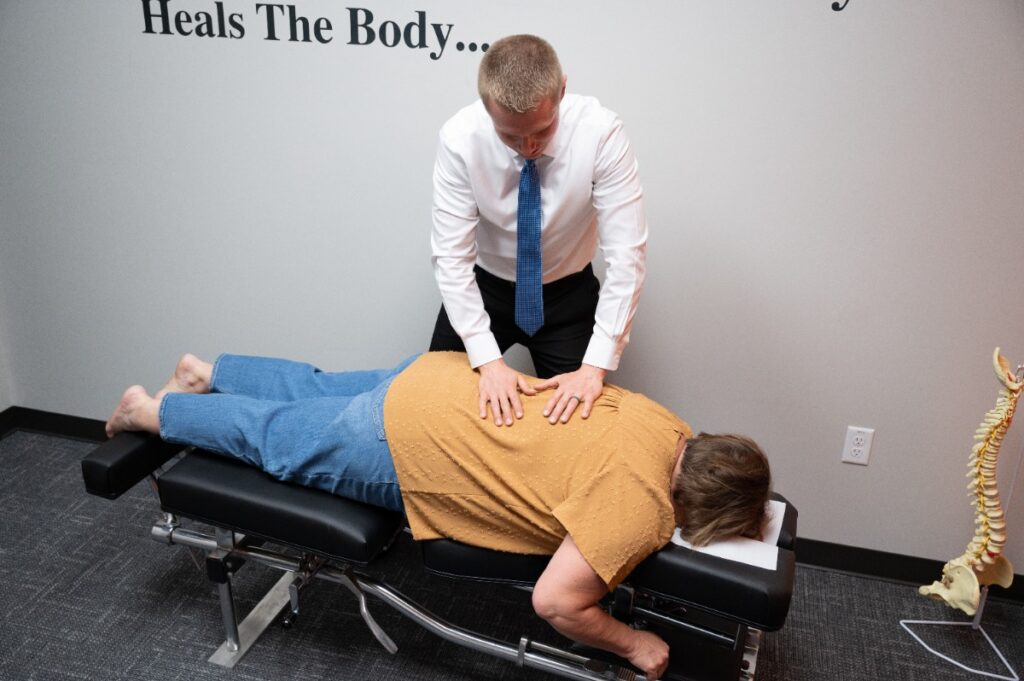

You might be wondering how chiropractic care can play a role in preventing chronic diseases. Many people associate chiropractors solely with pain relief, but their holistic approach addresses much more than just discomfort. By enhancing your nervous system function and promoting overall wellness, regular chiropractic visits can greatly contribute to a healthier lifestyle. Curious about how these adjustments can improve your immune system and posture, and ultimately reduce your risk of chronic conditions? There's more to explore in this connection.
Understanding Chronic Diseases
When it comes to understanding chronic diseases, it's vital to grasp their complexity and impact on daily life. Chronic diseases, like diabetes, heart disease, and arthritis, don't just affect your physical health; they can also influence your mental and emotional well-being. You might find that managing these conditions requires ongoing treatment, lifestyle changes, and a strong support system.
One of the biggest challenges with chronic diseases is their multifaceted nature. They often involve a combination of genetic, environmental, and lifestyle factors. You might inherit a predisposition to a condition but also face risks from your daily habits, such as diet and exercise. This interplay can make it hard to pinpoint the exact cause of your symptoms, which can be frustrating.
Moreover, chronic diseases can lead to a cycle of worsening health if not managed effectively. For instance, pain from arthritis might limit your ability to exercise, leading to weight gain, which can exacerbate other conditions like diabetes. This interconnected web of factors means you need a thorough approach to prevention and management.
Understanding the long-term implications of chronic diseases is essential. You need to be proactive about monitoring your health, recognizing symptoms, and seeking help when necessary.
The Role of Chiropractic Care
Chiropractic care offers a holistic approach to your health, addressing not just your spine but your overall well-being.
By improving nervous system function, it can enhance your body's ability to prevent chronic diseases.
You'll find that regular chiropractic adjustments may promote better health outcomes and increase your quality of life.
Holistic Health Benefits
How can chiropractic care contribute to your overall health and well-being? Chiropractic care focuses on your body's ability to heal itself, promoting a holistic approach to health. By addressing misalignments in your spine, chiropractors help restore balance, which can lead to improved physical and mental health.
When your spine is aligned, your body functions more efficiently. This means you may experience less pain and tension, allowing you to move more freely and engage in activities you love. Additionally, chiropractic adjustments can enhance your posture, reducing strain on your muscles and joints, which is crucial for long-term health.
Chiropractic care also emphasizes the importance of lifestyle choices, such as nutrition and exercise. Your chiropractor can guide you in making healthier choices that support your immune system and overall energy.
This proactive approach empowers you to take control of your health, reducing the risk of chronic diseases.
Incorporating chiropractic care into your wellness routine can lead to a more balanced, healthier life. By prioritizing holistic health benefits, you're investing in your future well-being and setting the stage for a vibrant life.
Improved Nervous System Function
Releasing the full potential of your nervous system can greatly enhance your overall health, and chiropractic care plays a crucial role in this process. When you visit a chiropractor, they focus on aligning your spine and ensuring proper communication between your brain and body. This alignment helps your nervous system function effectively, allowing your body to respond better to stressors and maintain balance.
A well-functioning nervous system is essential for preventing chronic diseases. When your spine is misaligned, it can lead to nerve interference, which may cause a range of health issues. By addressing these misalignments, chiropractic care helps to reduce inflammation, improve circulation, and boost your immune response.
You'll likely notice increased energy levels and enhanced mental clarity, too.
Moreover, regular chiropractic adjustments can help you manage pain and stress more effectively. As you experience relief, you'll find it easier to engage in healthy habits like exercise and proper nutrition, further promoting your overall well-being.
In short, chiropractic care not only improves your nervous system function but also empowers you to take charge of your health and prevent chronic diseases.
Benefits of Regular Adjustments
Regular adjustments can greatly boost your immune function, helping your body fend off illnesses more effectively.
Additionally, improved body alignment enhances your overall physical health, reducing strain and discomfort.
Enhanced Immune Function
Many people may not realize that regular chiropractic adjustments can greatly enhance immune function. By improving the alignment of your spine and reducing nerve interference, chiropractic care can help your body respond better to infections and diseases.
Here are four key ways regular adjustments boost your immune system:
- Reduced Stress: Chiropractic adjustments can lower cortisol levels, which helps reduce stress and its negative impact on your immune system.
- Improved Circulation: Adjustments enhance blood flow, ensuring that immune cells can travel efficiently throughout your body.
- Nervous System Support: Your nervous system controls immune responses. By correcting spinal misalignments, chiropractic care supports ideal nerve function, enhancing your body's ability to fight off illness.
- Increased Lymphatic Drainage: Regular adjustments can promote lymphatic drainage, which is essential for eliminating toxins and pathogens from your body.
Incorporating chiropractic care into your healthcare routine can lead to a more resilient immune system, helping you fend off chronic illnesses.
Improved Body Alignment
Chiropractic care not only enhances immune function but also plays an essential role in improving body alignment. When your spine is properly aligned, it helps your body function effectively.
You'll notice that your posture improves, reducing strain on your muscles and joints. This alignment eases tension and discomfort, allowing you to move more freely and with greater ease.
Regular chiropractic adjustments can effectively correct misalignments, which may lead to chronic pain or discomfort. By addressing these issues, you're not just relieving existing pain; you're also preventing future problems.
Improved body alignment can enhance your overall physical performance, whether you're exercising, working, or simply going about your daily activities.
Moreover, better alignment can positively impact your nervous system, supporting its ability to transmit signals throughout your body. This means that your organs and systems can function more efficiently, contributing to better health overall.
Incorporating routine chiropractic visits into your wellness plan can lead to lasting benefits. You'll not only feel better but can also enjoy a more active, healthier lifestyle, minimizing the risk of chronic diseases down the line.
Enhancing Immune Function
A strong immune system acts as your body's defense shield, fighting off infections and illnesses effectively. When considering your health, it's essential to understand how chiropractic care can enhance your immune function.
Regular adjustments can help your body operate at its best, promoting an ideal environment for your immune system to thrive.
Here are four ways chiropractic care boosts your immune function:
- Reduces Stress: Chiropractic adjustments can alleviate physical stress, which often contributes to a weakened immune response. By managing stress levels, you allow your body to focus on fighting off pathogens.
- Improves Nervous System Function: The spine protects the central nervous system. Misalignments can interfere with nerve signals, impacting immune system communication. Chiropractic care restores proper alignment, guaranteeing your body can effectively coordinate immune responses.
- Enhances Circulation: Proper spinal alignment can improve blood flow, allowing immune cells to travel efficiently throughout your body. Good circulation guarantees that these cells reach areas that need defense quickly.
- Promotes Lymphatic Drainage: Chiropractic adjustments can stimulate the lymphatic system, which plays a significant role in removing toxins and supporting immune function. A well-functioning lymphatic system means your body can better handle infections.
Improving Posture and Alignment
Good posture is more than just standing tall; it plays an essential role in your overall health.
When your spine is aligned properly, you can reduce strain on your muscles and joints, leading to fewer aches and pains.
Let's explore some techniques to improve your posture and enhance your well-being.
Benefits of Proper Posture
Proper posture plays an essential role in your overall health and well-being.
When you maintain good posture, you're not just standing tall; you're also supporting your body's systems, which can lead to numerous benefits.
Here are four key advantages of proper posture:
- Reduced Pain: Good posture helps alleviate tension in your muscles and joints, reducing the risk of chronic pain, especially in the back and neck.
- Improved Breathing: Sitting or standing upright opens up your chest, allowing for deeper, more effective breathing. This can enhance oxygen flow throughout your body.
- Enhanced Digestion: Proper alignment supports your internal organs, aiding digestion and reducing discomfort after meals.
- Boosted Confidence: Standing tall not only improves your physical health but also affects your mental state, promoting a sense of confidence and positivity.
Spinal Alignment Impact
Spinal alignment greatly influences your posture and overall health. When your spine is aligned correctly, it supports your body's natural curves, allowing for efficient movement and reducing strain on your muscles and joints. You mightn't realize it, but poor spinal alignment can lead to discomfort, tension, and even chronic pain over time.
By maintaining proper alignment, you can enhance your posture, which in turn impacts your physical and mental well-being. Good posture helps improve your breathing, digestion, and circulation, while also making you appear more confident. If you often find yourself slouching or experiencing stiffness, it's a sign that your spinal alignment needs attention.
When you prioritize spinal health, you're not just alleviating discomfort; you're also taking proactive steps towards chronic disease prevention. Misalignment can lead to compensatory movements that may result in further issues down the line.
Techniques for Improvement
Improving your posture and alignment starts with a few simple techniques that can make a significant difference in your daily life.
By incorporating these strategies, you can enhance your overall well-being and reduce the risk of chronic conditions.
1. Be Mindful of Your Sitting Position: When sitting, keep your feet flat on the floor, your back straight, and your shoulders relaxed.
Use a chair that supports your lower back.
2. Strengthen Your Core: Engage in exercises that target your core muscles.
A strong core provides better support for your spine and helps maintain proper posture.
3. Stretch Regularly: Incorporate stretches into your daily routine, especially for your chest, back, and hips.
This can alleviate tension and improve flexibility.
4. Adjust Your Workspace: Verify your desk, monitor, and chair are set up ergonomically.
Your screen should be at eye level, and your keyboard should allow your wrists to remain straight.
Stress Reduction Techniques
Stress can be a silent disruptor in your life, impacting both physical and mental well-being. It can creep in during your daily routine, affecting your mood, energy levels, and even your immune system. That's why it's vital to incorporate effective stress reduction techniques into your life.
One powerful method is mindfulness meditation. Just a few minutes each day can help you focus on the present moment, calming your mind and reducing anxiety. You don't need to be an expert; simply sit quietly, breathe deeply, and observe your thoughts without judgment.
Another effective technique is deep breathing. When stress hits, take a moment to inhale deeply through your nose, hold for a few seconds, and exhale slowly through your mouth. This simple exercise can lower your heart rate and ease tension, making it easier to tackle whatever's causing you stress.
Physical activity is also important. Regular exercise releases endorphins, those feel-good hormones that can boost your mood and help alleviate stress. Whether it's a brisk walk, a jog, or a dance class, find an activity you enjoy and make it part of your routine.
Finally, don't underestimate the power of social connections. Spending time with friends or family can provide emotional support, allowing you to share your feelings and reduce stress.
Pain Management Strategies
Managing pain effectively is essential for maintaining overall health and well-being, particularly for those dealing with chronic conditions. When you face ongoing discomfort, it can greatly impact your daily life and emotional state.
Thankfully, there are several pain management strategies you can employ to alleviate your symptoms and improve your quality of life.
Here are four key strategies to keep in mind:
- Chiropractic Care: Regular visits to a chiropractor can help realign your spine and reduce pain. Adjustments can improve mobility and decrease discomfort in various body parts.
- Physical Therapy: Engaging in targeted exercises with a physical therapist can strengthen muscles and improve flexibility. This can lead to better support for your joints and reduce pain over time.
- Mindfulness and Relaxation Techniques: Practices such as meditation, deep breathing, and yoga can help you manage stress, which often exacerbates pain. These techniques can also promote mental clarity and calmness.
- Medication Management: Over-the-counter or prescribed medications can provide relief, but it's important to use them responsibly. Consult with your healthcare provider to find the right balance for your needs.
Promoting Healthy Lifestyle Choices
Making healthy lifestyle choices is essential for preventing chronic diseases and enhancing overall well-being. You can greatly reduce your risk of chronic conditions by focusing on a balanced diet, regular exercise, and stress management.
Start by incorporating more whole foods into your meals. Fruits, vegetables, whole grains, and lean proteins provide important nutrients your body needs to function at its best. Aim for variety, as different colors and types of foods offer unique health benefits.
Next, prioritize physical activity. Aim for at least 150 minutes of moderate aerobic exercise each week. Activities like walking, swimming, or cycling not only keep your heart healthy but also boost your mood and energy levels. Remember, even small changes, such as taking the stairs instead of the elevator or going for a brisk walk during lunch breaks, can make a difference.
Don't underestimate the importance of managing stress, either. Chronic stress can lead to a host of health problems, so find healthy coping strategies that work for you. Whether it's practicing mindfulness, yoga, or simply taking time for hobbies, make sure you carve out time to unwind.
Lastly, don't forget to stay hydrated and get enough sleep each night. Both hydration and quality sleep are essential for your body to recover and repair itself.
Holistic Approach to Wellness
A holistic approach to wellness recognizes that your physical, mental, and emotional health are interconnected and equally important for overall well-being. When you embrace this perspective, you can make more informed choices that promote health and prevent chronic disease.
Chiropractic care plays an essential role in this approach, helping you maintain balance and alignment in your body while also addressing mental and emotional factors.
Here are four key components of a holistic approach to wellness:
- Physical Health: Regular chiropractic adjustments can improve your posture, relieve pain, and enhance mobility. Staying active and maintaining a healthy diet also contribute to your physical well-being.
- Mental Clarity: Techniques such as mindfulness, meditation, and stress management can help clear your mind. Chiropractic care can complement these practices by reducing physical tension that may cloud your mental focus.
- Emotional Balance: Emotional health is just as significant as physical health. Engaging in activities that bring you joy and connecting with supportive people can enhance your emotional well-being. Chiropractic adjustments may also help alleviate stress, contributing to a more balanced emotional state.
- Preventative Mindset: Adopting a holistic view encourages you to think proactively about your health. Instead of waiting for symptoms to arise, focus on maintaining wellness through regular chiropractic visits, lifestyle choices, and self-care practices.
Integrating Chiropractic Into Your Routine
Incorporating chiropractic care into your daily routine can greatly enhance your holistic wellness journey. Regular visits to a chiropractor can help you maintain ideal spinal health, improve your posture, and reduce tension, ultimately leading to a more balanced lifestyle.
Start by scheduling consistent appointments—whether that's weekly, bi-weekly, or monthly—based on your individual needs and goals.
You can also integrate chiropractic principles into your everyday life. Practice good posture while sitting, standing, or walking. Consider ergonomic adjustments to your workspace to minimize strain on your back and neck.
Simple exercises and stretches, recommended by your chiropractor, can keep your muscles flexible and strong, preventing injuries and discomfort.
Nutrition plays an important role too. A well-balanced diet supports your bodily functions and can enhance the benefits you receive from chiropractic adjustments. Staying hydrated and consuming anti-inflammatory foods can help reduce pain and improve your body's overall resilience.
Don't forget about stress management. Incorporating relaxation techniques, such as meditation or yoga, can complement your chiropractic care by promoting a calm mind and a healthy body.
Finally, keep communication open with your chiropractor. Share any changes in your health or lifestyle, and they can tailor their approach to better suit your needs.
Conclusion
Seeing a chiropractor for chronic disease prevention can truly transform your health. By enhancing your nervous system function and promoting better posture, you're not just relieving pain; you're investing in your overall well-being. Regular adjustments can boost your immune system and help you make healthier lifestyle choices. Integrating chiropractic care into your routine empowers you to take charge of your health, reduce stress, and build resilience against chronic conditions. Don't wait—start prioritizing your wellness today!