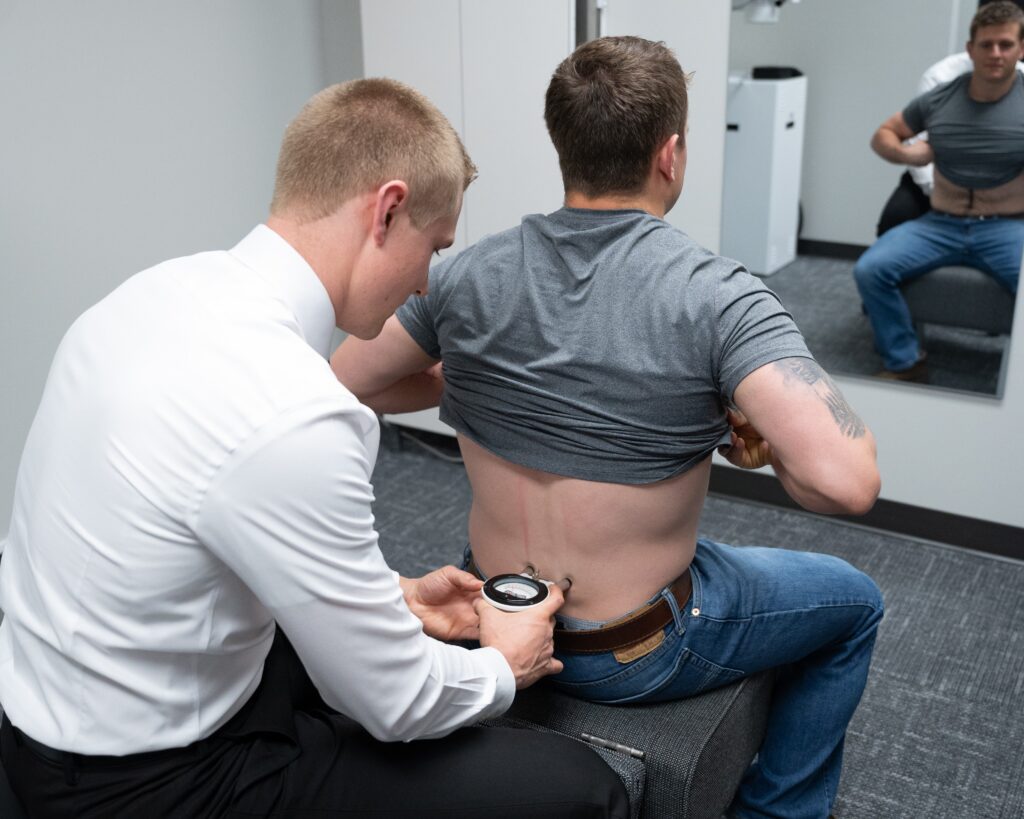

As a local chiropractor, I want to emphasize the importance of preventive care in managing chronic pain. Many people may not realize that by proactively addressing potential issues, we can significantly reduce the likelihood of painful flare-ups and complications. Regular visits to a chiropractor allow us to develop a personalized care plan that adapts to your changing needs, ultimately enhancing your quality of life and potentially saving you money in the long run.
So, what specific strategies can we incorporate to ensure that you are not just responding to pain, but actively working to prevent it? Through chiropractic adjustments, lifestyle modifications, and exercises focused on strengthening and flexibility, we can help you maintain optimal spinal health and overall well-being. Let's work together to create a proactive approach to your health that prioritizes prevention and natural healing.
Understanding Chronic Pain
Chronic pain can often feel like an unwelcome presence in your life, sticking around long after an injury or illness has healed. It's common to wonder why this type of pain continues when the original cause seems to be resolved.
As a chiropractor, I want to help you understand that chronic pain is a complex issue, often stemming from a combination of physical, psychological, and environmental factors. It can present itself in many ways—sharp, dull, or throbbing sensations—and its intensity can vary from day to day.
It's important to recognize that chronic pain isn't merely a symptom; it can be a condition in its own right. Sometimes, your nervous system becomes hypersensitive, sending pain signals even when there's no injury to justify them. This phenomenon, known as central sensitization, can complicate your pain management journey.
Additionally, emotional factors like stress, anxiety, and depression can significantly influence how you perceive and experience pain. Addressing these emotional aspects is crucial for your overall wellbeing.
Lifestyle choices also play a significant role in your pain levels. Simple adjustments, such as incorporating regular physical activity into your routine, can help restore strength and flexibility. A balanced diet rich in essential nutrients can support your body's healing processes.
As a chiropractor, I believe in a holistic approach to pain management. By understanding the multifaceted nature of chronic pain, you can take informed steps toward managing it more effectively and reclaiming your life.
The Role of Preventive Care
As a local chiropractor, I want to emphasize the vital role preventive care plays in managing chronic pain and enhancing your overall quality of life. By prioritizing early detection and proactive measures, you can significantly decrease the likelihood of pain flare-ups and related complications.
Regular chiropractic check-ups and assessments enable us to monitor your condition effectively and identify any changes before they become more serious. This proactive approach helps you stay on top of your pain management strategy.
In addition to chiropractic adjustments, incorporating lifestyle modifications is crucial for preventive care. Embracing a balanced diet, engaging in regular physical activity, and practicing stress-reduction techniques—like yoga or meditation—can greatly improve your physical health and emotional resilience.
These changes are essential when coping with chronic pain and can complement the benefits of chiropractic care.
Medication management is also an important component of your preventive care plan. By working closely with your healthcare provider, we can ensure that you're using the appropriate medications and dosages effectively.
This ongoing dialogue allows us to fine-tune your treatment plan, minimize side effects, and enhance your pain relief.
Lastly, I can't stress enough the significance of education in your healing journey. Understanding your condition empowers you to make informed choices about your care.
Benefits of Early Intervention
As a local chiropractor, I want to emphasize the importance of addressing pain early in your recovery journey. When you take action against discomfort right from the start, you're not just relieving immediate symptoms; you're also working to prevent more serious chronic conditions from developing. Early intervention through chiropractic care allows for targeted treatments that can significantly lessen the severity of your pain.
By seeking chiropractic help sooner rather than later, you enhance your chances of avoiding more invasive procedures in the future. Timely assessments enable us to uncover the root causes of your discomfort, leading to more effective management strategies tailored specifically for you. This proactive approach helps us create a personalized care plan that meets your unique needs, ensuring you receive the right treatment at the right time.
Furthermore, addressing your pain early can greatly enhance your overall quality of life. You're not merely coping with discomfort; you're regaining control over daily activities that may have become difficult. Whether it's participating in social events, returning to work, or enjoying your favorite hobbies, early chiropractic intervention can help you reclaim those joyful moments.
Lastly, early intervention can also lead to lower healthcare costs over time. By preventing your pain from worsening, you reduce the necessity for more costly treatments or long-term medications. Chiropractic care isn't just about alleviating symptoms; it's an investment in your health and well-being.
Lifestyle Changes That Help
As a local chiropractor dedicated to your health and wellness, I want to share some important lifestyle changes that can significantly enhance your chronic pain management.
By prioritizing a balanced diet and adding regular exercise to your daily routine, you can improve not only your overall well-being but also your body's natural ability to heal.
Let's discuss how these simple yet effective adjustments can lead to a healthier, pain-free life.
A nutritious diet provides the essential vitamins and minerals your body needs to function optimally, while regular physical activity can enhance your strength, flexibility, and mobility, all of which contribute to alleviating pain.
Together, we can explore personalized strategies that incorporate these lifestyle changes, empowering you to take charge of your health and experience the benefits of natural healing through chiropractic care.
Diet and Nutrition
As a local chiropractor, I want to share how important your diet is in managing chronic pain and enhancing your overall well-being. What you eat can play a significant role in how you feel. A balanced diet that emphasizes anti-inflammatory foods can help reduce pain and improve your quality of life.
It's essential to include plenty of fruits, vegetables, whole grains, lean proteins, and healthy fats in your meals. Foods such as berries, leafy greens, fatty fish, and nuts are nutrient powerhouses that can help combat inflammation.
I recommend steering clear of processed foods, sugary snacks, and excessive alcohol, as these can trigger inflammation and potentially worsen your pain. Instead, focus on whole, nutrient-dense foods that nourish your body.
Incorporating spices like turmeric and ginger into your cooking can also provide anti-inflammatory benefits, so don't hesitate to experiment with these in your meals.
Staying hydrated is crucial as well. Drinking enough water supports joint lubrication and overall health. Pay attention to how your body reacts to different foods; keeping a food diary can help you identify any food triggers that might be exacerbating your pain.
If you're looking for personalized guidance, I encourage you to consult with a nutritionist who specializes in chronic pain management. They can help create a dietary plan tailored to your specific needs, empowering you to take control of your health and potentially alleviate your chronic pain symptoms.
Exercise and Movement
As a local chiropractor, I want to emphasize the importance of regular exercise and movement in managing chronic pain and enhancing your overall health.
Many patients may not realize that engaging in physical activity is a natural and effective way to reduce pain, improve flexibility, and strengthen the muscles that support your joints. You don't have to be a marathon runner—simple, everyday movements can significantly impact your well-being.
Here are three practical ways to incorporate exercise into your daily routine:
- Walking: Begin with short walks and gradually increase your distance as you feel more comfortable. Walking is a low-impact exercise that suits all fitness levels, making it an excellent choice for those new to physical activity.
- Stretching: Make gentle stretching a part of your daily routine. Focus on areas where you may experience tightness or discomfort. Regular stretching can enhance flexibility and relieve tension, which is particularly beneficial for those dealing with chronic pain.
- Strength Training: Consider incorporating light weights or resistance bands into your regimen to build muscle strength. Stronger muscles provide better support for your joints, which can help reduce pain over time.
At our chiropractic practice, we believe that combining these movement strategies with chiropractic care can lead to remarkable improvements in your health and quality of life.
Let's work together to develop a personalized plan that fits your needs!
Importance of Regular Check-ups
Regular check-ups with a chiropractor are vital for effectively managing chronic pain and enhancing your overall well-being. When you make the commitment to visit your chiropractor regularly, you open the door to closely monitoring your condition and making necessary adjustments to your care plan.
During these appointments, I can evaluate any changes in your pain levels, discuss your progress, and recommend specific chiropractic techniques or therapies that may benefit you. These sessions are a valuable opportunity to talk about any new symptoms or concerns that may have developed since your last visit.
Maintaining an open line of communication allows me to understand how your pain impacts your daily activities and lifestyle, enabling me to customize treatments to better fit your unique needs. Regular assessments also help in identifying potential complications that could arise from your chronic pain, allowing for timely interventions.
Moreover, check-ups provide a chance to review your progress with lifestyle changes, such as exercise, nutrition, and stress management, all of which can significantly influence your pain management journey. These visits encourage accountability and motivation, helping you stay focused on your health goals.
Never underestimate the importance of these routine visits; they're not solely about pain relief but also about improving your quality of life. By prioritizing regular chiropractic check-ups, you take an active role in managing your chronic pain and ensuring that you receive the best possible natural care tailored to your individual situation.
Your health is a journey, and I'm here to support you every step of the way.
Mind-Body Connection
As a local chiropractor, I want to emphasize the important link between your emotional state and how you experience pain. Understanding the mind-body connection is vital for effectively managing chronic discomfort.
When we experience stress or negative emotions, our bodies can react in ways that exacerbate pain. By incorporating techniques such as stress reduction and mindfulness practices into your routine, you can support your body's healing process and enhance your overall well-being.
Let's take a closer look at how these practices can work in harmony with chiropractic care to help you take control of your pain and improve your quality of life.
Emotional Impact on Pain
As a local chiropractor dedicated to helping you achieve optimal health, I want to emphasize the significant role that emotional well-being plays in your experience of pain, particularly when dealing with chronic discomfort.
Many people may not realize that their emotional state can greatly affect how they perceive and cope with pain. Conditions such as anxiety, stress, or depression can amplify the sensation of pain, making it feel more intense. This vital connection between your emotions and physical sensations underscores the importance of addressing both your emotional and physical health in managing pain effectively.
Here are three key ways emotions can influence your pain experience:
- Increased Sensitivity: Negative emotions can increase your sensitivity to pain. When you're feeling down, your brain processes pain signals differently, which can make discomfort feel more severe.
- Pain Catastrophizing: It's common to focus on pain, which can lead to a cycle of worry and fear. This tendency, known as pain catastrophizing, can make your discomfort seem more unbearable than it truly is.
- Social Isolation: Living with chronic pain often leads to withdrawal from social activities. This isolation can trigger feelings of loneliness and despair, further intensifying your pain experience.
Understanding this mind-body connection is crucial for anyone managing chronic pain.
As your chiropractor, I encourage you to take steps to nurture your emotional health alongside any physical treatments you're receiving. By fostering a positive mindset and addressing emotional wellness, you can significantly improve your overall experience with pain, making it easier to navigate your healing journey.
Together, we can work towards a more holistic approach to your health and well-being.
Stress Reduction Techniques
As a local chiropractor, I want to share how recognizing the connection between emotions and pain can lead to effective stress reduction techniques that significantly enhance your overall well-being.
When you actively engage in practices designed to lower stress, you not only improve your mental health but also support your physical health—both of which are crucial for managing any chronic pain you may be experiencing.
One of the simplest yet most powerful techniques is deep breathing. I encourage you to take a few moments each day to focus on your breath. Inhale deeply through your nose, hold it for a brief moment, and then exhale slowly through your mouth. This practice can help calm your nervous system and alleviate tension throughout your body.
Another valuable method is progressive muscle relaxation. This technique involves tensing and then relaxing different muscle groups, helping you to become more aware of physical sensations and effectively releasing any stored tension.
Incorporating regular physical activity into your routine, such as walking or practicing yoga, is also highly beneficial in reducing stress. Exercise promotes the release of endorphins, which are natural painkillers and mood enhancers, contributing to your overall sense of well-being.
Additionally, I recommend journaling as a way to express your thoughts and feelings. Writing can serve as an emotional outlet, allowing you to process your experiences and manage stress levels more effectively.
By consistently implementing these stress reduction techniques, you can achieve a more balanced, healthier lifestyle that supports your journey towards a pain-free life.
Mindfulness and Healing
As a local chiropractor, I want to emphasize how mindfulness practices can significantly aid your healing process and enhance the connection between your mind and body. By engaging in mindfulness, you become more attuned to your thoughts, emotions, and physical sensations, which can be incredibly beneficial in managing chronic pain and improving your overall health.
Here are three mindfulness techniques that I recommend incorporating into your daily routine:
- Meditation: Dedicate a few minutes each day to focus on your breath. When thoughts about pain or discomfort arise, acknowledge them without judgment and allow yourself to be present in the moment. This can help create a sense of calm and reduce stress, which is vital for healing.
- Body Scan: Find a comfortable lying position and mentally scan your body from head to toe. Pay attention to any areas of tension or pain. As you breathe into those areas, visualize releasing tension and promoting relaxation—this practice can complement the adjustments and treatments we provide in chiropractic care.
- Mindful Movement: Incorporate gentle exercises such as yoga or tai chi into your routine. These practices emphasize awareness of each movement and how it feels in your body. Not only can this help you reconnect with your physical self, but it can also alleviate discomfort and enhance the benefits of the chiropractic adjustments you receive.
By integrating these mindfulness techniques into your day-to-day life, you can support your healing journey and optimize the results of your chiropractic care.
Building a Support System
When navigating the complexities of chronic pain, establishing a robust support system is crucial for effective management and relief. As your local chiropractor, I want to emphasize the importance of surrounding yourself with individuals who understand and empathize with your journey. This support network can include family, friends, healthcare professionals, and even support groups focused on chronic pain.
Your loved ones play a vital role in providing emotional support, which can significantly uplift your spirits during challenging days. By openly discussing your needs and the hurdles you face, you can help them gain a clearer understanding of your experiences. Remember, sharing your feelings and being vulnerable can deepen these connections and cultivate compassion.
I also encourage you to explore local or online support groups where you can meet others dealing with similar issues. These communities offer a safe environment to exchange experiences, coping techniques, and valuable insights. It's likely that you'll discover you're not alone in your struggles, which can be incredibly reassuring.
Additionally, as part of your support system, I, along with other healthcare professionals, can provide guidance tailored to your unique situation. Chiropractic care, for instance, focuses on natural healing through spinal adjustments and holistic techniques that can help alleviate pain and improve your overall well-being.
Together, we can develop personalized strategies that empower you to manage your pain effectively and enhance your quality of life.
Empowering Patients for Success
As a local chiropractor dedicated to natural healing, I believe empowering you to take charge of your chronic pain journey is essential for achieving lasting relief and improving your overall well-being.
When you actively participate in your care, you're not just a passive recipient of treatment; you become a crucial player in your health. This shift in mindset can significantly enhance how you manage your pain.
Here are three key strategies to help you empower yourself through chiropractic care:
1. Educate Yourself: Knowledge is power, especially when it comes to understanding your body and pain.
Take the time to learn about your specific condition and how chiropractic care can address it. Familiarize yourself with various treatment options, techniques we use, and the latest research in natural healing. This understanding will enable you to advocate for yourself and make informed decisions about your care.
2. Set Realistic Goals: It's important to break your journey into manageable steps.
Work with me to set achievable goals for your pain management, whether that's improving your mobility, reducing reliance on medications, or incorporating relaxation techniques into your routine. Celebrate the small victories along the way to stay motivated and recognize your progress.
3. Engage in Self-Care: Prioritize self-care practices that resonate with you and complement your chiropractic treatment.
This might include regular adjustments, gentle exercise, mindfulness practices, or ensuring you get adequate sleep. By nurturing both your body and mind, you build resilience against chronic pain and enhance the effectiveness of your chiropractic care.
Together, we can navigate your journey toward relief and improved health.
Conclusion
As your local chiropractor, I want to emphasize the importance of incorporating preventive care into your pain management strategy. This proactive approach is crucial for enhancing your quality of life. Regular check-ups and early interventions can help us identify and address potential issues before they become more serious.
By embracing lifestyle changes—such as proper posture, regular exercise, and nutrition—you can significantly improve your overall well-being. Additionally, building a supportive community around you, whether through family, friends, or support groups, can further empower you on your healing journey.
Remember, you have the ability to take charge of your own health. By working together, we can create a personalized care plan that promotes lasting benefits and helps you achieve a brighter, pain-managed future through natural healing methods. Your journey to better health starts here!