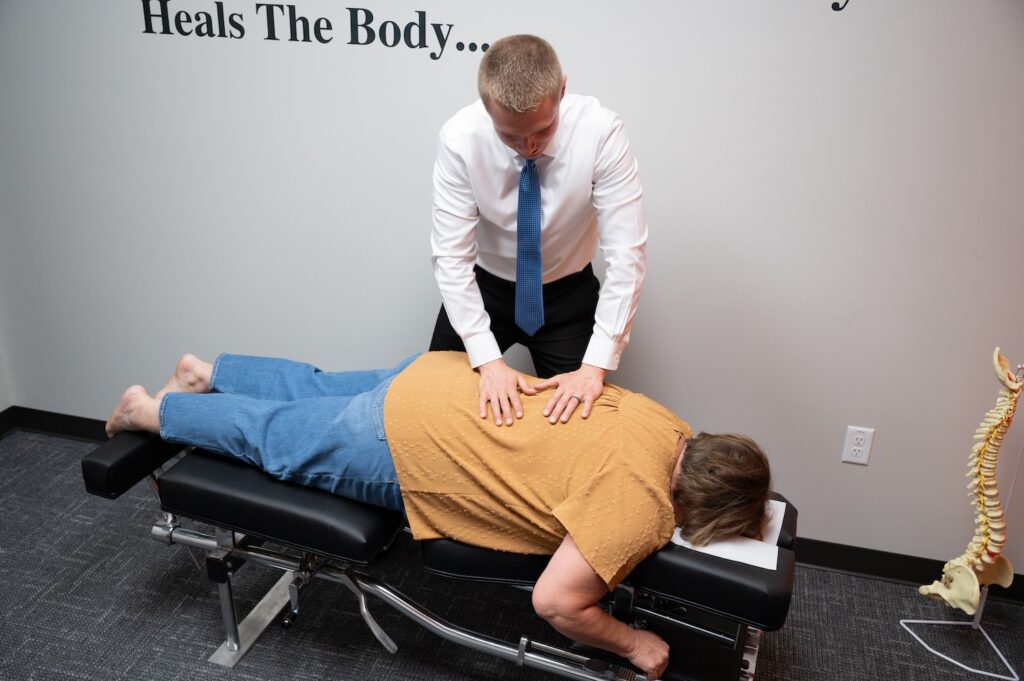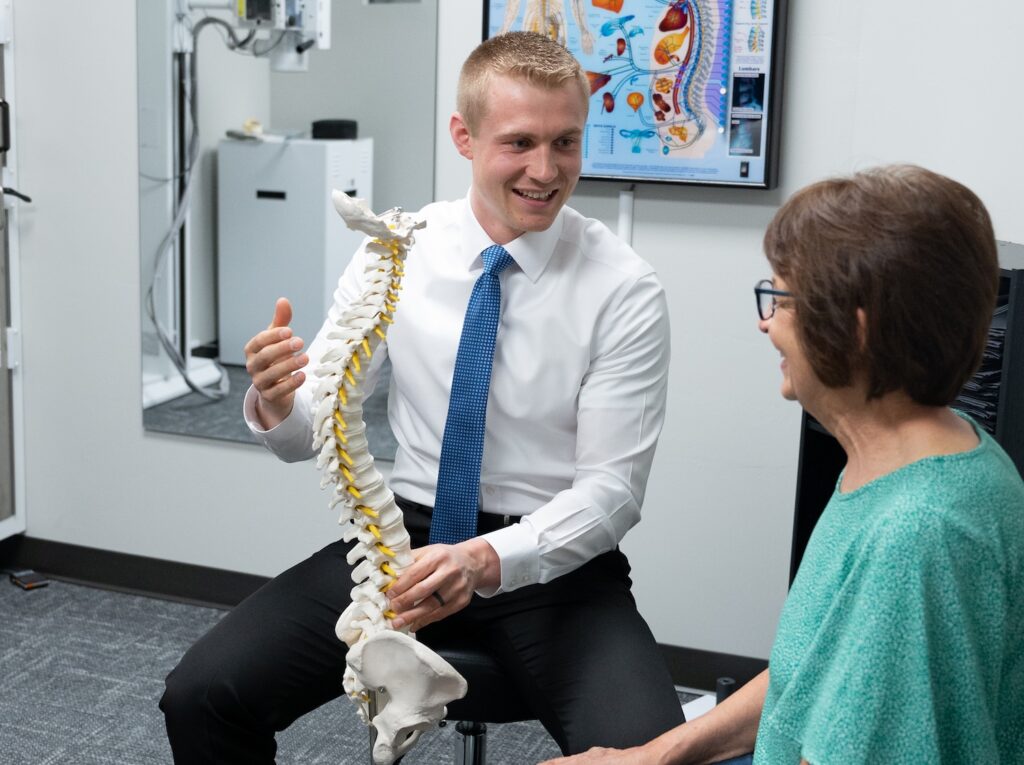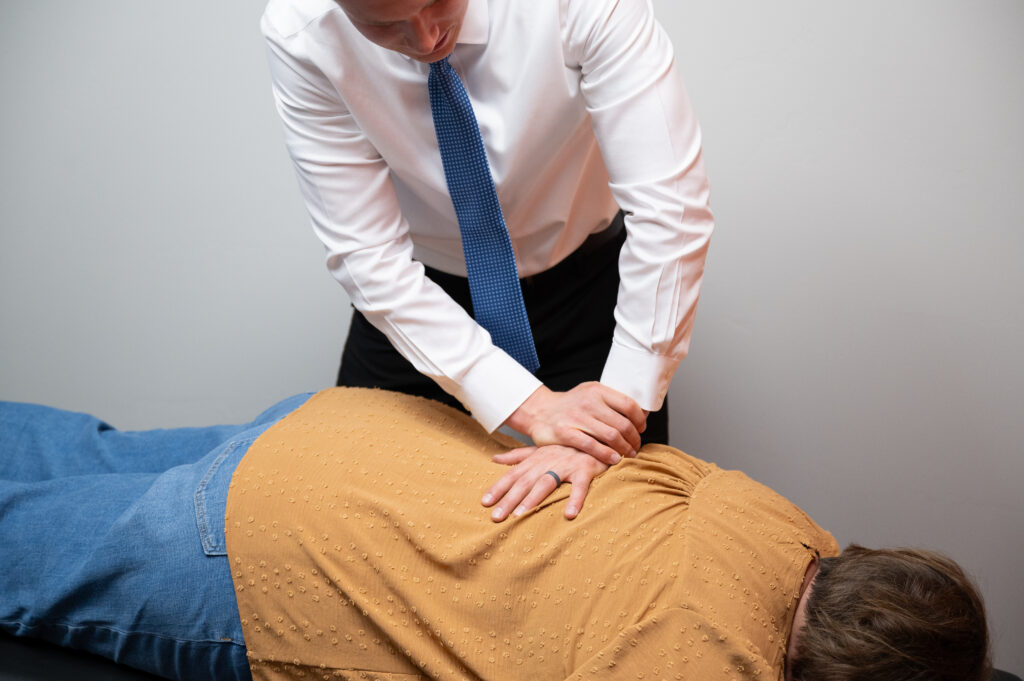

You might wonder how adjustments can play a role in reducing anxiety. When you consider the intricate relationship between your body and mind, it becomes clear that physical alignment can influence your emotional state. Adjustments not only ease tension but also promote a balanced nervous system, which is essential for managing anxiety. As you explore this connection further, you may begin to uncover the underlying mechanisms that make these adjustments a valuable tool for enhancing your overall well-being. What's more, there's compelling evidence that could change the way you think about stress management.
Understanding Anxiety and Its Impact
In today's fast-paced world, anxiety has become a common experience for many. You might find yourself feeling overwhelmed by constant demands, whether they're related to work, relationships, or personal expectations. This pervasive feeling of unease can disrupt your daily life, affecting your ability to focus, make decisions, or even enjoy simple moments. Understanding anxiety and its impact is crucial for managing it effectively.
Anxiety often manifests as physical symptoms, like increased heart rate, sweating, or tension in your muscles. You may notice that these symptoms can trigger negative thought patterns, leading you to worry about situations that mightn't even occur. This cycle can leave you feeling trapped, making it harder to break free from anxious thoughts.
It's essential to recognize that anxiety isn't just a mental issue; it can influence your overall health, leading to fatigue, sleep disturbances, and even chronic conditions if left unaddressed.
Moreover, anxiety can strain your relationships. You might find it difficult to communicate openly with friends or family, causing misunderstandings and feelings of isolation. Understanding how anxiety affects both your mind and body can empower you to seek solutions.
You don't have to navigate this alone; learning about your triggers and responses can help you develop coping strategies to regain control over your life. By taking steps to address anxiety, you can improve not just your emotional well-being but also your physical health and relationships.
The Role of the Nervous System
Your nervous system plays a vital role in how you experience and manage anxiety.
By regulating your stress response, it helps create a balance that can ease feelings of overwhelm.
Understanding this connection can empower you to seek adjustments that promote calm and well-being.
Nervous System Regulation
The nervous system plays an essential role in regulating anxiety levels. It consists of two main components: the sympathetic and parasympathetic nervous systems. When you feel anxious, your sympathetic nervous system kicks in, triggering the "fight or flight" response. This reaction prepares your body for perceived threats, increasing your heart rate and blood pressure.
However, when anxiety becomes chronic, this response can disrupt your daily life. On the other hand, the parasympathetic nervous system helps you return to a state of calm. It promotes relaxation and reduces heart rate, allowing your body to recover from stress.
Adjustments, like those from chiropractic care, can help enhance this regulation process. By aligning your spine and relieving tension in the nervous system, adjustments encourage better communication between your brain and body.
When your nervous system operates more efficiently, you're likely to experience decreased anxiety levels. You'll feel more balanced and in control, making it easier to manage stressors.
Ultimately, understanding the role of nervous system regulation can empower you to take proactive steps in reducing anxiety and improving your overall mental well-being.
Stress Response Modulation
Stress response modulation is vital for managing how your body reacts to challenges and threats. When you encounter stress, your nervous system activates the fight-or-flight response. This reaction prepares you to either confront the danger or escape from it. However, if your body remains in this heightened state for too long, it can lead to anxiety and various health issues.
Adjustments, such as chiropractic care, can help restore balance within your nervous system. By realigning your spine and reducing tension in the body, you can enhance your ability to modulate your stress response. This process allows your body to shift from a state of heightened alertness back to a more relaxed state, promoting overall well-being.
Moreover, adjustments can improve communication between your brain and body, enabling you to better process stressors. This improved connection is essential for regulating emotions and reducing anxiety levels.
When your nervous system operates effectively, you're more equipped to handle life's challenges without becoming overwhelmed. Ultimately, by incorporating adjustments into your routine, you empower yourself to manage stress more effectively and cultivate a sense of calm in your daily life.
How Adjustments Promote Relaxation
When you receive adjustments, your body releases physical tension, allowing you to feel more at ease.
This release helps restore balance to your nervous system, which is essential for relaxation.
As a result, you'll likely notice a significant reduction in anxiety and stress levels.
Physical Tension Release
Adjustments can greatly alleviate physical tension, leading to a deeper sense of relaxation. When you undergo an adjustment, your body experiences a release of tight muscles and fascia, helping to ease discomfort. This physical relief allows you to let go of lingering stress and anxiety that often accumulates in your body.
As your muscles relax, you may notice a considerable reduction in stiffness and soreness. This newfound mobility can improve your overall sense of well-being, making it easier to engage in daily activities without the burden of tension weighing you down. You might even find that you're able to breathe more deeply, which enhances relaxation further.
Moreover, when your body feels less tense, your mind often follows suit. It's common to feel a mental shift towards a calmer, more centered state after an adjustment. You're likely to notice that you handle stressors more effectively, as that physical release translates to a greater emotional resilience.
In essence, by addressing physical tension through adjustments, you create space for relaxation and tranquility, allowing both your body and mind to function at their best. This holistic approach can greatly improve your overall quality of life.
Nervous System Balance
Through adjustments, you can effectively promote balance in your nervous system, which plays an essential role in relaxation. Your nervous system is made up of two main parts: the sympathetic and parasympathetic systems. The sympathetic system triggers your fight-or-flight response, making you feel anxious and stressed. In contrast, the parasympathetic system helps you relax and recover. Adjustments help shift your body from a state of hyperarousal to one of calm.
When you receive an adjustment, it stimulates your body's innate ability to restore balance. This can lower stress hormone levels and activate the relaxation response, allowing you to feel more centered and at ease. As you experience this newfound balance, your body can better manage anxiety.
Moreover, adjustments can improve blood flow and enhance the communication between your brain and body. This improved communication helps your nervous system respond more effectively to stressors, reducing feelings of anxiety. As a result, you may find it easier to cope with daily challenges.
Physical Benefits of Adjustments
Chiropractic adjustments offer a range of physical benefits that can help ease anxiety. When your spine is aligned, your body can function more efficiently, reducing physical stress and discomfort. This alignment promotes better circulation, allowing oxygen and nutrients to flow more freely throughout your body. Improved circulation not only enhances your overall health but also helps alleviate tension that can contribute to anxious feelings.
Additionally, chiropractic adjustments can enhance your range of motion, making it easier for you to engage in physical activities. When you're active, your body releases endorphins—those feel-good hormones that naturally lift your mood and reduce anxiety levels. By staying active, you're also less likely to dwell on stressful thoughts, which often fuel anxiety.
Another physical benefit of adjustments is the reduction of muscle tension. Tight muscles can create discomfort and lead to a cycle of anxiety when you're constantly aware of your body's aches. By relieving this tension, adjustments help you feel more relaxed and at ease.
You might even notice that you sleep better after receiving adjustments, as reduced discomfort allows for a more restful night's sleep, further supporting your mental well-being.
Ultimately, these physical benefits work together to create a more balanced state within your body, helping you manage anxiety more effectively. When you feel good physically, it's easier to tackle the mental challenges that life throws your way.
Mind-Body Connection Explained
The mind-body connection plays an essential role in how we experience and manage anxiety. Your thoughts, emotions, and physical sensations are deeply intertwined, influencing each other in ways you mightn't even realize. When you feel anxious, your mind can trigger physical responses like increased heart rate or muscle tension. Conversely, physical discomfort or pain can elevate your anxiety, creating a cycle that's hard to break.
Understanding this connection helps you recognize that addressing your physical state can greatly impact your mental well-being. For instance, when you receive adjustments, you're not just easing physical discomfort; you're also sending signals to your brain that promote relaxation and a sense of safety. This can help reduce the anxious thoughts that often plague you.
You might notice that after an adjustment, you feel lighter, more focused, and calmer. That's because your body is responding positively to the changes, helping to release built-up tension. As your physical state improves, your mental clarity can enhance, allowing you to cope better with stressors.
Moreover, practicing mindfulness and being aware of your body's signals can strengthen this connection. When you tune in to how your body feels, you become better equipped to manage anxiety. By fostering a positive mind-body relationship, you can create a more resilient framework for handling anxiety, ultimately improving your overall quality of life.
Embrace the power of this connection, and you'll likely find a path toward greater peace and well-being.
Evidence From Scientific Studies
Research supports the idea that adjustments can greatly alleviate anxiety. Numerous studies have explored how physical adjustments—like chiropractic care, massage therapy, and even mindfulness practices—can lead to significant reductions in anxiety levels. These findings highlight a strong connection between physical health and mental well-being.
Here are some key insights from scientific research:
- Physiological Changes: Adjustments can lower cortisol levels, the hormone linked to stress. When you experience less physical tension, your body's stress response diminishes, leading to a calmer mind.
- Nervous System Regulation: Studies show that adjustments positively impact the autonomic nervous system, helping to shift you from a state of fight-or-flight to one of relaxation. This shift is vital for reducing anxiety and promoting a sense of peace.
- Enhanced Mood: Research indicates that regular adjustments can increase serotonin levels, the neurotransmitter responsible for regulating mood. Higher serotonin levels can lead to a more positive outlook and less anxious feelings.
These scientific findings confirm that adjustments don't just benefit your body—they also have a profound effect on your mental state.
Types of Adjustments for Anxiety
Exploring various types of adjustments can greatly enhance your ability to manage anxiety. You may find it beneficial to implement different strategies tailored to your needs.
One effective adjustment is practicing mindfulness and meditation. By focusing on the present moment, you can reduce racing thoughts and promote relaxation.
Another adjustment involves physical activity. Regular exercise releases endorphins, which can improve your mood and lower anxiety levels. Whether it's a brisk walk or a yoga session, incorporating movement into your routine can make a significant difference.
You might also consider adjusting your environment. Creating a calm space at home, free from clutter and distractions, can help you feel more at ease. Adding soothing elements like candles or plants can further enhance this effect.
Additionally, restructuring your daily schedule to include breaks can prevent overwhelming feelings. Set aside time for yourself to recharge, whether through reading, listening to music, or engaging in a hobby. This simple change can help you maintain a healthier emotional balance.
Lastly, adjusting your social interactions is crucial. Surrounding yourself with supportive friends and family can provide comfort during challenging times. Don't hesitate to communicate your feelings; letting others in can alleviate the burden you carry.
Integrating Adjustments Into Wellness Plans
Integrating adjustments into your wellness plan can create a more holistic approach to managing anxiety. By incorporating various adjustments, you can address the root causes of your anxiety and foster a balanced lifestyle. Here are a few effective strategies to contemplate:
- Mindfulness Practices: Incorporate techniques like meditation or deep breathing exercises to help ground yourself during anxious moments.
- Physical Activity: Engage in regular exercise, which releases endorphins and reduces stress levels, making it easier to cope with anxiety.
- Healthy Nutrition: Focus on a balanced diet rich in nutrients that support brain health, such as omega-3 fatty acids and antioxidants.
When you tailor your wellness plan to include these adjustments, you'll likely notice a significant improvement in your overall mental well-being. Start by identifying the adjustments that resonate with you and gradually weave them into your daily routine.
You don't have to implement everything at once; small, consistent changes can lead to lasting benefits. Additionally, keep track of your progress. Journaling your experiences can provide valuable insights into what works best for you.
If you find certain adjustments particularly helpful, contemplate incorporating them more prominently into your plan. Lastly, don't hesitate to seek support from professionals like therapists or wellness coaches.
They can offer guidance in fine-tuning your wellness plan and ensuring that your adjustments are effectively addressing your anxiety. By taking these steps, you're not just managing anxiety; you're actively creating a life that feels more balanced and fulfilling.
Conclusion
Ultimately, adjustments offer a powerful way to combat anxiety by enhancing your nervous system's balance and promoting relaxation. By addressing both physical and mental aspects, these treatments can help you feel more resilient and better equipped to handle stress. Incorporating adjustments into your wellness routine not only alleviates discomfort but also fosters emotional well-being. So, consider making adjustments a part of your journey toward a calmer, more balanced life.