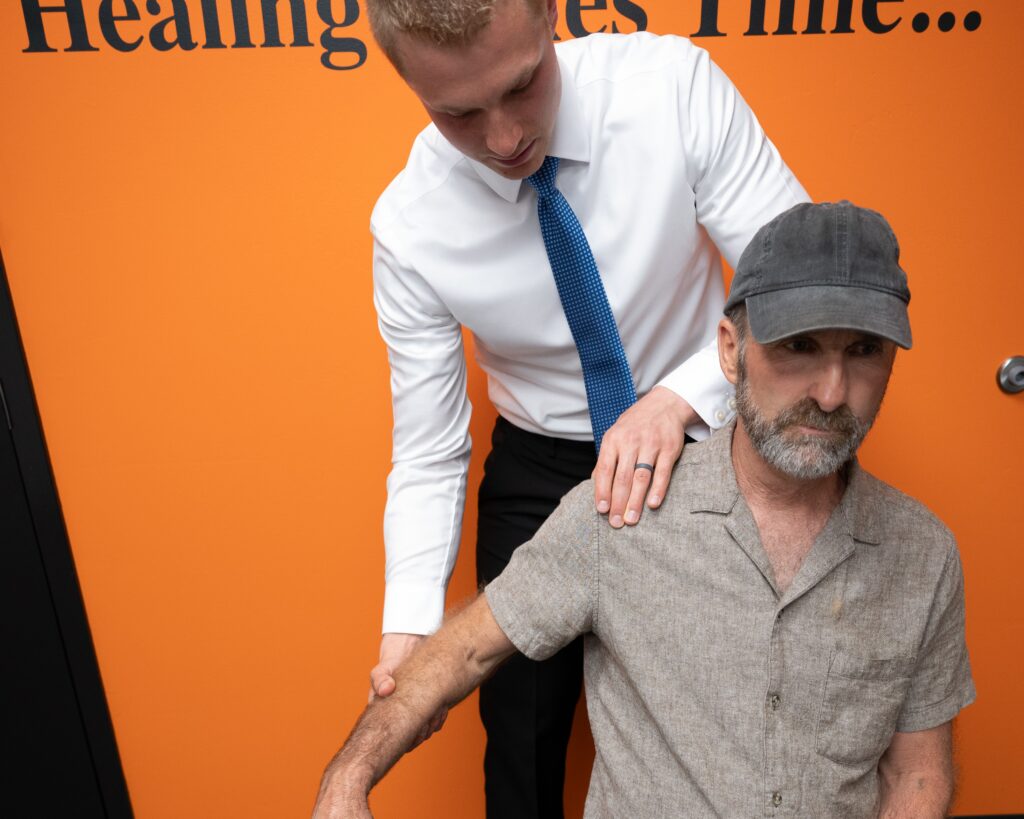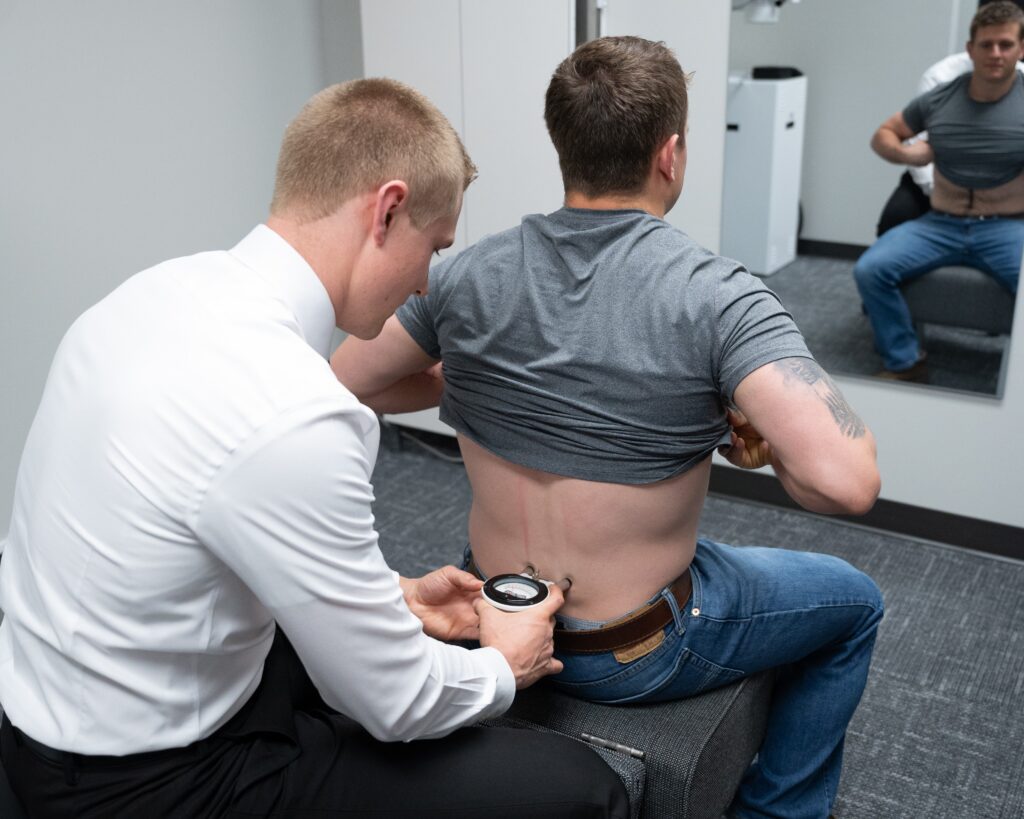

As a local chiropractor, I understand that facing a sports injury can be overwhelming, but I want to share some effective techniques for recovery that can truly make a difference. Many people think that simply resting is sufficient, but it's essential to combine rest with chiropractic care, which can help realign your body and promote natural healing.
In addition to chiropractic adjustments, incorporating physical therapy into your recovery plan can enhance your mobility and strength. Proper nutrition also plays a vital role in healing; nourishing your body with the right foods can accelerate your recovery process.
Moreover, innovative treatments such as cryotherapy can reduce inflammation and alleviate pain, speeding up your return to activity. Don't underestimate the importance of mental well-being during this time, either. Mindfulness practices can bolster your resilience and help you stay positive as you navigate your recovery journey.
If you're curious about how chiropractic care and these complementary strategies can work together to facilitate a stronger comeback, let's delve into the various methods that can support your healing and help you return to the activities you love.
Understanding Sports Injuries
As a local chiropractor, I want to emphasize the importance of understanding sports injuries for your recovery and prevention strategies, especially if you're new to chiropractic care and natural healing.
Sports injuries can vary significantly, from minor sprains to serious fractures, and being able to recognize the signs and symptoms can greatly enhance your healing process. Each type of injury has its unique characteristics, causes, and treatment options, making it essential to be well-informed.
To start, let's look at common sports injuries you may encounter. Sprains, which affect ligaments, and strains, which involve muscles, are often caused by overexertion or improper technique.
Fractures can occur from direct impact or excessive stress on the bones. Understanding the specific injury you've sustained helps in determining the most effective treatment approach, which may include chiropractic adjustments to help realign your body and facilitate recovery.
It's also crucial to be aware of the factors that contribute to injuries. Poor conditioning, skipping warm-ups, and wearing inappropriate footwear can all increase your risk of getting hurt.
By addressing these factors, you can take proactive measures to reduce your chances of injury. As a chiropractor, I can guide you through proper conditioning techniques and recommend appropriate exercises to strengthen your body.
Moreover, it's vital to listen to your body's signals. If you experience pain, swelling, or limited mobility, don't ignore these warning signs. Seeking medical advice promptly is essential for your recovery.
Chiropractic care can be a natural and effective way to address these symptoms, promote healing, and prevent future injuries.
Educating yourself about sports injuries not only assists in your recovery but also empowers you with the knowledge to prevent future mishaps.
By understanding these aspects and incorporating chiropractic care into your routine, you're setting yourself up for a safer and more enjoyable sporting experience.
Let's work together to ensure you're in the best physical shape to enjoy the activities you love!
Importance of Rest
Rest is a crucial element in the recovery process from sports injuries, and as a local chiropractor, I want to emphasize its importance to my patients. When you sustain an injury, your body requires adequate time to heal. Skipping rest can significantly prolong your recovery, as it prevents your body from effectively repairing damaged tissues and reducing inflammation—both of which are essential for returning to your sport.
Many people feel compelled to push through pain or discomfort, but this can lead to further injuries or complications down the line. It's vital to listen to your body and acknowledge when you need to take a break. This doesn't mean you have to stop all physical activity; instead, consider engaging in gentle movements or alternative exercises that don't put strain on the injured area.
Incorporating scheduled breaks into your routine not only aids in physical recovery but also promotes mental well-being. Taking time away from intense training can help alleviate stress and frustration, allowing you to return to your sport with a refreshed mindset.
Additionally, it's important to remember that rest includes quality sleep. Sleep is when your body performs much of its healing, so aim for restorative sleep to enhance your recovery process.
Ultimately, rest shouldn't be viewed as a weakness; rather, it's a strategic and necessary part of your healing journey. Embrace rest as you work towards getting back to your best.
Role of Physical Therapy
As a local chiropractor, I want to emphasize the vital role chiropractic care plays in your recovery from sports injuries. Think of it as a pathway that connects your healing journey from rest to a full return to activity. After an injury, it's common to feel uncertain about when and how to get back to your usual routine. That's where my chiropractic services come into play.
I'll conduct a thorough assessment of your injury, develop a personalized treatment plan, and guide you throughout the recovery process. During your visits, you'll participate in specific adjustments and exercises aimed at restoring your body's natural alignment, strength, flexibility, and range of motion.
These sessions aren't just about getting you back into the game; they also focus on preventing future injuries. By identifying and addressing any misalignments or underlying issues, I can help correct imbalances that may have contributed to your injury in the first place.
Moreover, chiropractic care offers you valuable insights into how your body works and how to move safely. You'll learn effective techniques and strategies to avoid reinjury, as well as how to pay attention to your body's signals during recovery. This knowledge empowers you to make informed decisions about your training and overall health.
Integrating chiropractic care into your rehabilitation plan can significantly enhance your recovery timeline. By working closely with me, you'll regain confidence in your body and your abilities.
Benefits of Proper Nutrition
As a local chiropractor dedicated to your well-being, I want to emphasize the crucial role that proper nutrition plays in your recovery from sports injuries, especially after we've addressed any physical issues through chiropractic care.
Many may not realize that the food you consume significantly impacts your healing process and can greatly influence how quickly you recover.
A balanced diet, abundant in vitamins, minerals, and protein, provides your body with the essential building blocks it requires to repair damaged tissues.
For example, protein is vital for muscle recovery. Including lean meats, fish, eggs, and plant-based proteins in your meals can assist in rebuilding muscle fibers that may have been strained or torn during your activities.
Don't underestimate the importance of healthy fats either. Sources like avocados, nuts, and olive oil can help reduce inflammation, which plays a key role in speeding up your recovery.
Carbohydrates are equally important; they serve as your body's primary energy source, especially when healing.
I recommend choosing whole grains, fruits, and vegetables to ensure that you're not only fueling your body with the energy it needs but also supplying antioxidants that help combat oxidative stress from injuries.
Lastly, hydration is a fundamental aspect of your recovery.
Drinking sufficient water is essential as it helps transport nutrients throughout your body and keeps your joints lubricated, which can reduce the risk of further injuries.
Make it a habit to sip water consistently throughout the day.
Cryotherapy Techniques
As a local chiropractor, I want to share the benefits of cryotherapy techniques, which have become increasingly popular among athletes and anyone looking to enhance their recovery from injuries.
These methods utilize cold exposure to help reduce inflammation, alleviate pain, and promote healing in a natural way. If you've experienced an injury, integrating cryotherapy into your recovery routine could be a significant advantage.
One effective technique is localized cryotherapy. This involves applying ice packs or cold compresses directly to the affected area. By doing this, you can constrict blood vessels, which not only reduces swelling but also numbs sharp pain.
It's particularly beneficial to use this method right after an injury or during your rehabilitation process to manage any discomfort you might be feeling.
Another option to consider is whole-body cryotherapy (WBC). In this approach, you enter a cryo chamber that exposes your body to extremely low temperatures for a brief period, typically around two to three minutes.
This exposure can stimulate your body's natural healing processes, elevate endorphin levels, and generally enhance your recovery experience.
Additionally, cryo facials are gaining popularity, especially among athletes who wish to accelerate their recovery while also caring for their skin. By applying cold treatment to your face, you can reduce inflammation and achieve a more youthful appearance, all while supporting your body's healing processes.
Before you explore cryotherapy, I strongly recommend consulting with a healthcare professional, like a chiropractor, to determine the best approach for your specific injury and needs.
With the right techniques, you can harness the power of cryotherapy and get back to your activities faster and stronger, all through natural healing methods.
Electrical Stimulation Therapy
As a local chiropractor, I want to introduce you to the benefits of electrical stimulation therapy, a powerful tool in the recovery process.
This therapy not only aids in pain relief but also promotes muscle recovery, helping you return to your favorite activities more quickly.
If you're seeking natural and effective ways to heal your body, I encourage you to consider this technique as part of your overall wellness plan.
Let's explore how it can enhance your recovery journey together!
Pain Reduction Benefits
As a local chiropractor, I understand how challenging it can be to cope with pain from sports injuries. Finding effective pain relief is crucial for a smooth recovery, and one option we often explore is electrical stimulation therapy. This non-invasive technique involves sending electrical impulses through the skin to stimulate your nerves, which can significantly alleviate your pain.
This therapy works by blocking pain signals from reaching your brain, allowing you to engage in necessary rehabilitation activities without the constant distraction of discomfort. Moreover, it encourages the release of endorphins, your body's natural painkillers, which can further enhance your overall pain relief experience.
Many athletes I work with find electrical stimulation therapy to be well tolerated and effective. It can be seamlessly integrated into a comprehensive recovery plan that may include other treatments like physical therapy or rest, promoting a more holistic approach to healing.
If you're dealing with pain from a sports injury, I encourage you to discuss electrical stimulation therapy with me during your visit. It could be the key to getting you back to your favorite activities sooner and with less discomfort.
Enhanced Muscle Recovery
As a local chiropractor dedicated to helping you achieve optimal health and recovery, I want to introduce you to an effective method we often use in our practice: electrical stimulation therapy. This innovative technique can significantly enhance your muscle recovery, especially after sports injuries or intense workouts.
Here's a closer look at how it works and the benefits you can expect:
- Improved Circulation: Electrical stimulation sends gentle electrical impulses to your muscles, creating contractions that help pump blood through the affected areas. This increased circulation delivers vital nutrients and oxygen, which are essential for recovery.
- Reduced Muscle Soreness: After a tough workout or injury, it's common to experience soreness and stiffness. Electrical stimulation therapy can help alleviate this discomfort by relaxing your muscles and promoting faster recovery.
- Enhanced Strength: One of the concerns during recovery is the potential loss of muscle strength. Regular sessions of electrical stimulation can help maintain or even improve your muscle strength, ensuring that you stay on track with your fitness goals.
- Pain Management: If you're dealing with pain from an injury, this therapy can be a valuable tool in your rehabilitation. It not only helps in managing pain but also makes it easier for you to engage in your rehabilitation exercises.
Incorporating electrical stimulation therapy into your recovery plan can truly be transformative.
As always, I encourage you to consult with me or another healthcare professional to determine if this therapy is suitable for you and to discuss how we can effectively integrate it into your overall recovery strategy.
Together, we can work towards a healthier, pain-free you!
Compression and Elevation
As a local chiropractor, I want to share some valuable insights about two essential techniques in sports injury recovery: compression and elevation. These methods can significantly aid in reducing swelling and promoting healing, which is crucial when you're dealing with an injury.
When you sustain an injury, swelling can impede your recovery process. That's why effectively managing it is so important. By applying compression to the injured area, you can help control the fluid buildup that leads to swelling. This technique not only minimizes swelling but also offers support to the surrounding muscles and joints.
Using elastic bandages or compression wraps is a great way to apply the right amount of pressure. However, it's crucial to ensure you don't wrap it too tightly, as this can restrict blood flow and potentially exacerbate the issue. You want a snug fit that allows some movement while still providing the support you need. Many of my patients find that compression not only reduces swelling but also alleviates pain, which is a great relief.
Elevation is another critical aspect of your recovery plan. By keeping the injured area elevated above your heart level, you encourage fluid to drain away from the injury site. This simple yet effective action can significantly decrease swelling and speed up the healing process. You can elevate your injury by propping it on pillows or utilizing a specialized support cushion.
For optimal results, I recommend combining both compression and elevation. When you rest, keep the injured area both elevated and wrapped. This dual approach can enhance your recovery, allowing you to return to your favorite activities more quickly.
As your chiropractor, I encourage you to incorporate these techniques into your healing process. Your body deserves the best support to heal effectively!
Mindfulness and Mental Recovery
As a local chiropractor, I want to emphasize the importance of mindfulness in your recovery from a sports injury. Many of my patients aren't familiar with how chiropractic care and natural healing can support their mental well-being during this process.
Focusing on mindfulness techniques, such as visualization, can significantly enhance your recovery. By picturing your healing journey, you can foster a positive mindset that encourages your body to heal.
In addition, incorporating stress reduction strategies into your routine can help alleviate anxiety, which is common during recovery. Practices such as deep breathing, meditation, and gentle movement can complement the chiropractic adjustments you receive, promoting a holistic approach to your healing.
Embracing these mindful practices alongside chiropractic care can truly make a remarkable difference in your overall recovery journey.
Visualization Techniques
As a local chiropractor, I want to share with you how visualization techniques can significantly aid in your sports injury recovery. These methods allow you to tap into the incredible power of your mind to support the healing process. By mentally envisioning your recovery journey, you can enhance your physical rehabilitation and build confidence in your ability to heal.
Here are four effective visualization techniques that I encourage you to explore:
- Imagery of Movement: Take a moment to visualize yourself engaging in your sport without any pain. Picture yourself performing specific movements, such as running or jumping. This mental exercise helps your brain reestablish a connection with your body's natural movements, which is essential for recovery.
- Healing Visualization: Focus on the injured area and imagine it healing. Visualize the cells regenerating and the inflammation subsiding. This positive imagery fosters a constructive mindset, which is vital for your overall healing process.
- Positive Affirmations: Enhance your visualization practice by incorporating affirmations. As you visualize your recovery, repeat positive phrases like, "I am healing" or "I am becoming stronger." These affirmations can help reinforce your mental resilience and commitment to recovery.
- Future Performance Visualization: Envision yourself back in competition, feeling strong and confident. This not only serves as motivation but also helps you mentally prepare for a successful return to your sport, ensuring that you're ready to perform at your best.
Stress Reduction Strategies
As a local chiropractor, I want to emphasize the importance of managing stress as part of your recovery journey. High levels of stress can impede your healing process, and that's why incorporating effective stress reduction strategies is crucial. One powerful technique is visualization, which can help you create a mental image of your healing journey, promoting a positive mindset.
Mindfulness practices such as meditation and breathing exercises can be incredibly beneficial. These techniques help you stay present and calm your mind, allowing you to focus on your breath. This focus can significantly reduce anxiety and foster a more constructive mental space for your recovery.
Yoga is another excellent option that I often recommend. It combines physical movement with mindfulness, supporting both mental and physical healing. Through yoga, you can improve your flexibility and strength while gently reconnecting with your body.
Moreover, having a strong social network can greatly alleviate stress. Surrounding yourself with supportive friends and family who uplift you and encourage your progress is vital for your overall well-being.
I also encourage journaling as a practical tool for processing your thoughts and emotions. Writing about your feelings can help clarify your mind and enable you to work through any challenges you may face during your recovery.
Lastly, don't overlook the importance of rest and relaxation. Prioritizing leisure activities that you enjoy can recharge your mental batteries and contribute to a smoother recovery process.
Gradual Return to Activity
As your local chiropractor, I want to emphasize the importance of a gradual return to your sports activities after a period of rest and rehabilitation.
It's natural to be eager to jump back into your routine, but doing so too quickly can increase the risk of re-injury and extend your recovery time.
Here are some essential steps to help you ease back into your sport safely and effectively:
- Start with Low-Impact Activities: When you're ready to begin exercising again, opt for low-impact activities that won't strain your recovering injury. Swimming or cycling are excellent choices that can help you maintain your fitness while minimizing any risk of aggravation.
- Monitor Pain Levels: It's vital to listen to your body during this process. Pay close attention to how you feel during and after each session. If you encounter any pain, consider it a signal to take a step back and reassess your approach.
- Increase Intensity Gradually: As you rebuild your confidence and strength, gradually ramp up the intensity and duration of your workouts. This could involve adding more time to your sessions or introducing more challenging drills, but always do so in moderation.
- Incorporate Sport-Specific Drills: Once you feel comfortable with low-impact activities, begin to incorporate movements that are specific to your sport. Focus on mastering your technique and maintaining control before you increase the intensity of your training.
By following these steps, you can help ensure a smoother transition back into your sport while minimizing the risk of re-injury.
Remember, patience and careful attention to your body's signals are key components in the healing process.
If you have any questions or need guidance, don't hesitate to reach out to me. Your health and recovery are my top priorities!
Conclusion
As a local chiropractor, I want to share some effective recovery techniques that can significantly enhance your healing process after a sports injury. First and foremost, it's crucial to prioritize rest. Giving your body the time it needs to recuperate is essential. Additionally, engaging in physical therapy is a key component in regaining strength and flexibility, and I can guide you through tailored exercises to ensure a safe recovery.
Don't underestimate the importance of proper nutrition and hydration—these play a vital role in supporting your body's healing processes. I often recommend a balanced diet rich in anti-inflammatory foods to aid in recovery.
Another technique to consider is cryotherapy, which can provide effective pain relief and reduce inflammation. This treatment involves exposing the body to cold temperatures, which can help alleviate discomfort and promote healing.
Moreover, incorporating mindfulness practices can significantly boost your mental resilience during recovery. Techniques such as meditation or deep breathing can help you manage stress and stay focused on your healing journey.
Finally, as you gradually return to your activities, I will assist you in ensuring that your body is ready, allowing you to come back to your game stronger than ever. Embracing these holistic approaches can make a remarkable difference in your recovery process.