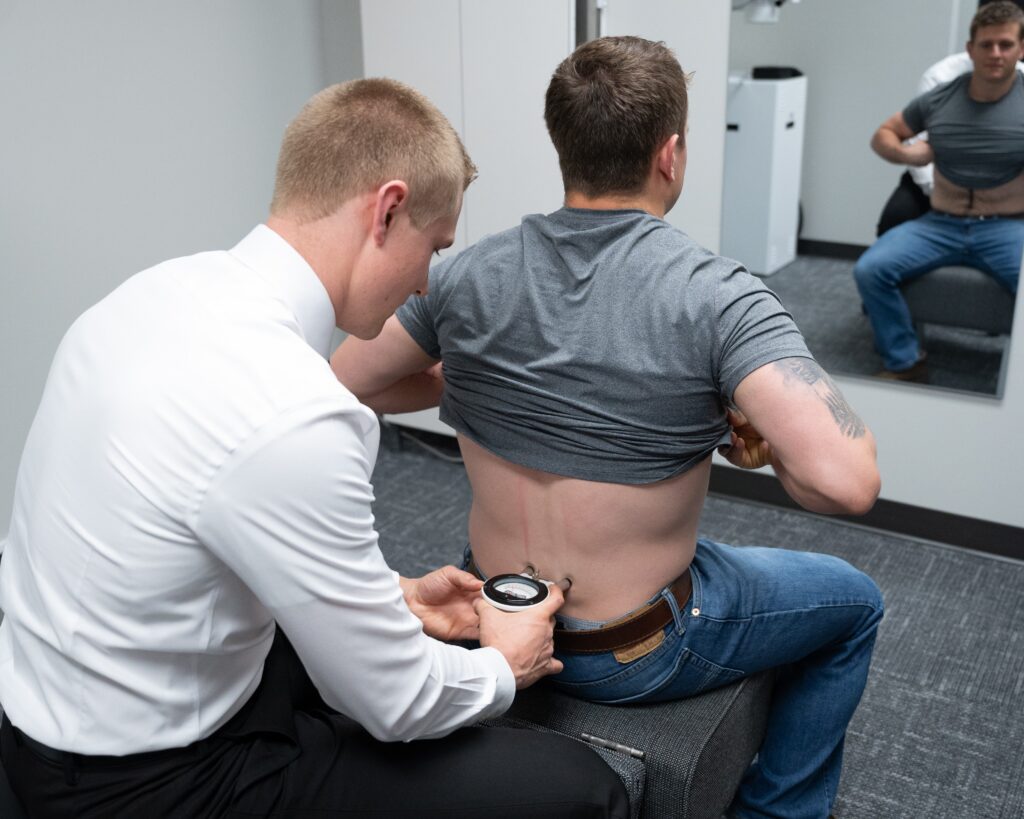

You might not realize it, but chronic tension headaches can often stem from everyday habits and stressors that you encounter. By understanding how factors like posture, hydration, and even your diet play a role, you can start to uncover effective relief strategies. It's about more than just pain management; it's about reclaiming your well-being. So, what simple changes can you implement today to break the cycle of discomfort and enhance your quality of life? The answers may surprise you.
Understanding Chronic Tension Headaches
Chronic tension headaches affect about 3% of the population, making them a common yet often misunderstood condition. You might experience these headaches as a constant, dull ache that wraps around your head, sometimes accompanied by tightness in your neck and shoulders.
Unlike migraines, which can be debilitating, tension headaches usually aren't severe enough to sideline you completely but can still disrupt your daily life. You may find that these headaches can vary in frequency, occurring anywhere from a few times a month to several times a week.
Stress, anxiety, poor posture, and inadequate sleep often contribute to their onset. Understanding this condition begins with recognizing that it's often linked to muscle tension and emotional strain. When you're under pressure, your muscles may tighten, leading to discomfort that manifests as a headache.
It's important to note that chronic tension headaches can also affect your mood and concentration. You might feel irritable or find it hard to focus on tasks when you're in pain. Acknowledging these headaches as a signal from your body can be the first step toward relief.
Your lifestyle choices can play a significant role; managing stress through relaxation techniques or maintaining a healthy routine can help minimize their occurrence. By understanding what chronic tension headaches are and how they relate to your overall well-being, you're better equipped to seek effective relief and improve your quality of life.
Identifying Triggers and Symptoms
Many people with tension headaches find that certain triggers and symptoms consistently surface. Identifying these can help you manage and potentially reduce the frequency of your headaches. You might notice that specific situations or habits often lead to that familiar pain. Understanding these triggers is vital for prevention and mitigation.
Common triggers include:
- Stress: Emotional pressures from work, family, or personal issues can tighten your muscles, leading to headaches.
- Poor sleep: Inadequate or restless sleep can leave your body fatigued, making you more susceptible to tension headaches.
- Dehydration: Not drinking enough water can cause your body to react with headaches as a warning sign.
When you experience tension headaches, you may notice certain symptoms accompanying the pain. These can manifest as a dull, aching sensation that feels like a tight band around your head.
You might also experience tenderness in your scalp, neck, or shoulder muscles. Fatigue and irritability often accompany these headaches, making it essential to recognize and address them early.
Importance of Posture Correction
Poor posture can greatly contribute to tension headaches, often exacerbating the symptoms you already experience. When you slouch or hunch over, it places unnecessary strain on your neck, shoulders, and back. This tension can build up over time, leading to chronic headaches that seem to never go away. By simply correcting your posture, you can alleviate some of this tension and create a more comfortable environment for your body.
Start by being mindful of how you sit, stand, and move throughout the day. When you're at your desk, make sure your chair supports your lower back, and keep your feet flat on the floor. Your screen should be at eye level, so you aren't craning your neck.
When standing, distribute your weight evenly on both feet, and engage your core to support your spine. Incorporating regular breaks into your routine is also essential. Every hour, take a moment to stretch and reset your posture. Simple neck and shoulder rolls can help relieve built-up tension and improve blood flow.
Additionally, practicing exercises that strengthen your core and back muscles can provide the support your posture needs.
Stress Management Techniques
When it comes to tackling tension headaches, effective stress management techniques are essential for reducing their frequency and severity. Stress is often a significant trigger for these headaches, so learning how to manage it can provide relief.
Here are a few effective techniques you can incorporate into your daily routine:
- Mindfulness Meditation: Taking a few minutes each day to practice mindfulness can help ground you and reduce anxiety. Focus on your breath, observe your thoughts, and let them pass without judgment.
- Deep Breathing Exercises: Simple deep breathing exercises can lower your stress levels almost instantly. Try inhaling through your nose for a count of four, holding for four, and exhaling through your mouth for a count of four.
- Progressive Muscle Relaxation: This technique involves tensing and then relaxing each muscle group in your body. Start from your toes and work your way up, focusing on the release of tension as you relax each muscle.
Incorporating these techniques into your life doesn't have to be time-consuming. Even dedicating a few minutes each day can lead to significant improvements in your stress levels and, consequently, your headache frequency.
Regular Exercise Benefits
Regular exercise offers numerous benefits that can greatly impact your overall well-being, especially for those prone to chronic tension headaches. Engaging in regular physical activity helps reduce stress levels, which is a significant trigger for many headache sufferers. When you exercise, your body releases endorphins, the natural mood lifters that can help alleviate feelings of anxiety and tension.
Moreover, exercising improves your posture, which is vital for preventing tension headaches. Many times, poor posture leads to muscle strain, particularly in your neck and shoulders. By strengthening these muscles through targeted exercises, you can mitigate the tension that builds up and contributes to headaches.
Additionally, regular exercise enhances blood circulation. Improved blood flow means that your brain and muscles receive more oxygen and nutrients, helping to reduce the likelihood of headaches.
You'll also notice that getting into a consistent exercise routine promotes better sleep, which is essential for overall health. When you're well-rested, your body is more resilient to headache triggers.
It's important to find an activity you enjoy, whether it's walking, swimming, yoga, or dancing. This way, you'll be more likely to stick with it. Aim for at least 30 minutes of moderate exercise most days of the week.
The Role of Hydration
Staying properly hydrated plays a significant role in managing chronic tension headaches. When you don't drink enough water, your body can become dehydrated, leading to headaches and increased tension. Hydration affects not just your physical health but your mental clarity as well. By ensuring you're drinking sufficient fluids, you can help alleviate some of the discomfort associated with tension headaches.
Here are a few reasons why you should prioritize hydration:
- Reduces Muscle Tension: Water helps keep muscles flexible and prevents them from tightening up, which can contribute to headache pain.
- Enhances Blood Flow: Adequate hydration promotes better circulation, delivering essential nutrients and oxygen to your brain, reducing the likelihood of headaches.
- Balances Electrolytes: Staying hydrated maintains the right balance of electrolytes, which is crucial for proper nerve function and muscle contractions.
To keep your hydration levels in check, aim for at least eight 8-ounce glasses of water daily, but adjust based on your activity level and environment.
Don't wait until you're thirsty to drink; make it a habit to sip throughout the day. Remember, beverages like herbal teas and even fruits with high water content can contribute to your daily intake.
Incorporating hydration into your routine can be a simple yet effective way to help manage chronic tension headaches. By making this small change, you'll likely notice a positive impact on your overall well-being.
Mindfulness and Relaxation Practices
Mindfulness and relaxation practices can be powerful tools in managing chronic tension headaches. By incorporating these techniques into your daily routine, you can help reduce stress and tension that often contribute to headaches.
One effective method is mindfulness meditation. Set aside a few minutes each day to focus on your breath, allowing your thoughts to drift away. This practice not only calms your mind but also encourages you to be present, reducing the anxiety that can lead to headaches.
Another effective approach is progressive muscle relaxation. This technique involves systematically tensing and relaxing different muscle groups in your body. Start with your toes and work your way up to your head, paying attention to how each muscle feels. This practice helps release built-up tension, contributing to a more relaxed state.
Yoga is also an excellent way to incorporate mindfulness and relaxation into your life. The combination of gentle movement, breath control, and meditation can alleviate tension headaches by promoting overall well-being. Try to find a class or follow an online session that focuses on restorative poses, which can help release tightness in the neck and shoulders.
Lastly, don't underestimate the power of deep breathing exercises. When you feel a headache coming on, take a moment to breathe deeply. Inhale through your nose, filling your lungs, and exhale slowly through your mouth. This simple practice can quickly bring you back to a more relaxed state, helping to diminish the intensity of your headache.
Consistently practicing these techniques can empower you to manage chronic tension headaches more effectively.
Dietary Adjustments for Relief
Incorporating mindfulness and relaxation techniques into your routine can create a strong foundation for managing chronic tension headaches. However, dietary adjustments also play an essential role in alleviating your symptoms. What you eat can greatly impact your overall well-being and headache frequency.
Start by identifying potential food triggers. Some common culprits include aged cheeses, processed meats, and certain alcohols. Keeping a food diary can help you pinpoint patterns and eliminate items that lead to headaches.
Consider these dietary adjustments to promote relief:
- Stay Hydrated: Dehydration is often overlooked but can trigger headaches. Aim for at least eight glasses of water daily, and increase your intake if you're active or in hot weather.
- Balance Your Meals: Focus on a well-rounded diet that includes plenty of fruits, vegetables, whole grains, and lean proteins. This helps stabilize blood sugar levels, which can reduce headache occurrences.
- Limit Caffeine: While caffeine can sometimes provide relief, too much can lead to withdrawal headaches. Try to moderate your intake and observe how your body responds.
Alternative Therapies to Consider
Exploring alternative therapies can greatly enhance your approach to managing chronic tension headaches. Many people find relief through methods that complement traditional treatments, helping to alleviate pain and reduce frequency.
One effective option is acupuncture. This ancient practice involves inserting thin needles into specific points on your body, which can stimulate energy flow and promote relaxation. Research shows that acupuncture may help reduce headache frequency and intensity, making it worth considering.
Another popular choice is yoga. By combining physical postures, breathing exercises, and meditation, yoga promotes a sense of calm while stretching tight muscles. Regular practice can help you manage stress and tension, which are often triggers for headaches.
You might also explore herbal remedies. For instance, butterbur and feverfew are two herbs that some studies suggest can help decrease headache occurrences. Always consult with a healthcare professional before starting any herbal treatment to guarantee safety and proper dosage.
Additionally, mindfulness and relaxation techniques, such as progressive muscle relaxation and guided imagery, can help you manage stress and prevent tension build-up. These techniques encourage you to focus on the present moment, reducing anxiety and promoting a sense of well-being.
Lastly, consider massage therapy. Regular massages can alleviate muscle tightness in the neck and shoulders, areas often connected to headache pain.
When to Seek Professional Help
When chronic tension headaches persist despite your efforts with alternative therapies, it's vital to seek professional help. You shouldn't ignore the signs that your condition may require more specialized treatment. A healthcare provider can help identify underlying issues and suggest appropriate interventions tailored to your needs.
Here are some indications that it's time to consult a professional:
- Frequent headaches: If your headaches occur more than twice a week, it's important to get a thorough evaluation.
- Severe pain: If the intensity of your headaches greatly disrupts your daily activities, don't hesitate to reach out for help.
- New symptoms: If you experience additional symptoms like nausea, vision changes, or neurological signs, these could indicate a more serious condition.
A healthcare professional will likely conduct a detailed assessment, which may include a physical exam and imaging studies, to rule out other potential causes. They might also recommend medications or therapies that you haven't tried yet, helping you manage your headaches more effectively.
Don't let chronic tension headaches control your life. Seeking help can be a pivotal step toward alleviating your discomfort and improving your overall well-being.
Conclusion
In summary, relieving chronic tension headaches involves a holistic approach tailored to your needs. By recognizing triggers, improving your posture, and incorporating stress management techniques, you can greatly reduce discomfort. Regular exercise, mindfulness practices, and dietary adjustments further enhance your well-being. Don't hesitate to explore alternative therapies, and remember, if headaches persist, seeking professional help is essential. Embrace these strategies, and take control of your journey towards a headache-free life!