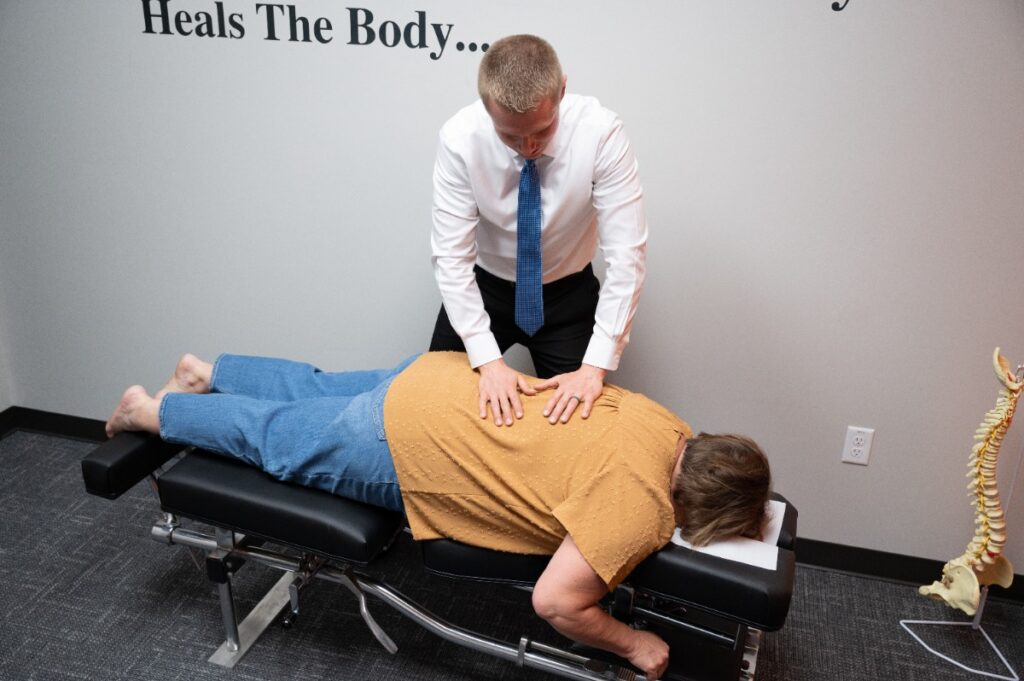

When you think about athletic recovery, you might not immediately consider chiropractors, but their role can be pivotal. They address musculoskeletal issues through techniques that not only alleviate pain but also enhance your performance. By restoring alignment and improving range of motion, chiropractors help you bounce back from injuries faster. Yet, there's more to their approach than just adjustments. What other methods do they employ to support athletes like you? Exploring these can reveal insights that might change how you approach your own recovery.
Understanding Chiropractic Care
When it comes to athletic recovery, understanding chiropractic care is important. You might think of chiropractors primarily as spine specialists, but their expertise extends far beyond that. They focus on the body's musculoskeletal system, ensuring that everything—from your joints to your muscles—functions effectively. This holistic approach can be a game changer for athletes like you, as it helps enhance performance and prevent injuries.
Chiropractic care involves a variety of techniques, including spinal adjustments and soft tissue therapies. These methods aim to restore alignment, improve range of motion, and reduce inflammation. When your body is in alignment, it can heal more effectively, which is essential after intense training or competition.
You'll find that chiropractic adjustments can alleviate pain, improve mobility, and speed up your recovery time.
Moreover, chiropractors often provide tailored advice on exercise, nutrition, and overall wellness. By incorporating their recommendations into your routine, you can maintain better body mechanics and reduce the risk of future injuries. You don't just get treatment; you gain valuable insights into how to care for your body as an athlete.
Ultimately, understanding chiropractic care means recognizing it as a significant part of your athletic recovery plan. It's about more than just fixing problems; it's about enhancing your overall physical health and performance.
Common Sports Injuries Treated
Chiropractors effectively address a wide range of common sports injuries that athletes encounter. Whether you're a weekend warrior or a professional athlete, injuries can happen during training or competition. One of the most frequent injuries is a sprain, particularly in the ankle or knee. Chiropractors can help you regain mobility and reduce pain through targeted adjustments and therapeutic techniques.
Another common issue is muscle strain, often affecting the back, hamstrings, or shoulders. You might feel tightness or discomfort, and a chiropractor can assess your condition, provide treatment, and guide you on proper stretching techniques to prevent future injuries.
Tendonitis, especially in the elbows or knees, is also prevalent among athletes. Chiropractors use specific methods to reduce inflammation and improve your range of motion.
If you've experienced a concussion, chiropractors are trained to recognize symptoms and provide safe recovery plans. They can support your healing process through gentle adjustments and rehabilitation exercises.
Additionally, chronic issues like lower back pain are often linked to improper biomechanics. A chiropractor can analyze your posture and movement patterns, helping you correct imbalances and avoid further injury.
Lastly, repetitive strain injuries, such as tennis elbow or runner's knee, can be effectively managed through chiropractic care. By addressing the underlying causes, chiropractors can help you return to your sport with confidence and reduced risk of reinjury.
Benefits of Spinal Adjustments
Spinal adjustments offer numerous benefits that can markedly enhance your athletic recovery. When you engage in high-impact sports, your spine may experience misalignments that can hinder your performance and recovery. By opting for spinal adjustments, you can restore proper alignment, which helps your body function more efficiently.
One of the primary benefits is improved range of motion. Adjustments can help alleviate stiffness in your spine, enabling you to move more freely. This increased mobility isn't just fundamental for performance; it's also essential for preventing further injuries. With better alignment, your body can distribute forces evenly, reducing the risk of strain on muscles and joints.
Moreover, spinal adjustments can greatly enhance your overall recovery time. By optimizing your nervous system function, these adjustments allow your body to heal more effectively. You'll likely notice a decrease in pain and inflammation, which can speed up your return to training and competition.
Additionally, adjustments can lead to improved circulation. Better blood flow means more oxygen and nutrients reach your muscles, aiding in faster recovery after intense workouts. You might also experience reduced muscle tension, which contributes to a quicker return to peak performance.
Finally, spinal adjustments can help improve your overall well-being. You'll likely experience better sleep, reduced stress, and enhanced focus—all of which are essential for any athlete. By incorporating spinal adjustments into your recovery routine, you'll set yourself up for success both on and off the field.
Soft Tissue Therapy Techniques
After experiencing the benefits of spinal adjustments, incorporating soft tissue therapy techniques into your recovery routine can further enhance your athletic performance.
These techniques focus on alleviating muscle tension, improving circulation, and promoting tissue repair. They're essential for keeping your body in peak condition, especially after intense training or competition.
One popular method is massage therapy, which can relieve tight muscles and improve blood flow. By targeting specific areas, a skilled therapist can help reduce soreness and accelerate recovery.
You might also consider myofascial release, which involves applying gentle sustained pressure to the fascia, the connective tissue surrounding muscles. This technique can help release restrictions and improve mobility.
Another effective approach is Active Release Technique (ART), where the practitioner uses hands-on pressure combined with specific movements to treat soft tissue injuries. This method is particularly useful for addressing overuse injuries, as it focuses on the underlying issues causing pain.
You could also explore trigger point therapy, which targets specific knots in the muscle that can cause pain and limit mobility. By applying pressure to these points, you can relieve tension and improve your overall range of motion.
Lastly, don't overlook the benefits of stretching, which can enhance flexibility and prevent injuries.
Regularly incorporating these soft tissue therapy techniques into your routine can help you recover faster, maintain your performance, and keep you on track with your athletic goals.
Enhancing Range of Motion
To enhance your range of motion effectively, integrating various techniques into your recovery routine is essential. Chiropractors play a crucial role in helping you achieve this goal through targeted interventions and personalized care.
Here are three key strategies you can use to improve your flexibility and mobility:
- Chiropractic Adjustments: Regular adjustments help align your spine and joints, allowing them to move more freely. When your body is properly aligned, it reduces stiffness and enhances your overall range of motion.
- Active Release Technique (ART): This hands-on therapy focuses on releasing tension in soft tissues, such as muscles and tendons. By alleviating tightness, ART promotes better movement patterns and helps you regain lost flexibility.
- Stretching and Mobility Exercises: Incorporating specific stretches and mobility drills into your routine can greatly improve your range of motion. A chiropractor can guide you in selecting the right exercises tailored to your needs, ensuring you target the right muscle groups effectively.
Preventing Future Injuries
Preventing future injuries is vital for athletes looking to maintain peak performance. As a dedicated athlete, you know how important it's to keep your body in top shape, and that's where chiropractic care comes into play. Chiropractors focus on your musculoskeletal system, ensuring that your spine and joints are properly aligned, which can greatly reduce the risk of injuries during training and competition.
Regular chiropractic adjustments help maintain ideal joint function, allowing you to move freely and efficiently. This enhanced mobility not only improves your athletic performance but also minimizes the chances of strains or sprains. By addressing any misalignments or restrictions in your body, chiropractors can help identify potential problem areas before they lead to injuries.
In addition to adjustments, chiropractors often provide guidance on proper biomechanics and movement patterns. They teach you how to perform exercises and activities with the right technique, reducing undue stress on your muscles and joints. This education empowers you to make smarter choices during training, ultimately lowering your injury risk.
Moreover, chiropractors can advise you on strength and conditioning strategies tailored to your specific needs. Building strength in vulnerable areas can create a more resilient body, making it less prone to injuries.
Integrating Chiropractic With Other Therapies
Incorporating chiropractic care into your overall wellness routine can enhance your athletic recovery and performance. When you integrate chiropractic treatment with other therapies, you create a thorough approach that addresses various aspects of your health.
This synergy can lead to improved outcomes, helping you bounce back from injuries faster and perform better.
Here are three effective ways to combine chiropractic care with other therapies:
1. Physical Therapy: By working with a physical therapist alongside your chiropractor, you can target specific muscle imbalances and improve your strength and flexibility. This combo helps you regain function and reduces the risk of future injuries.
2. Massage Therapy: Regular massages can relax tight muscles and improve circulation. When combined with chiropractic adjustments, they can enhance spinal alignment and overall body function.
You'll find that your muscles recover more effectively, making it easier to get back to training.
3. Nutrition Counseling: Fueling your body with the right nutrients can greatly support recovery. A nutritionist can help you develop a diet plan that complements your chiropractic care, ensuring you're getting the vitamins and minerals needed for healing and performance.
Case Studies in Athletic Recovery
In exploring case studies of athletic recovery, you'll see how chiropractors play a key role in injury prevention techniques.
These real-life examples highlight the effectiveness of chiropractic care in enhancing performance recovery.
You'll discover strategies that not only reduce the risk of injuries but also improve overall athletic performance.
Injury Prevention Techniques
Athletes often face the risk of injuries that can sidetrack their performance and recovery. To combat this, chiropractors play a significant role in implementing effective injury prevention techniques. By focusing on proper alignment and biomechanics, they help you maintain peak performance while minimizing the risk of injury.
Here are three key techniques chiropractors often use to prevent injuries:
- Functional Assessment: Chiropractors evaluate your movement patterns and assess any imbalances. This helps identify potential risks before they lead to injuries.
- Customized Exercise Programs: Based on your assessment, they design tailored exercise regimens. These programs aim to strengthen weak areas, increase flexibility, and enhance overall stability.
- Education on Body Mechanics: Chiropractors educate you about proper body mechanics during training and competition. Understanding how to move correctly can greatly reduce the chances of injury.
Enhanced Performance Recovery
While injury prevention lays the groundwork for athletic success, effective recovery strategies are just as important for maintaining performance levels. Chiropractors play a vital role in enhancing performance recovery by employing various techniques that help athletes bounce back faster and stronger.
Consider a case study involving a professional runner. After a grueling race, she sought chiropractic care to alleviate muscle tension and improve her range of motion. Through targeted spinal adjustments and soft tissue therapy, she experienced significant relief. This not only reduced her recovery time but also allowed her to train more effectively for her next competition.
In another instance, a football player utilized chiropractic care to address recurring back pain. By integrating chiropractic adjustments into his recovery routine, he reported improved flexibility and a decreased risk of injury. This combination of therapies led to enhanced performance on the field.
These case studies illustrate how chiropractic care can optimize recovery. By addressing misalignments and muscle imbalances, chiropractors help athletes restore their bodies and maintain peak performance.
Choosing the Right Chiropractor
Finding the right chiropractor can greatly impact your athletic recovery journey. When you're investing time and energy into your performance, you want someone who understands your unique needs and can help you recover effectively.
Here are three key factors to take into account when choosing the right chiropractor for you:
1. Experience with Athletes: Look for a chiropractor who specializes in sports injuries or has experience working with athletes. Their familiarity with the demands of your sport can make a significant difference in your care.
2. Techniques and Approaches: Different chiropractors use various techniques, from traditional adjustments to more modern therapies. It's important to find someone whose methods align with your comfort level and recovery goals.
Don't hesitate to ask about their approach during your first consultation.
3. Communication Style: You should feel comfortable discussing your concerns and goals with your chiropractor. A good practitioner will listen actively and explain their treatment plan clearly.
This partnership is vital for successful recovery, so trust your instincts about who you connect with best.
Myths and Misconceptions About Chiropractic Care
Chiropractic care often faces a slew of myths and misconceptions that can cloud your understanding of its benefits, especially in athletic recovery. One common myth is that chiropractic adjustments are only for back pain. In reality, chiropractors address a wide range of issues, including joint dysfunction, muscle tightness, and even headaches, all of which can impact an athlete's performance and recovery.
Another misconception is that chiropractic treatments are painful. While some adjustments may cause temporary discomfort, most patients report feeling relief and increased mobility afterward. It's crucial to communicate with your chiropractor about any concerns you have to guarantee a comfortable experience.
You might also believe that once you start chiropractic care, you'll need to go for life. In truth, many athletes visit chiropractors on an as-needed basis. After a thorough assessment, your chiropractor will develop a personalized treatment plan that fits your recovery goals.
People often think that chiropractic care is a replacement for traditional medicine, but it actually complements conventional treatments. Chiropractors work alongside other healthcare professionals to provide holistic care that promotes overall wellness.
Lastly, some think chiropractic care isn't scientifically backed. However, numerous studies support its effectiveness in treating various musculoskeletal conditions, improving athletic performance, and enhancing recovery.
Conclusion
Chiropractors are essential for athletic recovery, offering tailored care that addresses injuries and enhances performance. By restoring alignment and improving range of motion, they help you bounce back quicker and stay in peak condition. Integrating their services with other therapies can maximize your recovery process. Don't let myths hold you back; find the right chiropractor to support your athletic journey. With their expertise, you're not just healing—you're setting the stage for future success.